


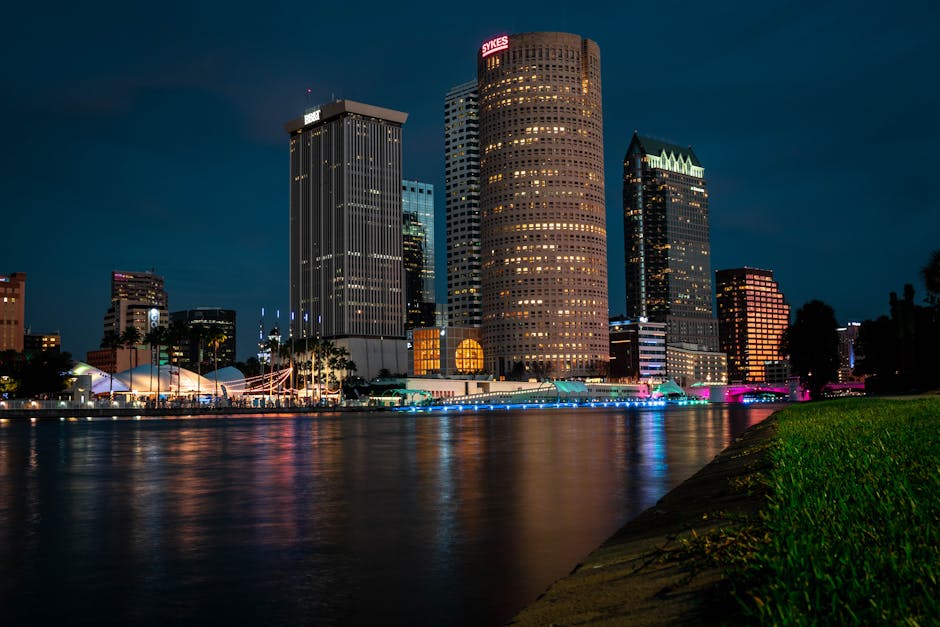
The Evolution of Tampa as a Primary Luxury Market
For decades, the Gulf Coast of Florida was viewed through a seasonal lens, often categorized as a secondary or tertiary market for high-net-worth individuals. However, the current landscape reflects a fundamental shift. Tampa has matured into a primary luxury market, characterized by institutional-grade infrastructure and a consistent influx of domestic capital. This transition is not merely a post-pandemic anomaly but a structural revaluation of the region’s utility and desirability.
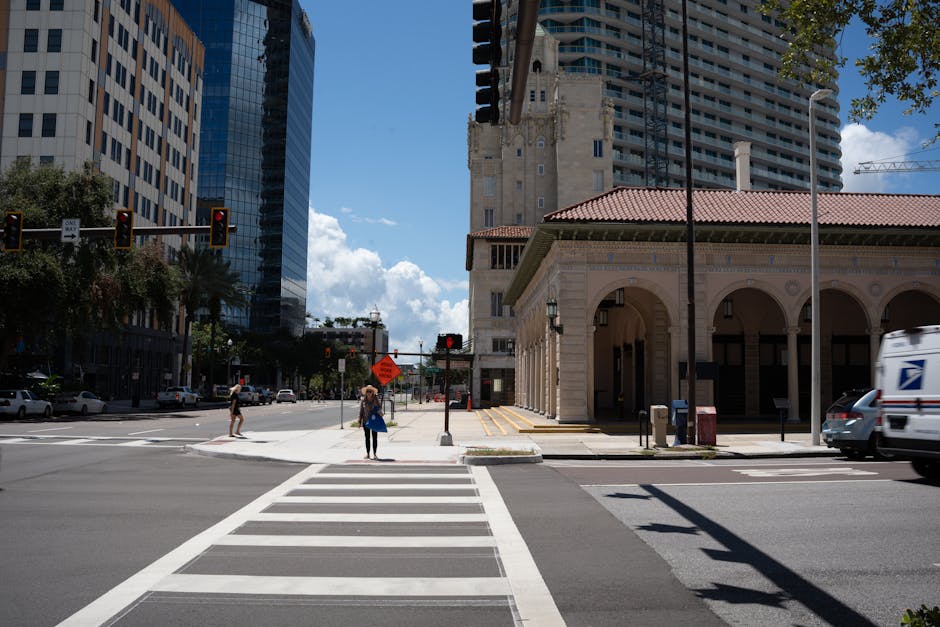
Strategic buyers are increasingly prioritizing Tampa for its stability and the quality of its urban core. According to reports from The National Law Review, the waterfront has emerged as a primary sector, attracting those who previously focused on more saturated South Florida markets. This movement is driven by a preference for a sophisticated yet manageable urban environment where professional opportunities and high-end residential options coexist seamlessly.
The implications for value retention are significant. As the city moves away from speculative growth toward established demand, the floor for pricing in premium enclaves has solidified. Current market data shows a median list price of approximately $2,499,000 for luxury inventory, with the average hovering closer to $3,247,370. For the discerning advisor, these figures represent a baseline for entry into neighborhoods where the cost of replacement remains high and land availability is increasingly scarce.
Capital Concentration in the South Tampa and Downtown Corridors
The geographic focus of luxury investment has narrowed toward areas capable of supporting a high-density, high-service lifestyle. The downtown area has seen a massive injection of capital, specifically highlighted by the $675 million surge that has positioned the city as a major investment capital in Florida. This institutional commitment provides a level of security for residential buyers, as it ensures the long-term maintenance of the surrounding infrastructure and amenities.
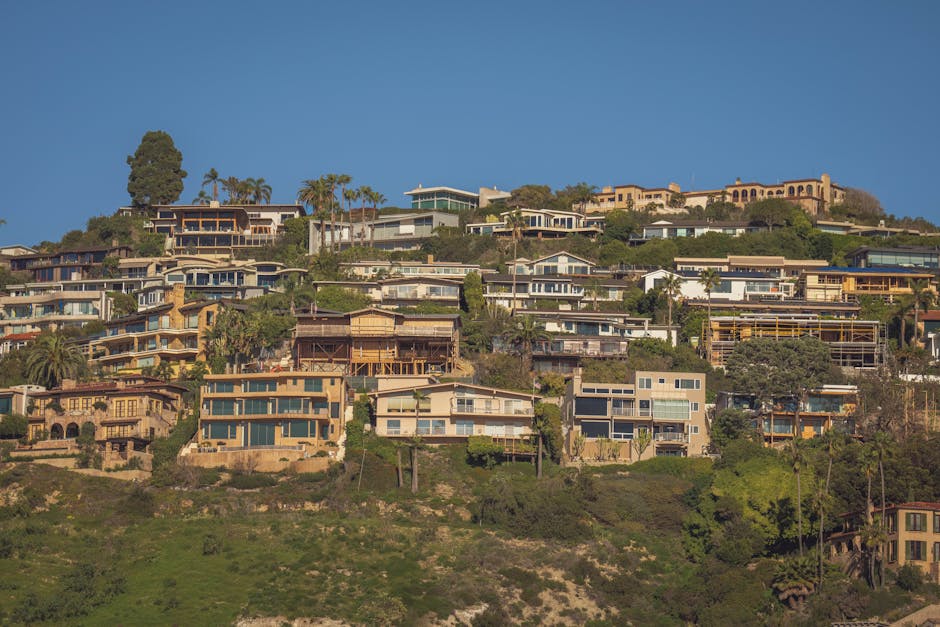
In contrast to the vertical growth of the urban core, traditional neighborhoods such as Culbreath Isles and Beach Park continue to offer a different profile of value. These areas cater to buyers seeking privacy and acreage, where custom estates like those found on Gardner Road or Troutwater Lane command significant premiums. The decision between a high-rise penthouse and a sprawling waterfront estate now involves comparing different sets of utility: the concierge-level service of the city versus the autonomous privacy of a gated enclave.
Navigating these micro-markets requires more than a cursory glance at listings. It requires an understanding of how local traffic patterns, school proximity, and neighborhood associations influence the long-term liquidity of a property. For instance, the demand for properties in the South Tampa core remains insulated due to strict zoning and the finite supply of land. Advisors often suggest that buyers look beyond the initial aesthetics and evaluate the underlying land value as a percentage of the total acquisition cost.
Essential Due Diligence for High-Value Acquisitions
Acquiring a luxury asset in a coastal environment necessitates a rigorous verification process. Sophisticated buyers prioritize structural integrity and environmental resilience over cosmetic finishes. This is particularly true for waterfront properties where elevation and construction standards directly impact insurance costs and future resale potential. It is advisable to engage specialized inspectors who understand the nuances of Florida’s building codes and coastal management requirements.
When evaluating a potential purchase, consider the following technical and logistical factors:
- Verification of the elevation certificate and compliance with updated FEMA flood zone designations.
- Assessment of the age and condition of seawalls and dockage facilities, which can be significant capital liabilities.
- Analysis of the Homeowners Association (HOA) reserves and historical assessment frequency in luxury condo developments.
- Review of the surrounding neighborhood’s master plan for upcoming infrastructure projects or zoning changes.
- Evaluation of the property’s historical performance in the rental or secondary market if the acquisition is part of a broader portfolio.
- Confirmation of high-speed fiber connectivity and integrated smart-home infrastructure.
By focusing on these practical takeaways, a buyer can mitigate the risks associated with market volatility. The goal is to identify properties that offer both immediate lifestyle utility and long-term capital preservation. Consulting with an advisor who can provide neighborhood-level implications and data-backed insights is essential in this phase of the transaction.
The Vertical Shift: Why the Luxury Condo Market is Gaining Momentum
While the single-family estate has historically been the standard for Tampa luxury, the condo market is currently undergoing a period of rapid expansion. High-end developments are no longer just for retirees; they are attracting a diverse demographic of professionals and families. As noted by Tampa Bay Business & Wealth, the city is still in the early stages of its luxury condo market, which suggests a significant runway for appreciation compared to more mature markets like Miami.
The appeal lies in the lock-and-leave capability and the aggregation of amenities that would be difficult to replicate in a private residence. Fitness centers, rooftop pools, and 24-hour security are now standard requirements for new projects in the downtown and Bayshore areas. However, buyers should be wary of projects that rely on generic branding. The most successful developments are those that integrate with the local fabric and offer unique architectural value.
Pricing in the condo sector often reflects the scarcity of unobstructed views. On Bayshore Boulevard, properties with direct water frontage carry a substantial premium that has historically held its value even during broader market corrections. When comparing different developments, it is useful to look at the price per square foot relative to the level of service provided. An advisor can help benchmark these costs against historical sales data to ensure the entry price is supported by tangible market fundamentals.
Lifestyle Connectivity and Urban Integration
The value of a luxury property in Tampa is increasingly tied to its proximity to cultural and social hubs. The city’s event calendar has become a significant driver of local interest, with major festivals and concerts bringing thousands to the urban core. For instance, upcoming festivals and community events contribute to the social vitality of neighborhoods, making them more attractive to those who value connectivity and engagement.
Infrastructure improvements have made it easier to navigate between various high-end pockets, from the historic streets of Hyde Park to the modern retail districts of Westshore. Even transient events, such as the concerts and downtown family fun often highlighted by local media, showcase the city’s ability to host large-scale activities while maintaining a high quality of life for residents. This balance of entertainment and residential tranquility is a hallmark of the modern Tampa experience.
For families, the integration of recreational spaces and educational institutions within the luxury corridors is a primary consideration. The ability to walk to a local bistro or a waterfront park adds a layer of convenience that is often missing in more suburban luxury markets. When selecting a neighborhood, it is important to observe the daily rhythms of the area—how traffic flows during peak hours and how accessible essential services are from the primary residence.
Strategic Timing and Negotiation in the Current Climate
With 120 active luxury listings currently available, the market offers a window of opportunity for selective acquisitions. Unlike the frenetic pace of previous years, the current environment allows for more thorough due diligence and strategic negotiation. Sellers are increasingly aware that buyers are prioritizing value and condition over hype. Properties that are priced accurately and presented in turn-key condition continue to move quickly, while those requiring significant updates are seeing more flexible pricing.
Buyers should approach the market with a clear understanding of their long-term goals. Are you looking for a primary residence with immediate appreciation potential, or a legacy asset that will be held for decades? The strategy for each differs. In some cases, land acquisitions in areas like Davis Islands or Sunset Park offer the best path to value, as the scarcity of waterfront parcels ensures a high ceiling for future construction.
Finally, the importance of local expertise cannot be overstated. A senior buyer advisor provides the filter necessary to separate market noise from actionable data. Whether analyzing the implications of a recent sale on Florida Avenue or evaluating the merits of a new development in the Channel District, having a grounded perspective is the key to making a confident decision. The current inventory presents unique options, but only a few will meet the criteria for a truly high-performing asset.
As you evaluate your options in this evolving landscape, the choice of a partner is as critical as the choice of a property. A sophisticated acquisition requires a sophisticated approach, combining analytical rigor with neighborhood-level intuition. We invite you to explore our curated selection of LISTINGS URL to understand the current standard of excellence in the market. To discuss a specific property or to receive a bespoke analysis of a particular neighborhood, please CONTACT URL an advisor today. We provide the clarity and confidence required for successful transactions in the Tampa luxury sector.
Your next move in Tampa luxury
Get current inventory, pricing guidance, and private-tour support from our brokerage team.
Source highlights
- Tampa Bay’s most expensive luxury home sales of 2025 – Tampa Bay Times
- Tampa Bay luxury market grows stronger despite national declines – The Business Journals
- Why Tampa remains an early-stage luxury condo market – Tampa Bay Business & Wealth
- Tampa Bay’s Waterfront Emerges as a Primary Luxury Real Estate Market – The National Law Review
- Florida Trend Real Estate – Florida Trend
- Inside Tampa’s $675 Million Surge: How the City Became Florida’s New Luxury Investment Capital – hauteresidence.com
- Things To Do In Tampa This Weekend: Best Festivals & Events Going On – That's So Tampa
- Tampa officials expect heavy traffic, tens of thousands of visitors over a packed K-Pop weekend – wtsp.com



