


The Transition from Seasonal Haven to Primary Luxury Hub
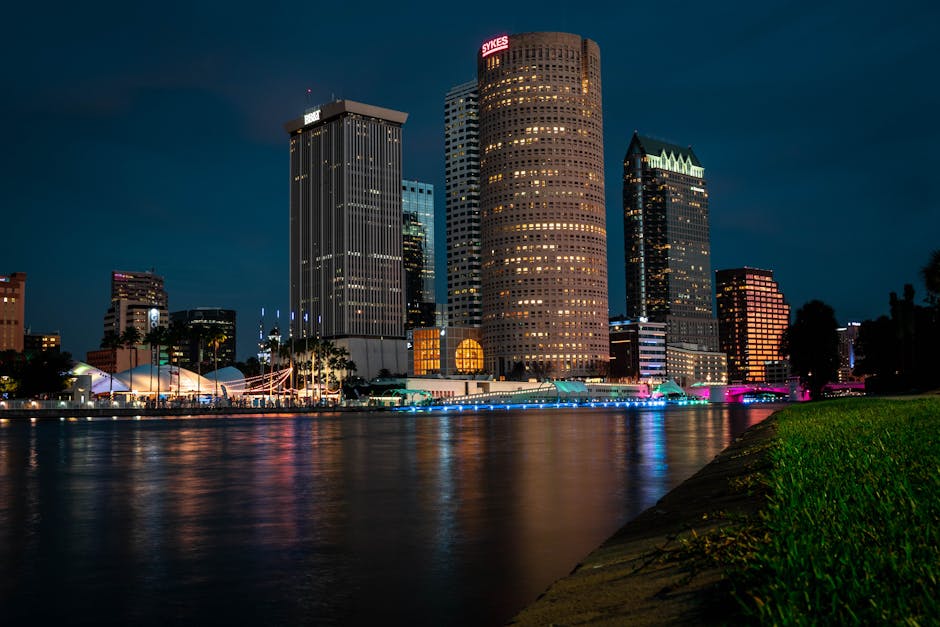
Tampa has undergone a fundamental shift in its demographic profile over the last twenty-four months. Historically viewed as a secondary market for seasonal residents, the city is now firmly established as a primary destination for high-net-worth individuals seeking permanent relocation. This transition is driven by a combination of corporate migration to the Westshore Business District and the continued expansion of professional services in the downtown core. For the sophisticated buyer, this means the market is less susceptible to the traditional ebb and flow of seasonal tourism, providing a more stable environment for long-term capital appreciation.
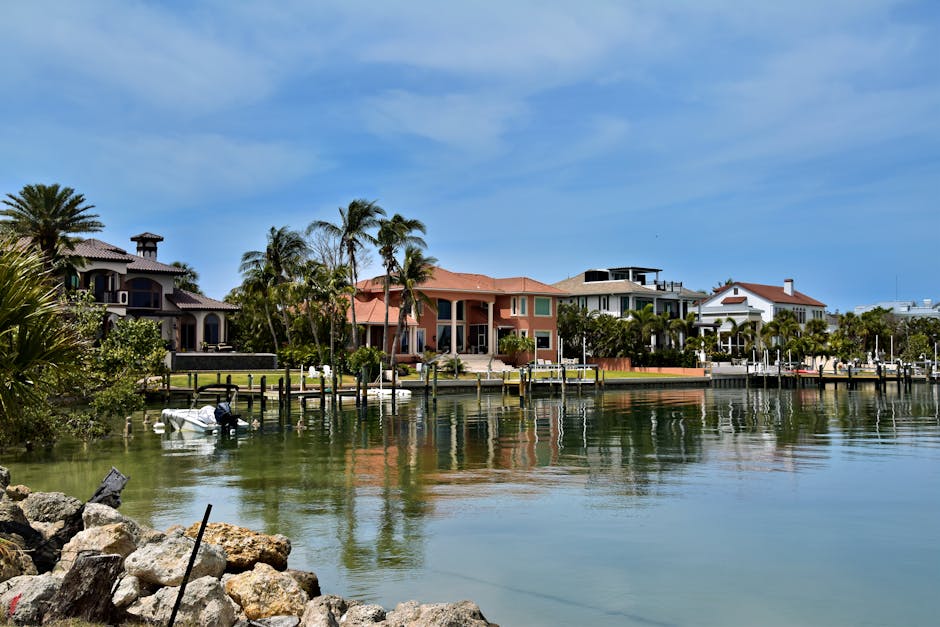
Recent data indicates that Tampa Bay’s waterfront has emerged as a primary luxury market, attracting buyers who prioritize functional, year-round living over simple vacation utility. We are seeing a marked preference for properties that offer sophisticated home office suites, integrated smart-home technology, and expansive outdoor living spaces that function as true extensions of the home. This shift in buyer behavior is reflected in the steady demand for estates in neighborhoods like Davis Islands and Beach Park, where proximity to elite schooling and private aviation facilities is a non-negotiable requirement.
As the market matures, the definition of luxury in Tampa has expanded beyond mere square footage. Buyers are now scrutinizing the architectural integrity and sustainability of their investments. The influx of capital from high-tax states has brought an appetite for modern, resilient design that can withstand the coastal environment while offering a refined aesthetic. This evolution is positioning Tampa not just as a Florida alternative, but as a top-tier national competitor for executive-level residents who demand a specific caliber of infrastructure and cultural density.
Assessing the Early-Stage Luxury Condo Pipeline
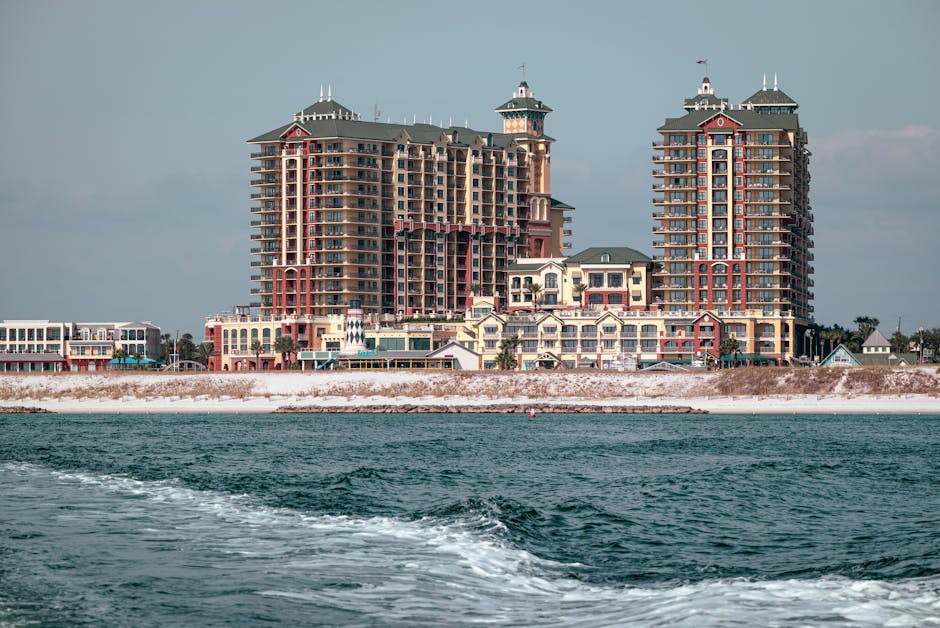
While single-family estates remain the cornerstone of the Tampa market, the high-end condominium sector is entering a new phase of development. For years, Tampa lacked the vertical luxury options found in Miami or Naples, but the current pipeline is rapidly filling that void. Projects along the Garrison Channel and the Hillsborough River are introducing a level of service and amenity-rich living previously unavailable in the region. This is particularly appealing to the ‘lock-and-leave’ buyer who still intends to call Tampa their primary residence but prefers the convenience of managed facilities and 24-hour security.
Industry analysts have noted that Tampa remains an early-stage luxury condo market compared to its peers. This provides a strategic window for buyers to enter developments that are defining the city’s new skyline. These units are often characterized by floor-to-ceiling glass, private elevator lobbies, and expansive terraces that capitalize on the city’s unique water views. The focus has moved toward ‘lifestyle curation,’ where the building itself provides everything from wellness centers to private social clubs, reducing the need for residents to venture far for high-end experiences.
However, navigating this sector requires a keen eye for developer track record and building specifications. As more towers are announced, discerning buyers must distinguish between projects that offer genuine luxury finishes and those that rely on generic branding. Verifying the quality of construction, the sustainability of the HOA fees, and the long-term viability of the surrounding neighborhood infrastructure is essential. The current trend toward mixed-use developments, such as those seen in Water Street, ensures that vertical living is integrated into a walkable, high-end urban fabric.
Neighborhood Dynamics: Analyzing Value in South Tampa and Davis Islands
The inventory in South Tampa remains highly competitive, with a current active luxury count of approximately 120 properties across the region. With a median list price holding steady at $2,500,000 and an average list price closer to $3,310,555, the market reflects a diverse range of high-end options. Buyers are currently weighing the benefits of historical charm in neighborhoods like Hyde Park against the custom-build opportunities found further south. The movement of inventory at the $2.6M to $3.8M price point suggests that buyers are willing to pay a premium for turnkey properties that bypass the current delays associated with the custom renovation process.
Davis Islands continues to command some of the highest price-per-square-foot metrics in the city. The island’s unique geography, combined with its private airport and yacht club, creates a self-contained ecosystem of exclusivity. We are observing a significant trend of ‘tear-down’ acquisitions, where older structures are being replaced by multi-story modern estates that maximize vertical space and water frontage. This cycle of redevelopment is constantly resetting the ceiling for property values in the area, making it a focal point for those focused on asset preservation and growth.
Conversely, the area’s waterfront estates along Gardner Road and Memorial Highway offer a different value proposition, often providing larger lot sizes and more secluded privacy. These locations are increasingly favored by those who require more space for multi-generational living or expansive private collections. As we navigate the late April heat and move into the more active spring market, the velocity of sales in these sub-markets remains a critical indicator of the city’s overall economic health. Monitoring the most expensive luxury home sales of the past year provides a roadmap for what the market currently values in terms of finish, location, and amenity.
Strategic Diligence for the Waterfront Buyer
Acquiring a waterfront property in Tampa requires a more rigorous level of due diligence than a standard inland purchase. The complexity of riparian rights, seawall maintenance, and fluctuating insurance requirements can significantly impact the long-term cost of ownership. A senior advisor will prioritize these technical aspects early in the discovery phase to ensure that the lifestyle benefits of the water are not overshadowed by unforeseen liabilities or structural deficiencies.
- Verification of seawall age and structural integrity, including recent engineering reports.
- Review of FEMA elevation certificates and the resulting impact on flood insurance premiums.
- Assessment of water depth at mean low tide for draft-sensitive vessel dockage.
- Investigation of local zoning restrictions regarding dock expansions or boat lift installations.
- Analysis of recent comparable sales specifically filtered by linear feet of water frontage.
- Evaluation of riparian rights and any potential easements that may affect property privacy.
Beyond the physical structure, understanding the neighborhood’s long-term infrastructure plan is vital. This includes planned improvements to drainage systems, road elevations, and public utility upgrades. Buyers should also consider the impact of local events on neighborhood access and traffic flow. For instance, large-scale community gatherings and festivals can temporarily alter the quietude of certain waterfront corridors, a factor that is often overlooked during a midweek viewing. Engaging with a local advisor who understands these nuances is the best way to ensure a property aligns with your specific lifestyle requirements.
Economic Resilience Amid National Market Fluctuations
While much of the national real estate conversation has centered on cooling demand and rising interest rates, Tampa’s luxury sector has demonstrated remarkable resilience. This is largely attributed to the high percentage of cash transactions at the upper end of the market, which insulates the sector from the immediate volatility of mortgage markets. Furthermore, the continued influx of wealth from major financial hubs remains a primary driver of demand, as executives find that Tampa offers a superior balance of tax advantages, climate, and professional opportunity.
Reports from The Business Journals confirm that the Tampa Bay luxury market grows stronger even as national trends show signs of softening. This strength is underpinned by a lack of quality inventory, which keeps upward pressure on pricing for well-located, modern homes. For the seller, this means that properties priced correctly and presented with a high degree of finish are still attracting multiple offers and minimal days on market. For the buyer, it necessitates a decisive approach and a clear understanding of current market value to remain competitive in desirable neighborhoods.
The stability of the local economy is further bolstered by the diversification of Tampa’s industry. No longer reliant solely on tourism or agriculture, the city is a growing hub for healthcare, technology, and finance. This professional diversity creates a more robust buyer pool for luxury real estate, as the city attracts talent from across the globe. As we look at the Florida Trend for real estate, the overarching sentiment is one of cautious optimism, supported by fundamental growth metrics that outpace much of the country.
The Role of Cultural Infrastructure in Property Valuation
Property value in the luxury sector is increasingly tied to the availability of high-end cultural and social experiences. Tampa has seen a significant investment in its downtown core, with the expansion of the Riverwalk and the development of world-class dining and shopping districts. These amenities act as anchors for the surrounding residential neighborhoods, providing the social infrastructure that affluent buyers expect. Proximity to these cultural hubs is now a primary driver of appreciation, particularly in the South Tampa corridor.
The city’s event calendar also plays a role in defining the desirability of certain areas. From high-profile festivals to professional sporting events, there is always a demand for homes that offer convenient access to the action without compromising on privacy. For example, those interested in local culture can find a variety of events and festivals happening in Tampa throughout the month, which contribute to the area’s sense of place and community. This “lifestyle tax” is a premium that buyers are increasingly willing to pay for the convenience of having world-class entertainment within a ten-minute drive.
This cultural growth is not limited to the downtown area. Neighborhoods are developing their own unique identities, with boutique retail and artisanal dining options that cater to a discerning local clientele. This hyper-local development ensures that even the most secluded estates remain connected to the city’s broader social fabric. As the city continues to host major national events, its profile as a premier destination only grows, further solidifying the long-term value proposition for residential investments in the area.
Strategic Acquisition in a Limited Inventory Environment
In a market where active luxury listings are relatively scarce, the ability to identify off-market opportunities or act quickly on new inventory is paramount. Successful acquisitions in 2026 require more than just a search of the MLS; they require a deep network of local connections and a proactive approach to property identification. Many of the most desirable waterfront estates are traded quietly, often without ever reaching public platforms. Partnering with an advisor who is deeply embedded in the local luxury community is often the difference between securing a prime asset and settling for a compromise.
For buyers currently in the consideration phase, it is essential to have all financial and legal prerequisites in order. Given the high-end nature of these transactions, proof of funds and a clear understanding of the closing process are expected from the outset. This level of preparation allows for a more streamlined negotiation and positions the buyer as a serious, low-risk participant. In a market where multiple offers are still common for exceptional properties, this professional posture is a significant advantage.
Ultimately, the decision to invest in Tampa luxury real estate should be guided by a clear-eyed analysis of both the property’s intrinsic value and its fit within your broader portfolio. Whether your interest lies in the historic charm of a South Tampa estate or the sleek modernity of a new waterfront condo, the fundamentals of location, construction quality, and neighborhood trajectory remain the most reliable indicators of future performance. To explore the current inventory of available estates or to discuss a specific acquisition strategy, we invite you to browse our curated luxury listings or contact an advisor to schedule a confidential consultation.
Your next move in Tampa luxury
Get current inventory, pricing guidance, and private-tour support from our brokerage team.
Source highlights
- Tampa Bay’s most expensive luxury home sales of 2025 – Tampa Bay Times
- Tampa Bay luxury market grows stronger despite national declines – The Business Journals
- Why Tampa remains an early-stage luxury condo market – Tampa Bay Business & Wealth
- Tampa Bay’s Waterfront Emerges as a Primary Luxury Real Estate Market – The National Law Review
- Florida Trend Real Estate – Florida Trend
- New Signature Real Estate Team Emerges Across Tampa Bay: The Nick Janovsky Group Launches with Premier Sotheby’s International Realty – citybiz
- Things To Do In Tampa This Weekend: Best Festivals & Events Going On – That's So Tampa
- Things To Do In St Pete This Weekend: Best Festivals & Events Going On In St Petersburg – I Love the Burg



