


The Transition from Seasonal to Primary Luxury Destination
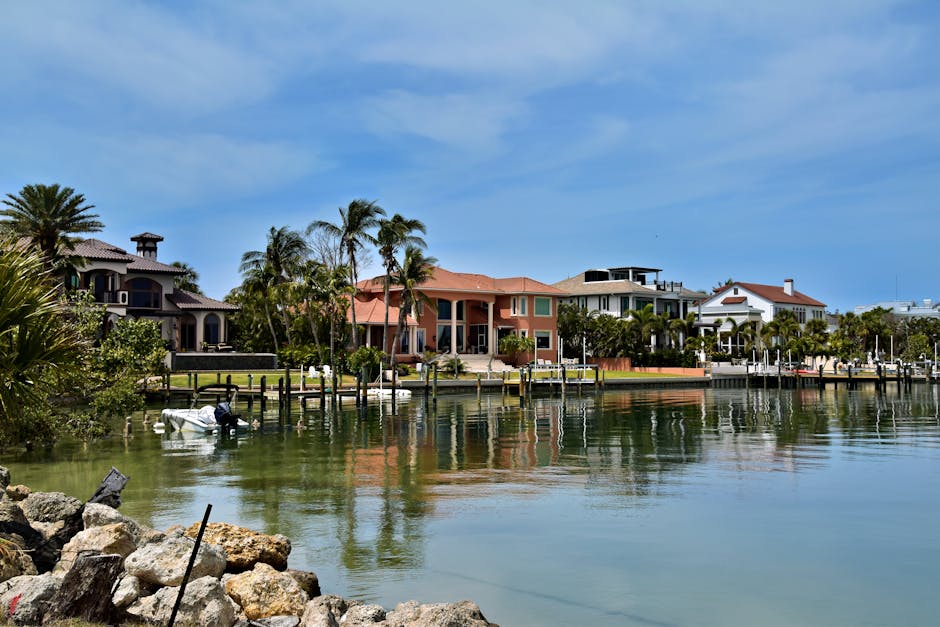
The Tampa luxury real estate landscape is undergoing a fundamental transformation, moving away from its historical status as a secondary or seasonal market. Data suggests that high-net-worth individuals are no longer viewing the region solely as a winter retreat or a tax-efficient refuge. Instead, as noted by the National Law Review, the waterfront has emerged as a primary residence market for executives and entrepreneurs seeking long-term stability. This shift is reflected in the demand for properties that accommodate full-time residency, such as larger home offices, integrated smart-home technologies, and permanent wellness suites.
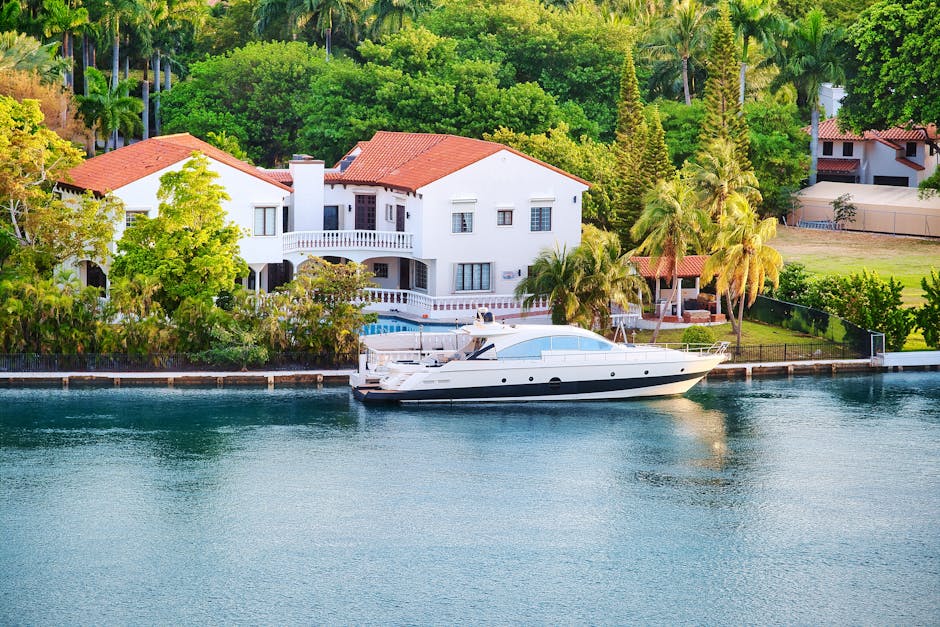
While national housing trends have shown signs of cooling due to interest rate sensitivities, the local market demonstrates significant divergence. The Business Journals recently reported that the Tampa luxury segment remains robust, insulated by a consistent influx of domestic migration and a limited supply of truly premium inventory. Buyers currently navigating this space face a median list price of approximately $2,500,000, though the average list price often exceeds $3,310,000, signaling a heavy concentration of ultra-high-end assets at the top of the curve. Understanding this pricing disparity is essential for accurate valuation during the negotiation phase.
For the sophisticated investor, the current environment demands an analytical approach to neighborhood selection. Areas like Davis Islands and Bayshore Boulevard continue to command the highest premiums, yet the lack of available land is pushing new development into adjacent corridors. We are seeing increased interest in properties like those found on Memorial Highway, where land value often rivals the existing structure, presenting a unique opportunity for custom redevelopment. This movement suggests that the floor for entry-level luxury is rising, making early identification of emerging sub-pockets a critical strategy for capital preservation.
Neighborhood Dynamics and Asset Valuation Realities
In the current climate, valuation is less about broad market trends and more about specific site attributes. Waterfront frontage, depth of water for vessel navigation, and the quality of coastal protection (seawalls and riprap) are the primary drivers of price per square foot. Recent transactions, such as the most expensive luxury home sales of 2025 recorded by the Tampa Bay Times, highlight a premium paid for architectural pedigree and immediate move-in readiness. Properties like the $2,650,000 residence on Troutwater Lane exemplify the modern demand for privacy coupled with water access.
Buyer behavior is shifting toward a preference for turnkey acquisitions over long-term renovation projects. The logistical challenges and rising costs of custom construction have made ready-to-occupy homes, like those on Gardner Road listed at $3,000,000, highly competitive. When a property meets the aesthetic and functional requirements of a modern primary residence, it frequently attracts multiple offers despite the higher price point. This trend reinforces the importance of moving quickly on high-quality inventory, as the supply of modern, wide-waterfront estates remains near historic lows.
Conversely, the land-play segment remains active for those with a three-to-five-year horizon. Large parcels, particularly those with over an acre of waterfront access, are increasingly scarce. These assets are being acquired not for their current utility, but for their future capacity to host 10,000-square-foot-plus estates. Advisors are seeing a trend where buyers acquire older 1980s-era structures specifically to demolish and rebuild, effectively betting on the continued appreciation of the dirt itself rather than the improvement. This requires a deep understanding of local zoning and setback regulations to ensure the intended project is feasible.
The Early-Stage Luxury Condo Market Opportunity
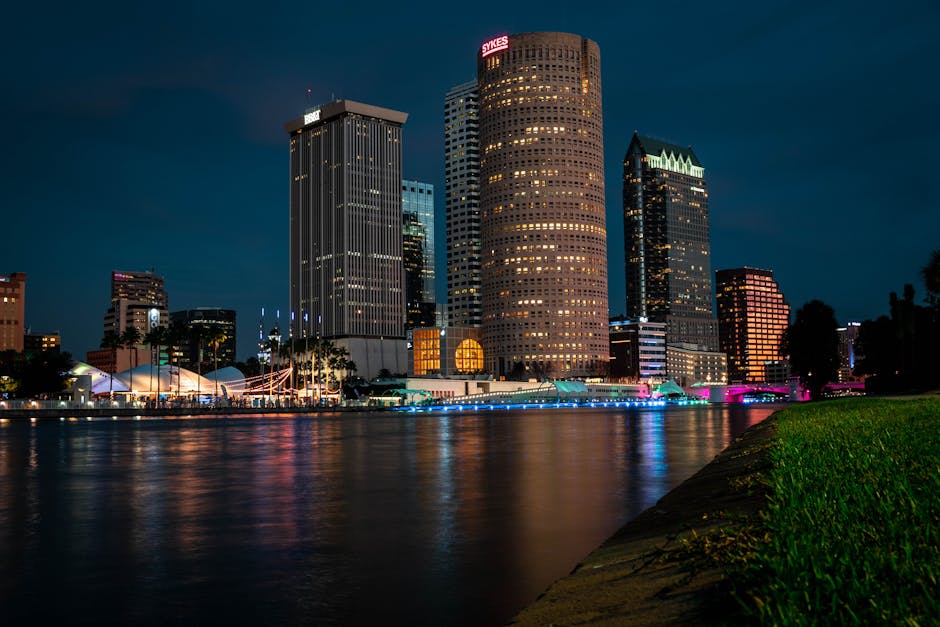
While the single-family market is mature, the vertical luxury segment in Tampa is still in its infancy compared to other major coastal hubs. Industry analysis from Tampa Bay Business & Wealth suggests that the region remains an early-stage luxury condo market. This presents a strategic entry point for buyers who prefer the low-maintenance lifestyle of high-rise living but want to capitalize on the growth trajectory of a developing skyline. Newer developments in Water Street and the Westshore Marina District are beginning to offer the level of amenities—concierge services, private rooftop clubs, and high-security access—that were previously only found in Miami or New York.
Evaluating a condo acquisition in this market requires a different set of metrics than a single-family home. One must consider the long-term viability of the homeowners association (HOA), the track record of the developer, and the potential for future vertical construction to obstruct views. In an early-stage market, the first movers often secure the best sightlines and floor plans, which typically retain their value most effectively during market corrections. As the skyline becomes more crowded, the scarcity of unobstructed views of Hillsborough Bay or the Downtown skyline will become the ultimate arbiter of resale value.
Furthermore, the integration of retail and residential components in new developments is redefining the urban core. The walkability factor is becoming a significant driver for luxury buyers who previously preferred the seclusion of gated estates. This shift toward an “urban-luxe” lifestyle is attracting a younger demographic of wealth, often tied to the growing tech and financial services sectors in the city. For these buyers, proximity to high-end dining, cultural venues, and the Tampa Riverwalk is just as valuable as the internal square footage of the unit.
Essential Waterfront Acquisition Checklist
Navigating a waterfront purchase requires technical due diligence that goes beyond the standard home inspection. Below are the critical factors that high-net-worth buyers must verify before committing to an acquisition in the local market.
- Seawall and Dock Integrity: Verify the age, material, and structural stability of the seawall, as replacement costs can exceed six figures.
- Riparian Rights and Navigability: Confirm that the property includes the legal right to build a dock and that water depths are sufficient for your specific vessel at low tide.
- Flood Mitigation and Insurance Tiering: Analyze the current elevation certificates and understand the implications of updated FEMA flood maps on insurance premiums.
- Setback and Zoning Restrictions: Identify the municipal limits for pool placement, accessory structures, and the maximum allowable building height.
- Environmental Regulations: Ensure compliance with local codes regarding mangroves, seagrass, and protected wildlife habitats.
By addressing these variables early in the due diligence period, buyers can mitigate the risk of unforeseen capital expenditures. It is also recommended to consult with a specialized coastal engineer when evaluating older seawalls, as the cost of a catastrophic failure far outweighs the price of a professional assessment. In many cases, these technical findings can serve as powerful leverage during final price negotiations.
Market Resilience and Macro-Economic Factors
The resilience of the Tampa market is bolstered by its diverse economic base. Unlike some luxury enclaves that rely solely on tourism or a single industry, this region has become a hub for professional services, healthcare, and logistics. According to Florida Trend, the state’s continued pro-business environment and lack of state income tax are persistent catalysts for wealth migration. This institutional stability provides a safety net for property values, as the buyer pool is not entirely dependent on the fluctuating fortunes of the stock market or national housing sentiment.
Inventory levels are the most critical metric to watch over the next 24 months. While there has been a slight increase in active luxury listings—currently hovering around 120 units—this remains well below the levels needed to shift toward a buyer’s market. The scarcity of high-quality, modern inventory in prime locations like Beach Park or Palma Ceia ensures that well-priced homes continue to sell within a reasonable timeframe. Buyers should be wary of over-analyzing the market to the point of missed opportunity; in a supply-constrained environment, the cost of waiting often exceeds the benefit of a minor price correction.
Interest rate fluctuations, while impactful for the broader market, have a muted effect on the luxury segment where cash transactions or asset-backed lending are more common. However, these rates do influence the secondary market, which can indirectly affect luxury liquidity. A sophisticated buyer will monitor the spread between the median list price and the final sale price to gauge local sentiment. Current data indicates that while there is more room for negotiation than in the frenzy of previous years, the most desirable assets still trade at or very near their asking price.
The Cultural Integration of Luxury Living
Owning a home in Tampa is about more than just the real estate; it is about integration into a rapidly evolving social and cultural fabric. The region hosts a variety of world-class events that enhance the value of the lifestyle. For instance, the influx of tens of thousands of visitors for major concerts and high-profile weekend events brings significant national attention to the area’s infrastructure and amenities. From major festivals to the high-end dining scene in Hyde Park Village, the social utility of the region is a major draw for affluent families.
For those looking for weekend activities, the local scene offers a sophisticated mix of professional sports, performing arts, and outdoor pursuits. Events like the annual Gasparilla celebrations or the many festivals and cultural gatherings throughout the month provide a sense of community that is often lacking in more transient luxury markets. This sense of place is a key driver for buyers who are moving their primary base of operations to the area, as it offers a complete lifestyle package for both work and leisure.
Ultimately, the decision to acquire property in this market should be viewed through the lens of long-term utility. The combination of limited waterfront inventory, a strengthening primary-market status, and a robust economic outlook makes the region one of the most compelling luxury real estate environments in the country. By focusing on asset quality, technical due diligence, and neighborhood-level movement, buyers can secure a legacy property that serves as both a private sanctuary and a sound capital investment.
Success in this competitive landscape requires an advisor who understands the nuances of the local market and can provide the analytical depth needed for complex transactions. We invite you to explore our curated selection of Tampa luxury listings to identify properties that align with your requirements. Once you have narrowed your search, contact our advisory team to schedule a private consultation and begin the process of securing your position in the Tampa waterfront market.
Your next move in Tampa luxury
Get current inventory, pricing guidance, and private-tour support from our brokerage team.
Source highlights
- Tampa Bay’s most expensive luxury home sales of 2025 – Tampa Bay Times
- Tampa Bay luxury market grows stronger despite national declines – The Business Journals
- Why Tampa remains an early-stage luxury condo market – Tampa Bay Business & Wealth
- Tampa Bay’s Waterfront Emerges as a Primary Luxury Real Estate Market – The National Law Review
- Florida Trend Real Estate – Florida Trend
- New Signature Real Estate Team Emerges Across Tampa Bay: The Nick Janovsky Group Launches with Premier Sotheby’s International Realty – citybiz
- Things To Do In Tampa This Weekend: Best Festivals & Events Going On – That's So Tampa
- Things To Do In St Pete This Weekend: Best Festivals & Events Going On In St Petersburg – I Love the Burg



