


The Transition from Emerging to Primary Luxury Market
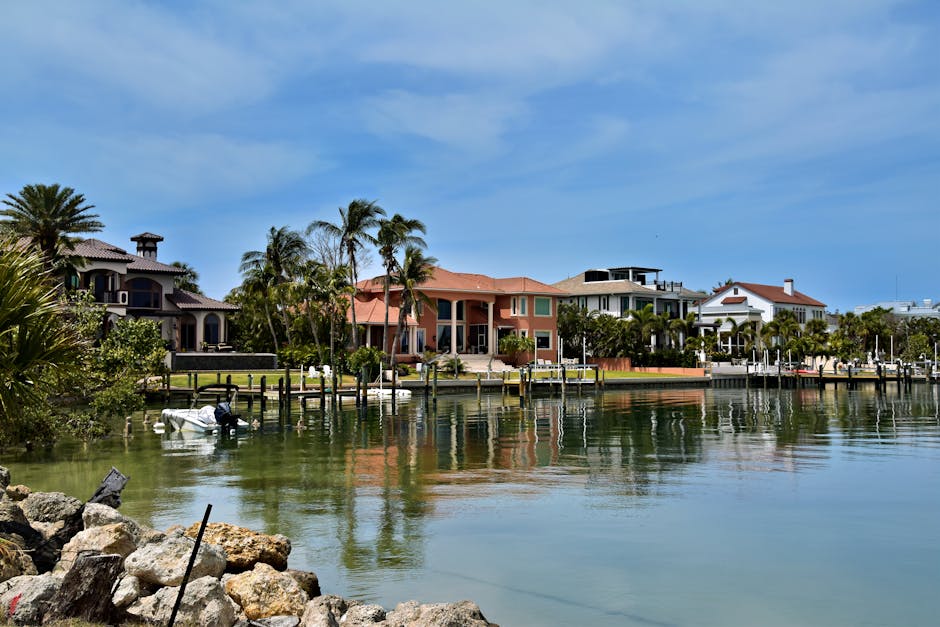
Tampa has fundamentally recalibrated its position within the national luxury landscape. No longer viewed as a secondary alternative to Miami or Palm Beach, the region has matured into a primary destination for high-net-worth capital. This shift is most visible across the waterfront, where the demand for deep-water access and expansive views has reached a critical mass. Recent reports from The National Law Review underscore how the local waterfront has emerged as a dominant force, attracting a sophisticated buyer profile focused on long-term asset preservation rather than speculative growth.
The current inventory reflects this professionalization. With a median list price established at $2,500,000, the market is defined by a concentration of quality over quantity. Buyers are increasingly analytical, prioritizing structural integrity, architectural significance, and proximity to the region’s evolving private social infrastructure. The entry of specialized firms, such as the Nick Janovsky Group, signals a move toward more granular, data-driven advisory services that affluent clients now expect in this high-stakes environment.
The Mechanics of the High-End Condominium Sector
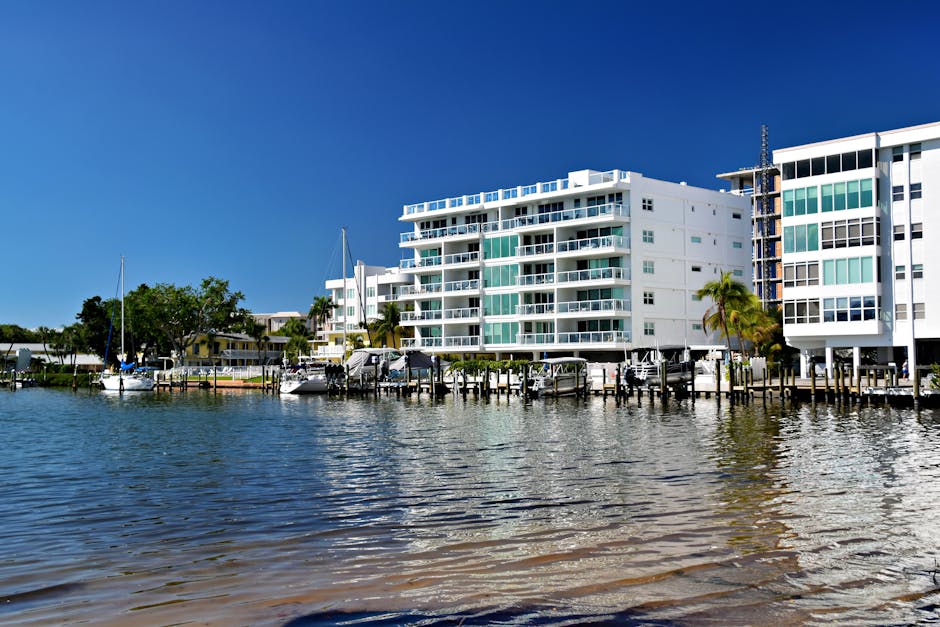
While traditional estates on Davis Islands and Bayshore Boulevard remain the gold standard, the vertical luxury segment is undergoing a significant evolution. Historically, Tampa was considered an early-stage market for luxury condominiums, often lagging behind the dense urban corridors of the Atlantic coast. However, the maturation of Water Street and the Westshore Marina District has provided a proof of concept that has resonated with local and arriving buyers alike. According to insights from Tampa Bay Business & Wealth, the infrastructure supporting these high-rises—including private wellness clubs and concierge-driven lifestyles—is now a primary driver of value.
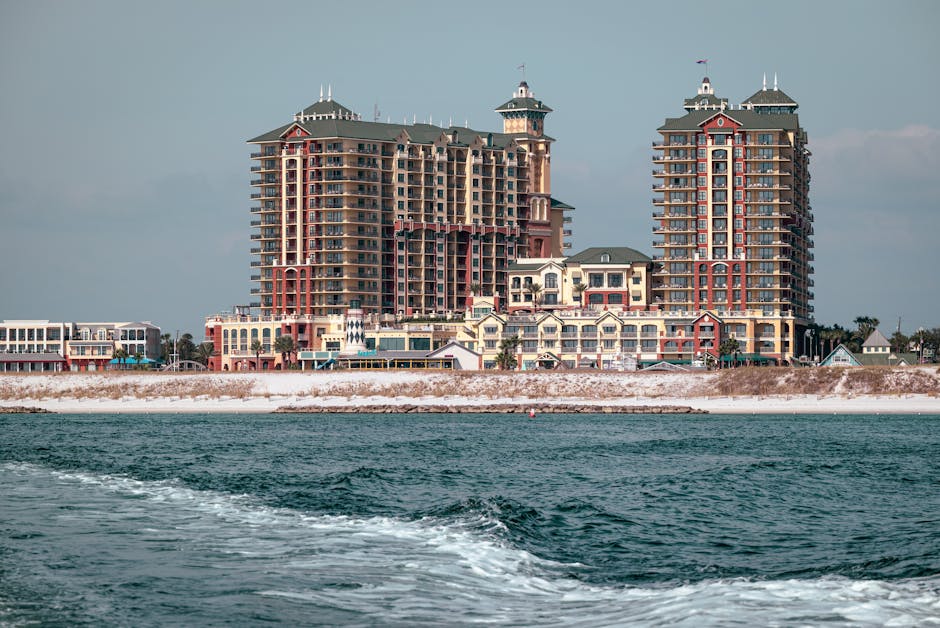
This shift is not merely about height; it is about the redefinition of luxury service. Modern buyers are weighing the maintenance-free appeal of a penthouse against the privacy of a sprawling residential lot. In neighborhoods like Downtown St. Petersburg, we have seen a similar trajectory where the definition of luxury has moved toward integrated living experiences. This cross-bay synergy creates a competitive environment that forces developers to deliver higher finishes and more robust amenities to justify current price points, ensuring that the local market remains resilient even as national trends fluctuate.
Inventory Dynamics: Navigating the $2.5 Million Median
The current snapshot of 120 active luxury units in the core market provides a clear window into current pricing power. While the average list price sits closer to $3.2 million, the median figure of $2,500,000 represents a realistic floor for high-quality residential assets. Notable properties, such as the $3 million offering on Gardner Road or the $3.8 million estate on Memorial Highway, demonstrate the breadth of the current inventory. These are not outlier figures; they represent the new baseline for acreage and significant waterfront frontage in the region.
Understanding these figures requires a move away from generic market reports toward specific asset analysis. A $2.6 million listing on Troutwater Lane may offer a different value proposition—focusing on seclusion and architectural uniqueness—compared to a similarly priced unit in a flagship tower. For the advisor, the task is to identify where value is being protected by scarcity. In Tampa, scarcity is currently defined by finished, move-in-ready inventory that adheres to modern building codes and aesthetic preferences, as buyers are showing a marked aversion to extensive renovation projects in the current labor market.
Evaluating Asset Classes: Estate vs. Vertical Living
Deciding between a traditional estate and a high-rise residence involves more than a preference for views; it is a strategic decision regarding utility and future liquidity. As the market reaches this plateau of maturity, the differences in operational costs and lifestyle flexibility become more pronounced. Investors and primary residents must evaluate how a property aligns with their long-term residency plans and their tolerance for association-governed environments. Consider these primary factors when comparing high-end assets in the current market:
- Fee Structure and Control: Compare the predictability of high-rise HOA fees against the variable maintenance costs of a private waterfront estate.
- Security and Privacy: Evaluate the 24/7 concierge and gated security of towers versus the autonomous privacy of a South Tampa residential lot.
- Renovation Constraints: Vertical living offers less flexibility for structural modification, whereas estates provide long-term expansion potential.
- Resale Velocity: Analyze historical data for specific buildings versus neighborhood-level trends to determine which asset type exits more efficiently.
- Amenity Utilization: Determine if the shared luxury facilities of a condo offset the utility of a private pool, dock, and guest house.
Each of these points represents a significant pivot in the decision-making process. For many, the lock-and-leave capability of a Water Street penthouse outweighs the maintenance requirements of a South Tampa lawn. Conversely, the legacy value of a family compound in Beach Park continues to drive record-breaking sales, as evidenced by the most expensive home sales of 2025 reported by the Tampa Bay Times. Choosing the right path requires an advisor who understands the intersection of lifestyle and equity preservation.
Neighborhood Focus: The Enduring Value of South Tampa
South Tampa remains the epicenter of the region’s residential luxury, though its internal boundaries are shifting. The allure of the Plant High School district continues to support high land values, but we are seeing a migration of interest toward the more secluded pockets of the peninsula. Buyers are looking beyond the traditional prestige of a street name, focusing instead on street elevation and the proximity to the city’s newest commercial hubs. The development of high-end retail and dining has effectively extended the “prime” area of South Tampa, making neighborhoods once considered peripheral now highly desirable for their quietude and accessibility.
The behavior of the modern Tampa buyer is increasingly focused on the quality of the surrounding environment. This is not just about the house; it is about the ease of navigating the city during major events. Whether it is the influx of visitors for a packed K-Pop weekend or the local bustle of a downtown festival, the ability to access private enclaves without significant disruption is a luxury in itself. This logistical consideration is a frequent topic in our advisory sessions, as it directly impacts the daily utility of the residence.
Market Velocity and Lifestyle Infrastructure
April in Tampa serves as a barometer for the market’s health, coinciding with high visibility and significant cultural activity. The climate—consistently hovering near 30 degrees Celsius (mid-80s Fahrenheit) this week—complements the city’s outdoor-centric luxury. This is the season when the waterfront assets are most effectively showcased, and the city’s events, such as Record Store Day celebrations, highlight the cultural depth that now supports high-end residency. A luxury market cannot exist in a vacuum; it requires a sophisticated cultural and commercial backbone to thrive, and Tampa has successfully built that foundation over the last three years.
For those observing the market from a distance, the velocity of sales in the $2 million to $5 million range is the most telling metric. These properties are moving with purpose, often to buyers who have already identified the specific neighborhood and architectural style they require. This decisiveness is a hallmark of a mature market. We are seeing less “window shopping” and more targeted acquisition, as buyers understand that despite the increase in inventory, the supply of truly exceptional assets remains constrained. Navigating this environment requires a proactive stance and a deep understanding of off-market opportunities that often represent the highest tier of the region’s offerings.
Strategic Positioning for the Current Market Cycle
Navigating the Tampa luxury landscape requires a departure from broad market assumptions toward a more clinical, asset-specific strategy. Whether you are liquidating a legacy waterfront estate or acquiring a modern vertical residence, the success of the transaction depends on accurate valuation and an understanding of shifting buyer priorities. The current median list price of $2.5 million provides a useful benchmark, but the true value of a property is found in its specific location, its architectural integrity, and its ability to serve as a stable vessel for capital. In a market this dynamic, passive observation is rarely a successful strategy for wealth preservation.
To understand how these market movements impact your specific real estate goals, we invite you to consult with a dedicated advisor. Our team provides the analytical depth and local perspective required to navigate the complexities of South Tampa and the surrounding waterfront enclaves. To begin your search, you may browse our current luxury listings or contact an advisor directly to schedule a confidential strategy session. We remain focused on providing the clarity and data-backed guidance necessary for informed decision-making in the Tampa high-end market.
Your next move in Tampa luxury
Get current inventory, pricing guidance, and private-tour support from our brokerage team.
Source highlights
- Tampa Bay’s most expensive luxury home sales of 2025 – Tampa Bay Times
- Downtown St. Pete's definition of luxury condos shifts as the city evolves – The Business Journals
- Why Tampa remains an early-stage luxury condo market – Tampa Bay Business & Wealth
- Tampa Bay’s Waterfront Emerges as a Primary Luxury Real Estate Market – The National Law Review
- Florida Trend Real Estate – Florida Trend
- New Signature Real Estate Team Emerges Across Tampa Bay: The Nick Janovsky Group Launches with Premier Sotheby’s International Realty – citybiz
- Tampa officials expect heavy traffic, tens of thousands of visitors over a packed K-Pop weekend – wtsp.com
- From Blues to BBQ: Tampa’s can’t-miss events this weekend – WMNF 88.5 FM



