


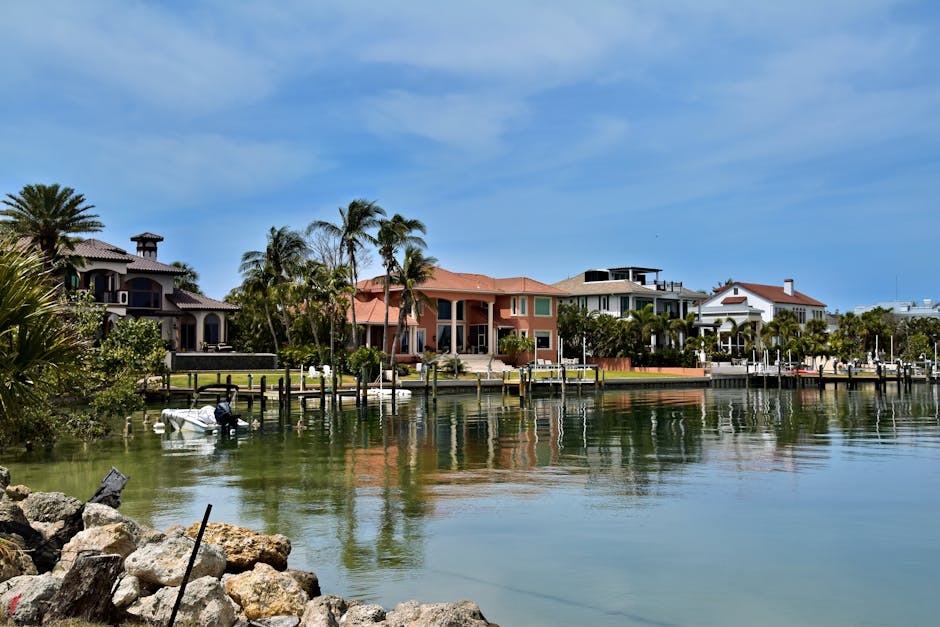
The Resilient Trajectory of Tampa’s Luxury Sector
The Tampa luxury market has transitioned from a period of rapid acceleration into a phase of sophisticated maturation. While broader national trends have shown signs of cooling, the local landscape continues to demonstrate remarkable strength. Current data reflects a robust inventory of approximately 120 active luxury listings, with a median list price established at $2,500,000. This stability is not incidental; it is the result of sustained capital inflow and a fundamental shift in how high-net-worth individuals view the region as a primary residential hub rather than a seasonal retreat.
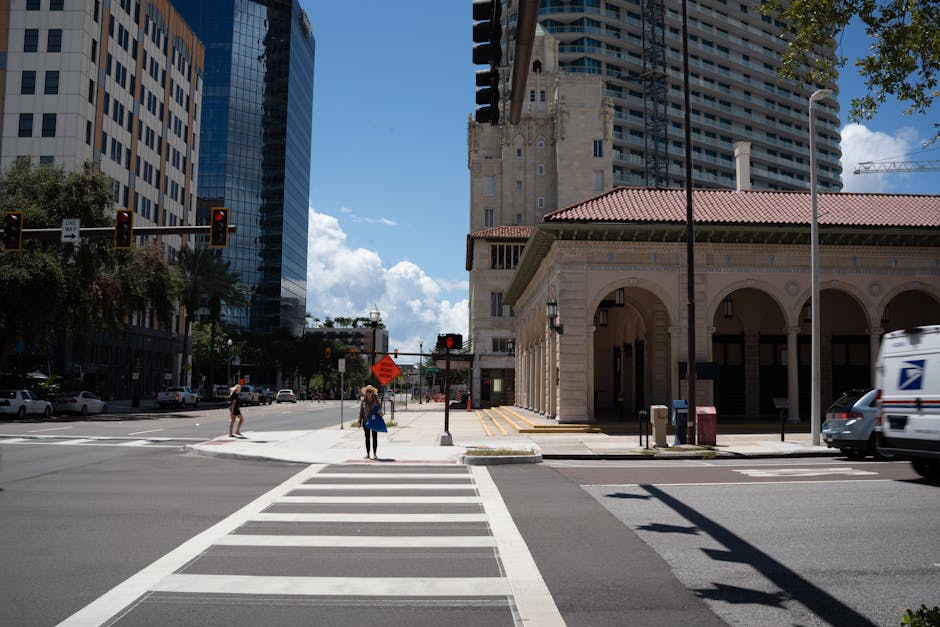
Sophisticated buyers are increasingly ignoring broader headlines and focusing on the localized micro-markets within South Tampa and the surrounding waterfront corridors. According to reports from The Business Journals, Tampa’s high-end segment remains resilient, outperforming many peer cities. The average list price in the luxury tier now exceeds $3,280,000, signaling a buyer pool that prioritizes architectural integrity and location over speculative gains. This spring, as temperatures hover comfortably in the low 80s, we are seeing a consistent volume of inquiries for trophy properties that rarely reach the open market.
The current environment requires a nuanced understanding of value. We are moving away from the “buy anything” mentality of previous years. Discerning advisors now focus on properties that offer long-term utility, such as those found in established enclaves like Beach Park and Culbreath Isles. Identifying these opportunities requires a rigorous analysis of historical price floors and projected infrastructure improvements. For those ready to explore current opportunities, reviewing listings for sale provides a clear window into the caliber of inventory available in 2026.
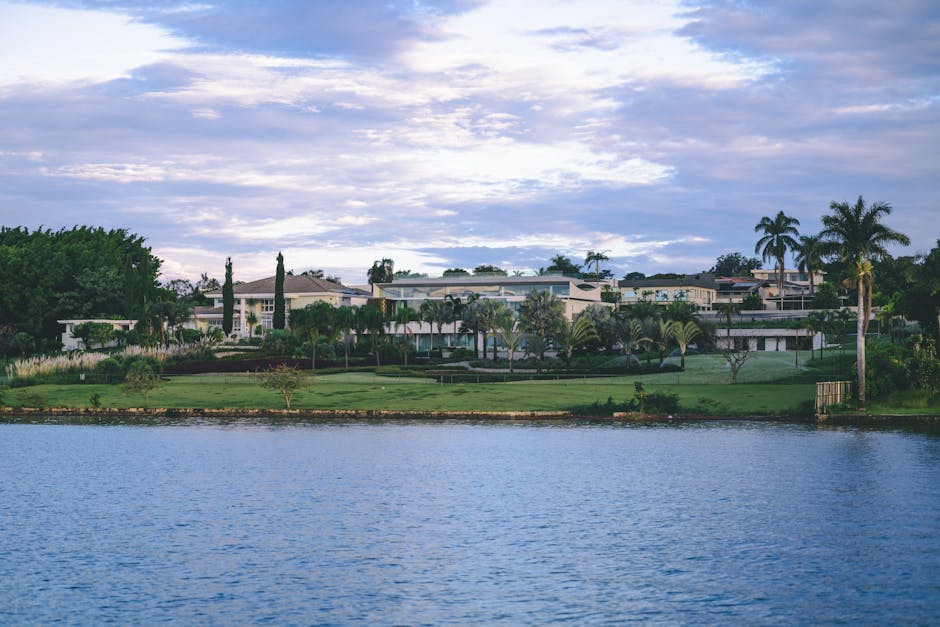
Waterfront Development and the Shift to Primary Residency
The emergence of Tampa’s waterfront as a primary luxury real estate market has redefined the city’s skyline and its residential priorities. Historically, waterfront assets were often viewed as secondary homes, but recent shifts in work-life integration have turned areas like Davis Islands and the Westshore corridor into year-round command centers for executives and entrepreneurs. The National Law Review has highlighted this trend, noting that the demand for sophisticated maritime access combined with urban proximity is at an all-time high. This is particularly evident in the competition for deep-water lots that can accommodate larger vessels.
This shift toward primary residency means that buyers are looking for more than just a view. They are seeking advanced home automation, expansive home offices, and high-performance building materials capable of withstanding the humid subtropical climate. The preference is clearly leaning toward modern coastal aesthetics and West Indies-inspired architecture that blends indoor and outdoor living seamlessly. We have observed that properties featuring extensive sea-wall reinforcements and elevated living spaces are fetching significant premiums, as buyers prioritize risk mitigation and longevity.
Buyer behavior in the waterfront sector has also become more decisive. When a property like those on Troutwater Lane or Gardner Road enters the market at the $3,000,000 mark, it is often vetted by multiple parties within days. These are not emotional purchases; they are strategic acquisitions by individuals who recognize the finite nature of Tampa’s coastline. The focus has moved from simple square footage to the quality of the shoreline and the proximity to the city’s growing culinary and cultural centers.
The Evolving Vertical Landscape: Beyond the High-Rise
While single-family estates remain the bedrock of the local market, the luxury condo sector is entering an early-stage maturation that offers unique advantages for a specific demographic. Unlike the saturated markets of South Florida, Tampa’s high-rise inventory remains relatively constrained, which has helped maintain price integrity and exclusive appeal. Tampa Bay Business & Wealth notes that the region is still in the nascent stages of its vertical luxury evolution, suggesting room for growth in services and amenities that cater to ultra-high-net-worth residents.
Bayshore Boulevard continues to be the most coveted address for vertical living. The appeal lies in the combination of panoramic views of Hillsborough Bay and direct access to the world’s longest continuous sidewalk. Modern developments here are prioritizing privacy and low-density living, with some projects offering only one or two residences per floor. This boutique approach is a direct response to the requirements of buyers moving from large estates who desire the convenience of a managed property without sacrificing the seclusion they are accustomed to.
The transition to a luxury condo often involves a shift in focus toward lifestyle services. Concierge capabilities, climate-controlled storage for private collections, and sophisticated wellness centers have become standard requirements. We are seeing a significant increase in “lock-and-leave” buyers—individuals who maintain multiple residences and require a secure, low-maintenance base in Tampa. This segment of the market is particularly sensitive to the quality of the building’s management and the long-term viability of the homeowners’ association.
Critical Considerations for High-Value Acquisitions
Navigating a multi-million dollar acquisition in the current market requires a disciplined approach to due diligence. Beyond the aesthetic appeal of a property, seasoned buyers must evaluate the structural and legal framework of the asset. This involves looking past the staging to understand the core components that drive long-term value and operational costs. For those entering this space, the following factors should be prioritized during the evaluation phase:
- Evaluation of shoreline stabilization and sea-wall integrity for all waterfront assets.
- Verification of recent elevation certificate data to assess long-term insurance implications.
- Review of historical price per square foot trends within specific sub-neighborhoods.
- Assessment of smart-home integration and the scalability of existing technology.
- Analysis of surrounding land use and potential future developments that may impact privacy.
- Audit of high-efficiency HVAC systems and building envelope performance in coastal conditions.
Each of these points represents a layer of protection for the buyer’s capital. In a market where record-breaking sales are becoming more frequent—as noted in the Tampa Bay Times regarding the most expensive sales of 2025—the cost of missing a detail during the inspection period can be substantial. It is the role of a senior advisor to ensure that these technical aspects are scrutinized with the same intensity as the home’s design elements.
Neighborhood-Level Nuances: Identifying Sustained Value
South Tampa remains the epicenter of the region’s luxury activity, but the nuances between neighborhoods like Hyde Park and Palma Ceia are becoming more pronounced. Hyde Park continues to attract those who value historic preservation and walkability to high-end retail and dining. In contrast, neighborhoods further south offer larger lot sizes and a more suburban feel while maintaining the prestige of the South Tampa Peninsula. This variety allows buyers to align their real estate holdings with their specific lifestyle needs, whether that involves a historic bungalow or a sprawling contemporary build.
Understanding these micro-markets is essential for predicting appreciation. For instance, the demand for properties in Beach Park is often driven by a desire for larger, more private estates that are still within a ten-minute drive of the airport and the Westshore business district. Meanwhile, Davis Islands offers a unique island lifestyle that is essentially an extension of the downtown core. The lack of through-traffic and the presence of a private airport make it one of the most exclusive enclaves in the Southeastern United States. Analyzing these differences helps in formulating a competitive offer that reflects the true market value of the specific location.
Inventory movement also varies significantly by street. We are seeing that “A-list” streets with established canopies and minimal traffic continue to command a premium, regardless of the age of the structure. Many buyers are purchasing older homes in these prime locations specifically for the land value, intending to build custom residences that meet 2026 standards for luxury and efficiency. This trend reinforces the idea that in Tampa, location remains the most significant driver of sustained value, a sentiment echoed by various Florida Trend real estate reports regarding state-wide investment patterns.
Cultural Integration and the Modern Buyer Profile
The modern luxury buyer in Tampa is deeply integrated into the city’s cultural and social fabric. Real estate decisions are no longer made in a vacuum; they are influenced by the city’s growing reputation as a destination for major events and entertainment. For example, the influx of visitors for events like the upcoming K-Pop weekend, as reported by WTSP, highlights the city’s capacity to host global-scale activities. This vitality adds a layer of intangible value to the surrounding residential areas, making them more attractive to a cosmopolitan buyer base.
Whether it is attending a music festival or a local celebration like the “Blues to BBQ” event, as noted by FOX 13 Tampa Bay, the lifestyle here is defined by its variety and accessibility. For the affluent resident, this means having the ability to transition from a private, gated estate to a world-class venue within minutes. This connectivity is a primary selling point for the region, especially for those relocating from more congested metropolitan areas where such ease of movement is non-existent.
The profile of the Tampa buyer is also becoming more diverse. We are seeing a younger demographic of tech-sector professionals and entrepreneurs who are looking for homes that can serve as both a sanctuary and a networking hub. These buyers are particularly interested in properties that offer unique architectural statements and high-quality finishes. They are not looking for the generic; they are looking for properties that reflect their personal brand and achievements. This has led to an increase in the demand for custom-built homes that offer a higher degree of personalization and sophisticated design.
Strategic Positioning in a Maturing Market
As the Tampa market continues to mature, the importance of strategic positioning cannot be overstated. For sellers, this means ensuring that a property is presented with the highest level of professional marketing and technical data. For buyers, it means having the patience to wait for the right asset and the readiness to move quickly when it appears. The current inventory levels provide enough choice to be selective, but the competition for the most desirable properties remains intense. Success in this environment is less about timing the market and more about time in the market—owning assets in high-demand areas that will appreciate as the city continues its upward trajectory.
The future of Tampa’s luxury real estate looks promising, supported by strong fundamentals and a clear vision for the city’s development. As we look toward the remainder of 2026, we expect to see continued investment in the urban core and the expansion of luxury offerings in the surrounding sub-markets. For those seeking to navigate this complex landscape, the guidance of a seasoned advisor is essential. Whether you are looking to acquire a primary residence or a strategic addition to your portfolio, we invite you to contact an advisor to discuss your specific goals and gain access to the most current market insights. Browsing the latest luxury homes for sale is the first step toward securing your position in one of Florida’s most dynamic markets.
Your next move in Tampa luxury
Get current inventory, pricing guidance, and private-tour support from our brokerage team.
Source highlights
- Tampa Bay’s most expensive luxury home sales of 2025 – Tampa Bay Times
- Tampa Bay luxury market grows stronger despite national declines – The Business Journals
- Why Tampa remains an early-stage luxury condo market – Tampa Bay Business & Wealth
- Tampa Bay’s Waterfront Emerges as a Primary Luxury Real Estate Market – The National Law Review
- Florida Trend Real Estate – Florida Trend
- New Signature Real Estate Team Emerges Across Tampa Bay: The Nick Janovsky Group Launches with Premier Sotheby’s International Realty – citybiz
- Tampa officials expect heavy traffic, tens of thousands of visitors over a packed K-Pop weekend – wtsp.com
- From Blues to BBQ: Tampa’s can’t-miss events this weekend – WMNF 88.5 FM



