


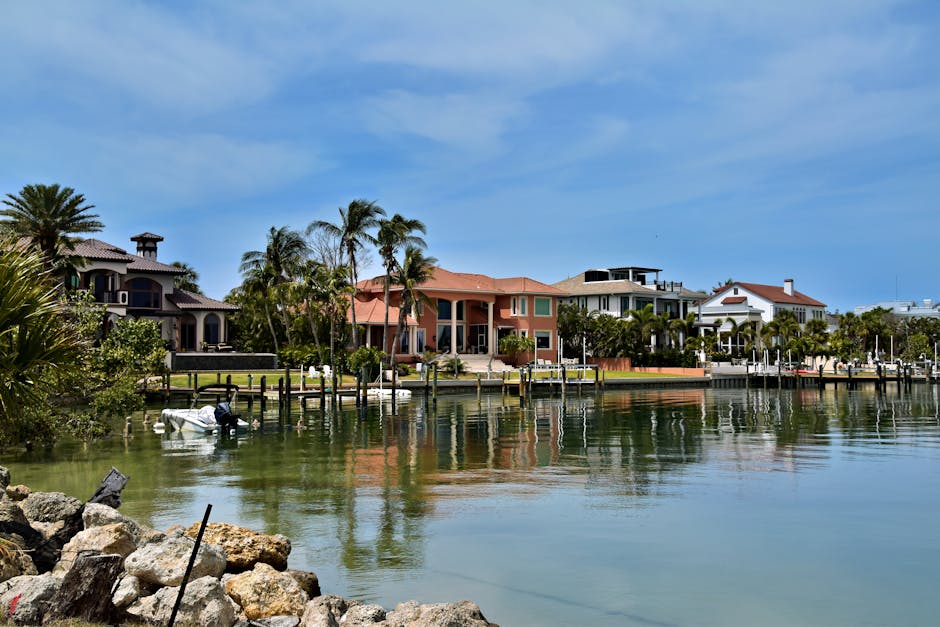
The Structural Shift in Tampa Bay High-End Inventory
The Tampa luxury residential market has undergone a fundamental transformation, moving away from its historical status as a seasonal secondary market toward an established primary residence destination for high-net-worth individuals. Current inventory data reflects this maturation, with a median list price of $2,500,000 for luxury assets and an average list price exceeding $3.2 million. This pricing floor indicates a market that is no longer driven by speculative growth but by a sustained demand for high-utility, permanent housing within the region’s most exclusive enclaves.
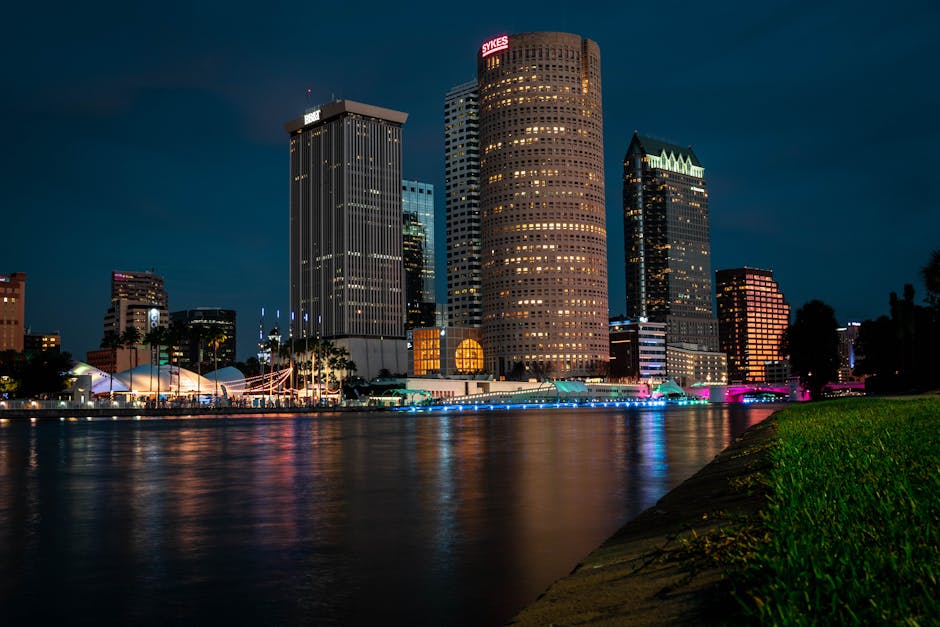
For the discerning buyer, the current volume of approximately 120 active luxury listings represents a selective environment where quality and specific architectural provenance take precedence over sheer quantity. We are seeing a concentration of activity in established neighborhoods such as South Tampa and Davis Islands, where historical land value stability provides a hedge against broader economic volatility. The shift is not merely about price; it is about the integration of professional proximity and private residential exclusivity that the urban core now offers.
As the market evolves, the definition of value is being recalibrated. Buyers are increasingly prioritizing sophisticated home automation, climate-resilient construction, and expansive floor plans that accommodate multi-generational living and integrated home offices. This analytical shift from aesthetic-driven purchasing to utility-driven acquisition defines the 2026 landscape, marking a departure from the rapid-turnover cycles observed in previous years.
Waterfront Dominance and the Riparian Premium
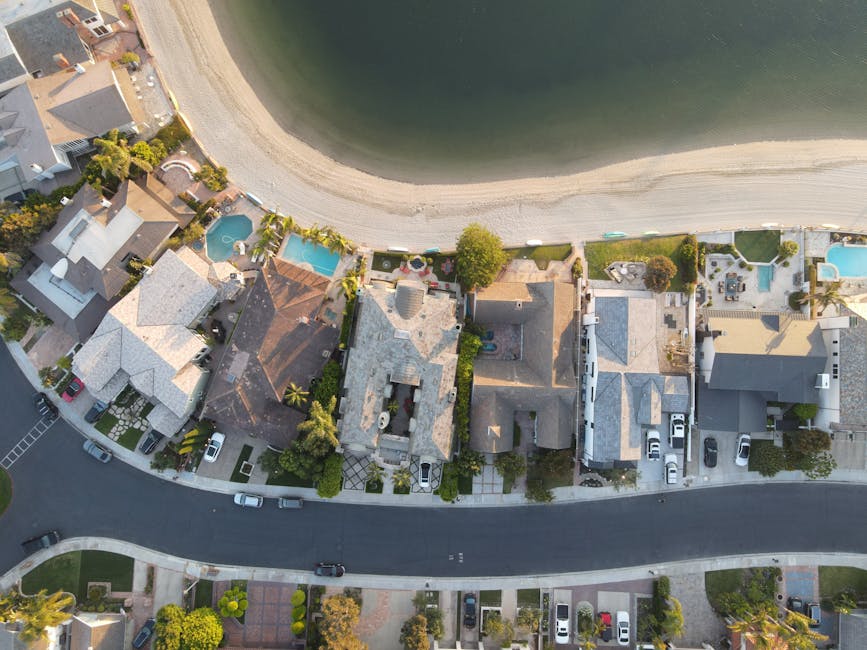
Waterfront assets have emerged as the primary driver of the region’s high-end real estate economy. According to recent analysis by The National Law Review, the Tampa Bay waterfront is now recognized as a primary luxury market, rather than a niche sub-sector. This distinction is critical for investors and residents alike, as it signals a level of institutional confidence that supports long-term valuation growth. The demand for deep-water access and unobstructed views of Old Tampa Bay remains the most consistent variable in high-value transactions.
Acquiring waterfront property in Tampa requires a sophisticated understanding of riparian rights and coastal construction standards. Properties along Bayshore Boulevard and the surrounding canals are currently trading at significant premiums due to their scarcity and the complex regulatory environment governing new builds. Buyers are no longer looking for simple coastal aesthetics; they are verifying sea wall integrity, dock permitting limits, and FEMA-compliant elevation levels before entering into contract negotiations.
Furthermore, the inventory of available waterfront land is reaching a point of absolute scarcity. This has led to a surge in the acquisition of older structures for their land value, followed by the commission of custom estates that utilize modern engineering to maximize both view corridors and storm resistance. The emphasis is on building for permanence, reflecting a buyer base that views Tampa as their long-term home base rather than a temporary southern outpost.
Analyzing the Luxury Condominium Development Pipeline
While single-family estates remain the traditional choice for high-end buyers, the vertical luxury segment is experiencing its own specific evolution. Industry insights from Tampa Bay Business & Wealth suggest that the local condo market is still in its early stages of sophistication compared to global hubs. This early-stage status presents a unique window for buyers to secure prime positions in new developments that are redefining the skyline of the Water Street and Westshore districts.
These new vertical communities are focusing on service-oriented amenities that mirror the five-star hospitality experience. Features such as 24-hour concierge services, private elevators opening directly into residences, and expansive terraces are becoming standard requirements. The appeal lies in the “lock-and-leave” lifestyle, which caters to affluent professionals who require a high-security, low-maintenance residence within walking distance of the city’s evolving dining and cultural centers.
The distinction between the Tampa and St. Petersburg condo markets is also becoming more pronounced. While St. Petersburg offers a high concentration of established luxury towers, Tampa’s developments are often integrated into larger mixed-use master plans, providing a more cohesive urban experience. For those evaluating these options, the decision often comes down to a preference between the historic, neighborhood feel of South Tampa and the high-energy, modern utility of the emerging downtown corridors.
Essential Verification Steps for Luxury Acquisitions
Managing a multi-million dollar real estate transaction requires a rigorous due diligence process that goes beyond standard inspections. Senior advisors emphasize the importance of verifying every technical and legal aspect of the property to ensure capital preservation and long-term satisfaction. This is particularly relevant in the Florida market, where specific environmental and structural factors can significantly impact future ownership costs and resale velocity.
- Verify the current elevation certificate and confirm the property’s status relative to updated flood zone mapping.
- Audit all riparian rights and existing dock permits to ensure compliance with local marine ordinances.
- Request a comprehensive structural assessment focusing on coastal-grade building materials and hurricane-impact ratings.
- Review the property’s historical insurance claims and current premium structures for both wind and flood coverage.
- Analyze neighborhood-level zoning trends to identify any planned commercial or infrastructure developments that could impact privacy.
- Examine the property tax history and calculate the impact of the Florida Homestead exemption for primary residents.
This checklist serves as the foundation for a professional acquisition strategy. By addressing these variables early in the process, buyers can avoid common pitfalls associated with high-value coastal properties and negotiate from a position of data-backed strength. The goal is to move beyond the visual appeal of a property and understand its functional integrity as a financial and residential asset.
The Primary Residence Migration and Neighborhood Retention
The migration of affluent buyers from high-tax states in the Northeast and Midwest has transitioned from a trend to a permanent demographic shift. This influx is supported by Florida’s favorable tax environment and the increasing robustness of the local economy. Reports from Florida Trend highlight the continued strength of the state’s real estate sector as it adapts to this new volume of permanent residents. In Tampa, this is manifesting as a high retention rate within the luxury market, with families choosing to upgrade within the city rather than relocating out of the region.
This neighborhood retention is particularly visible in areas like South Tampa, where the quality of local schools and the proximity to the Westshore business district create a self-sustaining ecosystem of demand. The buyer behavior we are observing is one of long-term commitment; individuals are investing heavily in customized renovations and landscaping, signaling their intent to remain in these properties for a decade or more. This stability is a key indicator of market health, contrasting with more volatile markets that rely on speculative flipping.
Market movement is also influenced by the region’s expanding infrastructure and social calendar. Major events and the development of new lifestyle anchors, such as the upcoming Memorial Day weekend activities, continue to enhance the city’s profile as a world-class destination. This combination of economic stability and lifestyle utility makes Tampa a compelling choice for those seeking to relocate their primary interests to a more favorable environment without sacrificing metropolitan amenities.
Valuation Trends: Beyond the Median List Price
While the median list price provides a useful baseline, truly understanding the Tampa luxury market requires a deeper look at specific high-value transactions. As noted by the Tampa Bay Times in their review of the most expensive sales, the top end of the market is consistently pushing new boundaries. Properties that offer a combination of historical significance, waterfront positioning, and modern luxury features are achieving record-breaking numbers, often selling before they are officially listed on the public market.
This off-market activity is a hallmark of a mature luxury sector. Advisors who are deeply integrated into the local network often facilitate these quiet transactions, which prioritize privacy for both the buyer and seller. For those entering the market, this means that the public inventory may only represent a portion of the available opportunities. Understanding the nuances of these elite sales helps in calibrating expectations for custom-built estates and rare waterfront parcels.
Current valuation trends also suggest a growing premium for “move-in ready” properties. With construction costs and timelines remaining a significant variable, fully renovated or newly built homes are commanding higher prices per square foot than those requiring substantial work. Buyers are willing to pay for the convenience of immediate occupancy and the assurance that the property meets the latest standards in technology and design. This focus on immediate utility is a direct result of the primary resident buyer base that seeks a seamless transition into their new environment.
Strategic Navigation for the Discerning Advisor
Success in the Tampa luxury real estate market requires more than just a search for properties; it requires a strategic partnership with an advisor who understands the local nuances, technical requirements, and long-term valuation drivers. The market is increasingly segmented, and a one-size-fits-all approach is no longer effective for high-net-worth acquisitions. Whether evaluating a historic estate in the waterfront districts or a penthouse in an emerging urban tower, the decision must be grounded in empirical data and professional insight.
The 2026 outlook for Tampa remains strong, characterized by limited inventory in high-demand areas and a steady influx of capital from primary residence buyers. This environment favors the patient, informed investor who is prepared to act decisively when the right asset becomes available. By focusing on quality, verification, and strategic location, buyers can secure a residence that serves as both a private sanctuary and a cornerstone of their financial portfolio in one of the country’s most resilient markets.
To identify current opportunities that align with your specific criteria, we invite you to browse our curated LISTINGS URL. Our team provides the analytical depth and local expertise required to navigate these complex transactions with confidence. For a private consultation to discuss your acquisition strategy or to explore off-market inventory, please reach out to an advisor through our CONTACT URL. We are prepared to assist you in securing a primary residence that meets the highest standards of luxury and utility.
Your next move in Tampa luxury
Get current inventory, pricing guidance, and private-tour support from our brokerage team.
Source highlights
- Downtown St. Pete's definition of luxury condos shifts as the city evolves – The Business Journals
- Tampa Bay’s most expensive luxury home sales of 2025 – Tampa Bay Times
- Tampa Bay’s Waterfront Emerges as a Primary Luxury Real Estate Market – The National Law Review
- Florida Trend Real Estate – Florida Trend
- Sarasota developer proposes 300 single-family homes in Lakewood Ranch – The Business Journals
- Why Tampa remains an early-stage luxury condo market – Tampa Bay Business & Wealth
- WWE announces Memorial Day weekend takeover in Tampa – WWE
- Things to do with kids this weekend in Tampa, FL – That's So Tampa



