


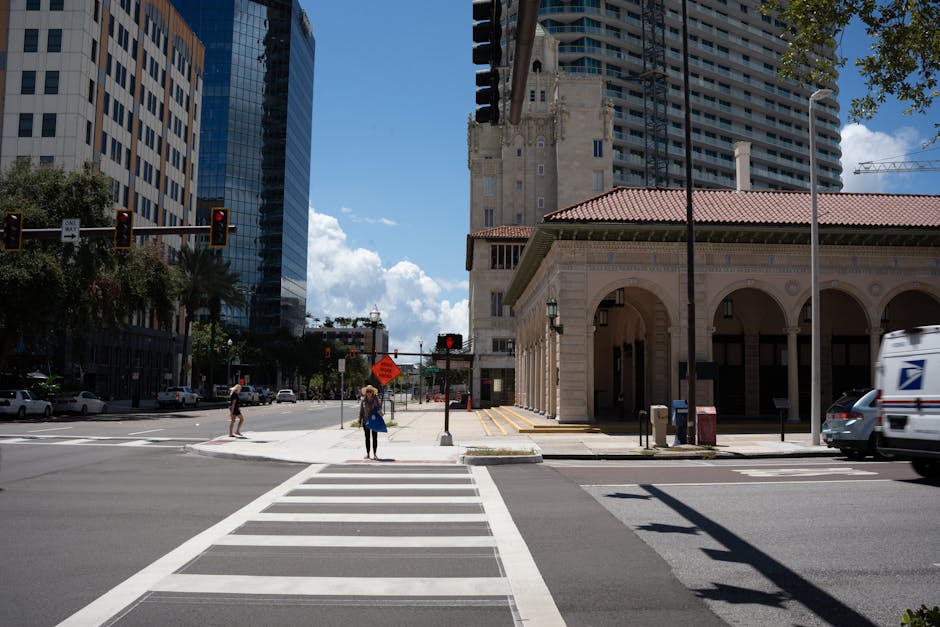
The Transition from Seasonal Retreat to Primary Luxury Hub
The Tampa Bay real estate landscape is currently undergoing a fundamental structural shift. Historically viewed as a secondary market or a seasonal destination, the region has matured into a primary luxury hub. This evolution is driven by a sustained influx of high-net-worth individuals who are no longer looking for mere vacation properties but are instead establishing permanent residences. This shift has profound implications for asset valuation, as the demand for high-spec infrastructure and professional-grade home offices now rivals the traditional demand for leisure amenities.
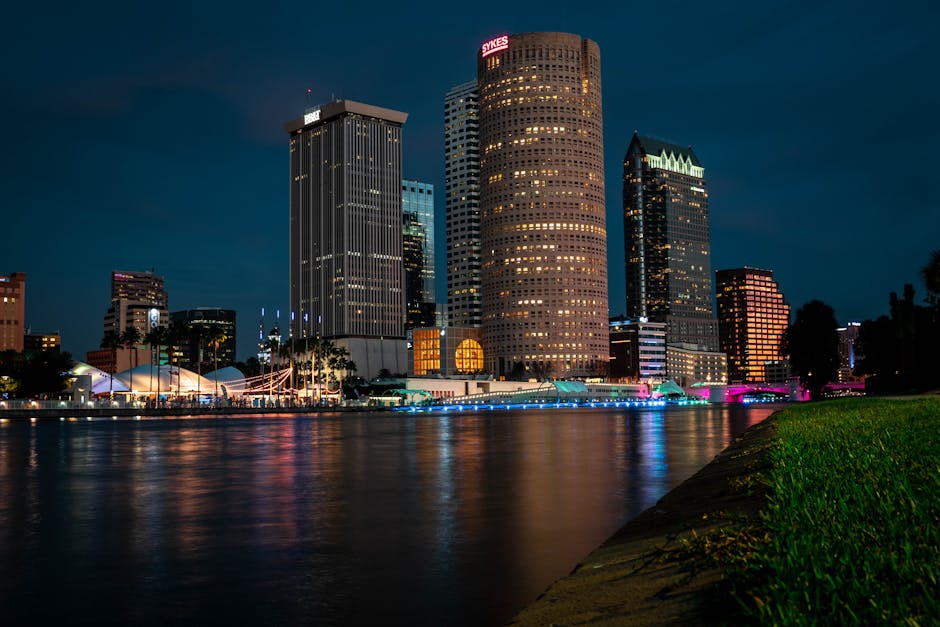
According to recent analysis from The National Law Review, the emergence of the waterfront as a primary market signals a change in buyer psychology. Acquisitions are increasingly viewed through the lens of long-term capital preservation rather than speculative short-term gains. This stability is reflected in the current median list price of $2,499,000, a figure that underscores the professionalization of the local luxury sector. Buyers are now prioritizing properties that offer seamless integration with the growing corporate and tech corridors of the region.
As the market matures, the definition of value is being recalibrated. We are seeing a move away from the sprawling, maintenance-heavy estates of the past toward more efficient, technologically advanced residences. The focus has shifted to the quality of the ‘build’ and the long-term viability of the location. For the sophisticated buyer, the priority is now on finding assets that can serve as both a private sanctuary and a high-functioning base for international business operations, a trend that is visible across current listings.
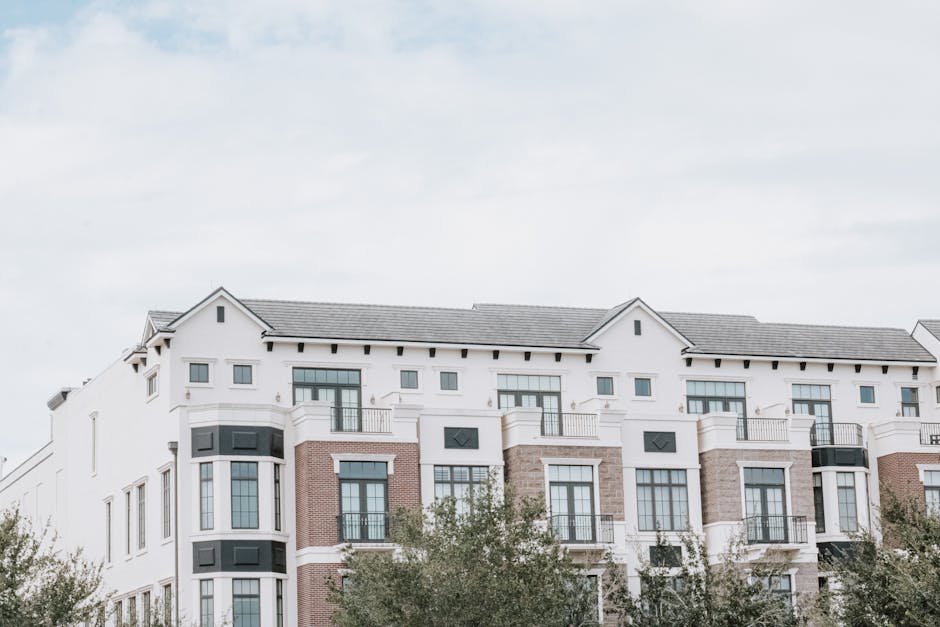
Evaluating the Early-Stage Luxury Condominium Sector
While single-family homes remain a staple of the Tampa luxury experience, the high-rise sector is entering an intriguing phase of development. Analysts often describe Tampa as being in an ‘early-stage’ luxury condo market compared to more established metros like Miami or New York. This presents a unique window for buyers to secure prime positions in buildings that are redefining the skyline. These developments are not just about height; they are about providing a level of service and security that was previously unavailable in the local market.
A recent report by Tampa Bay Business & Wealth highlights that the lack of legacy inventory in the condo sector allows for more innovative architectural standards. New projects in areas like Water Street and the downtown periphery are incorporating wellness-focused amenities and sustainable building practices that appeal to a younger, more environmentally conscious demographic of wealth. This is a significant departure from the ‘gold-leaf’ aesthetics of the early 2000s, moving instead toward a minimalist, high-materiality design language.
Navigating this sector requires a keen understanding of developer track records and future pipeline density. As the city evolves, the ‘definition of luxury’ in these vertical communities is shifting toward exclusive access and privacy. For those comparing high-rise living to traditional estates, the trade-off is often found in the reduction of personal management overhead. However, verifying the long-term management contracts and HOA stability remains a critical step for any advisor assisting in a condo acquisition in the St. Petersburg or Tampa core.
Waterfront Asset Valuation in the Current Inventory Climate
Waterfront property in Tampa has always commanded a premium, but the current climate has introduced new variables into the valuation equation. With a median list price of approximately $3,269,362 for high-end properties, the distinction between ‘view’ and ‘access’ is becoming more pronounced. Buyers are increasingly discerning about seawall integrity, dockage depth, and the specific exposure of the lot. A property like the $3,800,000 listing on Memorial Highway serves as a benchmark for how modern buyers evaluate land value versus existing structural utility.
The inventory of 120 active luxury listings suggests a market that is balanced but leans toward the seller in highly coveted pockets of South Tampa and Davis Islands. Buyers are looking for properties that have already undergone significant climate-resilient upgrades. This includes elevated living floors and advanced drainage systems. The Tampa Bay Times recently noted that the most expensive sales of the past year were characterized by their readiness—homes that required no immediate remediation and offered modern, fortified construction.
When evaluating these assets, it is essential to look beyond the aesthetic finishes. The real value often lies in the invisible infrastructure. Sophisticated advisors now recommend looking at the age of the roof, the rating of the impact windows, and the elevation certificate as the primary drivers of price negotiations. In a market where a Troutwater Lane property can list for $2,650,000, the difference in value often comes down to the quality of the shoreline stabilization and the ability to accommodate larger vessels, which remains a key driver for the local buyer base.
Strategic Due Diligence for the Affluent Buyer
In a market as nuanced as Tampa’s, a standardized approach to due diligence is insufficient. The complexity of local building codes, combined with the unique environmental considerations of the Florida coast, necessitates a more rigorous investigation process. Successful acquisitions are built on a foundation of data, moving past the emotional appeal of a property to verify its long-term viability as an investment. This is particularly true for properties in established neighborhoods like Palma Ceia or Hyde Park, where the charm of older architecture must be balanced against the realities of modern insurance requirements.
- Verify the remaining useful life of all major mechanical systems, including HVAC and pool filtration.
- Review the elevation certificate and current flood insurance premiums to project long-term carrying costs.
- Analyze the neighborhood’s recent permit history to identify upcoming construction that may impact privacy or views.
- Examine the property’s seawall or shoreline protection reports if the asset is located on the water.
- Confirm that all recent renovations were completed with the necessary municipal permits and certificates of occupancy.
- Assess the property’s smart-home infrastructure for compatibility with current security and automation standards.
Beyond the physical structure, a strategic buyer should also consider the ‘lifestyle infrastructure’ of the surrounding area. This includes the proximity to private aviation hubs and the quality of local health systems. The goal is to ensure that the residence supports a high-functioning lifestyle without unnecessary friction. Verification of these factors should occur early in the discovery phase, allowing for more confident negotiations and a smoother transition into the local community.
Neighborhood Trajectory: Beyond the Traditional Hubs
While Davis Islands and Shore Acres often dominate the conversation, there is a significant movement toward emerging luxury enclaves that offer more space and privacy. Areas that were once considered peripheral are now seeing substantial capital investment, with new construction benchmarks being set monthly. This ‘expansion of luxury’ is a natural result of the limited inventory in the city’s traditional core. Buyers are finding that by moving slightly outside the established corridors, they can acquire larger lots and more customized architectural designs.
The growth in these areas is often anchored by new commercial developments and improved transportation links. For example, the Gardner Road area, with listings reaching the $3,000,000 mark, offers a different value proposition than the dense urban waterfront. These properties provide a sense of seclusion while remaining within a manageable distance of the business districts. Understanding the trajectory of these micro-markets requires an advisor who is tuned into the long-term urban planning and zoning changes that will shape the region over the next decade.
As these neighborhoods evolve, we are seeing a diversification of architectural styles. The traditional Mediterranean-Revival is being joined by modern farmhouse and contemporary minimalist designs. This variety reflects a broader shift in the buyer demographic, with an increasing number of individuals relocating from the West Coast and the Northeast. These buyers bring different expectations for layout and design, which is in turn influencing the ‘inventory’ that developers are bringing to the market, as noted in recent Florida Trend real estate updates.
Navigating the Seasonal Flux and Buyer Behavior Patterns
Market timing in Tampa is less about the weather and more about the cycle of institutional and personal relocation. While the April weather remains pleasant with highs around 85 degrees, the real activity is driven by the fiscal year-end and school calendar shifts. The current inventory of 120 homes reflects a healthy level of choice, but the most desirable assets move quickly, often before they are publicly listed. Understanding the cadence of the market is essential for both buyers and sellers looking to optimize their position.
Buyer behavior in the $2M+ segment is increasingly characterized by a ‘flight to quality.’ There is a clear divergence between properties that are ‘turn-key’ and those that require renovation. Homes that are move-in ready, with updated kitchens and outdoor living spaces, are commanding significant premiums. This trend is reinforced by the busy social and civic calendar in the region. Events reported by FOX 13 Tampa Bay, from downtown festivals to family-oriented activities, illustrate the active lifestyle that luxury buyers are eager to join immediately upon arrival.
Furthermore, the municipal commitment to infrastructure and public spaces, such as the ‘Blizzard of Activities’ and traffic management initiatives seen in City of Tampa advisories, indicates a city that is actively managing its growth. For the luxury homeowner, this professional management of the urban environment is a key indicator of long-term property value stability. It suggests a community that is invested in its own success, providing a secure and organized backdrop for a high-end residence.
Conclusion and Strategic Next Steps
Navigating the Tampa luxury real estate market requires more than just access to data; it requires an analytical perspective on how that data translates into lifestyle and investment value. As the region continues its ascent as a primary luxury hub, the opportunities for strategic acquisitions remain robust for those who understand the neighborhood-level implications of current trends. Whether you are focused on the vertical luxury of the downtown core or the expansive privacy of the waterfront enclaves, the priority should be on structural integrity, location trajectory, and long-term asset viability. We invite you to browse our curated selection of listings or contact an advisor today to discuss your specific requirements and gain a competitive edge in this evolving market.
Your next move in Tampa luxury
Get current inventory, pricing guidance, and private-tour support from our brokerage team.
Source highlights
- Downtown St. Pete's definition of luxury condos shifts as the city evolves – The Business Journals
- Tampa Bay’s most expensive luxury home sales of 2025 – Tampa Bay Times
- Tampa Bay’s Waterfront Emerges as a Primary Luxury Real Estate Market – The National Law Review
- Florida Trend Real Estate – Florida Trend
- Why Tampa remains an early-stage luxury condo market – Tampa Bay Business & Wealth
- New Signature Real Estate Team Emerges Across Tampa Bay: The Nick Janovsky Group Launches with Premier Sotheby’s International Realty – citybiz
- Things to do with kids this weekend in Tampa, FL – That's So Tampa
- From Blues to BBQ: Tampa’s can’t-miss events this weekend – WMNF 88.5 FM



