


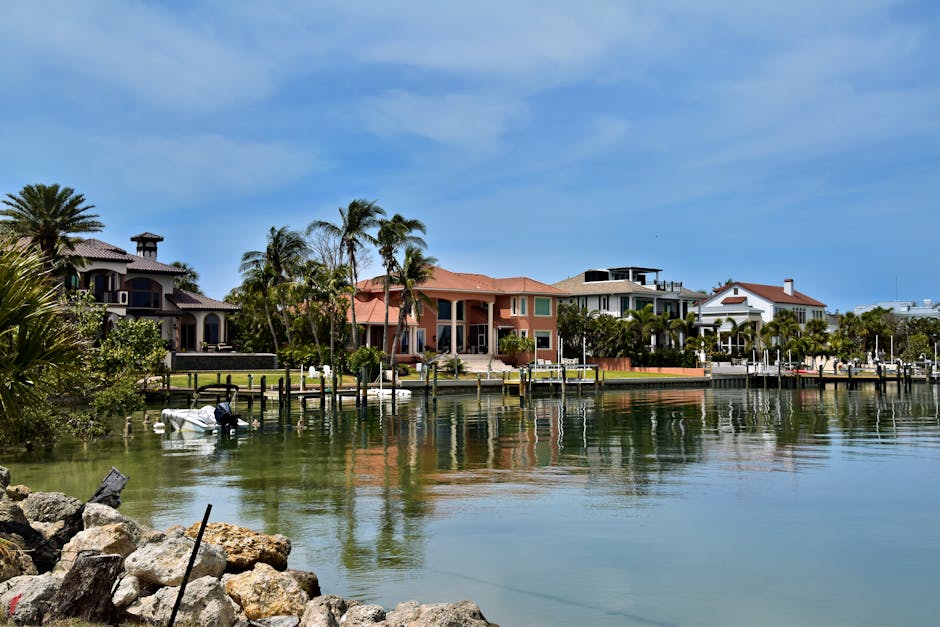
The Institutionalization of the Tampa Luxury Sector
The Tampa Bay residential landscape has undergone a fundamental structural shift over the last twenty-four months. What was once considered a secondary market for regional wealth has matured into a primary destination for institutional-grade capital and ultra-high-net-worth individuals relocating from traditional financial hubs. This transition is visible not just in the price floor—now firmly established with a median list price of $2,499,000 for luxury inventory—but in the sophistication of the assets being delivered. Buyers are no longer merely looking for square footage; they are prioritizing architectural pedigree, advanced security integrations, and proximity to the emerging commercial cores of the city.
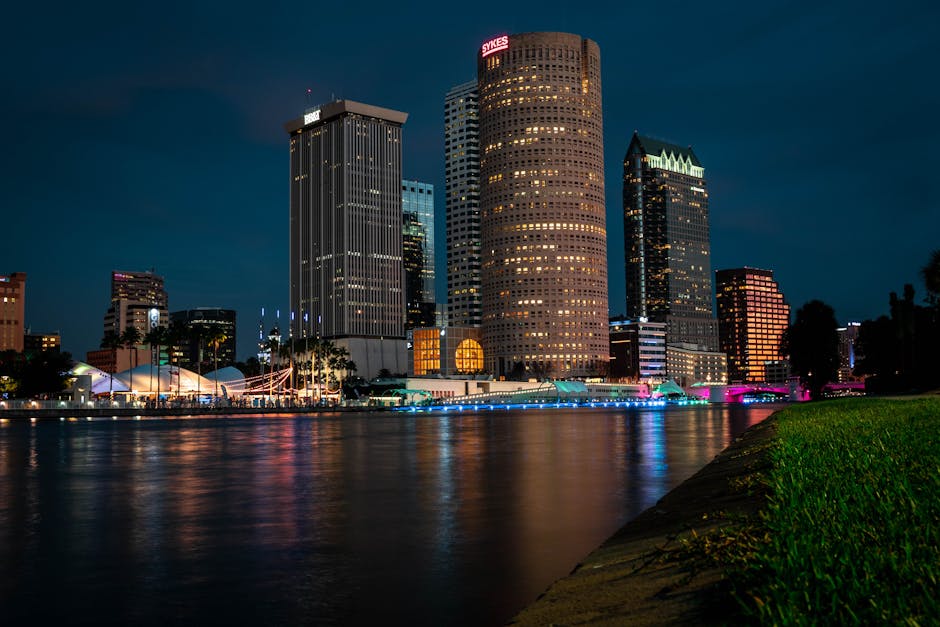
As of this update, there are approximately 120 active luxury listings in the local market, representing a highly curated selection of inventory that ranges from historic South Tampa manors to the sleek glass towers of Water Street. This limited supply, relative to the influx of high-earning professionals, has created a competitive environment where decision-useful data is the primary currency. According to recent analysis by The National Law Review, Tampa Bay’s waterfront is no longer a seasonal retreat but has emerged as a primary luxury market, driven by favorable regulatory environments and substantial infrastructure investment.
For the sophisticated buyer, understanding this shift requires a departure from traditional real estate tropes. The focus has moved toward long-term equity preservation in neighborhoods that offer both physical security and lifestyle connectivity. Areas like Davis Islands and Culbreath Isles continue to command a premium due to their limited geographic footprint and deep-water access, while the vertical growth in downtown provides a different kind of utility for those seeking a lock-and-leave lifestyle without compromising on the amenities typically reserved for five-star hospitality environments.
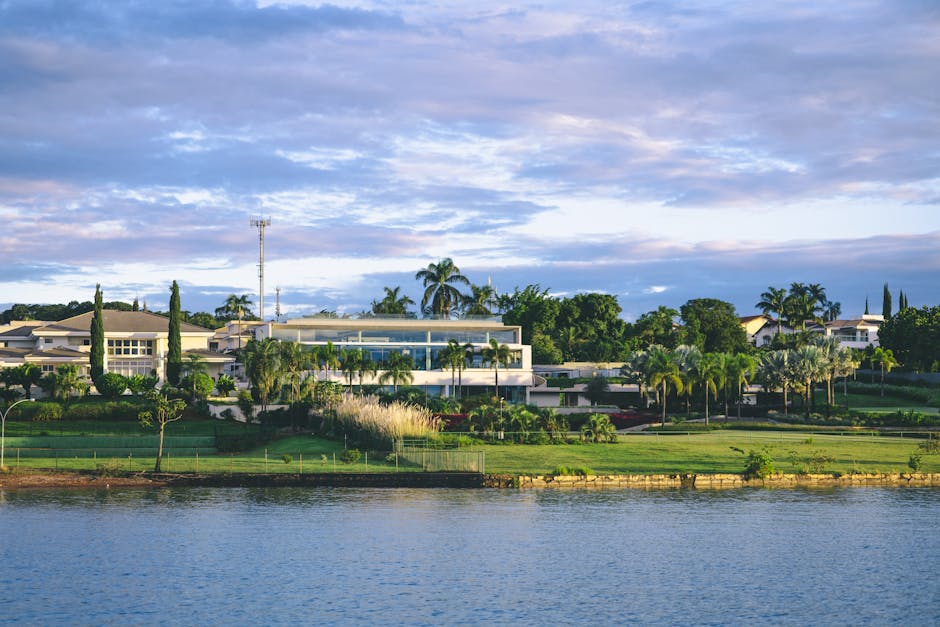
The Vertical Shift: Assessing Luxury Condominiums and Vertical Equity
While detached single-family residences remain the cornerstone of the Tampa luxury market, the rise of high-density, high-service vertical living is the most significant trend of the decade. This is particularly evident in the Downtown St. Pete corridor and Tampa’s own Westshore District. The definition of luxury in these spaces has evolved from mere height and views to a comprehensive service model that includes private concierge teams, climate-controlled automotive storage, and integrated wellness suites. This vertical shift is reflective of a broader national trend where convenience is weighted equally with privacy.
However, analysts suggest that Tampa remains in an early-stage luxury condo market compared to established hubs like Miami or New York. As noted by Tampa Bay Business & Wealth, this early-stage status represents a unique window for acquisitions where the product quality has reached international standards but the price-per-square-foot has not yet fully detached from local market fundamentals. For the strategic advisor, the recommendation is often to compare the cost of maintenance and security in a legacy Bayshore estate against the high-efficiency HOA structures of new-build towers like Pendry or The Edition.
The inventory movement in this sector is rapid. Buyers are increasingly favoring turnkey assets that bypass the complexities of renovation in an environment where high-end labor and materials remain at a premium. This preference for ‘new-world’ luxury is putting downward pressure on older, unrenovated waterfront properties that do not meet modern flood mitigation standards or lack the open-concept floor plans required by contemporary living standards. Assessing the delta between land value and improvement value has never been more critical for protecting capital in the Florida market.
Strategic Acquisition Checklist for the Discerning Buyer
Navigating a market with a $3,269,821 average list price requires a systematic approach to due diligence that goes beyond aesthetic appeal. Whether evaluating a sprawling estate on Gardner Road or a modern masterpiece on Memorial Highway, the following technical considerations should govern the evaluation process:
- Elevation and Flood Mitigation: Verify the latest base flood elevation requirements and the presence of impact-rated glazing and secondary water barriers.
- Logistical Connectivity: Assess the transit time to private aviation hubs and the commercial core during peak activity hours.
- Infrastructure Resilience: Ensure the property features redundant power systems and high-capacity data connectivity for remote executive functions.
- Zoning and Privacy Buffers: Evaluate adjacent parcels for potential development that could impact sightlines or acoustic privacy.
- Historical Appreciation Trends: Compare neighborhood-level data against the broader municipal average to identify outliers in equity growth.
- HOA and Governance Health: For vertical assets, perform a deep audit of reserve studies and long-term capital improvement plans.
Buyer Behavior and the Psychology of the Tampa Market
The profile of the Tampa luxury buyer has shifted from the retiree seeking sunshine to the executive seeking a strategic base of operations. This change in demographics has influenced everything from kitchen design to the necessity of secondary residential suites for extended staff or family. The demand for homes that function as both a private sanctuary and a high-functioning workspace is no longer an outlier; it is a baseline requirement. We are seeing a significant volume of domestic migration from markets like Chicago and San Francisco, where buyers are trading high-tax, low-utility environments for the relative freedom and space offered by the Gulf Coast.
This behavior is also influenced by the cultural maturation of the region. The availability of world-class events, such as the major sports takeovers frequently reported by WWE and other global entertainment brands, signals to high-end buyers that Tampa has reached a critical mass of relevance. These events drive short-term tourism but also serve as a ‘proof of concept’ for the city’s ability to host international-scale activations. This cultural density is a major factor in the long-term desirability of the urban core, particularly for those who value a dynamic social calendar within walking distance of their residence.
In the current inventory of 120 properties, the assets that move the fastest are those that successfully bridge the gap between architectural significance and practical utility. Properties such as the Troutwater Lane estate exemplify this balance, offering privacy and space while remaining within striking distance of the city’s top-tier educational and medical institutions. Understanding these micro-movements in buyer preference allows for more accurate forecasting of which neighborhoods will lead the next cycle of appreciation.
Neighborhood Analysis: Beyond the Waterfront Prime
While the waterfront will always be the primary driver of value, secondary luxury pockets are emerging that offer distinct advantages in terms of acreage and privacy. Areas that were previously overlooked are now seeing speculative development of $3M+ estates. This expansion is necessary as the traditional waterfront corridors become fully built-out. Buyers are increasingly willing to trade a water view for a larger, more private lot that allows for extensive landscaping, multi-car galleries, and expansive outdoor living environments that function as year-round extensions of the home.
The growth of the St. Petersburg market also provides a necessary counterpoint to Tampa’s development. The evolution of Beach Drive and the surrounding historic districts offers a pedestrian-centric luxury that is distinct from the more car-dependent estates of South Tampa. As reported by The Business Journals, the shift in condo definitions in St. Pete is a bellwether for the entire region. Savvy investors are watching the synergy between these two cities, often maintaining assets in both to capitalize on the different economic drivers—tech and finance in Tampa, and arts and tourism in St. Pete.
This regional interconnectedness is supported by a robust calendar of festivals and concerts that keep the population engaged across the bridge. Whether it is a weekend festival in downtown St. Pete or a major concert in Tampa, the lifestyle synergy is a selling point that many buyers find more attractive than the isolated luxury of more traditional Florida enclaves. The ability to access a wide range of family-oriented activities and high-end dining across both cities is a recurring theme in buyer feedback, as noted in recent lifestyle coverage by FOX 13 Tampa Bay.
Market Resilience and the Path to Acquisition
The resilience of Florida’s real estate sector is well-documented, but the Tampa Bay region specifically has shown a remarkable ability to maintain pricing power even during periods of broader economic volatility. This is largely due to the diversity of the local economy and the continued influx of new residents who are uncoupled from local mortgage rates. For the cash-heavy luxury segment, the primary concern is not the cost of capital, but the availability of high-quality inventory. With only 120 properties currently meeting the luxury criteria, the market remains in a state of chronic undersupply relative to the demand from qualified buyers.
Strategic buyers should also look to the broader state-level data for context on their investment. Analysis from Florida Trend indicates that the state’s real estate fundamentals remain some of the strongest in the country, supported by job growth and a continuing preference for the Sunbelt. In Tampa, this is amplified by the ongoing redevelopment of the port and the expansion of the Westshore business district, ensuring that the luxury residential market is backed by a solid foundation of commercial and industrial strength.
Making a decision in this environment requires a partner who can provide more than just a tour of a property. It requires a senior advisor who understands the nuances of land use, the technical specifications of modern construction, and the subtle shifts in neighborhood dynamics that can impact future value. The current market offers significant opportunities for those who are prepared to act with precision and who have access to the full spectrum of available inventory, including off-market opportunities that often represent the pinnacle of the local offering.
To navigate the complexities of this evolving landscape, we invite you to browse our current luxury listings and analyze the current inventory levels. Once you have identified the parameters of your search, contact a private advisor to discuss your specific requirements and receive a tailored market brief. Our team is dedicated to providing the analytical depth and neighborhood-level insight necessary to facilitate a successful acquisition in Tampa’s most exclusive enclaves.
Your next move in Tampa luxury
Get current inventory, pricing guidance, and private-tour support from our brokerage team.
Source highlights
- Downtown St. Pete's definition of luxury condos shifts as the city evolves – The Business Journals
- Tampa Bay’s most expensive luxury home sales of 2025 – Tampa Bay Times
- Tampa Bay’s Waterfront Emerges as a Primary Luxury Real Estate Market – The National Law Review
- Florida Trend Real Estate – Florida Trend
- Why Tampa remains an early-stage luxury condo market – Tampa Bay Business & Wealth
- New Signature Real Estate Team Emerges Across Tampa Bay: The Nick Janovsky Group Launches with Premier Sotheby’s International Realty – citybiz
- WWE announces Memorial Day weekend takeover in Tampa – WWE
- Things to do with kids this weekend in Tampa, FL – That's So Tampa



