


The Structural Shift in Tampa’s High-End Sector
Tampa’s luxury real estate market has transitioned from a high-growth emerging region to a mature, primary destination for national and international capital. Current inventory levels reflect a disciplined market, with approximately 120 active luxury listings. This scarcity, paired with a median list price holding steady at $2,499,000, indicates that the region has decoupled from the speculative volatility often seen in secondary markets. Buyers are no longer looking for temporary seasonal retreats; they are securing long-term assets in a city that is fundamentally evolving its infrastructure and economic base.
As we navigate 2026, the average list price of $3,269,821 underscores a significant concentration of value in specific coastal and historic pockets. Acquisitions are increasingly driven by tax migration and corporate relocation rather than discretionary leisure spending. For the sophisticated buyer, the focus has shifted from simple square footage to the integration of architectural permanence and technological resilience. The current inventory includes significant opportunities across residential and commercial land, allowing for custom-built legacy estates in established neighborhoods like Hyde Park and Culbreath Isles.
Understanding this movement requires a departure from traditional real estate metrics. We are seeing a compression in the luxury tier where the distinction between ‘expensive’ and ‘high-value’ is dictated by proximity to the city’s evolving urban core. As reported by Florida Trend, the statewide real estate landscape continues to favor regions with robust professional services growth, a trend that is acutely visible in the Westshore and Downtown Tampa corridors.

Waterfront Dynamics as a Primary Residence Asset
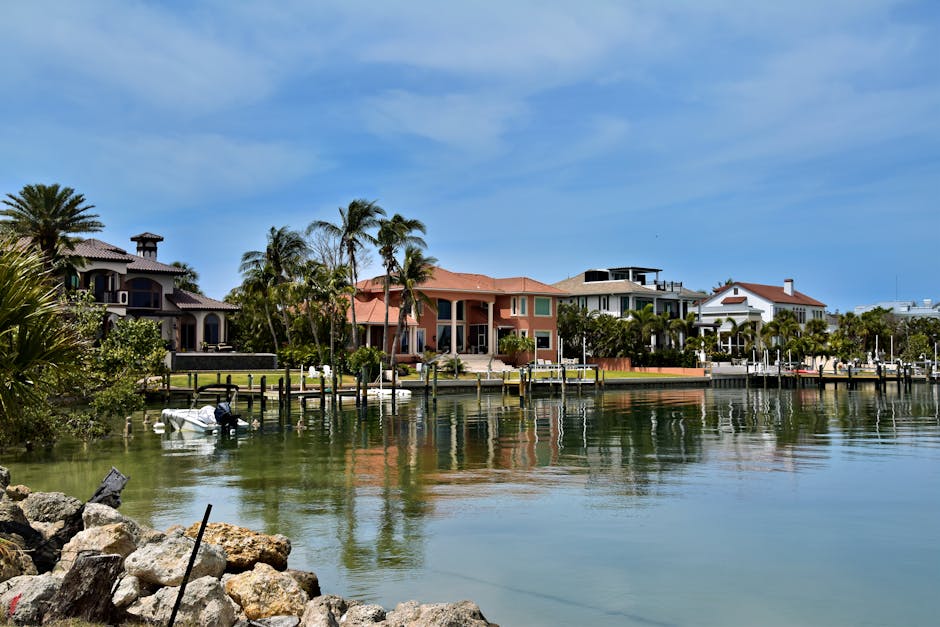
The traditional view of waterfront property as a vacation asset is obsolete in the current Tampa climate. Data suggests that Tampa Bay’s waterfront is emerging as a primary luxury market, where owners prioritize accessibility to private schools, professional sports venues, and corporate headquarters. This shift has elevated the value of properties along Bayshore Boulevard and Davis Islands, where the utility of the location matches the prestige of the views. Recent transactions, such as the $3.8 million acquisition on Memorial Highway, demonstrate a willingness to invest in high-acreage sites that offer both privacy and rapid access to the city center.
This evolution is also reflected in how buyers evaluate coastal risks. Modern high-net-worth individuals are prioritizing newer construction or comprehensively retrofitted estates that meet 2026 building codes. We see this specifically in the demand for properties like those on Gardner Road, where large lot sizes allow for sophisticated drainage and elevated building pads. The market is rewarding sellers who have invested in resilient infrastructure, making these assets highly liquid compared to older, non-conforming structures. Buyers are conducting deeper due diligence on seawall integrity and elevation certificates than ever before.
Furthermore, the competitive landscape for waterfront land is tightening. With only 120 luxury units available across the entire market, the pool of ‘true’ waterfront estates is exceptionally small. This has led to a surge in off-market transactions and a focus on land acquisition for custom builds. Investors and primary residents alike are recognizing that the finite nature of Tampa’s coastline creates a natural floor for valuations, even during periods of broader macroeconomic adjustment.
The Vertical Shift: Assessing the Condo Landscape
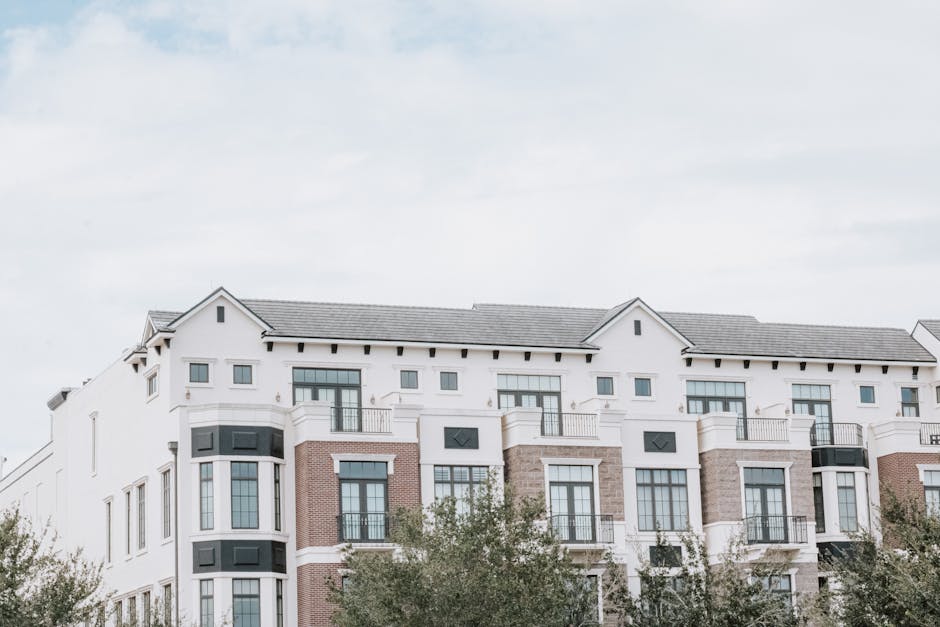
While traditional estates remain the preference for many, Tampa remains an early-stage luxury condo market with significant upside. The rise of high-design towers in the Water Street and Westshore districts offers a low-maintenance alternative for buyers who split time between international hubs. These vertical communities are not just residential units; they are integrated ecosystems featuring private club access, wellness centers, and high-security concierge services. This model appeals to the executive demographic that values time-efficiency and security over the expansive maintenance of a multi-acre property.
Comparatively, the condo market in nearby St. Petersburg has seen its own definition of luxury shift as the city evolves. This regional competition is healthy, as it provides a clear contrast between the urban-industrial luxury of Tampa and the arts-centric atmosphere of the St. Pete waterfront. For a buyer, the decision between a South Tampa estate and a downtown high-rise often comes down to the intended use of the property. Those seeking family-centric stability tend toward the historic charm of Beach Park, while those focused on proximity to the burgeoning tech and medical sectors gravitate toward the new vertical developments.
The pricing for these units often rivals or exceeds that of single-family homes on a per-square-foot basis. This premium is justified by the amenities and the reduced operational friction of ownership. As we look at Tampa Bay’s most expensive luxury home sales, it is clear that the market is bifurcating: one path leads to the sprawling privacy of places like Troutwater Lane, and the other to the high-density prestige of a penthouse overlooking the Hillsborough Bay. Both segments are currently seeing limited inventory, keeping prices firm.
Strategic Due Diligence for High-Net-Worth Acquisitions
Acquiring a luxury asset in Tampa requires more than a simple inspection. The complexity of the local market demands a rigorous approach to valuation and risk assessment. Buyers must look beyond the aesthetic finishes of a home and evaluate the structural and legal integrity of the investment. This includes an analysis of neighborhood-specific zoning changes, planned infrastructure projects, and the long-term viability of the immediate surroundings. The following checklist serves as a baseline for any high-value acquisition in the current environment.
- Verify the structural integrity of seawalls and dockage for waterfront assets, ensuring compliance with current environmental regulations.
- Assess the elevation of the primary living space and its impact on long-term insurance premiums and resale liquidity.
- Review the reserve studies and HOA financials for condominium acquisitions to avoid unexpected special assessments.
- Evaluate the proximity to elite educational institutions and the impact of school zoning on neighborhood stability.
- Analyze the history of land use for the property and surrounding parcels to anticipate future developments.
- Determine the availability of smart-home infrastructure and the property’s ability to support modern technological requirements.
Each of these points represents a potential lever in negotiation. For instance, a property with a recently reinforced seawall or a high-elevation certificate commands a premium that is easily justifiable in a competitive bid. Conversely, missing documentation or outdated infrastructure can provide the basis for a significant price adjustment. Working with a senior advisor ensures that these technical details are scrutinized before any capital is committed. You should always browse current listings with an eye for these structural advantages.
Neighborhood Nuance and the Impact of Local Infrastructure
Neighborhood selection in Tampa is increasingly influenced by the city’s major infrastructure projects. The expansion of the downtown core and the revitalization of the riverfront have created a ripple effect that benefits adjacent areas. Historic districts like Hyde Park continue to see high demand due to their walkability and proximity to high-end dining and retail. Meanwhile, areas like South Tampa remain the gold standard for those seeking a balance of suburban quiet and metropolitan access. The behavior of luxury buyers in these areas is shifting toward a preference for turn-key properties that require zero immediate renovation.
Traffic and logistics also play a critical role in valuation. Buyers are closely monitoring advisories, such as the traffic advisories from the City of Tampa regarding large-scale events or infrastructure upgrades. A home located in a quiet cul-de-sac that remains accessible during major city events like a downtown festival or a major concert is significantly more valuable than one located in a bottleneck. Accessibility to the Tampa International Airport and private aviation hubs is a primary concern for the frequent traveler, making the northern stretches of South Tampa particularly attractive.
Furthermore, the cultural calendar of the region adds a layer of lifestyle value that is difficult to quantify but easy to observe. From high-profile sporting events to festivals, the city’s social fabric is becoming more robust. While these events bring energy to the city, they also test the resilience of neighborhood planning. A sophisticated advisor will help you identify properties that benefit from this energy without being overwhelmed by it, ensuring your residence remains a sanctuary.
Market Velocity and Negotiation Levers
With only 120 active luxury units, the velocity of the Tampa market is higher than the national average for the $2M+ tier. Well-priced, high-quality assets are often under contract within 30 to 45 days. This requires buyers to be prepared with proof of funds and a clear understanding of their non-negotiables before beginning a search. In a market where the median list price is $2.5 million, there is little room for hesitation. However, the average list price of over $3.2 million indicates that the ceiling is still being pushed by exceptional properties.
Negotiation in this tier is rarely about price alone. It often involves terms related to closing timelines, furniture inclusion, or post-occupancy agreements. Sellers in the Tampa market are frequently relocating within the region or moving to other high-value states, making flexibility a powerful tool for a buyer. Understanding the motivation of the seller—whether they are moving to a new signature development or downsizing to a managed condo—allows a buyer to structure an offer that is both competitive and beneficial to their own long-term strategy.
The role of a senior advisor is to interpret these market signals and provide a buffer against emotional decision-making. By analyzing the last 24 months of comparable sales and the current trajectory of the 120 active units, an advisor can determine if a property is priced for a quick exit or if there is room for a more aggressive negotiation. The goal is to secure an asset that will appreciate as the city continues its upward trajectory over the next decade.
A Sophisticated Outlook for the 2026-2027 Horizon
The long-term outlook for Tampa luxury real estate remains exceptionally positive. The city has moved past the phase of ‘speculative boom’ and into a phase of ‘sustained institutional growth.’ The presence of new, professional-grade real estate teams and the entry of global luxury brands into the local market are indicators of a city that has arrived. For the buyer, this means that an investment made today is backed by a city that is actively investing in itself, from the riverfront to the bay.
The next 18 to 24 months will likely see a continued focus on the ‘flight to quality.’ As more buyers migrate from high-tax states and seek the relative value and lifestyle of the Florida coast, the demand for high-tier properties will only intensify. Staying informed on market movements and neighborhood-level shifts is the only way to maintain a competitive edge. The current inventory offers a diverse range of options, but the most coveted properties will always be the ones that are never officially advertised on the open market.
To navigate this complex environment, you need a partner who understands the nuance of the Tampa landscape and the specific needs of the high-net-worth individual. Whether you are seeking a historic estate in the heart of the city or a modern waterfront masterpiece, the first step is to align yourself with an advisor who can provide data-backed guidance and private access. We invite you to browse our curated listings of exceptional properties and contact an advisor to discuss your specific requirements for your next acquisition in the Tampa Bay region.
Your next move in Tampa luxury
Get current inventory, pricing guidance, and private-tour support from our brokerage team.
Source highlights
- Downtown St. Pete's definition of luxury condos shifts as the city evolves – The Business Journals
- Tampa Bay’s most expensive luxury home sales of 2025 – Tampa Bay Times
- Tampa Bay’s Waterfront Emerges as a Primary Luxury Real Estate Market – The National Law Review
- Florida Trend Real Estate – Florida Trend
- Why Tampa remains an early-stage luxury condo market – Tampa Bay Business & Wealth
- New Signature Real Estate Team Emerges Across Tampa Bay: The Nick Janovsky Group Launches with Premier Sotheby’s International Realty – citybiz
- Things to do with kids this weekend in Tampa, FL – That's So Tampa
- Things To Do In St Pete This Weekend: Best Festivals & Events Going On In St Petersburg – I Love the Burg



