


The Resilience of the Tampa High-End Market
The Tampa luxury real estate sector continues to operate on a trajectory distinct from broader national trends. While many metropolitan areas have seen a softening of demand due to interest rate sensitivity, Tampa’s high-end inventory remains a focal point for domestic migration and capital preservation. Current data indicates a median list price of approximately $2,498,800, with an average list price exceeding $3,269,000. This pricing floor suggests that the market has matured beyond speculative growth, settling into a phase of stable, long-term appreciation backed by fundamental demand.

Sophisticated buyers are increasingly prioritizing assets that offer both architectural integrity and geographic scarcity. This is particularly evident in core enclaves where inventory remains constrained despite a slight uptick in overall active luxury counts to 120 units. As reported by The Business Journals, the Tampa Bay luxury market grows stronger despite national declines, a testament to the region’s burgeoning status as a primary financial and cultural hub in the Southeast. For the private investor, this resilience provides a buffer against volatility, though it necessitates a more calculated approach to acquisition than in previous years.
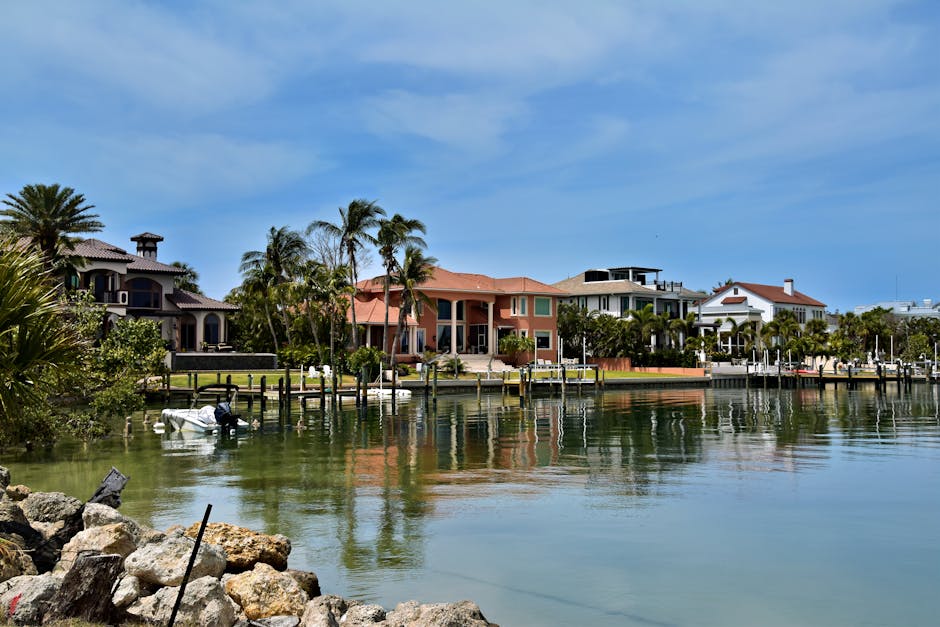
Understanding this movement requires moving beyond surface-level statistics. The current active count represents a highly curated selection of properties, ranging from historic estates in Hyde Park to modern waterfront marvels on Davis Islands. Acquisitions in the current environment are less about timing the market and more about identifying specific property attributes that will maintain liquidity regardless of broader economic shifts. When evaluating Tampa luxury homes for sale, the focus must remain on the intrinsic value of the site and the quality of the build.
Neighborhood-Level Implications and Cultural Density
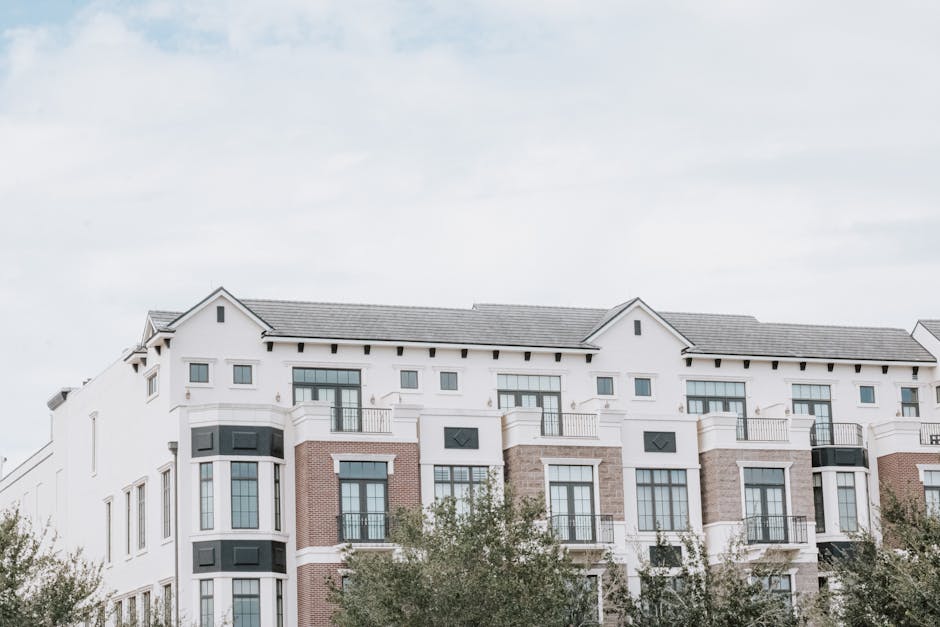
Location remains the primary arbiter of value, yet the definition of a ‘prime’ location in Tampa is expanding. While Bayshore Boulevard and Davis Islands remain the traditional anchors of the luxury market, we are seeing a significant shift toward the South End and newly developed urban corridors. The emergence of high-density luxury, such as the newly built luxury townhomes in Tampa’s South End, reflects a change in buyer behavior. Affluent professionals are increasingly favoring turn-key, low-maintenance residences that do not sacrifice the spatial requirements of a traditional estate.
The value of these neighborhoods is reinforced by the increasing ‘cultural density’ of the city. High-end buyers are no longer just looking for a residence; they are looking for proximity to the city’s evolving social and professional infrastructure. From the elite culinary offerings in the Water Street district to the consistent calendar of high-profile events, such as those highlighted by That’s So Tampa, the lifestyle component is now a quantifiable driver of real estate value. This lifestyle is not about ‘leisure’ in the generic sense but about the efficiency of living in a well-connected, high-amenity environment.
When comparing neighborhoods like Beach Park to Culbreath Isles, one must look at the historical pricing delta and the recent influx of capital. Beach Park offers a more diverse architectural palette, while Culbreath Isles remains one of the most prestigious gated communities in the region. The decision between these areas should be informed by long-term occupancy goals and the specific requirements for privacy and security. Each enclave carries its own risk-reward profile, particularly concerning land value appreciation and the potential for future redevelopment.
The Shift in Luxury Design and Buyer Preferences
A notable trend in the 2025 market is the rejection of ‘carbon-copy’ luxury. The era of the generic Mediterranean-style mansion is yielding to a more nuanced, individualized approach to design. Discerning buyers are looking for homes that reflect a specific architectural voice, prioritizing natural materials, integrated technology, and thoughtful spatial flow. According to Mansion Global, custom design touches are the primary factor in winning over high-net-worth individuals who are fatigued by repetitive luxury tropes.
This shift has practical implications for both buyers and sellers. For buyers, it means that resale value will increasingly depend on the timelessness of the design rather than the inclusion of trendy, short-lived features. High-quality masonry, sustainable climate control systems, and professionally landscaped outdoor living areas are now standard expectations. For sellers, it underscores the need for strategic renovation before listing. Properties that fail to meet these modern aesthetic standards often see longer days on market, even in highly sought-after neighborhoods.
Furthermore, the integration of health and wellness features into the home has moved from a luxury ‘add-on’ to a core requirement. This includes advanced air filtration systems, dedicated wellness suites, and seamless indoor-outdoor transitions. In Tampa’s climate, the ability to utilize outdoor space effectively for ten months of the year is a critical component of a property’s utility. We recommend that buyers scrutinize the durability of these features, ensuring that the ‘wellness’ components are built on sound engineering rather than just aesthetic appeal.
Strategic Valuation Checklist for Luxury Acquisitions
To ensure a sound investment, every potential acquisition should be subjected to a rigorous valuation framework. This goes beyond the initial walkthrough and addresses the long-term viability of the asset. Use the following checklist to evaluate your next property:
- Assess the elevation and drainage infrastructure to ensure long-term site stability and insurance viability.
- Verify the pedigree of the architectural firm and the quality of the building materials used in recent renovations.
- Analyze the historical price per square foot of the immediate micro-neighborhood compared to broader city averages.
- Evaluate the proximity to planned infrastructure projects or commercial developments that could impact privacy or property value.
- Conduct a thorough audit of integrated smart home systems for security, climate, and energy efficiency.
- Review the property’s historical utility and maintenance costs to identify any underlying structural inefficiencies.
By applying these filters, buyers can move past the emotional appeal of a property and focus on its performance as an asset. In a market where the average list price is over $3.2 million, even minor oversights in the due diligence phase can lead to significant capital outlays post-closing. Our role as advisors is to ensure that these variables are accounted for well before a contract is executed.
Waterfront Properties as Primary Residences
The perception of Tampa’s waterfront has undergone a fundamental transformation. Historically viewed as secondary or vacation properties, the city’s coastal assets are now firmly established as primary residences. This shift is driven by the maturation of Tampa’s professional sector and the increased focus on waterfront living as a year-round lifestyle choice. As noted in The National Law Review, the waterfront has emerged as a primary luxury market, with institutional-grade investments supporting this growth.
Acquiring waterfront property in Tampa requires a specialized understanding of maritime infrastructure and environmental regulations. Issues such as seawall integrity, dockage rights, and riparian permissions are paramount. A property may have an exquisite interior, but if the seawall requires a $200,000 replacement or if the water depth is insufficient for a specific vessel, the property’s utility is compromised. We advise clients to engage with specialized maritime engineers during the inspection period to verify the condition of all waterfront improvements.
Furthermore, the scarcity of true waterfront land in areas like Davis Islands and Bayshore Boulevard ensures that these properties remain the most resilient assets in any portfolio. While inland properties may fluctuate based on supply, waterfront inventory is finite. This inherent scarcity provides a ‘valuation floor’ that is rarely seen in other property types. However, this also means that the barrier to entry is high, and the competition for prime lots remains intense, even during periods of broader economic uncertainty.
Future-Proofing Your Real Estate Portfolio
As we look toward the remainder of 2025 and into 2026, the Tampa luxury market is expected to maintain its status as a top-tier destination for high-net-worth individuals. The combination of favorable tax policy, robust job growth, and an improving quality of life makes the region an attractive alternative to traditional luxury hubs in the Northeast and West Coast. Insights from Florida Trend suggest that the state’s real estate trajectory remains positive, fueled by sustained capital inflow and a business-friendly environment.
For the long-term investor, the goal should be to identify properties that offer ‘future-proof’ features. This includes locations with high barriers to entry, superior build quality, and designs that can adapt to changing lifestyle needs. We are seeing a move toward multi-generational living spaces and flexible home office configurations that reflect the permanence of hybrid work for many executives. A property that can serve multiple functions—private retreat, professional hub, and social venue—will always command a premium in the market.
Finally, it is essential to work with an advisor who understands the nuances of these micro-markets. General market reports often fail to capture the subtle shifts in neighborhood sentiment or the ‘off-market’ opportunities that frequently occur in the $5M+ segment. Success in the Tampa luxury space is built on access to data and a network of professionals who can facilitate discreet and efficient transactions. As the market continues to evolve, staying informed on these neighborhood-level implications will be the difference between a simple purchase and a strategic investment.
Navigating the complexities of the Tampa luxury market requires a partner who prioritizes data-backed insights over marketing hype. Whether you are seeking a waterfront estate on Davis Islands or a modern townhome in the South End, our team provides the analytical brief necessary to make an informed decision. We invite you to explore our current selection of listings and contact an advisor today to discuss your portfolio objectives and schedule a private consultation.
Your next move in Tampa luxury
Get current inventory, pricing guidance, and private-tour support from our brokerage team.
Source highlights
- Tampa Bay’s most expensive luxury home sales of 2025 – Tampa Bay Times
- Tampa Bay luxury market grows stronger despite national declines – The Business Journals
- Newly Built Luxury Townhome in Tampa's South End Hits Market – National Today
- Tampa Bay’s Waterfront Emerges as a Primary Luxury Real Estate Market – The National Law Review
- Florida Trend Real Estate – Florida Trend
- Carbon-Copy Luxury Is Out. These Are the Design Touches Winning Home Buyers Over. – Mansion Global
- Things To Do In Tampa This Weekend: Best Festivals & Events Going On – That's So Tampa
- Tampa weekend events: Concerts, festivals and downtown family fun — What to know before you go – FOX 13 Tampa Bay



