


The Shift Toward Architectural Intent in the Tampa Corridor
The Tampa luxury real estate landscape has undergone a fundamental transformation, moving away from speculative developments toward estates defined by architectural provenance and long-term utility. In 2026, the market is characterized by a sophisticated buyer profile that values substance over stylistic trends. Current data reveals a robust luxury sector with approximately 120 active high-end listings, maintaining a median list price of $2,498,800. This pricing floor reflects a market that has stabilized after the rapid appreciation of previous years, offering a more predictable environment for capital allocation.
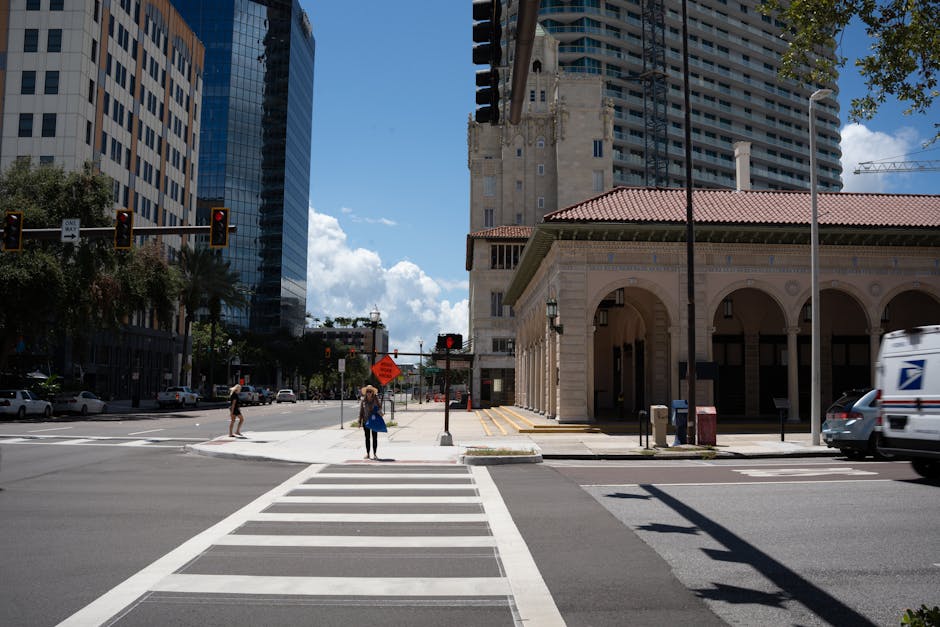
Buyers are increasingly moving away from what industry analysts call carbon-copy luxury. According to recent insights from Mansion Global, the design touches winning over affluent homeowners today are those that emphasize local materiality and bespoke craftsmanship rather than standardized high-end finishes. In neighborhoods like Hyde Park and Palma Ceia, this shift is evident in the demand for properties that respect historical context while integrating modern structural efficiencies. The focus is no longer just on the scale of the home, but on the narrative and quality of the build.
This transition is supported by the average list price in the region, which now exceeds $3,269,000. This figure is driven by a handful of ultra-high-net-worth transactions that have redefined value expectations in the South Tampa area. While inventory remains relatively tight, the quality of available homes has improved, as developers respond to the demand for more personalized and durable residences. This is a primary reason why the analytical approach to acquisition has become the standard for the modern Tampa advisor.
The Emergence of Tampa Waterfront as a Primary Market
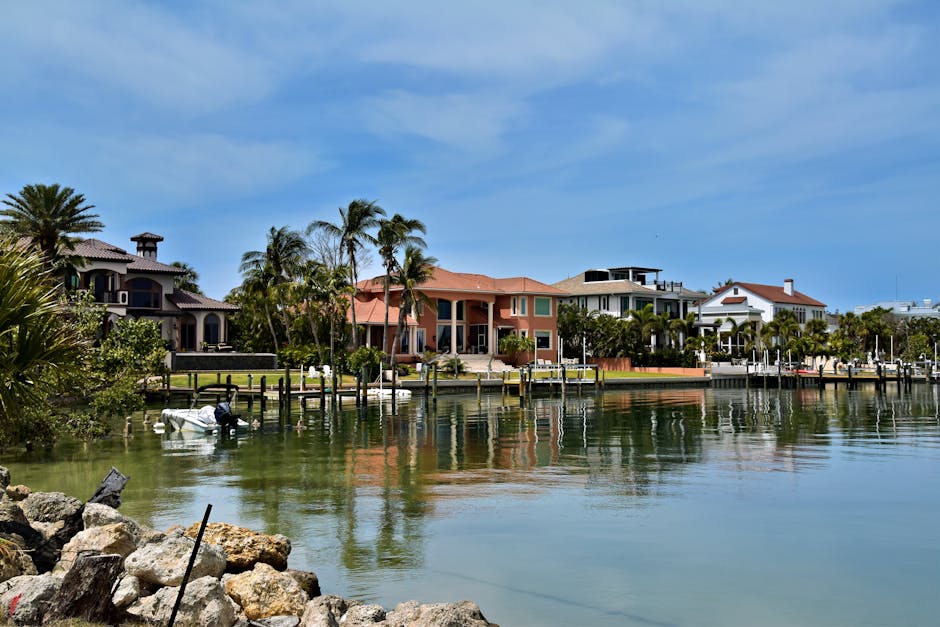
For decades, Tampa’s waterfront was often viewed through the lens of secondary or seasonal residency. However, as noted by The National Law Review, the region’s coastline has emerged as a primary luxury market. This distinction is critical; it signifies a shift in infrastructure, services, and buyer intent. Homeowners are now looking at waterfront estates in Davis Islands and Beach Park as their main hubs of operation, requiring amenities that support year-round living, remote executive functions, and multi-generational occupancy.
The scarcity of buildable waterfront land has created a high-stakes environment for acquisition. In Culbreath Isles and Harbor Island, the value is increasingly found in the land and the integrity of the seawall rather than the existing structure itself. Buyers are frequently purchasing legacy properties with the intention of comprehensive renovation or total redevelopment to meet modern hurricane resiliency standards and aesthetic preferences. This movement toward primary residency has also spurred significant investment in local private schools and health care facilities, further anchoring the luxury demographic to the region.
Market participants are observing that waterfront properties are less susceptible to broader economic fluctuations compared to inland suburban developments. The intrinsic value of a deep-water dock or an unobstructed view of Hillsborough Bay provides a level of price insulation that is highly attractive to wealth preservation-minded buyers. As the metropolitan area continues to expand its professional footprint, the demand for these limited geographic positions is expected to remain consistent, regardless of short-term interest rate movements.
Neighborhood Dynamics: Analyzing Value in South Tampa and Beyond
The historical performance of specific neighborhoods provides a roadmap for future appreciation. Davis Islands continues to lead the region in terms of price-per-square-foot records, often serving as the benchmark for the entire Tampa Bay luxury sector. The Tampa Bay Times reported that the most expensive luxury home sales of 2025 were concentrated in these core coastal enclaves, setting a new standard for what constitutes a trophy asset. These transactions are not merely outliers; they represent the new floor for premium real estate in the city.
Moving slightly inland, Beach Park and Sunset Park offer a different value proposition, focusing on larger lot sizes and a more traditional residential feel. Here, buyer behavior is driven by privacy and the ability to create sprawling garden estates. While these areas lack the immediate open-bay access of Davis Islands, their proximity to the Westshore business district and the airport makes them highly desirable for executives who travel frequently. Understanding these subtle neighborhood-level implications is essential for any buyer looking to balance lifestyle needs with investment security.
We are also seeing a rise in high-density luxury options in the South End. New developments, such as the recently built townhomes mentioned by National Today, offer a lock-and-leave solution for buyers who prioritize proximity to the city’s culinary and social hubs. These properties represent a growing segment of the market that caters to a younger, more mobile affluent demographic that prefers modern design and minimal maintenance over the responsibilities of a traditional estate.
The Core Selection Framework for Tampa Estates
Navigating a market with a median price point near $2.5 million requires a disciplined approach to due diligence. The following checklist outlines the non-negotiable elements that sophisticated buyers should verify before committing to a purchase in the current environment:
- Seawall and Elevation Integrity: For waterfront properties, a professional assessment of the seawall’s structural health and the home’s finished floor elevation relative to updated FEMA maps.
- Architectural Provenance: Verification of the builder and architect’s track record, specifically looking for those who have successfully navigated Tampa’s specific climate and soil conditions.
- Smart Infrastructure Integration: Ensuring the home is equipped with a centralized system that controls security, climate, and lighting, with the ability to be upgraded as technology evolves.
- Privacy and Setback Analysis: Evaluating the surrounding properties to ensure that the privacy of the estate is protected against future development or height variances.
- Historical Market Velocity: Reviewing the resale history of the specific neighborhood to understand how it performs during different market cycles.
- Material Sustainability: Checking for high-grade materials like impact-rated glass, reinforced concrete structures, and climate-resistant exterior finishes.
By adhering to this framework, buyers can move beyond the aesthetic appeal of a property and evaluate its true long-term value. In a market where inventory is limited, the temptation to compromise on these core elements can be high, but the strategic buyer knows that these factors are what ultimately drive liquidity and appreciation. The goal is to acquire an asset that is as functional as it is visually impressive.
The Regional Context: Tampa vs. The Florida Growth Corridor
It is important to view Tampa’s growth within the context of the broader Florida real estate market. While Tampa is solidifying its position as a primary luxury hub, neighboring areas like Sarasota and Lakewood Ranch are also seeing significant activity. For instance, The Business Journals recently highlighted a proposal for 300 single-family homes in Lakewood Ranch, indicating continued expansion in the inland luxury-suburban sector. This regional growth benefits Tampa by increasing the overall density of wealth and infrastructure in the Gulf Coast corridor.
However, the distinction between Tampa’s established neighborhoods and these newer developments remains clear. Tampa offers a level of urban connectivity and historical depth that is difficult to replicate in master-planned communities. The ability to walk from a historic home in Hyde Park to a world-class dining destination or a professional sports venue provides a lifestyle utility that carries a significant premium. For buyers, the decision often comes down to a choice between the expansive space of an inland community and the concentrated convenience of the Tampa core.
The competitive nature of the market is also reflected in the speed of transactions for well-priced, high-quality homes. While the overall inventory sits at 120 units, the “A-grade” properties—those that meet all the criteria of the selection framework—often sell before hitting the public market. This off-market activity is a hallmark of a mature luxury ecosystem, where advisors play a critical role in connecting the right buyer with the right property before a broader bidding war can occur.
Lifestyle Integration and the Modern Advisor’s Role
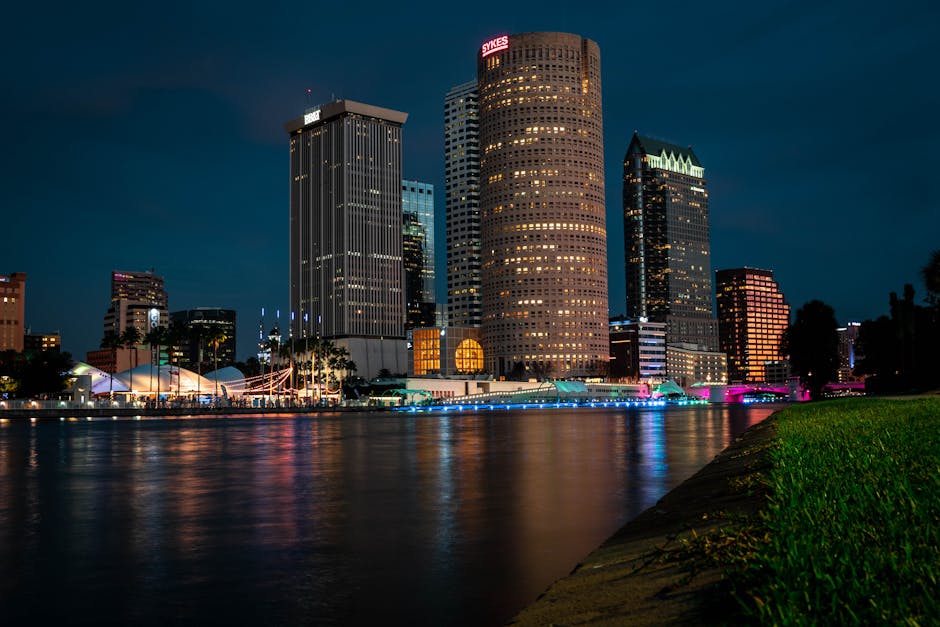
Buying a home in Tampa is an investment in a specific way of life that is increasingly centered around the city’s downtown and waterfront activations. From the expanding Riverwalk to the constant rotation of high-profile festivals and cultural events, the city offers a level of engagement that rivals major global metropolises. For those looking to understand the local rhythm, resources like That’s So Tampa provide a glimpse into the weekend events and cultural shifts that define the community experience.
The role of the advisor has evolved from a transactional facilitator to a strategic consultant. In a market where the average sale price is over $3 million, the advisor must provide data-backed insights into neighborhood-level movement, construction quality, and long-term urban planning. We see buyers who are more interested in the future development of the Westshore Marina District or the expansion of the Water Street corridor than they are in the current wallpaper of a master bedroom. This forward-looking perspective is what separates a successful acquisition from a simple purchase.
As we look toward the remainder of 2026, the trajectory for Tampa luxury remains positive. The combination of a stable pricing environment, a shift toward primary residency, and a focus on high-quality architectural intent has created a market that is both resilient and attractive to global capital. Whether you are looking for a historic estate in the shade of ancient oaks or a modern masterpiece on the open bay, the key is a disciplined, analytical approach to the search.
Secure Your Position in Tampa’s Luxury Market
The current inventory levels suggest that while choices are available, the window for securing an exceptional property in Tampa’s most coveted neighborhoods remains competitive. Strategic buyers understand that waiting for a market downturn often results in missing out on the most unique and historically significant assets. To navigate this landscape with confidence, you require an advisor who prioritizes data over hype and long-term value over quick transactions. We invite you to explore our curated selection of high-end properties and take the first step toward your next major acquisition. Browse our current LISTINGS URL to identify properties that align with your strategic goals, and CONTACT URL an advisor today to discuss a tailored acquisition plan that accounts for the nuances of the 2026 market.
Your next move in Tampa luxury
Get current inventory, pricing guidance, and private-tour support from our brokerage team.
Source highlights
- Sarasota developer proposes 300 single-family homes in Lakewood Ranch – The Business Journals
- Newly Built Luxury Townhome in Tampa's South End Hits Market – National Today
- Tampa Bay’s most expensive luxury home sales of 2025 – Tampa Bay Times
- Tampa Bay’s Waterfront Emerges as a Primary Luxury Real Estate Market – The National Law Review
- Carbon-Copy Luxury Is Out. These Are the Design Touches Winning Home Buyers Over. – Mansion Global
- Florida Trend Real Estate – Florida Trend
- Things To Do In Tampa This Weekend: Best Festivals & Events Going On – That's So Tampa
- Tampa weekend events: Concerts, festivals and downtown family fun — What to know before you go – FOX 13 Tampa Bay



