


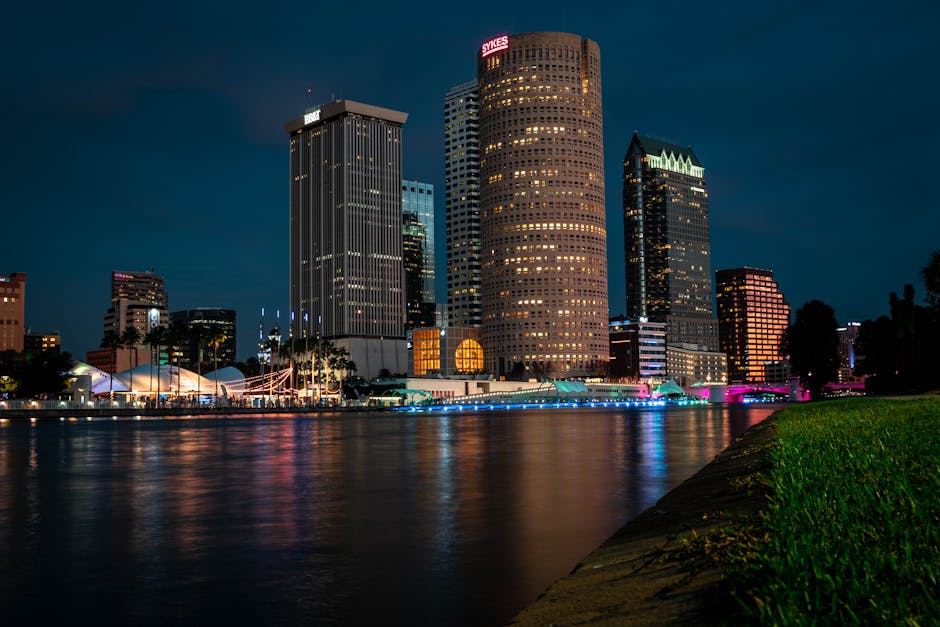
The New Baseline for Tampa Luxury Property
As of mid-April 2026, the Tampa luxury sector has solidified a new floor for high-end acquisitions. With a median list price holding steady at $2,498,800, the entry point for what was once considered ‘ultra-luxury’ has now become the standard for well-positioned homes in South Tampa and surrounding enclaves. Buyers are no longer looking for broad strokes of wealth; they are seeking precision in design and location. The current inventory of 120 active luxury listings suggests a market that is tightly held, where quality often dictates velocity more than price adjustments. Average list prices exceeding $3.2 million reflect a concentration of value in specific architectural styles and improved parcels that offer long-term stability.
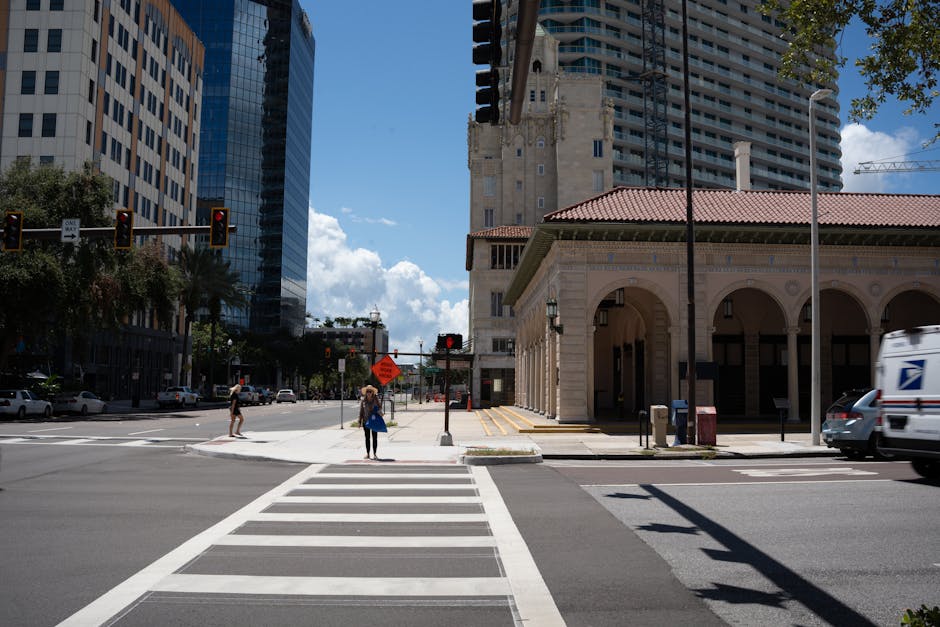
We are observing a significant departure from the speculative buying patterns of previous years. Today’s high-net-worth individuals are approaching the market with a private-advisor mindset, prioritizing structural integrity and future-proofed amenities over cosmetic flourishes. This shift is corroborated by recent data indicating that carbon-copy luxury is losing favor in favor of bespoke, artisanal finishes. In areas like Beach Park and Hyde Park, the demand for ‘one-of-one’ properties has created a competitive environment for parcels that allow for unique architectural expression, moving away from the Mediterranean-revival fatigue of the early 2000s.
Strategic buyers are also monitoring the broader regional movement, such as the expansion of high-end developments in nearby markets like Lakewood Ranch, where large-scale single-family projects continue to set new benchmarks for suburban luxury. However, the core of Tampa’s appeal remains its proximity to the urban core and the unique coastal infrastructure that defines the West Coast of Florida. Understanding these micro-movements is essential for buyers who wish to protect their equity while securing a primary residence that aligns with a sophisticated standard of living.
Waterfront Dominance and Primary Market Status
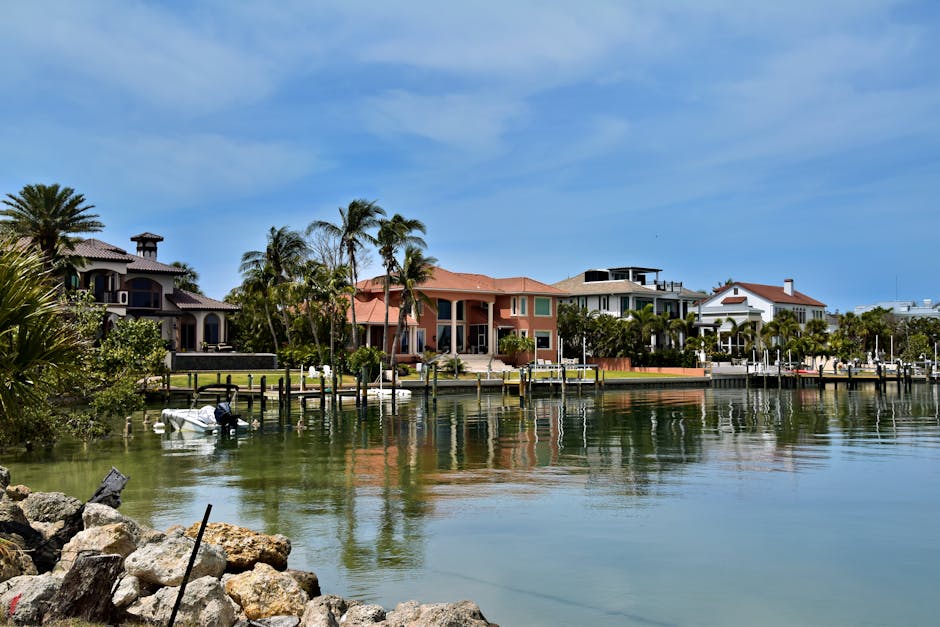
Tampa’s waterfront has officially transitioned from a seasonal or secondary interest into a primary luxury real estate market. This evolution, highlighted by legal and market analysis, reflects the permanent relocation of executive-level talent to the region. The desire for deep-water access and expansive views along Bayshore Boulevard and Davis Islands has driven valuations to historic highs. Properties like the $3.8 million estate on Memorial Highway demonstrate the premium placed on acreage and water proximity, even as inventory remains constrained across the most desirable peninsulas.
The movement toward waterfront living is not merely about the view; it is about the integration of maritime capabilities with modern residential comforts. Buyers are increasingly scrutinizing seawall heights, riparian rights, and dockage capacity as part of their due diligence. This analytical approach to waterfront property ensures that the asset is not only a residence but a resilient piece of infrastructure. The emergence of the waterfront as a primary market also means that infrastructure and local amenities have matured to support year-round living, with high-end dining and private social clubs now standard in these coastal corridors.
Market movement in 2025 set the stage for current 2026 valuations, with record-breaking sales serving as comparables for today’s listings. When evaluating a property like the Troutwater Lane listing at $2.65 million, advisors must look beyond the immediate aesthetic to the long-term viability of the specific waterfront niche it occupies. Whether it is a canal-front home in Snell Isle or a bayfront estate in Culbreath Isles, the distinction between ‘water-adjacent’ and ‘true deep-water’ access can result in million-dollar valuation gaps that savvy buyers must be prepared to navigate.
The Shift Toward Bespoke Architectural Standards
The 2026 luxury buyer is notably more educated regarding building science and architectural provenance. There is a clear preference for homes that offer high-performance envelopes, integrated smart-home systems that prioritize privacy, and floor plans that reflect a post-pandemic lifestyle. This includes dedicated, acoustically treated office suites, wellness centers, and multi-generational living options. The standard ‘luxury package’ of granite countertops and high ceilings is no longer sufficient; buyers now demand a narrative of quality that begins at the foundation and extends to the custom-milled cabinetry.
In neighborhoods such as Palma Ceia and Sunset Park, we are seeing a resurgence of modern coastal and transitional designs that favor clean lines and natural light. This architectural shift is often a response to the scarcity of move-in-ready inventory. With only 120 luxury homes active, those that feature recently updated or original high-end construction command a significant premium. Sellers who have invested in meaningful upgrades—rather than superficial staging—are seeing higher retention of their asking prices. The focus is on durability and the use of materials that can withstand the unique Florida climate while maintaining a sophisticated aesthetic.
As the market continues to mature, regional real estate trends suggest that the integration of indoor and outdoor spaces is no longer optional. Expansive glass walls that disappear to merge the living room with the pool deck are a baseline requirement for properties in the $3 million range. Buyers are looking for a seamless transition that allows for year-round entertaining, taking advantage of Tampa’s climate while ensuring the home remains an private sanctuary. This level of design requires a higher degree of coordination between architects, interior designers, and landscape professionals, further elevating the cost and value of these premier assets.
The 2026 Luxury Acquisition Checklist
Navigating the current market requires a methodical approach to due diligence. Before committing to a high-value contract, buyers should verify several key factors that influence both immediate livability and future resale value. In a market where the average list price is $3.27 million, the margin for error in due diligence is slim. Our advisory team recommends the following focus areas for any serious consideration of a luxury asset in the Tampa area.
- Verification of seawall and dockage structural integrity by a specialized marine engineer.
- Analysis of recent comparable sales specifically within the immediate neighborhood enclave to account for micro-market fluctuations.
- Review of smart home infrastructure for compatibility with current security and automation standards.
- Assessment of drainage and elevation to ensure long-term resilience against seasonal weather patterns.
- Evaluation of architectural provenance and the reputation of the original builder or design firm.
- Audit of energy efficiency ratings and the performance of the HVAC and building envelope systems.
Inventory Constraints and the Competition for Quality
The current state of Tampa luxury is defined by a persistent lack of high-quality inventory. While 120 active listings might seem sufficient, a closer look at the data reveals that only a fraction of these properties meet the rigorous standards of today’s elite buyers. This scarcity has led to a ‘flight to quality’ where the most well-appointed homes often receive multiple offers within days of hitting the market, even at price points above $3 million. Buyers must be prepared to act with clinical efficiency when a property that aligns with their specific requirements becomes available.
This inventory squeeze is particularly evident in the $2.5 million to $4 million range, where properties like the Gardner Road estate at $3 million represent a middle-tier luxury that is highly sought after by local professionals and relocating executives. The competition for these homes is driven by a desire to avoid the lengthy timelines associated with custom new construction, which can often exceed 24 months in the current labor market. Consequently, a premium is being paid for ‘time’—the ability to occupy a modern, high-spec home immediately rather than navigating the complexities of a build site.
Understanding buyer behavior in this environment is critical. We are seeing more off-market transactions and ‘pocket listings’ where privacy and exclusivity are prioritized. For buyers, this means that having a well-connected advisor is the difference between seeing a home and missing it entirely. For sellers, it underscores the importance of positioning a property correctly from day one. A home that is overpriced or poorly presented will stagnate, while a property that is priced according to its true architectural value will often exceed expectations in terms of both closing speed and final contract price.
Neighborhood Implications and Future Growth
The geographic focus of Tampa luxury continues to expand beyond the traditional boundaries of South Tampa. While Hyde Park and Davis Islands remain the gold standard for many, we are seeing significant movement into areas like Westchase and the northern suburbs where larger estates offer more privacy and land. This decentralization of luxury is a natural progression as the city’s infrastructure improves and the demand for space increases. Buyers are now weighing the benefits of a historic South Tampa bungalow against a sprawling modern estate in the suburbs, with both options offering distinct advantages depending on lifestyle needs.
The rise of the Westshore District as a commercial and residential hub has also influenced nearby residential valuations. As more high-end corporations establish headquarters in the area, the demand for executive housing in Beach Park and Bel Mar has intensified. This commercial-to-residential synergy is a strong indicator of long-term market health, suggesting that the current price levels are supported by fundamental economic growth rather than purely speculative interest. Investors and primary residents alike can take confidence in the fact that Tampa’s growth is being driven by a diverse array of industries and a steady influx of high-income households.
Finally, the cultural maturity of the region cannot be overlooked. The presence of world-class events, from arts festivals to professional sports, has cemented Tampa’s reputation as a destination for the global elite. Whether it is attending a gala at the Tampa Museum of Art or enjoying the various festivals that define the local weekend calendar, the ‘lifestyle’ component of the real estate equation is more robust than ever. This cultural depth adds an intangible but significant layer of value to every luxury acquisition in the city, ensuring that the market remains vibrant and desirable for years to come.
Strategic Advisory and Market Entry
Success in the 2026 Tampa luxury market requires more than just capital; it requires a strategic perspective and an intimate understanding of the local landscape. As the median list price remains near $2.5 million, the cost of an uninformed decision is significant. Navigating this environment means identifying value where others see only a price tag and understanding the nuances of neighborhood-level movements that can impact property values overnight. For those looking to secure a position in one of Florida’s most stable and prestigious markets, the time for analytical preparation is now.
Whether you are seeking a modern waterfront estate or a timeless architectural masterpiece, our team provides the data-backed guidance necessary to make a confident decision. We invite you to explore our curated selection of premier LISTINGS URL and discover properties that represent the pinnacle of Tampa design and location. To discuss your specific requirements and gain access to off-market opportunities, please CONTACT URL an advisor today to schedule a private consultation and begin your acquisition journey.
Your next move in Tampa luxury
Get current inventory, pricing guidance, and private-tour support from our brokerage team.
Source highlights
- Sarasota developer proposes 300 single-family homes in Lakewood Ranch – The Business Journals
- Newly Built Luxury Townhome in Tampa's South End Hits Market – National Today
- Tampa Bay’s most expensive luxury home sales of 2025 – Tampa Bay Times
- Tampa Bay’s Waterfront Emerges as a Primary Luxury Real Estate Market – The National Law Review
- Carbon-Copy Luxury Is Out. These Are the Design Touches Winning Home Buyers Over. – Mansion Global
- Florida Trend Real Estate – Florida Trend
- Things To Do In Tampa This Weekend: Best Festivals & Events Going On – That's So Tampa
- Tampa weekend events: Concerts, festivals and downtown family fun — What to know before you go – FOX 13 Tampa Bay



