


The Evolution of the Tampa Luxury Residence Corridor
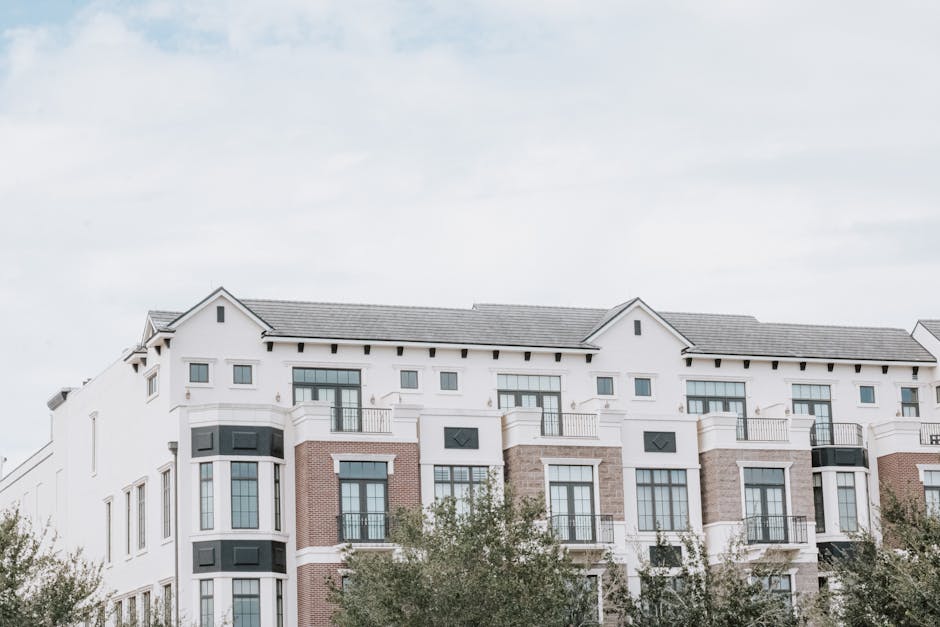
The Tampa luxury real estate landscape is currently undergoing a structural transformation that separates it from traditional Florida vacation hubs. Historically viewed as a secondary market for seasonal residents, the region has matured into a primary destination for permanent relocation. This shift is driven by a sophisticated buyer profile prioritizing long-term utility over transient occupancy. Areas such as Davis Islands, Hyde Park, and the Westshore corridor are seeing a concentration of capital that reflects a commitment to year-round residency. This maturation is evident in the architectural choices being made, where expansive home offices, permanent climate-controlled storage, and high-specification kitchen suites are replacing the minimal amenities often found in seasonal properties.
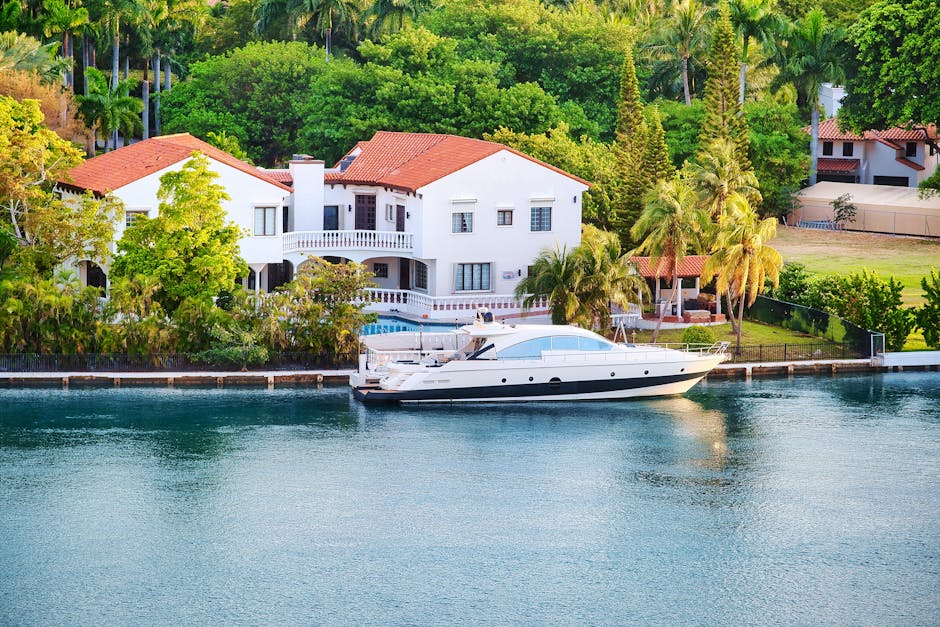
Market participants are observing that the ‘South End’ of the city is becoming a focal point for new construction that caters to this permanent-resident mindset. Recently, the market saw a notable entry with a newly built luxury townhome in Tampa’s South End, highlighting the demand for vertical luxury that offers the lock-and-leave convenience of a condo with the privacy of a detached home. For the advisor-led buyer, this trend signals a stabilization of the tax base and a more predictable appreciation curve compared to markets that rely heavily on discretionary tourism spending. The shift toward primary residency also influences local infrastructure, with high-end retail and private schooling options expanding to meet the needs of families establishing permanent roots in neighborhoods along Bayshore Boulevard.
Understanding this evolution is critical for buyers who are evaluating the durability of their investment. While other Florida coastal cities face volatility from institutional investors and short-term rental fluctuations, Tampa’s high-end core is increasingly insulated by owner-occupiers. This residency-first approach reduces the volume of ‘panic selling’ during economic shifts and maintains a consistent demand for premium services and local amenities. As the market continues to harden, the distinction between ‘resort-style’ living and ‘estate-level’ residency becomes the primary factor in asset selection and long-term valuation strategies.
Comparative Market Resilience and National Positioning
Data from the current fiscal cycle indicates that Tampa Bay’s luxury market grows stronger even as national benchmarks show signs of cooling. While major metropolitan areas in the Northeast and West Coast grapple with inventory surpluses and pricing corrections, Tampa maintains a disciplined supply-demand ratio. The median list price for luxury assets in the region has stabilized at approximately $2,498,800, reflecting a market that is priced for serious acquisition rather than speculative bidding. This resilience is not accidental; it is the result of a diverse regional economy that now spans technology, healthcare, and professional sports management, providing a steady influx of high-earning professionals who require high-specification housing.
When comparing local opportunities to other Florida tiers, Tampa offers a value proposition that is increasingly attractive to those exiting overextended markets like Miami or Palm Beach. An average list price of $3,253,065 represents a significant entry point, yet it buys a level of privacy and square footage that is increasingly rare in more saturated coastal zones. For instance, properties along Memorial Highway or within the Troutwater Lane enclave provide expansive lot sizes and architectural pedigree that would command double the investment in South Florida. This ‘value-gap’ is closing as national awareness of Tampa’s infrastructure improvements grows, making the current window a strategic period for portfolio expansion before the next phase of institutional appreciation.
The institutional confidence in the region is further validated by the emergence of specialized real estate advisory groups. For example, the Nick Janovsky Group recently launched with a focus on premier international reach, indicating that the buyer pool is no longer just regional, but global. This internationalization of the market brings a higher standard of scrutiny to building quality and aesthetic finish. For the sophisticated buyer, this means that the properties coming to market now are held to a global luxury standard, ensuring that contemporary acquisitions remain competitive on an international stage for decades to come.
The Trajectory of High-Density Luxury Living
For many years, Tampa was defined exclusively by its suburban estates and single-family waterfront homes. However, the urban core is now entering a new phase of maturity. Research indicates that Tampa remains an early-stage luxury condo market, which presents a unique opportunity for early-mover advantage. Unlike markets like New York or Chicago, where the luxury high-rise landscape is saturated, Tampa is just beginning to define its skyline. This ‘early-stage’ status means that the newest developments are integrating the latest in sustainable technology, wellness amenities, and private security protocols that older luxury buildings in other cities simply cannot retrofit.
The demand for these vertical estates is driven by a desire for proximity to the cultural and social epicenters of Water Street and the Channel District. Buyers are increasingly willing to trade traditional acreage for the concierge-level service and integrated lifestyle offerings of a managed residence. This trend is particularly strong among dual-career households and ‘right-sizers’ who want to maintain a high-end footprint without the maintenance overhead of a large estate. The development of high-density luxury also supports a more walkable lifestyle, allowing residents to bypass the traffic common in expanding metropolitan areas while remaining connected to the city’s best dining and entertainment options.
Strategic Acquisition Checklist for the Tampa Market
Acquiring a high-value asset in the current environment requires a more granular level of due diligence than in previous cycles. With 120 active luxury units currently on the market, the ability to distinguish between a ‘premium-priced’ asset and a ‘premium-value’ asset is paramount. Buyers must look beyond surface aesthetics and evaluate the long-term viability of the location, the quality of construction materials, and the history of the developer. Use the following criteria to evaluate potential acquisitions:
- Verify the structural integrity of waterfront bulkheads and seawalls, particularly in older sections of Beach Park and Sunset Park.
- Assess the elevation and drainage protocols of the immediate street level, focusing on the improvements made to the local stormwater infrastructure.
- Analyze the historical appreciation of the specific neighborhood pocket compared to the city-wide average of $3.25M.
- Evaluate the proximity to the city’s major arterial roads and the impact of regional event traffic on daily egress and ingress.
- Inspect the mechanical specifications of HVAC and home automation systems to ensure they meet modern efficiency standards for the Florida climate.
- Confirm the zoning protections of adjacent parcels to prevent future obstruction of views or privacy in high-growth corridors.
Lifestyle Drivers and the Logistics of Urban Engagement
The appeal of Tampa luxury extends beyond the physical walls of the home and into the cultural fabric of the city. The weekend lifestyle in the region is defined by a consistent calendar of high-profile events that range from major music festivals to culinary showcases. For residents, this provides an enviable level of social engagement, but it also necessitates a strategic approach to local logistics. City officials often expect heavy traffic in Tampa during event-packed weekends, which impacts the desirability of certain transit-connected neighborhoods. Those who prioritize accessibility often look for homes that offer multiple exit points or proximity to the Selmon Expressway to maintain their mobility during peak event hours.
From a lifestyle perspective, the ability to attend events like the ‘Blues to BBQ’ festival or various waterfront showcases is a significant draw for the luxury buyer. These events are not merely entertainment; they are the networking hubs where the region’s leadership and investor class interact. This social density is a key component of the ‘Primary Residence’ shift, as residents are no longer just living in the city—they are actively participating in its cultural evolution. The integration of high-end living with a rich civic life creates a sense of place that is difficult to replicate in more isolated or purely residential markets.
The Long-term Outlook for Waterfront and Estate Assets
As the city expands, the definition of prime waterfront property is also evolving. Legal and market analysis suggests that Tampa Bay’s waterfront is emerging as a primary luxury market in its own right, moving away from its historical ‘recreational’ label. This distinction is important for valuation; a primary waterfront asset is one that serves as a functional, high-security home while providing direct marine access. The scarcity of these parcels in established areas like Culbreath Isles or the newer developments on Harbour Island ensures that they remain the gold standard for regional real estate portfolios.
The inventory context remains tight, with only 120 luxury units available across the entire Tampa metro area. This limited supply, combined with the median list price of $2,498,800, indicates a market that is mature and disciplined. Buyers are not just purchasing a home; they are acquiring a stake in a city that is fundamentally repositioning itself on the national stage. Whether it is a modern estate on Gardner Road or a historic renovation in Hyde Park, the common thread is a move toward quality, permanence, and sophisticated urban living. As the market enters the mid-2026 cycle, the emphasis remains on identifying assets that offer both immediate lifestyle utility and long-term capital preservation.
For those navigating the complexities of the current market, success is found through meticulous research and local insight. Whether you are evaluating a waterfront acquisition or an urban condo, the guidance of a private advisor is essential to ensuring your investment aligns with the region’s long-term trajectory. We invite you to explore our curated selection of current LISTINGS URL to understand the depth of quality available in the region. When you are ready to discuss your specific requirements and move toward a strategic acquisition, please CONTACT URL our office to schedule a confidential consultation with a senior advisor.
Your next move in Tampa luxury
Get current inventory, pricing guidance, and private-tour support from our brokerage team.
Source highlights
- Newly Built Luxury Townhome in Tampa's South End Hits Market – National Today
- Tampa Bay’s most expensive luxury home sales of 2025 – Tampa Bay Times
- Tampa Bay luxury market grows stronger despite national declines – The Business Journals
- Why Tampa remains an early-stage luxury condo market – Tampa Bay Business & Wealth
- New Signature Real Estate Team Emerges Across Tampa Bay: The Nick Janovsky Group Launches with Premier Sotheby’s International Realty – citybiz
- Tampa Bay’s Waterfront Emerges as a Primary Luxury Real Estate Market – The National Law Review
- Things To Do In Tampa This Weekend: Best Festivals & Events Going On – That's So Tampa
- City officials expect heavy traffic in Tampa amid an event-packed weekend – wtsp.com



