


Tampa luxury is moving on fundamentals, not just momentum
Affluent buyers looking at Tampa today are not entering a novelty market. They are entering a market with durable demand drivers, limited top-tier inventory, and sharper separation between average homes and truly competitive luxury assets. The current MLS snapshot puts active luxury inventory at 120 listings, with a median list price of $2.5 million and an average list price above $3.8 million. That spread matters. It tells you quickly that Tampa luxury is not one market; it is a collection of submarkets with very different value logic.
Recent coverage has reinforced that trend. Reports highlighted by Spectrum Bay News 9 and Tampa Bay Times suggest that Tampa continues to outperform many peer markets in luxury price growth. That does not mean every expensive listing is well positioned. It means buyers need better filters, because the penalty for choosing the wrong block, the wrong product type, or the wrong renovation quality is higher when headline prices rise faster than average.
The right approach is not urgency for its own sake. It is disciplined timing. In this market, the strongest buyers are usually the ones who know exactly what they are comparing, what they can live without, and what must be verified before emotion enters the process.
Not every Tampa neighborhood answers the same brief
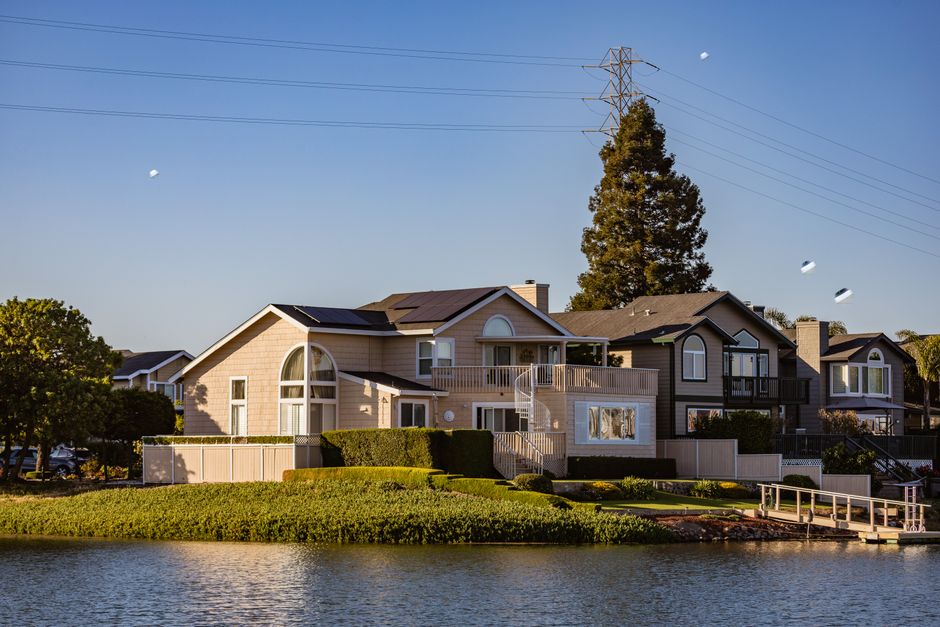
When clients say they want Tampa luxury, they often mean one of several distinct outcomes. Some want South Tampa proximity with polished streets, established homes, and predictable resale depth in areas like Palma Ceia, Beach Park, and Davis Islands. Others want a newer vertical product in Downtown or Water Street with concierge service, walkability, and lower maintenance. Another group is drawn to waterfront positioning in Sunset Park or along select riverfront pockets where privacy and lot quality carry more weight than interior finishes alone.
Those are not interchangeable choices. A waterfront buyer should think first about exposure, elevation, seawall condition, boat access, and what neighboring lots allow over time. A buyer targeting an urban tower should think about view protection, service level, parking arrangement, guest experience, and the real usability of amenities. A family relocating for schools and convenience may place higher value on daily drive times, lot shape, outdoor space, and how the home sits within the block than on broad market prestige.
Tampa also behaves differently from Miami or Palm Beach in one critical way: many affluent buyers here still want practicality with their finish level. They are not only buying image. They are buying a home that works for school runs, airport access, entertaining, and seasonal weather. That is why a property can look impressive online and still underperform once a serious buyer evaluates circulation, storage, traffic patterns, and actual waterfront livability.
What separates a strong listing from an expensive listing
In the current inventory set, buyers should expect a meaningful gap between ask and market-supported value. The first screen is obvious: location, land quality, architecture, and condition. The second screen is where better decisions happen. You need to know whether the house would be difficult to replace at today’s construction cost, whether the floor plan reflects how high-end buyers actually live now, and whether the seller’s pricing assumes a premium that the block does not consistently earn.
On the ground, we are seeing buyers pay up for properties that remove friction. That can mean a finished renovation with coherent materials, a lot with genuine water appeal rather than partial exposure, or a condo with a service model that feels credible from arrival to closing. It can also mean a house that reads correctly from the street. In luxury, curb composition, setback feel, and privacy screening still shape first impressions before anyone notices appliance brands.
There is also a local timing factor that matters in Tampa. Event-packed weekends can change how neighborhoods feel, especially near Downtown, Channelside, and major sports or entertainment corridors. Coverage from WTSP on heavy traffic during major Tampa weekends and local event guides such as Axios Tampa Bay are useful reminders that lifestyle value includes how a place performs when the city is busy, not only when a showing slot is quiet.
A practical checklist before you narrow the field
Before we advise a client to focus on a small set of luxury options, we reduce the search to a simple discipline: compare the assets that hold value, then verify the variables that can quietly weaken it. This is where confident buyers gain leverage, because they stop reacting to décor and start reading the property correctly.
- Compare block quality before interior finish level; a better location usually gives you more exit flexibility.
- Verify flood exposure, insurance history, and site conditions through official sources such as FEMA Map Service Center.
- Check ownership, lot dimensions, and tax record consistency with the Hillsborough County Property Appraiser.
- Measure real privacy: neighboring windows, rear-yard exposure, traffic noise, and future construction risk.
- For condos, review reserves, service standards, elevator flow, parking configuration, and guest handling.
- For waterfront homes, inspect dock utility, seawall status, water depth assumptions, and storm recovery practicality.
That list looks basic, but it is where many expensive mistakes begin. A buyer who skips this stage can easily overpay for a property that feels prestigious but does not wear well in daily life or hold its edge at resale.
How sophisticated buyers decide when inventory is thin
Thin inventory tends to create a false choice between paying any price or waiting indefinitely. In practice, the better path is to separate scarcity from quality. Some homes are scarce because they are genuinely hard to replicate. Others are scarce only because few owners are selling at the moment. Those are very different situations, and they should not command the same urgency.
In South Tampa, for example, a truly special lot, a protected view line, or rare waterfront usability can justify more decisive action. A generic renovation on an average interior lot usually does not. In Downtown towers, a specific stack, terrace, or orientation may deserve stronger conviction than a unit that relies mainly on staging and recent paint. In every case, the question is the same: if this asset came back to market two years from now, what exactly would another serious buyer still be paying for?
We also advise clients to evaluate carrying confidence, not just bid confidence. In August, Tampa buyers are dealing with heat, seasonal rain patterns, travel schedules, and a showing environment where some properties present better than they live. Patience is valuable when it helps you inspect the right things twice. It becomes costly only when it turns into indecision on a property that clearly checks the non-negotiables.
Why the first visit is rarely the real test
Luxury decisions in Tampa should be tested in layers. The first showing tells you whether the property belongs in consideration. The second visit should answer whether the house or condo still works once the emotional novelty is gone. That means seeing the street at another hour, driving the approach from the routes you would actually use, and noticing what happens to light, noise, and privacy as conditions change.
This matters more in Tampa than many buyers expect. A home can feel quiet midmorning and far less composed during school pickup or weekend traffic. A waterfront setting can feel broad from one angle and exposed from another. A tower residence can show beautifully in daylight but reveal service or access friction in the evening. High-end purchases reward repetition because quality should remain persuasive after the first impression fades.
The same standard applies to seller positioning. If the listing narrative is stronger than the property itself, that usually becomes obvious on a second pass. By contrast, the strongest homes often improve under scrutiny. Their site plan makes sense, their materials hold up, and their compromises are clear and acceptable rather than hidden.
The right next step is a narrow, informed search
Tampa luxury is still offering opportunity, but not evenly. Buyers who do well here are usually not the most aggressive. They are the most selective. They compare neighborhoods by use case, rank value by asset quality instead of décor, and verify the details that protect long-term confidence. That is how you move from browsing expensive homes to buying the right one.
If you are actively weighing Palma Ceia against Davis Islands, comparing a Downtown tower with a South Tampa single-family home, or trying to decide whether current pricing supports action, start with the inventory that fits your actual brief. Browse current opportunities at https://myluxurytampa.com/luxury-homes-for-sale/, then speak with an advisor at https://myluxurytampa.com/contact/ for a focused review of neighborhood fit, property tradeoffs, and what deserves a closer look before you write.
Market snapshot date: .
Your next move in Tampa luxury
Get current inventory, pricing guidance, and private-tour support from our brokerage team.
Source highlights
- Redfin: Tampa leads nation in luxury home price growth as affluent buyers fuel demand – Spectrum Bay News 9
- Nick Janovsky joins SERHANT. as Tampa luxury sales director – housingwire.com
- South Florida has nation’s biggest price gap between luxury and non-luxury homes. How about Tampa? – Tampa Bay Times
- Tampa, Miami lead nation in luxury home-price increases: report – Yahoo Finance
- The fastest-growing luxury housing markets in the U.S. in 2026 – qz.com
- Tampa and Miami Lead US in Luxury Home Price Growth, New Report Finds – NewsRadio WFLA
- Weekend events across Tampa Bay: Art of Banksy exhibit opens, back-to-school bash and more – WUSF
- Things to do with kids this weekend in Tampa, FL – That's So Tampa



