


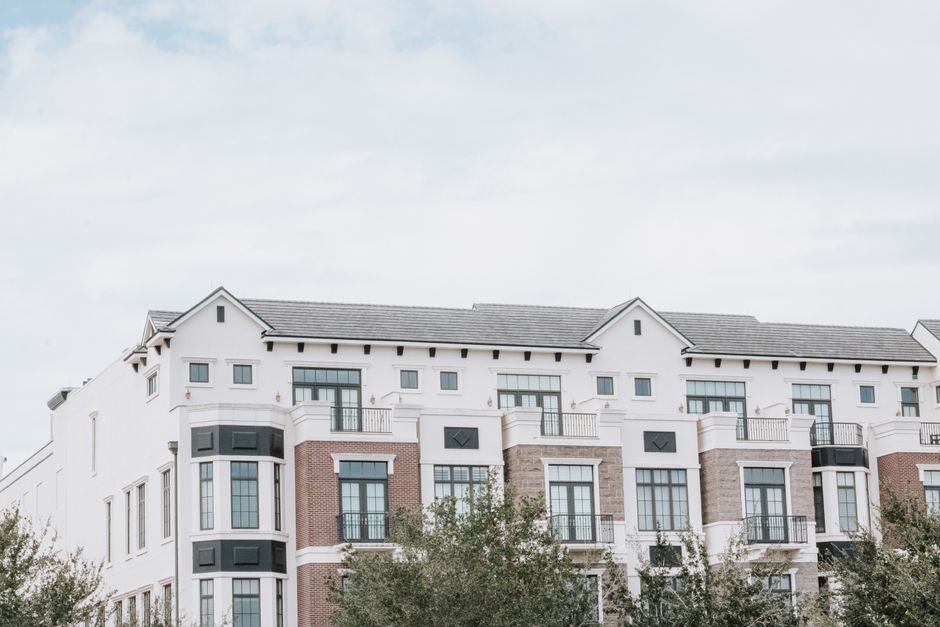
The Counter-Cyclical Strength of the Gulf Coast High-End Market
In the current macroeconomic environment, the Tampa luxury real estate sector is demonstrating a level of structural resilience that diverges significantly from broader national indicators. While many tier-one markets have experienced a cooling in volume and pricing, local data suggests a sustained appetite for high-capital acquisitions. This divergence is not accidental; it is the result of a deliberate shift in how affluent buyers view the Florida Gulf Coast, moving from a seasonal interest to a primary capital allocation strategy. Recent reporting from The Business Journals confirms that the region remains a stronghold for value retention even as other metropolitan areas face inventory saturation.
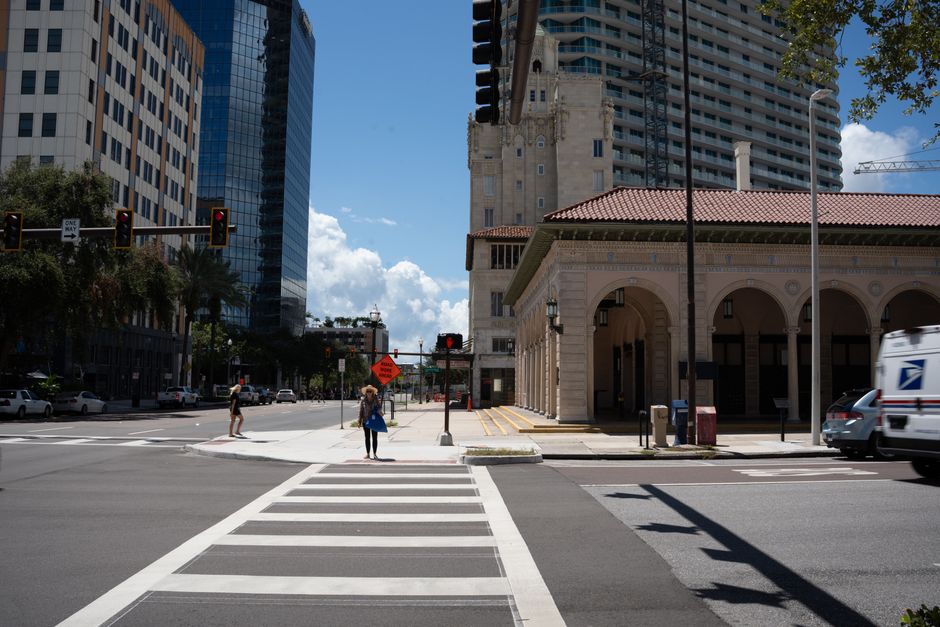
The current median list price for luxury assets in the region stands at approximately $2,272,925, with an average reaching closer to $2,980,421. These figures reflect a baseline that has moved upward over the last 36 months, driven by limited inventory in established enclaves such as Davis Islands and Beach Park. For the sophisticated buyer, the focus is less on short-term market timing and more on the scarcity of high-quality waterfront or historically significant properties. The current inventory of 120 active luxury listings provides a selective environment where well-positioned assets often command premium terms regardless of interest rate fluctuations.
Understanding this resilience requires an analysis of buyer behavior. We are seeing a transition from purely residential interest to a more integrated approach where buyers evaluate how commercial real estate trends navigate housing deals. The intersection of professional growth and high-end residential demand has created a floor for pricing that resists typical market volatility. As capital continues to flow into the Westshore and Downtown corridors, the surrounding residential neighborhoods benefit from a halo effect of infrastructure investment and professional density.
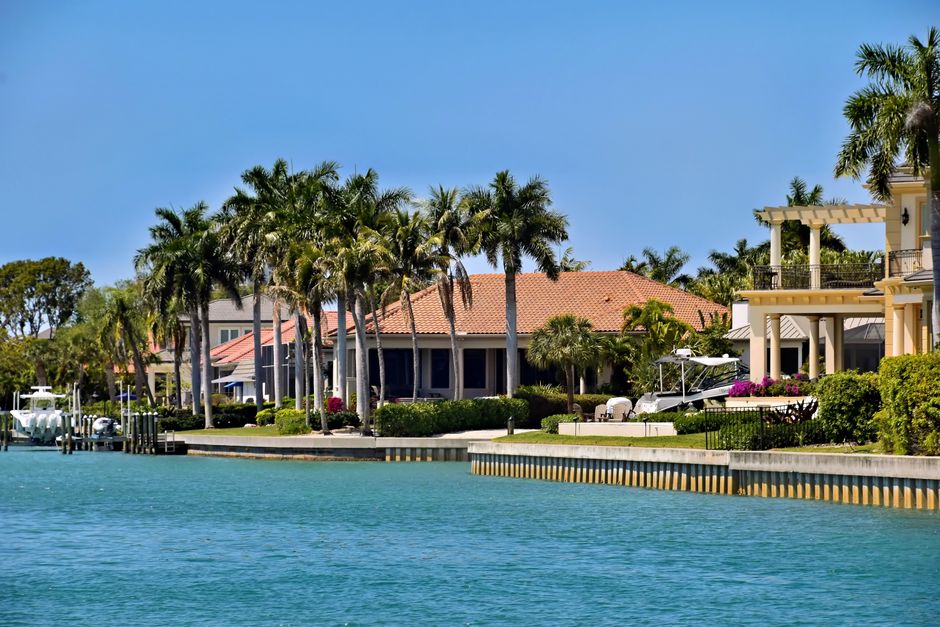
Asset Allocation: The Shift Between Waterfront Estates and Vertical Luxury
The choice between a sprawling suburban estate and a high-rise residence is increasingly driven by a desire for lifestyle efficiency rather than mere square footage. Tampa is currently recognized as an early-stage luxury condo market, offering significant upside for those entering the vertical space now. While neighborhoods like Bayshore Boulevard have long defined the city’s skyline, new developments are pushing the boundaries of service and amenity integration. These projects are attracting a demographic that prioritizes proximity to cultural hubs and professional centers over the maintenance requirements of a traditional estate.
Conversely, the single-family estate market remains the ultimate expression of exclusivity. The disparity in pricing is stark, illustrated by recent listings ranging from $1.5 million for high-end renovations in established pockets to an ambitious $115 million for singular trophy properties. According to the Wall Street Journal, the upper echelon of the market is testing new ceilings, suggesting that for the right asset, there is virtually no upper limit to what global capital is willing to deploy in the Tampa Bay area. This spectrum of opportunity allows for a diversified approach to real estate holdings within the same metropolitan area.
When comparing these two asset classes, investors must look at the velocity of the sub-market. While waterfront properties in South Tampa retain the highest price per square foot, the growth of luxury condos in the Water Street and Channel District areas offers a different liquidity profile. Buyers are increasingly looking for ‘lock-and-leave’ capability without sacrificing the bespoke finishes expected at this price point. This evolution in preference is reshaping the architectural landscape of the city, favoring glass and steel in the core while preserving the Mediterranean and Colonial revival aesthetics of the historic neighborhoods.
Neighborhood Dynamics and Emerging Investment Corridors
The traditional pillars of Tampa luxury—specifically Davis Islands, Hyde Park, and Culbreath Isles—continue to see intense competition for any available inventory. However, a noticeable shift is occurring as buyers look toward emerging corridors that offer larger lot sizes or more modern construction. Areas along the Dr. Martin Luther King Jr. Boulevard corridor and North Grady Avenue are seeing a surge in high-value redevelopment. For instance, recent transactions at prices near $2.9 million for multi-lot or commercial-to-residential conversions indicate that the luxury footprint is expanding beyond its historic boundaries.
This expansion is driven by both a lack of inventory in the core and a desire for more privacy and customization. Analytical buyers are identifying value in neighborhoods that were previously overlooked, applying the same rigorous standards for finishes and smart-home technology found in the more established zip-code-adjacent areas. This movement is not just about finding more space; it is about the maturation of the city’s infrastructure, which makes commuting and connectivity easier across a wider geographic range. The diversification of the luxury market means that a property on West Waters Avenue can now compete for the attention of a high-net-worth individual who might have previously only considered South Tampa.
To navigate these neighborhood shifts, buyers should work with an advisor who understands the micro-movements of each street. The difference between a property on a primary thoroughfare and one tucked away in a quiet cul-de-sac can represent a seven-figure swing in valuation. We recommend starting your search by viewing current listings to gauge the present quality of finish and architectural trends across these varying sectors. Monitoring these shifts in real-time is essential for identifying the next high-appreciation pocket before it becomes mainstream.
Due Diligence: A Framework for High-Value Acquisitions
Acquiring a luxury asset in a competitive market requires a disciplined approach to due diligence that goes beyond the standard home inspection. In Tampa, specific environmental and structural considerations can significantly impact the long-term cost of ownership and the future resale value. Buyers must be prepared to investigate flood zones, seawall integrity, and the specific nuances of Florida’s building codes. The goal is to eliminate variables and ensure that the investment is as sound as it is aesthetically pleasing.
- Verify the structural integrity of seawalls and dockage for all waterfront properties to avoid unforeseen multi-six-figure expenses.
- Analyze the elevation certificates and historical flood data to understand the long-term insurance implications.
- Assess the recent sales velocity in the immediate three-block radius to ensure the acquisition price aligns with true market value.
- Evaluate the potential for future development in adjacent lots that could impact privacy or views.
- Examine the quality of mechanical systems, specifically high-tonnage HVAC units required for the Florida climate.
- Review any historical preservation requirements that may limit exterior modifications in older neighborhoods.
Each of these points represents a critical junction in the decision-making process. A failure to account for seawall maintenance or flood insurance premiums can turn a high-performing asset into a liability. Furthermore, as the city grows, the impact of neighboring developments becomes a primary concern. The sophisticated buyer looks ten years ahead, considering how the skyline or the traffic patterns might change around their property. This forward-looking perspective is what separates a standard purchase from a strategic acquisition.
Infrastructure and Lifestyle Connectivity
The value of a luxury home in Tampa is inextricably linked to the city’s evolving infrastructure and cultural calendar. A property’s desirability is increasingly measured by its ‘frictionless’ access to private aviation, fine dining, and major events. The city’s investment in the downtown core and the expansion of the riverwalk have created a central nervous system for the luxury lifestyle. This connectivity is a major draw for buyers moving from more congested markets in the Northeast or West Coast, who find Tampa’s accessibility a refreshing change of pace.
However, this growth also necessitates a practical understanding of local logistics. For example, during high-profile event weekends, the City of Tampa often issues traffic advisories that can impact accessibility to certain neighborhoods. Whether it is a large-scale music show or a Broadway performance, as noted by WUSF, the city’s calendar is consistently active. For the luxury resident, navigating these events without disruption is part of the local expertise. Knowing which bridges to take or which side streets provide the most efficient exit from South Tampa during a festival is as much a part of homeownership as the design of the kitchen.
Beyond logistics, the cultural maturation of the region is a significant driver of real estate value. The presence of world-class arts, professional sports, and high-end shopping provides the lifestyle density that affluent residents expect. This environment fosters a sense of community among high-net-worth individuals, making the city not just a place to own property, but a place to build a long-term presence. The integration of high-end residential life with a sophisticated urban experience is a key reason why the Tampa market continues to outperform national trends.
Portfolio Protection and Long-Term Appreciation
In an era of economic uncertainty, real estate remains a primary tool for wealth preservation, provided the assets are selected with a focus on quality and location. In Tampa, the limited supply of premium land—particularly on the water or within historic districts—creates a natural barrier to entry that protects values. When you examine the most expensive home sales of the past year, the common thread is not just the size of the home, but the uniqueness of the site. This scarcity is the fundamental engine of appreciation in the high-end sector.
Strategic buyers should also consider the tax advantages of Florida residency, which continues to drive a steady influx of capital from high-tax states. This demographic shift provides a constant stream of demand for luxury properties, ensuring that the market remains liquid even during broader economic contractions. By focusing on properties with architectural integrity and modern amenities, owners can position their portfolios to capture both organic growth and the specific demand generated by this wealth migration. It is about identifying the properties that will remain desirable twenty years from now, regardless of the current trend.
Ultimately, the decision to acquire property in Tampa is a bet on the continued growth of the region’s economy and its increasing status as a global destination. For those who approach the market with an analytical mindset, the opportunities for significant capital appreciation are abundant. By leveraging local data and professional insights, you can navigate the complexities of this market and secure an asset that serves as both a private sanctuary and a powerful financial instrument. The key is to act with confidence, backed by a thorough understanding of the neighborhood-level mechanics that drive value.
The current window of opportunity in Tampa’s luxury sector requires both speed and precision. As inventory remains tight and competition for premier assets intensifies, having a dedicated advisor to source off-market opportunities and provide real-time market analysis is indispensable. We invite you to browse our current collection of high-end listings to understand the standard of excellence we represent. When you are ready to discuss your specific requirements and how we can facilitate your next acquisition, please contact an advisor at our firm for a confidential consultation.
Your next move in Tampa luxury
Get current inventory, pricing guidance, and private-tour support from our brokerage team.
Source highlights
- How Commercial Real Estate Can Navigate Tampa Bay Housing Deals, From Affordable To Luxury – Bisnow
- Tampa Bay luxury market grows stronger despite national declines – The Business Journals
- Tampa Bay’s most expensive luxury home sales of 2025 – Tampa Bay Times
- Tampa’s Price Record Is $22.5 Million. This Huge Estate Is Asking $115 Million. – WSJ
- Jennifer Zales Unveils Venetian Isles Waterfront Luxury Now Offered At A New Price – Haute Living
- Why Tampa remains an early-stage luxury condo market – Tampa Bay Business & Wealth
- Tampa Bay area events this weekend: A 'Wicked' performance, Broadway Unhinged and cliff diving – WUSF
- Tampa weekend events: Concerts, festivals and downtown family fun — What to know before you go – FOX 13 Tampa Bay



