


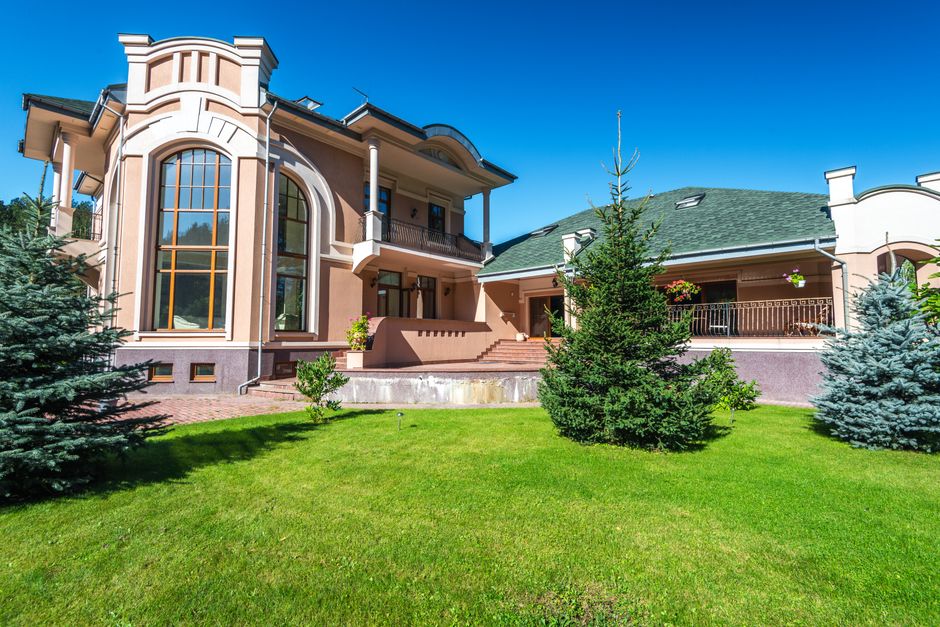
Strategic Asset Allocation in the Tampa Luxury Sector
The Tampa luxury real estate market is currently characterized by a curated inventory of approximately 120 active high-end listings. With a median list price established at $2,272,925 and an average reaching closer to $2,980,421, the barrier to entry has shifted significantly over the last 24 months. For the sophisticated buyer, these figures represent more than just a price tag; they indicate a market that has matured into a stable, high-value environment where capital preservation is as critical as aesthetic appeal.
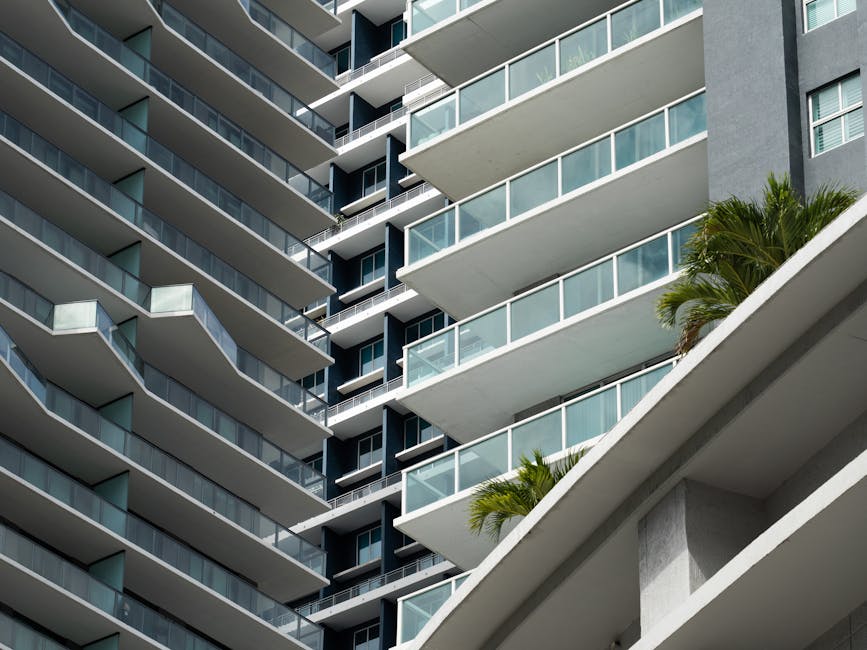
Current inventory levels suggest a tight but highly specialized selection. We are seeing a move away from speculative builds toward properties that offer substantial architectural integrity and historical significance, particularly in the established corridors of South Tampa. When evaluating these assets, advisors must look beyond surface-level finishes and prioritize the underlying land value and structural longevity, especially as the demand for larger residential parcels continues to outpace new supply in premium districts.
Understanding the distinction between median and average pricing in this segment is vital for accurate appraisal. While the median sits near $2.3 million, the presence of multi-million dollar estates on the waterfront frequently skews the average upward. This discrepancy highlights a bifurcated market: one tier consisting of luxury condominiums and townhomes in urban centers, and a second tier of sprawling single-family estates. Buyers should verify whether a property’s valuation is driven by land scarcity or temporary design trends before committing to a long-term position.
Neighborhood Selection: Hyde Park vs. Bayshore Boulevard
Location remains the primary driver of value retention, but the nuances between Tampa’s premier neighborhoods require careful analysis. Hyde Park offers a blend of historic preservation and walkability that few other Florida markets can replicate. Its proximity to the specialized retail and dining sectors provides a level of lifestyle density that supports consistent appreciation. Here, the focus is often on renovated bungalows and modern infill projects that respect the existing scale of the neighborhood while introducing high-performance systems.
Conversely, Bayshore Boulevard represents the pinnacle of waterfront visibility. The linear park and continuous sidewalk create a unique urban edge that commands a premium for unobstructed views. However, buyers must weigh the prestige of a Bayshore address against the logistical considerations of high-traffic transit corridors. In these areas, the valuation is heavily weighted toward the specific elevation and the quality of the building envelope, given the exposure to coastal elements. It is a market where technical due diligence on storm mitigation and drainage infrastructure is non-negotiable.
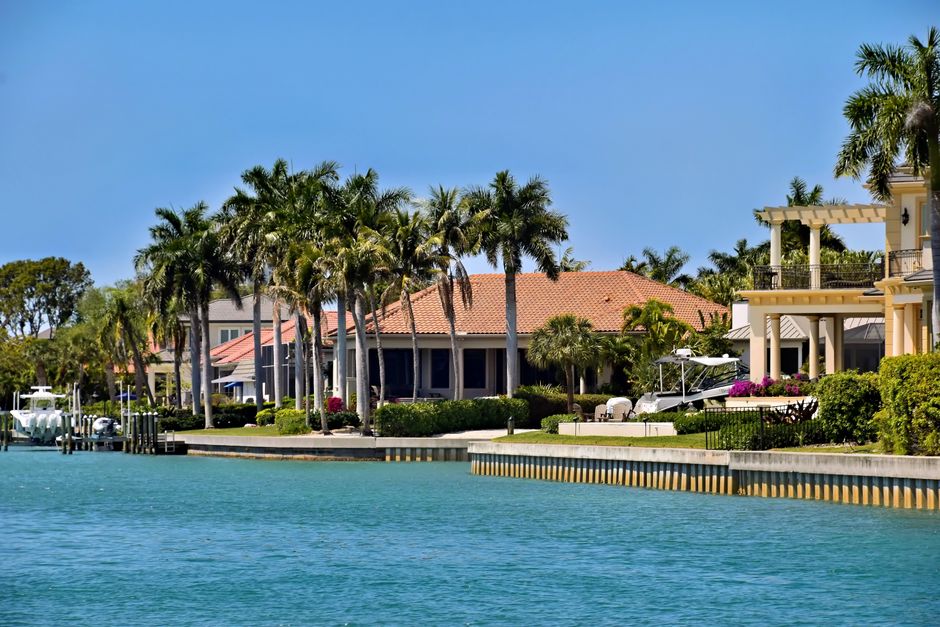
Beyond these established cores, we are observing increased interest in neighborhoods like Davis Islands and Culbreath Isles. These areas offer a different privacy profile, often preferred by buyers seeking gated environments or deep-water access for larger vessels. The decision-making process here should involve a detailed comparison of dockage rights, canal depths, and the long-term viability of the surrounding seawalls. As noted by Florida Realtors, the state’s luxury segment continues to see a sustained influx of out-of-state capital, further insulating these specific micro-markets from broader economic volatility.
Evaluating Urban Connectivity and Lifestyle Density
The integration of luxury residential assets with urban cultural infrastructure is a major trend in the current Tampa landscape. The proximity to the Straz Center for the Performing Arts and the evolving Water Street district has created a new standard for urban living. Major events, such as the recent performances of ‘Wicked’ and Broadway Unhinged, demonstrate the cultural vibrancy that supports high-end valuations in the downtown core. For many buyers, the ability to access world-class entertainment without extensive travel is a primary motivator.
However, this lifestyle density comes with logistical trade-offs. Prospective residents must account for the heavy traffic patterns that accompany event-packed weekends in the city. According to FOX 13 Tampa Bay, weekend festivals and downtown events can significantly alter local transit times, making neighborhood selection even more critical for those who value time efficiency. Analyzing traffic advisories and city planning schedules is now a standard part of our advisory process for urban luxury acquisitions.
The shift toward high-density luxury living is also evident in the commercial-residential hybrid developments popping up along the riverfront. These properties often include sophisticated security protocols, private concierge services, and high-performance noise attenuation—features that are becoming baseline requirements for the modern affluent buyer. When comparing these options, it is essential to review the long-term management contracts and the stability of the homeowners’ associations to ensure the building’s standards remain consistent with the initial investment.
Technical Due Diligence for Luxury Acquisitions
Acquiring a property in the $2M+ range requires a more rigorous inspection and verification process than standard residential transactions. We recommend a multi-disciplinary approach that includes structural engineers, specialized HVAC technicians for high-efficiency systems, and land-use consultants for properties with potential for expansion. This is particularly relevant given the current National Association of Realtors guidelines on property disclosure and the increasing complexity of local building codes.
- Verification of all updated flood elevation certificates and current insurance premium projections.
- Comprehensive inspection of seawalls, dockage, and riparian rights for waterfront parcels.
- Audit of smart-home integration systems and cybersecurity infrastructure.
- Review of historic preservation easements or restrictive covenants in South Tampa districts.
- Soil density testing and environmental surveys for land-only or major redevelopment acquisitions.
Each of these points serves as a critical checkpoint in the negotiation process. In a market with limited inventory, sellers often hold the leverage, but a technically sound inspection report can provide the necessary data to justify a price adjustment or ensure the buyer is not inheriting significant deferred maintenance. It is often the hidden systems—electrical panels, drainage basins, and roofing substrates—that determine the true cost of ownership over the first five years.
The Rise of Commercial-Residential Hybrid Assets
An emerging trend in the Tampa market is the convergence of commercial-grade quality with residential design. We are seeing more listings that utilize steel-frame construction, curtain-wall glass systems, and industrial-grade mechanicals—materials typically reserved for commercial skyscrapers. This shift is driven by a desire for extreme durability and the ability to withstand Florida’s unique climate conditions. Properties that incorporate these elements often command a higher price per square foot but offer significantly lower maintenance costs over time.
Furthermore, the demand for land that can serve both personal and investment purposes is growing. Properties that offer the flexibility to add accessory dwelling units or those zoned for light commercial use are becoming highly sought after by investor-buyers. As noted by Bloomberg, the trend of high-net-worth individuals relocating their businesses and residences to the same region is accelerating, making these hybrid assets a strategic choice for wealth concentration.
When evaluating these opportunities, it is crucial to consult with zoning experts to understand the long-term development potential of the site. A residential parcel with the ability to transition into a multi-use asset represents a significant hedge against market fluctuations. This is particularly relevant in areas undergoing rapid revitalization, where the land value may eventually eclipse the value of the existing structures. Strategic buyers look for these “land-heavy” deals as a way to secure future optionality.
Long-Term Value Retention in a Mature Market
As the Tampa market stabilizes at these higher price points, the focus for many owners turns to value retention. Properties that maintain their premium status are those that avoid overly trendy design choices and instead prioritize timeless materials and functional layouts. High-end finishes like natural stone, solid wood millwork, and integrated cabinetry are standard, but the real value lies in the flow of the home and its ability to adapt to changing lifestyle needs. A home that can easily accommodate a multi-generational family or a high-performance home office will always have a broader exit market.
In addition to physical attributes, the management of the surrounding environment plays a role in property values. Neighborhoods with active community associations that advocate for infrastructure improvements and public safety often see better long-term appreciation. The City of Tampa official website frequently updates residents on transit improvements and neighborhood enhancements, which should be monitored as part of any long-term investment strategy. Being aware of planned park expansions or utility upgrades can provide a competitive advantage in identifying the next high-appreciation pocket.
Finally, the psychological aspect of luxury buying cannot be ignored. In a market where 120 units are shared among thousands of high-net-worth individuals, the rarity of the asset becomes a major component of its worth. Whether it is a unique architectural style or a double-sized lot in a landlocked neighborhood, the “scarcity factor” is a powerful driver of price. Buyers should seek out properties with at least one or two non-replicable features that will distinguish the home from new inventory in the future.
Strategic Entry Points and Finalizing the Acquisition
Navigating the current landscape requires a proactive and data-driven strategy. With median prices exceeding $2.2M, the margin for error is slim. It is essential to work with an advisor who can provide deep-dive analytics on comparable sales, going beyond simple square footage to look at the quality of finishes, age of mechanical systems, and neighborhood-specific demand drivers. Entering the market with a clear understanding of your non-negotiables—whether it is waterfront access or proximity to the city’s top cultural venues—will streamline the search and allow for more aggressive negotiation when the right property appears.
The inventory constraints we are seeing today are likely to persist, as the desirability of the Tampa region continues to attract national and international interest. For those looking to secure a position in this market, the current selection offers a unique opportunity to acquire assets that are built to a modern standard of luxury. By prioritizing technical due diligence and focusing on long-term value drivers, buyers can move forward with confidence, knowing their investment is backed by one of the strongest real estate economies in the country.
To explore the most exclusive inventory currently available, we invite you to browse our curated listings of premium estates and penthouses. For a confidential consultation regarding market trends, valuation analysis, or to begin your property search, please contact one of our senior advisors today. We are committed to providing the technical expertise and local insight required to navigate the Tampa luxury market with precision and success.
Your next move in Tampa luxury
Get current inventory, pricing guidance, and private-tour support from our brokerage team.
Source highlights
- Tampa Bay area events this weekend: A 'Wicked' performance, Broadway Unhinged and cliff diving – WUSF
- Tampa weekend events: Concerts, festivals and downtown family fun — What to know before you go – FOX 13 Tampa Bay
- Things to do with kids this weekend in Tampa, FL – That's So Tampa
- Weekend Traffic Advisory: April 10 – 12 – City of Tampa (.gov)
- Tampa Bay area events this weekend: Laser light music show, Sneaker Kulture and Badge Bowl – WUSF
- City officials expect heavy traffic in Tampa amid an event-packed weekend – wtsp.com



