


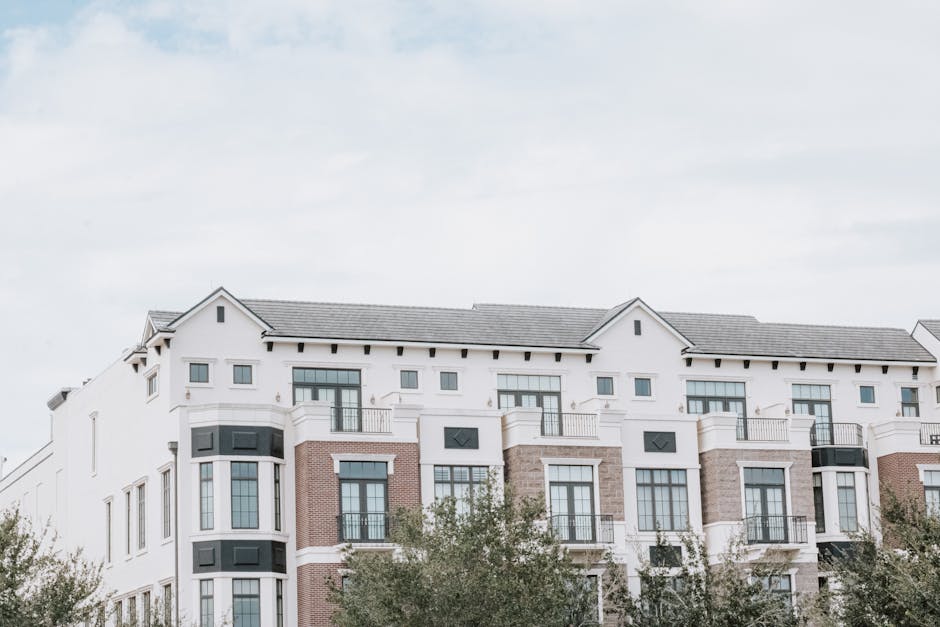
The Localized Divergence of Tampa’s High-End Inventory
As we move through the midpoint of 2026, the Tampa luxury real estate market continues to demonstrate a structural decoupling from broader national trends. While many secondary markets across the United States have seen a cooling in high-end transaction volume, Tampa remains a significant outlier. Recent data indicates that luxury home prices in Tampa are surging at a rate that places the city among the top seven fastest-growing metropolitan areas in the country this year. This momentum is not merely a carryover from previous cycles but a reflection of sustained capital inflow and a fundamental shift in buyer demographics.
The current inventory reflects this strength, with the average list price for luxury properties now hovering near $2,980,421. This figure is supported by a median list price of $2,272,925, suggesting a healthy distribution of assets across the primary luxury and ultra-luxury tiers. Buyers are no longer viewing Tampa as a value-play relative to South Florida, but as a primary destination for wealth preservation. For an analytical perspective on these rising valuations, qz.com reports on the rapid price acceleration seen in specific high-growth cities, highlighting the unique trajectory of the local market.
Understanding this divergence requires a look at the active inventory, which currently sits at approximately 120 units in the luxury category. This relatively tight supply creates a competitive environment where decision-speed is paramount. Investors and primary residents alike are competing for a limited pool of assets that meet modern standards for architectural integrity and technology integration. To navigate this landscape effectively, it is essential to monitor luxury homes for sale with a focus on immediate availability and long-term equity potential.
Neighborhood Dynamics and the Evolution of South Tampa
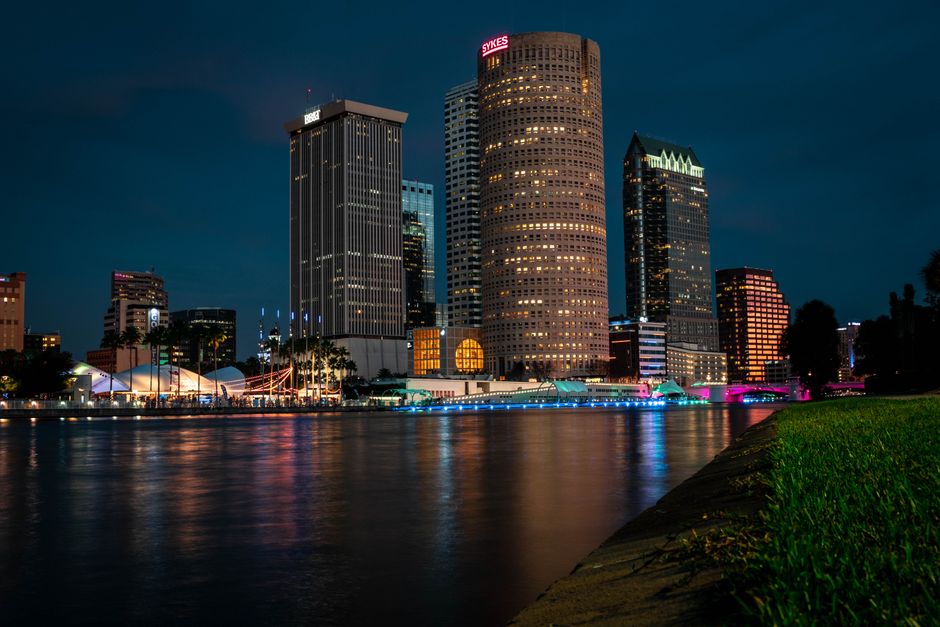
South Tampa remains the gravitational center for luxury acquisitions, though the boundaries of desirable pockets are expanding. Areas such as Davis Islands and Palma Ceia continue to command the highest premiums due to their historical stability and proximity to the city’s private education corridors. However, we are observing a notable shift in buyer behavior toward Westshore and the areas surrounding Water Street. These neighborhoods are benefiting from massive infrastructure investments that have fundamentally altered the urban fabric, making them increasingly attractive to executives who prioritize walkable access to high-end dining and professional hubs.
The regional market’s resilience is further documented by The Business Journals, which notes that Tampa Bay’s luxury sector has grown stronger even as national metrics fluctuate. This localized strength is partly due to the lack of speculative overbuilding in the high-end segment. Most current listings, such as those found on Grady Avenue or West Waters Avenue, represent carefully curated developments or custom-built estates rather than mass-produced luxury products. This scarcity of generic inventory reinforces price floors across the most sought-after neighborhoods.
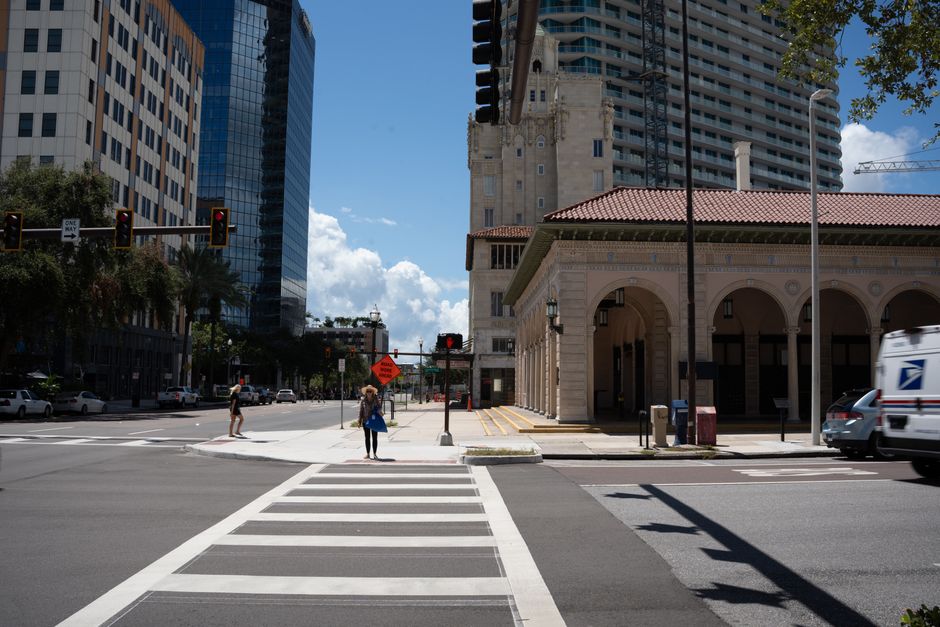
For buyers focused on South Tampa, the logistical considerations of metropolitan living are becoming increasingly relevant. City officials have noted that heavy traffic is becoming more common during event-packed weekends, particularly around the downtown core. According to reports from wtsp.com, managing these seasonal and event-driven traffic flows is a key consideration for those choosing between the serenity of Davis Islands and the high-energy environment of Water Street. This nuance in lifestyle should guide the selection of a primary residence as much as the internal finishes of the property itself.
The Strategic Rise of the Vertical Luxury Market
One of the most significant shifts in the 2026 landscape is the maturation of the luxury condo market. Traditionally a market dominated by single-family estates, Tampa is seeing a surge in demand for high-rise residences that offer a ‘lock-and-leave’ lifestyle. This transition is being led by a cohort of buyers who are downsizing from large suburban estates but are unwilling to compromise on service or square footage. These vertical communities are not just residential towers; they are integrated ecosystems featuring concierge services, private wellness centers, and climate-controlled storage for art and wine collections.
Industry analysis from Tampa Bay Business & Wealth suggests that while Tampa remains in the early stages of its luxury condo evolution, the trajectory is clear. The demand for units priced above $2M has consistently outpaced supply, leading to a rapid absorption of new developments before they even reach completion. This trend is particularly evident in the downtown corridor, where the proximity to the Riverwalk and the emerging medical and tech districts provides a compelling narrative for long-term appreciation.
For those accustomed to the autonomy of a private estate, the transition to a luxury condo requires a different set of due diligence criteria. Prospective owners must evaluate the strength of the homeowner association, the long-term maintenance schedule for shared amenities, and the specific rights regarding private elevator access and terrace modifications. As the market for these assets continues to tighten, identifying opportunities early in the development cycle is the most effective way to secure preferred floor plans and views. Professional guidance is recommended to navigate these complex contracts and ensure that the investment aligns with your broader portfolio goals.
Critical Due Diligence for High-Stakes Acquisitions
Success in the current market environment requires a rigorous approach to due diligence that goes beyond standard home inspections. When evaluating properties in the $2M to $10M+ range, the focus must shift to structural longevity and regulatory compliance. This is especially true for waterfront assets, where seawall integrity and elevation requirements can have significant implications for future insurability and resale value. A strategic buyer should approach every acquisition with an analytical brief that covers both the physical asset and the legal framework surrounding it.
- Verification of seawall engineering and recent structural surveys for all bayfront properties.
- Analysis of 12-month trailing comparable sales to identify pricing anomalies in specific sub-neighborhoods.
- Review of private drainage systems and local flood mitigation infrastructure.
- Assessment of smart-home technology compatibility and existing security system redundancies.
- Evaluation of deed restrictions or historical preservation mandates that may limit future renovations.
- Confirmation of school zoning stability and private transportation access during peak hours.
The scale of the Tampa market is reaching new heights, exemplified by the arrival of ultra-luxury estates with unprecedented price tags. A recent report by the Wall Street Journal highlights a record-breaking $115 million asking price for a local estate, a move that significantly shifts the ceiling for what is possible in the region. While this represents the extreme end of the spectrum, it signals to high-net-worth individuals that Tampa is now a legitimate peer to markets like Palm Beach and Greenwich. This increase in the pricing ceiling often exerts upward pressure on the lower luxury tiers, making current entry points increasingly attractive.
Commercial Intersections and Mixed-Use Influence
The convergence of commercial and residential luxury is another hallmark of the 2026 market. We are seeing an increase in buyers who are interested in mixed-use opportunities or properties that offer both residential comfort and commercial utility. For example, the availability of large parcels on Dr. Martin Luther King Jr. Boulevard for $2.9M highlights a trend where luxury residential development is being paired with commercial sale potential. This hybrid approach allows investors to hedge their residential holdings with income-producing assets in the same geographical footprint.
As noted by Bisnow, the ability of commercial real estate to navigate housing deals is becoming a key factor in how luxury developments are structured. High-end buyers are increasingly looking for properties that are part of larger, master-planned environments that include office space, retail, and hospitality. This synergy creates a ‘halo effect’ that can insulate property values during broader market corrections. Buyers should look for assets that benefit from these commercial tailwinds, particularly in the Westshore and Downtown districts.
This intersection of asset classes also introduces new complexities in terms of zoning and long-term land use. A sophisticated advisor can help you understand how nearby commercial developments might impact the privacy or view corridors of a residential acquisition. Whether you are looking at a pure residential play or a commercial-residential hybrid, the objective remains the same: identifying assets that offer the best risk-adjusted returns in a high-growth environment. The current inventory of land and commercial-sale properties in Tampa provides a unique opportunity for those with the vision to execute complex development strategies.
Tactical Negotiation and Execution in 2026
In a market with only 120 active luxury units, the negotiation process is as much about positioning as it is about price. Sellers in this bracket are often highly capitalized and under no pressure to liquidate, meaning that traditional low-ball offers are rarely effective. Instead, successful acquisitions are built on clean terms, rapid closing timelines, and a clear understanding of the seller’s motivations. We are seeing an increase in non-contingent offers and the use of specialized bridge financing to secure properties before they are even publicly listed.
The role of a senior advisor in this environment is to provide the data-backed confidence required to make these high-stakes decisions. This involves more than just showing properties; it requires a deep dive into market velocity, micro-neighborhood trends, and the specific history of an asset. By analyzing the average list price of nearly $3M against the most recent closed sales, we can determine the ‘true’ market value of a property, stripping away the noise of aspirational pricing. This analytical approach ensures that our clients are not just buying a home, but acquiring a strategic asset at a defensible price point.
To begin your search for an exceptional property that aligns with your financial and lifestyle objectives, we invite you to explore our curated selection of luxury homes for sale. Our team is prepared to provide the neighborhood-level implications and practical takeaways necessary to navigate this complex market. Once you have identified potential assets of interest, please contact an advisor to arrange a private briefing and begin the due diligence process. We are committed to providing the specific, confident guidance required for successful acquisitions in the Tampa luxury sector.
Your next move in Tampa luxury
Get current inventory, pricing guidance, and private-tour support from our brokerage team.
Source highlights
- How Commercial Real Estate Can Navigate Tampa Bay Housing Deals, From Affordable To Luxury – Bisnow
- Luxury home prices are surging fastest in these 7 U.S. cities in 2026 – qz.com
- Tampa Bay luxury market grows stronger despite national declines – The Business Journals
- Tampa Bay’s most expensive luxury home sales of 2025 – Tampa Bay Times
- Tampa’s Price Record Is $22.5 Million. This Huge Estate Is Asking $115 Million. – WSJ
- Why Tampa remains an early-stage luxury condo market – Tampa Bay Business & Wealth
- Tampa Bay area events this weekend: A 'Wicked' performance, Broadway Unhinged and cliff diving – WUSF
- Tampa weekend events: Concerts, festivals and downtown family fun — What to know before you go – FOX 13 Tampa Bay



