


Inventory Dynamics and the Pricing Delta
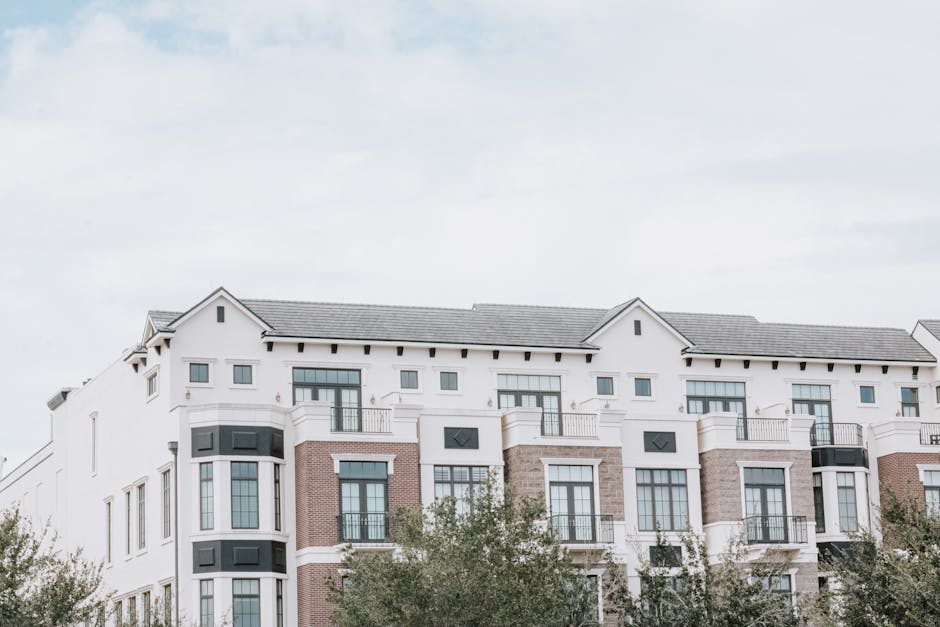
The Tampa luxury real estate sector has transitioned into a phase of significant maturation, characterized by a clear divergence between entry-level luxury and the ultra-high-net-worth segment. Current market data reveals 120 active luxury listings, with a median list price established at $2,275,000. However, the average list price has climbed to $2,997,096, indicating a heavy concentration of premier assets at the top of the stack that are pushing market boundaries beyond historical norms. This delta suggests that while the core luxury market remains active, the ceiling for trophy properties is expanding independently of broader economic headwinds.
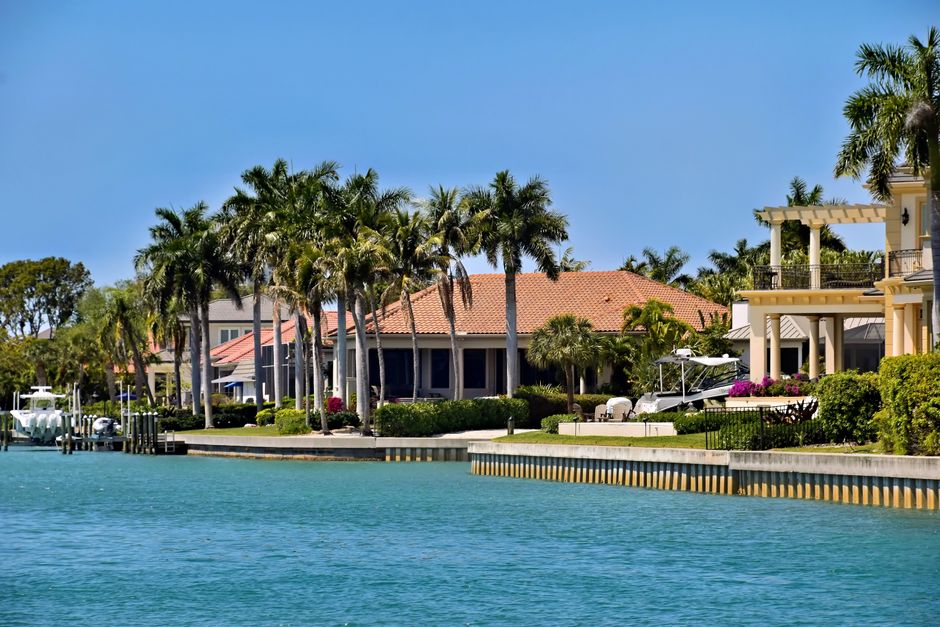
For the sophisticated buyer, these figures represent a move toward equity preservation rather than speculative growth. The inventory absorption rate remains steady, particularly in the South Tampa corridor, where land scarcity continues to be the primary driver of value. Buyers are increasingly prioritizing renovated or new-construction assets over legacy estates that require extensive capital expenditure. This preference is reflected in recent transactions where modern architectural standards and hardened infrastructure command a significant premium over traditional Mediterranean styles that dominated the previous decade.
Understanding the current inventory requires a look at the variety of available assets, ranging from commercial-residential mixed-use opportunities to expansive private estates. Recent entries into the market include significant holdings such as the properties along West Dr. Martin Luther King Jr. Boulevard and North Grady Avenue, showcasing the breadth of the current luxury portfolio. As prices continue to align with national luxury hubs, the focus for advisors has shifted toward identifying specific properties that offer long-term structural integrity and neighborhood-level stability. Tampa Bay’s luxury market remains resilient, even as other national markets experience cooling, primarily due to the sustained influx of high-net-worth individuals seeking domestic relocation.
Neighborhood-Level Valuations and Urban Integration
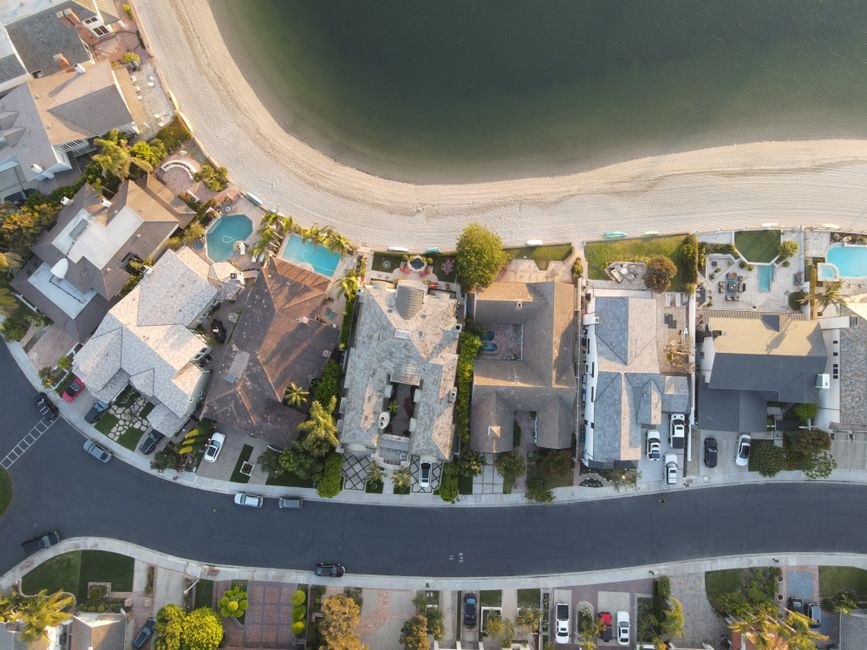
Neighborhood selection in Tampa has become an exercise in analyzing granular data rather than general popularity. Areas like Davis Islands and Beach Park continue to lead in price per square foot, largely due to their unique geographical constraints and proximity to the city’s expanding urban core. The development of Water Street and the revitalization of the downtown waterfront have fundamentally altered the value proposition for nearby residential enclaves like Hyde Park and Palma Ceia. Buyers are no longer just purchasing a home; they are acquiring a position within a rapidly evolving metropolitan infrastructure that prioritizes walkability and high-end commercial integration.
The shift in buyer behavior is most evident in the increasing demand for properties along Bayshore Boulevard, where the combination of iconic status and modern amenity access remains a benchmark for the region. As the city invests in resilient infrastructure and transportation, the surrounding neighborhoods are seeing a correlated rise in long-term asset value. Strategic advisors now look for ‘pocket’ locations within these established areas that offer the same logistical advantages as prime waterfront lots but at a slightly lower entry point, providing a more defensive posture in a high-valuation environment.
Furthermore, the integration of commercial and residential interests is a key factor in current market movement. Developments that blur the lines between high-end living and professional hubs are attracting a new demographic of buyers who value efficiency and proximity to institutional-grade services. According to recent industry analysis, commercial real estate trends are increasingly influencing luxury housing deals, as developers seek to capitalize on the synergies between professional services and high-end residential demand. This trend is particularly strong in the North Tampa and Westshore corridors, where commercial expansion is driving a new wave of residential redevelopment.
Institutional Drivers and Macro-Migration Trends
The sustained strength of the Tampa luxury market is deeply tied to broader macroeconomic shifts and favorable tax policies that continue to draw capital from high-tax states. Florida’s position as a destination for wealth migration is not a temporary phenomenon but a structural shift in domestic population distribution. This is reflected in the steady demand for primary residences that can accommodate a modern, home-centric professional life, with dedicated office suites, sophisticated security systems, and robust digital infrastructure becoming standard requirements for high-end acquisitions.
Institutional investment in Tampa’s infrastructure, from healthcare expansions to technological hubs, provides a solid foundation for residential real estate values. This institutional backing ensures that the luxury market is supported by more than just consumer sentiment; it is anchored by a diverse and growing economic base. Advisors are closely monitoring these developments, as the proximity to major employment centers and world-class amenities continues to be a primary filter for affluent buyers who are relocating their families and businesses to the region.
The impact of national tax shifts cannot be overstated in this context. As affluent households evaluate their long-term financial positioning, the lack of state income tax and the relative affordability of high-end real estate compared to New York or California remain compelling. Recent reports highlight that Florida real estate continues to surge amid shifting tax landscapes, reinforcing the state’s role as a safe harbor for capital. This migration is driving the 2026 market toward a more mature equilibrium where quality and location are the ultimate arbiters of value.
Buyer’s Strategic Verification Checklist
In a market where valuations are hitting new peaks, performing rigorous due diligence is essential for protecting a significant capital investment. The following checklist identifies critical areas that buyers and their representatives must verify before finalizing a luxury acquisition in the Tampa metropolitan area:
- Assessment of structural resiliency and flood zone mitigation measures, including current elevation certificates and insurance premium projections.
- Evaluation of the land-to-structure value ratio, particularly in high-demand areas like South Tampa where land value often exceeds the building’s worth.
- Verification of proximity to private aviation and maritime infrastructure for buyers requiring specific logistical access.
- Review of architectural provenance and the quality of construction materials used in recent renovations or new builds.
- Analysis of neighborhood-level appreciation trends versus speculative pricing outliers in the immediate vicinity.
- Investigation of future zoning changes or planned commercial developments that could impact residential privacy or views.
High-End Benchmarks and Record-Setting Transactions
The ceiling for Tampa luxury real estate is being redefined by a handful of record-setting listings that have captured national attention. The emergence of properties with asking prices exceeding $100 million has shifted the perception of what is possible in the region. These ‘trophy’ assets are not just residential holdings; they are significant architectural and historical statements that serve as benchmarks for the entire market. While these prices may seem exceptional, they reflect a growing confidence in Tampa as a premier global destination for ultra-high-net-worth individuals.
The presence of these high-value listings has a cascading effect on the broader luxury segment. It establishes a new psychological anchor for sellers and provides a reference point for appraisers dealing with unique, one-of-a-kind estates. For buyers, it signals that the market has the depth to support significant exits in the future, which is a critical consideration for those viewing real estate through the lens of asset diversification. This maturity is a key reason why Tampa’s pricing records are being challenged by expansive estates, moving the city into a different conversation regarding luxury real estate tiers.
This upward movement is supported by the fact that luxury prices in cities like Tampa are surging faster than in many other national hubs. Investors are recognizing that the quality of life, combined with a robust economic trajectory, offers a better risk-adjusted return than more saturated markets. Analysts note that luxury home prices in select U.S. cities are surging in 2026, with Tampa consistently appearing as a leader in this trend. This momentum is sustained by both local upgrades and international interest, creating a competitive environment for the most desirable properties.
Lifestyle Anchors and Market Resilience
The long-term value of real estate is inextricably linked to the quality of the environment it occupies. Tampa’s commitment to maintaining a high standard of public amenities, cultural events, and metropolitan services contributes directly to the resilience of its housing market. Whether it is the expansion of the Riverwalk or the hosting of major professional events, these anchors provide a sense of place that is difficult to replicate. For the luxury buyer, this means that their investment is supported by a community that is actively investing in its own future.
Market health is also visible in the active engagement of the community in high-end lifestyle events. From curated dining experiences to waterfront festivals, the social fabric of the city is a significant draw for those looking for more than just a place to reside. Those looking for local engagement can find a variety of premier things to do in Tampa this month, ranging from Broadway performances to exclusive social gatherings. These events serve as a barometer for the city’s vitality and its ability to attract the demographic that fuels the luxury real estate sector.
As we move through the middle of 2026, the outlook for the Tampa luxury market remains positive but increasingly selective. Success for both buyers and sellers will depend on their ability to interpret market data with nuance and to understand the specific neighborhood drivers that create lasting value. While the broader market may fluctuate, the fundamental demand for high-quality, well-located residential assets in Florida’s premier urban center remains a constant in the current economic landscape. Navigating this environment requires a disciplined approach and a focus on long-term goals rather than short-term market noise.
For those seeking to capitalize on current market conditions or to find a residence that aligns with a specific professional and personal requirement, a deep understanding of local inventory is paramount. We invite you to browse our current luxury listings to evaluate the latest opportunities in the South Tampa and waterfront regions. To discuss your specific investment criteria or to receive a private market assessment, please contact an advisor today for a confidential consultation.
Your next move in Tampa luxury
Get current inventory, pricing guidance, and private-tour support from our brokerage team.
Source highlights
- How Commercial Real Estate Can Navigate Tampa Bay Housing Deals, From Affordable To Luxury – Bisnow
- Luxury home prices are surging fastest in these 7 U.S. cities in 2026 – qz.com
- Tampa Bay luxury market grows stronger despite national declines – The Business Journals
- Tampa Bay’s most expensive luxury home sales of 2025 – Tampa Bay Times
- Florida luxury real estate surges amid record listings, tax shifts – MSN
- Tampa’s Price Record Is $22.5 Million. This Huge Estate Is Asking $115 Million. – WSJ
- Things To Do In Tampa This Weekend: Fun Festivals & Events In Tampa This Weekend – That's So Tampa
- Tampa Bay area events this weekend: A 'Wicked' performance, Broadway Unhinged and cliff diving – WUSF



