


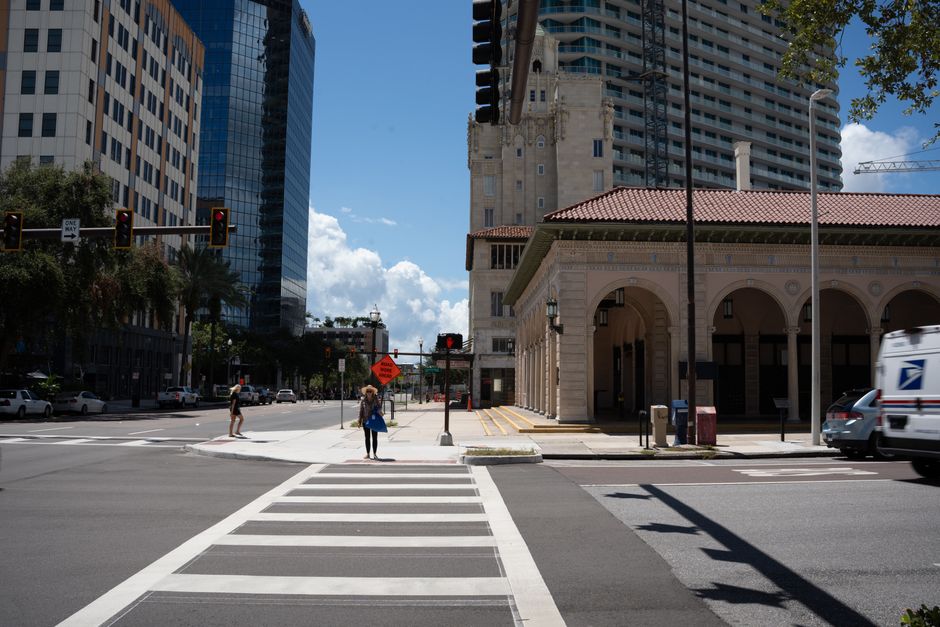
While the broader United States housing market has faced persistent headwinds from macroeconomic adjustments and shifting interest rate expectations, the Tampa luxury sector has maintained a distinct and resilient trajectory. As we move through the midpoint of 2026, the local high-end market demonstrates a decoupling from national cooling trends, driven by a sustained influx of private capital and a fundamental scarcity of premium inventory. Sophisticated buyers are no longer viewing the West Coast of Florida through the lens of seasonal acquisition but rather as a primary destination for long-term capital preservation.
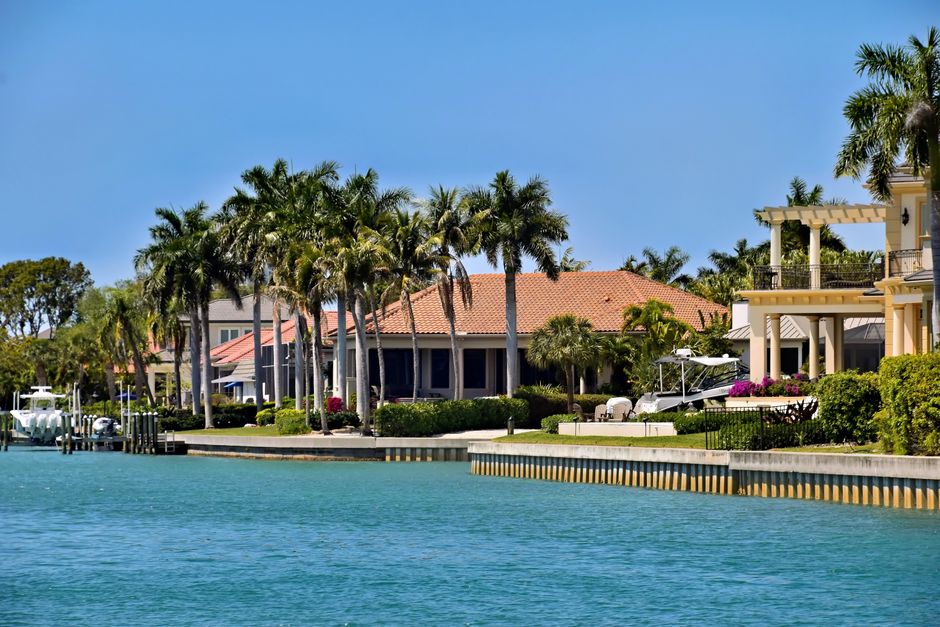
Data from recent industry reports indicates that the region’s high-end tier is expanding its footprint even as other metropolitan hubs experience transaction volume retreats. According to The Business Journals, the Tampa Bay luxury market has grown stronger despite national declines, a testament to the region’s economic diversification. This resilience is underpinned by a shift in buyer psychology: the focus has moved from speculative gain toward the acquisition of legacy assets in established neighborhoods like Davis Islands and Hyde Park.
The current landscape is defined by a flight to quality. Buyers are prioritizing properties that offer not just architectural significance but also proximity to the evolving infrastructure of the urban core. This demand is met with a relatively lean inventory of approximately 120 active luxury units, creating a competitive environment where decision-useful data and rapid execution are paramount for successful acquisition. Understanding the nuances of these micro-markets is essential for any advisor navigating the current pricing thresholds.

Inventory Dynamics and the $2 Million Threshold
The benchmark for luxury in Tampa has undergone a significant upward adjustment. With a current median list price sitting at $2,275,000, the entry point for a premium single-family residence in South Tampa now frequently exceeds previous record highs. The average list price, nearing $2,997,096, reflects a market that is increasingly dominated by the ultra-high-end segment. This pricing movement is not merely inflationary; it is supported by a subset of exceptional properties that have redefined the local ceiling for luxury valuation.
Inventory constraints remain the primary catalyst for price stability. With only 120 active listings in the luxury tier, the supply-demand imbalance continues to favor sellers who possess well-maintained assets in AAA locations. For instance, recent market activity shows that properties in the $1.5 million to $3 million range, such as those found near Grady Avenue, are seeing consistent interest from buyers who are pivoting away from the volatility of traditional equity markets. This transition toward tangible real estate assets is a hallmark of the 2026 investment climate.
Furthermore, as reported by qz.com, luxury home prices in Tampa are surging faster than in most other major U.S. cities. This trend suggests that the local market has reached a level of maturity that allows it to withstand broader economic cycles. For buyers, this means that while the cost of entry is higher, the potential for long-term value retention remains robust compared to secondary markets across the Sun Belt.
Neighborhood Analysis: South Tampa and Davis Islands
The concentration of wealth remains focused on several key corridors that offer a blend of historical charm and modern utility. Davis Islands continues to be a primary target for high-net-worth individuals, specifically those seeking a combination of privacy and deep-water access. The island’s limited land mass ensures that inventory remains perpetually scarce, insulating property values from broader market fluctuations. The architectural diversity found here, ranging from Mediterranean Revival to ultra-modern custom builds, provides a unique landscape for discerning collectors of real estate.
In South Tampa, neighborhoods like Palma Ceia and Hyde Park are benefiting from their proximity to the redevelopment projects in the downtown district. The appeal of walkability and the presence of highly-rated education options continue to drive demand from families relocating from the Northeast and California. We are observing a trend where buyers are willing to pay a premium for properties that have been fully modernized, as the cost and complexity of new construction remain significant hurdles in the current supply chain environment.
Beach Park and the Bayshore Boulevard corridor also represent significant pockets of value, though for different reasons. Bayshore’s iconic status as the longest continuous sidewalk in the world provides a permanent value floor for any property with a front-row view of the bay. Meanwhile, Beach Park offers larger lot sizes and a more suburban feel while remaining minutes from the international airport and the Westshore business district. These areas are increasingly competitive as buyers look for more square footage without sacrificing urban convenience.
Strategic buyers should also monitor the movement in more emerging luxury pockets. Areas just north of the traditional South Tampa boundaries are seeing substantial reinvestment, as evidenced by properties like the multi-million dollar residential-commercial opportunities on West Dr. Martin Luther King Jr. Boulevard. This northward expansion of luxury capital indicates a broadening of the market’s boundaries as core areas become fully built out.
The Intersection of Commercial Strategy and Residential Acquisition
One of the more sophisticated trends in the 2026 market is the crossover between commercial real estate strategies and residential acquisitions. Investors are increasingly looking for properties that offer flexible use cases or significant land value that could be repositioned in the future. This analytical approach to home buying mirrors the due diligence processes found in institutional commercial deals, focusing heavily on zoning, future land use, and potential for density.
According to Bisnow, the ability of commercial real estate to navigate housing deals is becoming a key factor in the luxury market’s health. This intersection is particularly visible in the commercial sale opportunities on West Waters Avenue, where high-traffic visibility and significant land value attract buyers who view their residence as part of a larger portfolio of regional assets.
For the private buyer, this means understanding the surrounding commercial landscape is just as important as the property itself. The expansion of high-end retail, professional services, and corporate headquarters into the Tampa Bay area provides a foundation for sustained residential demand. A home is no longer just a place to live; it is a stake in the region’s overall economic trajectory. Advisors who can bridge the gap between residential lifestyle and commercial utility are providing the highest level of value to their clients.
Strategic Due Diligence Checklist
Navigating the acquisition of a seven or eight-figure asset requires more than a simple inspection. In the current market, the verification of structural integrity and environmental compliance is a prerequisite for any serious offer. Buyers must look beyond the aesthetic finishes to ensure the underlying fundamentals support the valuation. The following checklist outlines the critical components of a sophisticated due diligence process in the Tampa region:
- Verification of flood zone designation and the impact of the latest FEMA map revisions on long-term insurance premiums.
- Comprehensive analysis of local zoning changes and planned infrastructure projects within a three-mile radius.
- Assessment of recent tax shifts and the potential impact of new Florida legislation on homestead exemptions.
- Structural evaluation of seawalls and dockage for waterfront properties, including depth surveys for maritime assets.
- Review of historical permit data to ensure all previous renovations were executed according to local code.
- Evaluation of the property’s energy efficiency and climate resilience features, particularly in light of summer temperature trends.
Adhering to this level of scrutiny ensures that an acquisition is not just a lifestyle choice but a sound financial decision. As MSN reports, Florida luxury real estate continues to surge amid tax shifts, making the verification of tax implications a vital step in the closing process.
Tax Migration and High-Water Mark Transactions
The influx of wealth from high-tax jurisdictions remains a dominant theme in the Tampa market. We are seeing a sustained pattern of relocation from the Northeast and the Midwest, driven by the search for both lifestyle improvements and a more favorable fiscal environment. This migration is not just bringing buyers; it is bringing a new level of expectation for luxury service and property specifications. This has led to the emergence of ultra-high-end listings that would have been unthinkable in the local market just a decade ago.
A prime example of this upward trajectory is the record-breaking activity in the region’s most exclusive enclaves. As noted by the Wall Street Journal, the ceiling for luxury pricing in Tampa is being pushed to new heights, with some estates now asking for amounts that challenge long-standing records. While the $100 million threshold is a rarity, the fact that such discussions are even occurring is a signal of the city’s newfound status on the global stage.
This institutionalization of the luxury market means that appraisals and valuations are increasingly based on regional and even national comparisons rather than just local historical sales. For sellers, this creates an opportunity to position their assets for a global audience. For buyers, it necessitates a more sophisticated understanding of the factors that drive value at the highest levels of the market. The ability to identify properties that will appreciate in this new environment is what separates a successful acquisition from a simple purchase.
Market Seasonality and the Summer Outlook
As we enter the summer months of 2026, the market is adjusting to the seasonal shifts in activity. While the high heat and occasional rain typical of June and July can sometimes slow the pace of physical viewings, the digital engagement with premium listings remains at an all-time high. Buyers who are active during this period often find themselves with slightly less competition, providing a window of opportunity for those ready to execute on a well-researched strategy.
Local lifestyle factors also continue to play a role in the market’s appeal. Despite the summer humidity, the region remains active with high-profile events. According to FOX 13 Tampa Bay, the city continues to host significant concerts, festivals, and downtown events that draw visitors and potential residents alike. Navigating the city during these event-packed weekends requires a local’s knowledge of traffic and logistics, which further underscores the importance of a well-connected advisor.
The outlook for the remainder of 2026 remains cautiously optimistic. While the rapid price appreciation of the last few years may begin to normalize into a more sustainable growth pattern, the underlying fundamentals of the Tampa luxury market—limited supply, strong migration, and a growing economic base—remain firmly in place. For those looking to secure a position in one of the country’s most resilient real estate markets, the time to conduct thorough research and identify high-value opportunities is now.
To navigate the nuances of these micro-markets and secure an asset that aligns with your portfolio goals, we recommend a focused review of current availability. We invite you to browse our curated luxury listings or contact a private advisor to discuss your specific requirements and receive a confidential market assessment.
Your next move in Tampa luxury
Get current inventory, pricing guidance, and private-tour support from our brokerage team.
Source highlights
- How Commercial Real Estate Can Navigate Tampa Bay Housing Deals, From Affordable To Luxury – Bisnow
- Luxury home prices are surging fastest in these 7 U.S. cities in 2026 – qz.com
- Tampa Bay luxury market grows stronger despite national declines – The Business Journals
- Tampa Bay’s most expensive luxury home sales of 2025 – Tampa Bay Times
- Florida luxury real estate surges amid record listings, tax shifts – MSN
- Tampa’s Price Record Is $22.5 Million. This Huge Estate Is Asking $115 Million. – WSJ
- Tampa Bay area events this weekend: A 'Wicked' performance, Broadway Unhinged and cliff diving – WUSF
- Tampa weekend events: Concerts, festivals and downtown family fun — What to know before you go – FOX 13 Tampa Bay



