


The Current State of Tampa’s Luxury Inventory
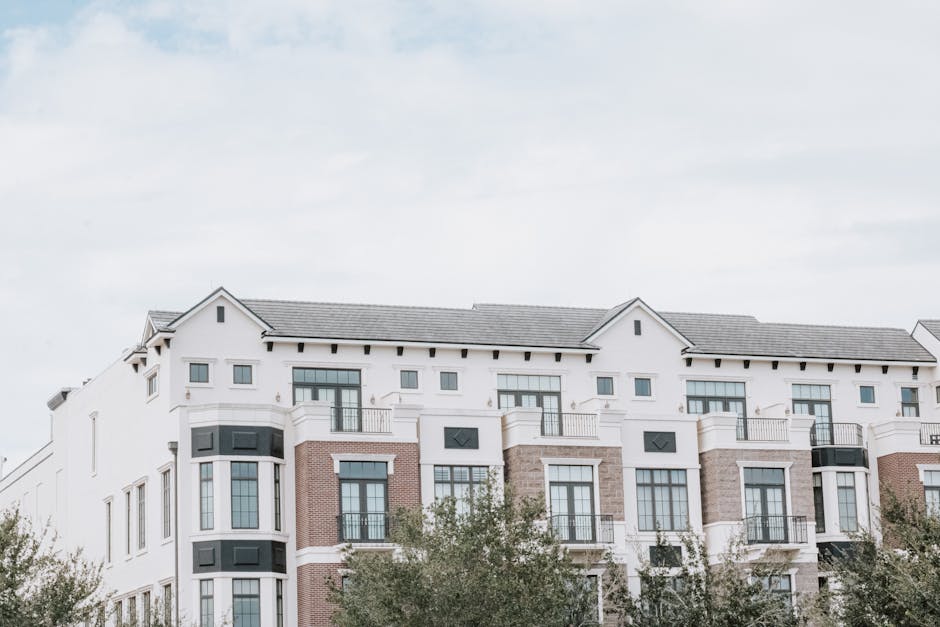
The local premium property landscape has matured significantly over the past market cycle, moving from a regional retreat destination to a primary hub for wealth relocation. As of this quarter, our localized tracking indicates approximately one hundred and twenty active luxury listings, establishing a highly specific environment for acquiring premier real estate. The median list price currently sits at just over two and a quarter million dollars, while the average listing price approaches the three million dollar threshold. This mathematical spread clearly indicates a healthy mix of entry-level luxury estates alongside ultra-premium compounds that heavily weight the upper end of the market.
Buyers entering the market must understand that these figures reflect a fundamental shift in how the region is valued by institutional and private capital alike. According to recent economic coverage detailing how luxury home prices are surging fastest in select U.S. cities, the broader Tampa area remains a primary focal point for high-net-worth migration. The continuous influx of sophisticated capital means that properly priced, well-situated properties continue to move efficiently, defying broader national housing slowdowns.
The resilience of this specific real estate sector is driven by concrete economic fundamentals rather than temporary speculation. Structural economic shifts, corporate headquarters relocations, and a highly favorable tax environment continue to anchor regional demand. As noted by industry observers tracking Tampa Bay’s strengthening luxury market, the region operates on a foundation that insulates it from the extreme volatility seen in traditional coastal hubs. Buyers should enter negotiations informed by these localized strengths, recognizing that prime assets hold their value rigorously.
Rather than relying solely on aggregate data, buyers must segment the market by specific neighborhoods and architectural styles. A two million dollar valuation acquires a vastly different asset profile in a densely populated historic district compared to a gated suburban golf community. Recognizing these micro-market dynamics and how they correlate with long-term asset appreciation is the essential first step in formulating a successful and secure acquisition strategy.
Neighborhood Valuations: Beyond the Address
Evaluating property requires looking past the prestige of the street name to understand the underlying zoning, lot utility, and historical appreciation of the specific block. South Tampa, particularly sought-after neighborhoods like Palma Ceia and Sunset Park, commands a premium due to established oak canopies, larger lot dimensions, and immediate proximity to elite private education. In these specific corridors, land value often dictates the transaction parameters more heavily than the existing structure itself, prompting a wave of sophisticated custom builds.
On Davis Islands and within the boundaries of Hyde Park, buyers are navigating strict historical preservation guidelines alongside complex flood zone elevations. The prestige of these specific addresses is undeniable, yet the acquisition often involves accepting comprises on modernization or committing to rigorous, multi-year renovation processes. The ceiling for property values in these sectors continues to rise rapidly, punctuated by historic sales that redefine local market expectations. For context on the shifting upper limits of the region, the Wall Street Journal recently highlighted an estate asking over one hundred million dollars, clearly signaling the arrival of an ultra-luxury tier previously unseen in the bay area.
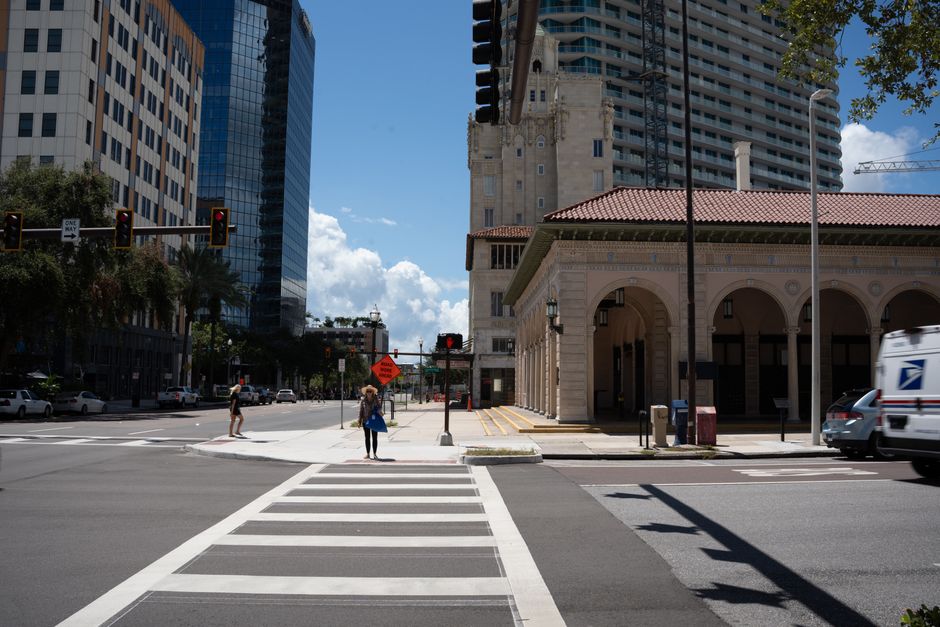
Downtown Tampa and the adjacent Channelside district present a completely different asset class tailored to a different buyer profile. High-rise living here offers turnkey convenience, integrated security, and expansive panoramic views, but buyers must critically scrutinize condominium association reserves, impending special assessments, and the developer’s historical track record. A high-floor penthouse acquisition requires rigorous financial diligence regarding the building’s operating health, not just an emotional appraisal of the interior finishes and sightlines.
Structural Integrity and Coastal Realities
Florida real estate demands a highly forensic approach to physical due diligence. The aesthetic appeal of a property is always secondary to its structural resilience, particularly concerning moisture management, wind load engineering, and base flood elevation. Premium properties must be evaluated strictly on the quality of their building envelope and the capacity of their mechanical systems to handle the region’s severe humidity and intense seasonal heat without faltering.
Older estates in established neighborhoods frequently feature charming architectural details but may hide obsolete electrical systems, deteriorating cast-iron plumbing, or inadequate thermal insulation. Modernizing these foundational systems often requires opening walls and navigating current, significantly more stringent municipal building codes. Buyers must factor these inevitable, high-cost capital expenditures into their initial valuation models to avoid overextending on a structurally compromised, albeit beautiful, asset.
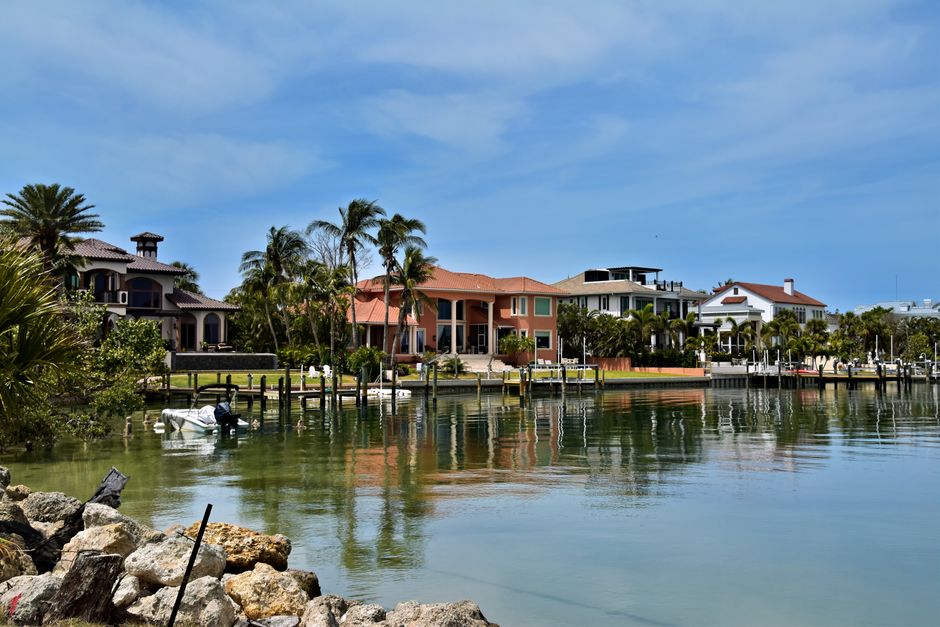
Waterfront property introduces an additional layer of technical complexity that requires specialized consultation. The presence of a seawall requires rigorous inspection; its age, construction material, and structural depth dictate substantial future liabilities. Furthermore, the functional navigability of the adjacent waterway—specifically regarding draft restrictions for larger vessels and fixed bridge clearances—directly impacts the utility and, consequently, the institutional resale value of the estate.
Finally, understanding the localized insurance landscape is entirely non-negotiable for the affluent buyer. Premiums for windstorm and flood coverage have adjusted significantly in recent years to reflect true environmental risk. Properties built to the latest coastal construction standards benefit from highly favorable underwriting, whereas older, non-compliant structures may face prohibitive annual carrying costs that silently erode their long-term investment viability over a holding period.
Essential Due Diligence for Premium Acquisitions
Sophisticated buyers treat a real estate purchase with the exact same analytical rigor as a corporate acquisition or equity investment. This requires moving entirely past the visual presentation, staging, and marketing narrative to demand comprehensive documentation regarding the property’s complete history, structural construction, and legal standing. Relying solely on standard residential inspection contingencies is often insufficient for properties operating in the upper pricing deciles.
Before committing substantial capital to a transaction, buyers should execute a highly structured, objective verification process. This diligence ensures that the physical asset performs not just as a primary residence or seasonal retreat, but serves as a stable, appreciating component of a broader wealth preservation strategy.
- Verify coastal construction standards by scrutinizing recent structural engineering certifications and the integrity of the building envelope.
- Evaluate immediate site sightlines and meticulously investigate future zoning changes on adjacent parcels to protect premium view corridors.
- Review neighborhood comparable sales logically, cleanly separating direct open-water premiums from standard canal or landlocked valuations.
- Assess the property’s immediate logistical access to major transit arteries, specialized medical facilities, and private aviation terminals.
- Audit the provenance and municipal permitting history of any recent substantial renovations to ensure complete legal compliance.
- Commission specialized inspections for critical infrastructure, including marine structures, smart home ecosystems, and commercial-grade HVAC networks.
Skipping any of these critical verification steps can lead to massive unforeseen liabilities that complicate future dispositions. A thorough, unyielding auditing process provides the empirical leverage needed during the inspection period to either renegotiate financial terms favorably or exit a fundamentally flawed transaction without penalty.
The Influence of Local Infrastructure and Culture
The sustained financial value of Tampa’s premier residential neighborhoods is inextricably linked to the region’s rapidly evolving cultural and civic infrastructure. High-net-worth individuals are not just purchasing a physical structure; they are actively investing in the operational efficiency and lifestyle amenities of the surrounding environment. Immediate proximity to established cultural institutions, fine dining corridors, and highly secure green spaces serves as a permanent price floor for surrounding real estate.
Access to premier events and local cultural programming also serves as a primary driver of neighborhood desirability. Whether attending a high-profile art exhibition, a professional sporting event, or one of the many curated music and cultural events throughout the bay area, affluent residents expect a sophisticated calendar of activities within a short radius. This intense localized demand ensures sustained interest and high liquidity in core geographic pockets.
Traffic patterns, infrastructure development, and commute friction are equally critical metrics to evaluate. The geographic layout of the peninsula means that properties with multiple, efficient egress options to the central business district or the international airport command a distinct pricing premium. Buyers must meticulously evaluate the daily operational reality of a specific address, as the friction of a difficult, congested commute can severely detract from the enjoyment of an otherwise flawless estate.
Navigating the Transaction and Negotiation
The negotiation mechanics in the upper tier of the Tampa market require a highly nuanced, data-backed approach rather than emotional bargaining. Sellers of premium assets are typically well-capitalized, highly experienced, and completely immune to traditional, aggressive pressure tactics. Success in this arena requires presenting a clean, highly structured offer that minimizes the seller’s perceived risk while systematically protecting the buyer’s invested capital.
Currently, a significant and growing portion of premier transactions occur entirely off-market. Discretion and privacy are often paramount for both parties, meaning that public listing aggregates only tell a fraction of the current market story. Accessing this exclusive shadow inventory requires buyer representation that holds deep, established relationships within the local community and can effectively match qualified buyers with quiet sellers long before public syndication occurs.
When assessing pricing validity, buyers must carefully deconstruct the seller’s valuation methodology. Is the asking price based on recent, verified comparable sales in the immediate vicinity, or is it an aspirational figure based entirely on the cost of recent bespoke renovations? Upgrades tailored strictly to the current owner’s personal taste rarely translate dollar-for-dollar in the open market, and accurately identifying these specific discrepancies provides critical leverage during initial price negotiations.
Strategic Next Steps for Affluent Buyers
Securing a premium property in this sophisticated environment requires moving definitively beyond casual market observation and adopting a disciplined, analytical posture. The most successful and financially sound acquisitions occur when buyers establish clear criteria regarding acceptable geographic parameters, necessary structural baselines, and absolute maximum valuation thresholds well before entering the active market.
With a localized inventory base of over one hundred active luxury properties, there is sufficient market volume to identify the right asset, provided the search is targeted and highly informed by ground-level data. The critical task is separating intrinsic, underlying property value from temporary market noise, focusing entirely on assets that offer structural integrity, prime geographic positioning, and long-term utility.
To begin a strategic evaluation of current market opportunities, we invite you to carefully review our curated portfolio of Tampa luxury properties. When you are ready to refine your acquisition strategy, evaluate specific neighborhoods, and execute a discrete transaction, contact our advisory team to discuss your specific requirements and gain priority access to both our public and private off-market inventory.
Your next move in Tampa luxury
Get current inventory, pricing guidance, and private-tour support from our brokerage team.
Source highlights
- How Commercial Real Estate Can Navigate Tampa Bay Housing Deals, From Affordable To Luxury – Bisnow
- Luxury home prices are surging fastest in these 7 U.S. cities in 2026 – qz.com
- Tampa Bay luxury market grows stronger despite national declines – The Business Journals
- Florida luxury real estate surges amid record listings, tax shifts – MSN
- Tampa Bay’s most expensive luxury home sales of 2025 – Tampa Bay Times
- Tampa’s Price Record Is $22.5 Million. This Huge Estate Is Asking $115 Million. – WSJ
- Things To Do In Tampa This Weekend: Fun Festivals & Events In Tampa This Weekend – That's So Tampa
- Tampa Bay area music events this weekend: Emo Night and Puccini’s La Bohème – WUSF


