


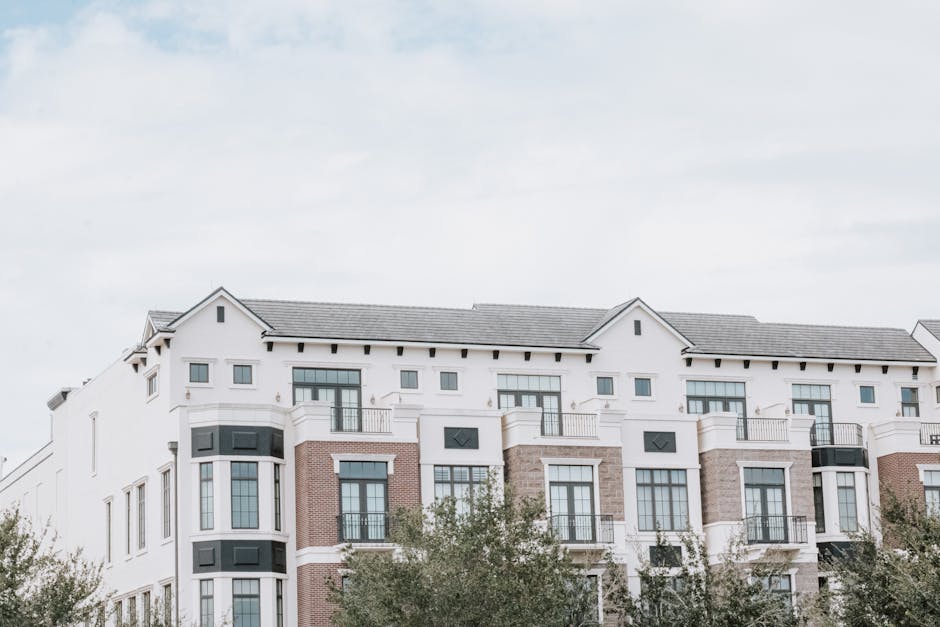
The Evolving Landscape of South Tampa Acquisitions
The Tampa luxury market has transitioned from a period of rapid acceleration to a more nuanced, sophisticated phase where value is defined by hyper-local variables. Current data reflects a median list price of approximately $2,272,925 across the premier corridors of South Tampa and the surrounding waterfront enclaves. This maturation is underscored by a record-breaking shift in high-end inventory, as sellers adjust to a landscape that demands more than just a prime location. While the average list price hovers near $2,937,321, the actual closing figures are increasingly dictated by a property’s integration with the city’s expanding infrastructure and private security amenities.
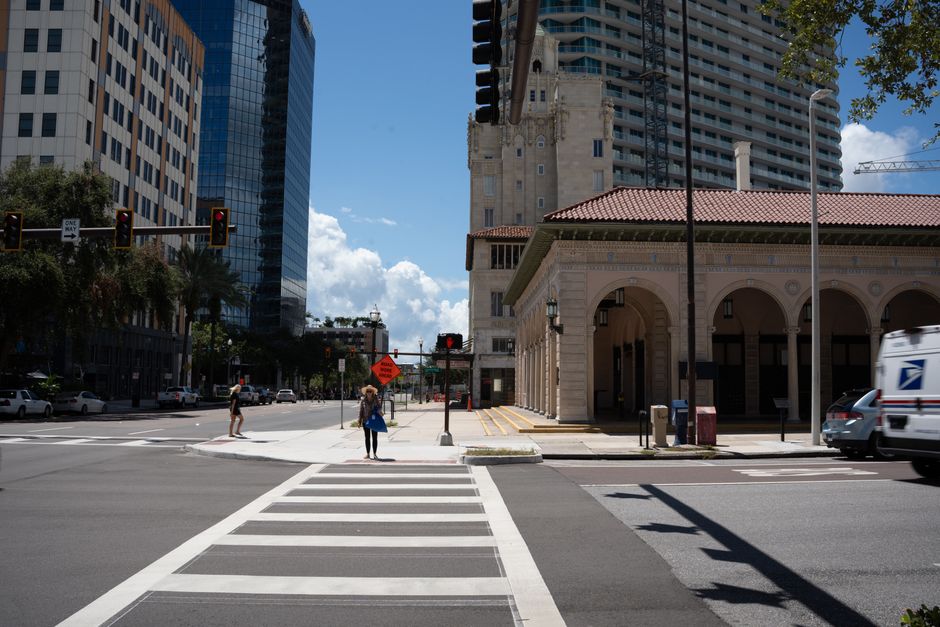
For the senior buyer advisor, the focus has shifted from mere availability to long-term structural integrity and neighborhood stability. Established areas such as Davis Islands and Hyde Park continue to command a premium, but the criteria for ‘luxury’ have expanded to include advanced sustainability features and integrated home automation. As recent market signals suggest, the ceiling for Tampa real estate is being redefined by massive estates that signal a new era of global interest in the region. Navigating this requires a deep understanding of current luxury homes for sale and the specific architectural nuances that retain value in a humid, coastal environment.
Buyer behavior in 2026 is increasingly data-backed. Decisions are no longer made on aesthetics alone; they are informed by historical price per square foot metrics and the projected impact of nearby commercial developments. We are seeing a move away from sprawling suburban estates toward more curated, manageable properties in the heart of the city’s cultural districts. This trend is particularly evident in the demand for properties like those found on West Dr. Martin Luther King Jr Boulevard, where strategic positioning offers both privacy and accessibility to the city’s core business centers.
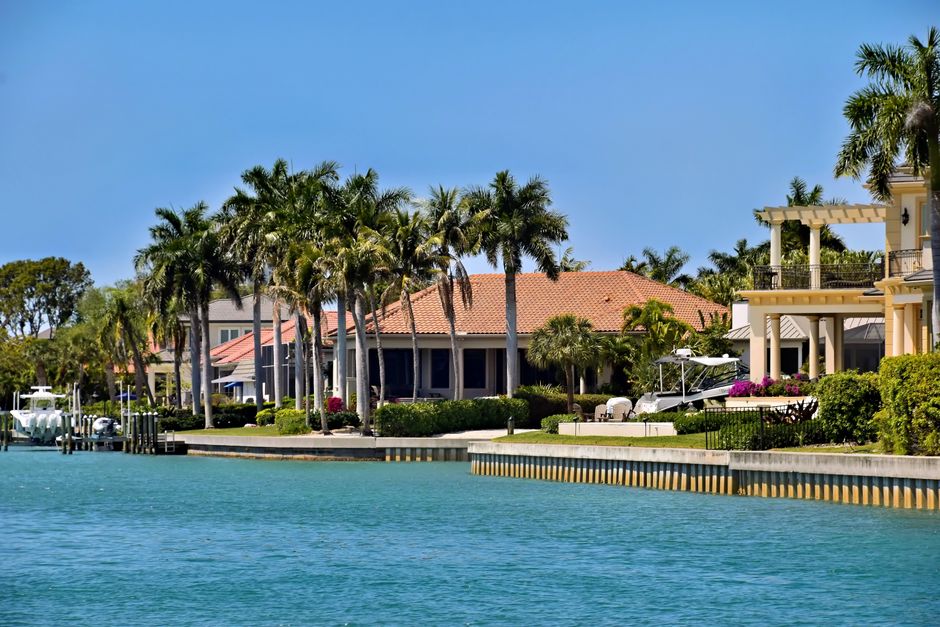
Comparing Waterfront Estates and the Rise of Vertical Luxury
The choice between a traditional single-family estate on Bayshore Boulevard and a high-rise residence in Water Street or the Westshore Marina District has become a central point of comparison for affluent buyers. Historically, Tampa was dominated by the desire for land and private docks. However, the emergence of full-service luxury condos has introduced a new variable into the market. While Tampa remains an early-stage luxury condo market compared to Miami or Palm Beach, the growth trajectory is undeniable. Buyers are weighing the benefits of ‘lock-and-leave’ convenience against the privacy of a gated South Tampa lot.
This vertical shift is driven by a desire for curated amenities that individual homes struggle to match, such as 24-hour concierge service, rooftop wellness centers, and private social clubs. The analytical brief for any buyer must include a side-by-side comparison of the cost of ownership, including HOA fees versus the maintenance of a waterfront pool and seawall. In many cases, the high-rise option provides a more predictable financial outlook, particularly as insurance costs for ground-level waterfront properties continue to fluctuate across the state. Those seeking a permanent residence often still lean toward the legacy value of land, whereas seasonal residents are pivoting toward high-density luxury.
Understanding the implications of these choices requires a boots-on-the-ground perspective of the specific buildings and their management histories. A luxury condo is only as good as its board and its reserve fund, just as a waterfront home is only as secure as its elevation and recent structural reinforcements. When reviewing active inventory, such as the contemporary builds on North Grady Avenue, it is essential to look beyond the finishes and evaluate the building’s footprint within the context of the neighborhood’s future development plans. Strategic advisors must emphasize the importance of these practical takeaways over the initial visual appeal.
Navigating Inventory Dynamics and Market Movement
With approximately 120 active luxury listings currently on the market, the environment is competitive but provides more options than the previous two years. This increase in inventory has allowed for more thorough due diligence and a return to traditional negotiation tactics. Sellers who once expected multiple offers within hours are now seeing longer days-on-market, which creates a window of opportunity for patient, well-capitalized buyers. The key is identifying which properties are priced based on aspirational goals and which are grounded in the reality of recent expensive home sales in the region.
Market movement is also being influenced by broader economic shifts, including changes in tax policy and the influx of out-of-state wealth seeking Florida’s favorable fiscal climate. As listings surge across Florida, Tampa stands out as a market with more stability than some of its southern counterparts. The diversity of the local economy—ranging from healthcare and finance to a burgeoning tech sector—provides a floor for property values that purely tourist-driven markets lack. For a buyer, this means that an investment in the Tampa core is not just a lifestyle choice, but a hedge against broader market volatility.
Analyzing the current average list price requires a granular look at what is included. We are seeing a significant premium for ‘move-in ready’ homes as the costs and timelines associated with high-end renovations remain high. A property on West Waters Avenue might offer significant square footage, but its value proposition changes drastically if the interior requires a multi-year overhaul. Buyers are increasingly willing to pay more for the certainty of a finished product, leading to a bifurcated market where updated homes move quickly while ‘projects’ sit. This makes the role of the advisor critical in estimating the true cost of entry for any given property.
Critical Due Diligence for High-Value Acquisitions
Before proceeding with a high-seven-figure acquisition, a standardized verification process is mandatory. The complexity of Florida real estate requires a technical approach to inspection and title review that goes beyond the standard residential checklist. Buyers must be prepared to investigate the following areas thoroughly to ensure their investment is sound.
- Verify the structural integrity of all seawalls and docks for waterfront properties using a specialized marine engineer.
- Review the last five years of HOA or COA meeting minutes to identify any pending special assessments or litigation.
- Audit the property’s elevation certificate and confirm current flood insurance premiums under the newest federal rating systems.
- Investigate any nearby planned commercial or municipal developments that could impact traffic patterns or view corridors.
- Conduct a comprehensive digital sweep for smart-home integration security and privacy vulnerabilities.
- Confirm the status of all building permits for previous renovations to avoid future municipal compliance issues.
Each of these points represents a potential pivot in the negotiation process. A failed seawall inspection can result in a six-figure repair bill, which should be reflected in the final purchase price. Similarly, knowing that a large-scale commercial project is planned two blocks away might change the long-term outlook for a quiet residential street. Being proactive with these investigations is the hallmark of a sophisticated buyer who understands that the real work begins after the initial offer is accepted.
The Impact of Commercial Integration on Residential Value
The synergy between commercial expansion and luxury residential value has never been more pronounced in Tampa. As commercial real estate navigators balance housing deals from affordable to luxury, the presence of high-end retail, Michelin-starred dining, and corporate headquarters acts as a catalyst for residential appreciation. The Westshore district, long known as a commercial hub, is now seeing a surge in luxury residential demand as executives look to minimize their commute and live within walking distance of their offices and premium social venues.
This ‘mixed-use’ lifestyle is a significant driver for the younger demographic of high-net-worth individuals moving to the area. They prioritize accessibility to the city’s cultural events—from laser light music shows to downtown festivals—over the isolation of traditional suburban enclaves. The proximity to high-quality amenities reduces the reliance on long commutes and enhances the overall quality of life. When evaluating a property’s potential for appreciation, we look closely at the ‘walkability’ score and the quality of the surrounding commercial tenants. A luxury home near a thriving, well-curated commercial corridor is historically more resilient to market downturns.
However, commercial integration also brings challenges, such as increased traffic and changes in neighborhood density. Savvy buyers are looking for the sweet spot: properties that are close enough to enjoy the benefits of urban expansion but situated in a way that preserves their privacy and quiet. This balance is what makes areas like Beach Park and certain pockets of South Tampa so desirable. They offer a sanctuary from the city’s growth while remaining minutes away from the best that Tampa has to offer. The advisor’s role is to identify these ‘quiet corners’ of growth that represent the best long-term value.
Lifestyle Integration and Regional Connectivity
Living in a luxury home in Tampa is as much about the environment outside the gates as it is about the finishes inside. The city’s cultural calendar is a vital component of the lifestyle, providing residents with world-class entertainment and community engagement. Whether it is a weekend concert, a family-focused festival, or a high-end sneaker culture event, the availability of diverse experiences adds intrinsic value to local real estate. Residents in areas like the Heights or Channelside benefit directly from the ongoing investments in the city’s waterfront parks and pedestrian-friendly trails.
Regional connectivity is another critical factor. The ease of access to Tampa International Airport and the private aviation terminals at Peter O. Knight on Davis Islands is a major draw for the global buyer. The ability to move efficiently between a Tampa residence and other national or international hubs is a prerequisite for many high-level executives and entrepreneurs. Furthermore, the connectivity between Tampa and St. Petersburg via the Gandy and Howard Frankland bridges allows residents to enjoy the best of both cities, from the arts scene of St. Pete to the professional sports and business environment of Tampa.
When we discuss the Tampa market, we are talking about a region that is increasingly cohesive. The events that define our weekends, such as festivals and music shows, are shared experiences that build a sense of place. This cultural density is a relatively new phenomenon for Tampa and is a key reason why the luxury market has remained strong even as other regions have seen declines. Buyers are investing in a community that is actively improving its lifestyle offerings every year.
Strategic Positioning in a Maturing Market
As we look toward the remainder of 2026, the strategy for both buyers and sellers must be one of precision. For sellers, it means ensuring their property is positioned correctly relative to the new inventory and that its unique value propositions are clearly communicated. For buyers, it means being prepared to act when the right property emerges but having the discipline to walk away when the data does not support the price. The current market rewards those who take a long-term view and prioritize quality over sheer volume or flashy, temporary trends.
The maturation of the Tampa market is a positive sign for the region’s economic health. It indicates that the growth we have seen over the past decade is sustainable and that the city is being recognized on a global stage as a destination for high-end living. This evolution brings with it a more professionalized real estate environment, where transparency and data are the primary tools for success. Navigating this landscape requires more than just access to the MLS; it requires a strategic partnership with advisors who understand the subtle shifts in neighborhood dynamics and the broader economic forces at play.
For those ready to explore the possibilities within this dynamic market, the first step is a comprehensive review of the available inventory and a clear definition of your lifestyle priorities. Whether you are seeking a historic estate with legacy value or a modern masterpiece with every technological convenience, the Tampa market has something to offer the discerning buyer. We invite you to browse our current luxury listings to begin your search. To discuss your specific requirements and receive a tailored market analysis, please contact our advisor team to schedule a private consultation.
Your next move in Tampa luxury
Get current inventory, pricing guidance, and private-tour support from our brokerage team.
Source highlights
- How Commercial Real Estate Can Navigate Tampa Bay Housing Deals, From Affordable To Luxury – Bisnow
- Tampa Bay’s most expensive luxury home sales of 2025 – Tampa Bay Times
- Florida luxury real estate surges amid record listings, tax shifts – MSN
- Tampa Bay luxury market grows stronger despite national declines – The Business Journals
- Tampa’s Price Record Is $22.5 Million. This Huge Estate Is Asking $115 Million. – WSJ
- Why Tampa remains an early-stage luxury condo market – Tampa Bay Business & Wealth
- Tampa Bay area events this weekend: Laser light music show, Sneaker Kulture and Badge Bowl – WUSF
- Tampa weekend events: Concerts, festivals and downtown family fun — What to know before you go – FOX 13 Tampa Bay



