


Market Resilience: Why Tampa Diverges from National Trends
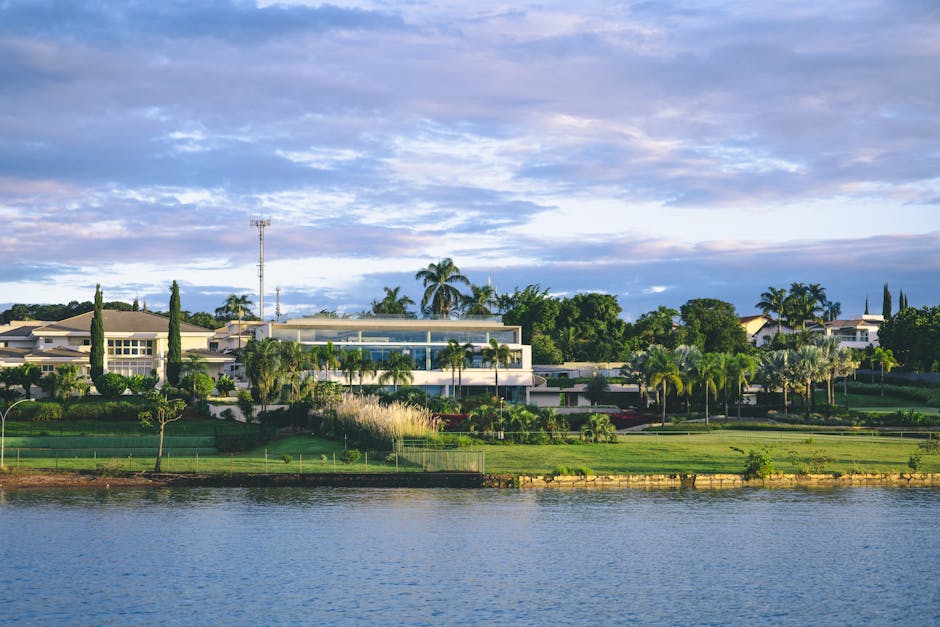
While various metropolitan markets across the United States have signaled a cooling phase in the luxury sector, the Tampa Bay region maintains a distinct and resilient trajectory. Recent data indicates that Tampa’s luxury home prices saw the highest increase in the U.S., a trend highlighted by Redfin analysis. This price appreciation is not merely a byproduct of general inflation but is driven by a consistent migration of high-net-worth capital seeking both tax advantages and qualitative lifestyle shifts. The local market remains a focal point for those prioritizing asset preservation within a stable, growing economy.
Strategic buyers recognize that Tampa’s growth is fundamentally different from previous cycles. The current demand is underpinned by professional relocation and the expansion of the regional financial services and technology sectors. This shift has moved the market away from speculative buying toward long-term equity positions. Understanding this divergence is critical for advisors who are comparing Florida’s performance against historical benchmarks or other high-growth states like Texas or Arizona. The resilience here is structural, supported by a significant influx of permanent residents rather than seasonal transients.
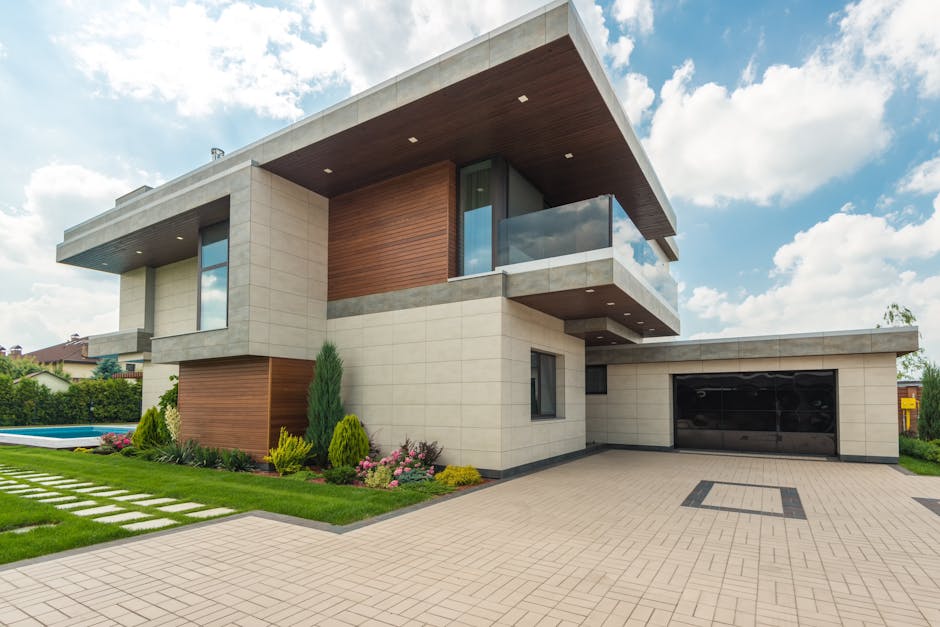
Furthermore, Florida luxury real estate continues to surge despite shifts in national tax policies and record listings in other parts of the state. For the Tampa market specifically, this means that even as inventory levels fluctuate, the appetite for premium, turnkey properties remains high. Buyers are increasingly discerning, favoring homes that offer advanced architectural integrity and modern technological integration. The focus has shifted from mere square footage to the quality of the build and the specific micro-neighborhood context.
Inventory Analysis: Navigating the Selection Scarcity
Current market metrics reveal a concentrated selection within the luxury tier. With approximately 120 active luxury listings, the market remains relatively tight compared to historical averages for the region. The median list price has stabilized around $2,285,000, while the average list price has climbed toward $2,957,993. This gap between the median and average reflects a significant weighting of ultra-prime estates that pull the average upward, creating a two-tiered luxury market: the entry-level luxury estate and the singular architectural trophy property. Buyers should distinguish between these tiers when evaluating value per square foot.
Properties in areas like Beach Park and the South Tampa corridors are seeing varied days-on-market based on their level of finish. For example, a custom-built residence on Grady Avenue or a commercial-residential hybrid on Martin Luther King Jr. Boulevard demonstrates the diversity of the high-end portfolio currently available. Advisors should note that land value continues to constitute a substantial portion of the total asset price, especially in coastal or historically protected districts. This makes the acquisition of under-utilized land a viable strategy for those seeking to build bespoke residences that meet contemporary standards.
The inventory scarcity is particularly acute for properties that require no immediate renovation. High-end buyers are currently prioritizing immediate utility over long-term project potential. This behavioral shift has created a premium for “new-growth” properties that feature the latest in sustainable construction and smart-home infrastructure. Investors and primary residents should monitor the current luxury listings to identify these high-utility assets before they transition to off-market status. The speed of the transaction remains a defining characteristic of the $2 million to $5 million segment.
Neighborhood Specifics: South Tampa and Bayshore Dynamics
The South Tampa corridor, encompassing Hyde Park, Davis Islands, and Bayshore Boulevard, continues to be the primary engine for high-end residential growth. These areas offer a combination of historical prestige and proximity to the evolving urban center. Davis Islands, in particular, has seen a concentration of high-profile transactions, reinforcing its status as a top-tier enclave for privacy and waterfront access. Buyers in this micro-market are often insulated from broader economic fluctuations due to the finite supply of available waterfront lots and the strict zoning regulations that maintain neighborhood character.
Inland South Tampa, specifically the Roosevelt and Plant high school districts, remains a top choice for families prioritizing educational infrastructure. The market movement here is characterized by the replacement of mid-century structures with larger, multi-generational estates. This trend is driven by a desire for increased lot coverage and modern amenities such as specialized home offices and integrated wellness spaces. When assessing these areas, buyers must evaluate the drainage infrastructure and elevation, as these factors directly impact long-term insurance costs and resale liquidity.
Lifestyle markers also influence property values in these neighborhoods. The presence of sophisticated cultural events, such as laser light music shows or niche cultural festivals, indicates an maturing urban environment that attracts a global demographic. This maturation of the urban core provides a cultural backstop to real estate values, ensuring that the demand for luxury housing remains tied to the overall desirability of the region’s lifestyle offerings. Proximity to the Yacht Club or the Stovall House continues to be a major selling point for local residents.
The Strategic Acquisition Checklist
Evaluating a luxury asset in the current Tampa climate requires a more rigorous framework than in previous years. The focus has moved beyond aesthetic appeal to technical and environmental resilience. Advisors should employ a multifaceted due diligence process that accounts for both micro-market trends and structural integrity.
- Verify flood zone designation and modern mitigation features, including reinforced seawalls for waterfront properties.
- Audit the property’s historical price-per-square-foot against the neighborhood average of $2,957,993 to identify over-leveraged assets.
- Assess the age and efficiency of mechanical systems, specifically HVAC and smart-grid integration, to forecast future capital expenditure.
- Review neighborhood-specific zoning restrictions that may limit future expansions or the addition of secondary structures.
- Analyze proximity to the new commercial developments in Water Street, which act as a catalyst for residential appreciation.
- Investigate potential upcoming tax shifts or local assessments that could impact the carrying cost of the property.
This checklist serves as a baseline for any serious acquisition. By focusing on these technical parameters, buyers can separate marketing hype from actual asset value. A property that passes these criteria is significantly more likely to maintain its valuation even during broader market corrections. It is also recommended to contact an advisor to discuss specific off-market opportunities that may not be reflected in the public MLS snapshot.
Commercial Synergy and Asset Appreciation
The relationship between commercial investment and residential luxury in Tampa is becoming increasingly intertwined. High-profile developments in the downtown core have created a synergy that benefits residential property values in surrounding neighborhoods. According to Bisnow, commercial real estate is navigating housing deals by integrating luxury residential components into larger mixed-use projects. This creates a halo effect for nearby single-family estates, as the availability of high-end retail, dining, and office space increases the overall desirability of the location.
Investors should look for properties that are positioned to benefit from this commercial expansion. The development of new corporate headquarters and luxury hotels often precedes a surge in residential demand for executive-level housing. This commercial-to-residential pipeline is a proven indicator of future appreciation. In Tampa, the expansion of the Westshore district and the ongoing evolution of the downtown waterfront are the primary zones to watch. Buyers who purchase ahead of these commercial completions often realize significant equity gains in the medium term.
Furthermore, the increase in professional services firms moving to the region has created a new class of “power buyers” who are less sensitive to interest rate fluctuations and more focused on location efficiency. These buyers are looking for homes that provide easy access to both the airport and the central business district while maintaining the seclusion of a traditional luxury estate. This dual-requirement is driving the values of properties in Beach Park and Culbreath Isles, where lot sizes are larger but commutes remain minimal. The synergy between workplace location and residential choice has never been more pronounced in the local market.
The Rise of Ultra-Prime Estates and New Benchmarks
Tampa is entering a new era of ultra-prime real estate, characterized by the emergence of properties with nine-figure aspirations. While the current price record stands at $22.5 million, new listings are challenging this ceiling. A massive estate has recently entered the market asking $115 million, representing a quantum leap in the region’s luxury benchmark. This indicates that the ultra-high-net-worth segment views Tampa as a global destination on par with Palm Beach or Miami.
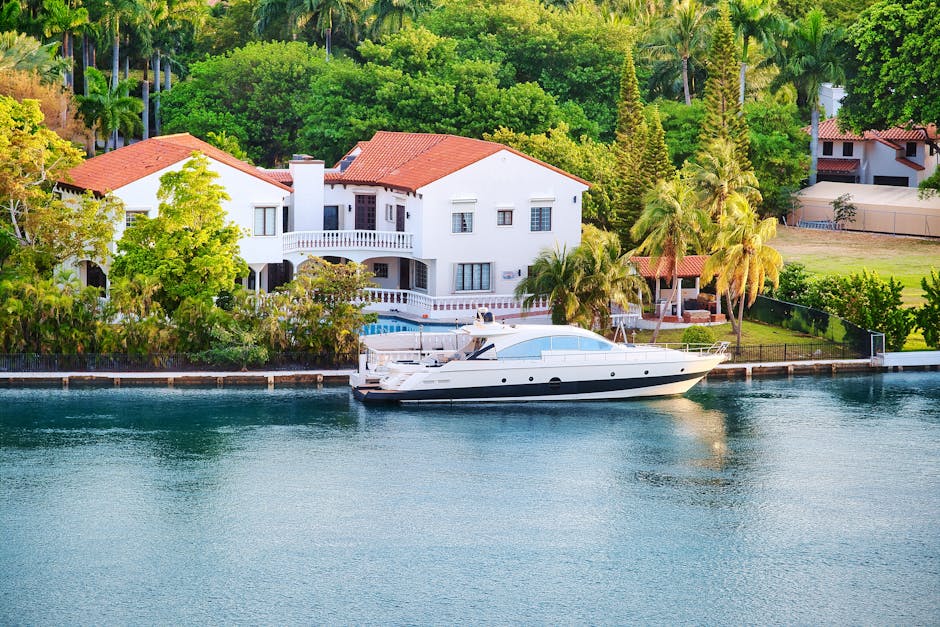
These trophy properties are often more than just residences; they are architectural statements and asset classes in their own right. They feature amenities that were previously rare in the local market, such as extensive guest pavilions, professional-grade security bunkers, and deep-water docking for super-yachts. For the sophisticated buyer, these properties represent a rare opportunity to acquire a legacy asset in a market that is still catching up to the pricing tiers of more established global hubs. Monitoring these record-setting listings provides insight into the future ceiling of the local market.
Even for buyers who are not operating in the nine-figure range, these benchmarks are relevant. They lift the overall valuation of the neighborhood and justify higher price points for mid-tier luxury properties. As the ceiling rises, the $5 million to $10 million range begins to represent significant value in comparison. This “compression effect” is a common characteristic of maturing luxury markets. Buyers should analyze the sales of the most expensive luxury homes of 2025 to understand where the new floor for high-end real estate is being set. The trend is clearly toward higher entry points across all premium neighborhoods.
Strategic Timing and Decision Framework
In the current environment, the decision to acquire luxury real estate in Tampa should be based on a long-term strategic view rather than short-term market timing. The consistent demand from out-of-state buyers and the limited supply of premium inventory suggest that price stability will continue. However, the window for acquiring choice properties in established neighborhoods is narrowing as more capital enters the region. A disciplined approach—focusing on lot quality, elevation, and neighborhood-level growth indicators—remains the most effective way to secure a sound investment.
For those attending local events such as the festivals in downtown Tampa this weekend, the region’s cultural growth is on full display. This cultural infrastructure is a vital component of the real estate value proposition. When you combine this with the fiscal benefits of Florida residency, the argument for capital allocation in the Tampa luxury sector becomes even more compelling. The market is transitioning from a regional secret to a national priority for affluent families and investors alike.
To successfully navigate this complex landscape, it is essential to have access to real-time inventory and historical transaction data that goes beyond the surface level. Prospective buyers requiring a tailored analysis of specific South Tampa corridors or waterfront opportunities should review the current selection of available properties and consult with a specialist who understands the nuances of the local luxury tier. Review the latest inventory and reach out to begin a confidential consultation on your next acquisition.
Prospective buyers and sellers seeking a sophisticated approach to the Tampa market should browse current available inventory and contact a private advisor to discuss custom search strategies and market positioning. For a detailed assessment of specific neighborhood dynamics or to schedule a private viewing of prime estates, please reach out to our team for a professional consultation.
Your next move in Tampa luxury
Get current inventory, pricing guidance, and private-tour support from our brokerage team.
Source highlights
- How Commercial Real Estate Can Navigate Tampa Bay Housing Deals, From Affordable To Luxury – Bisnow
- Tampa’s luxury home prices saw highest increase in U.S.: Redfin – AOL.com
- Tampa Bay’s most expensive luxury home sales of 2025 – Tampa Bay Times
- Florida luxury real estate surges amid record listings, tax shifts – MSN
- Tampa Bay luxury market grows stronger despite national declines – The Business Journals
- Tampa’s Price Record Is $22.5 Million. This Huge Estate Is Asking $115 Million. – WSJ
- Things To Do In Tampa This Weekend: Fun Festivals & Events In Tampa This Weekend – That's So Tampa
- Tampa Bay area events this weekend: Laser light music show, Sneaker Kulture and Badge Bowl – WUSF



