


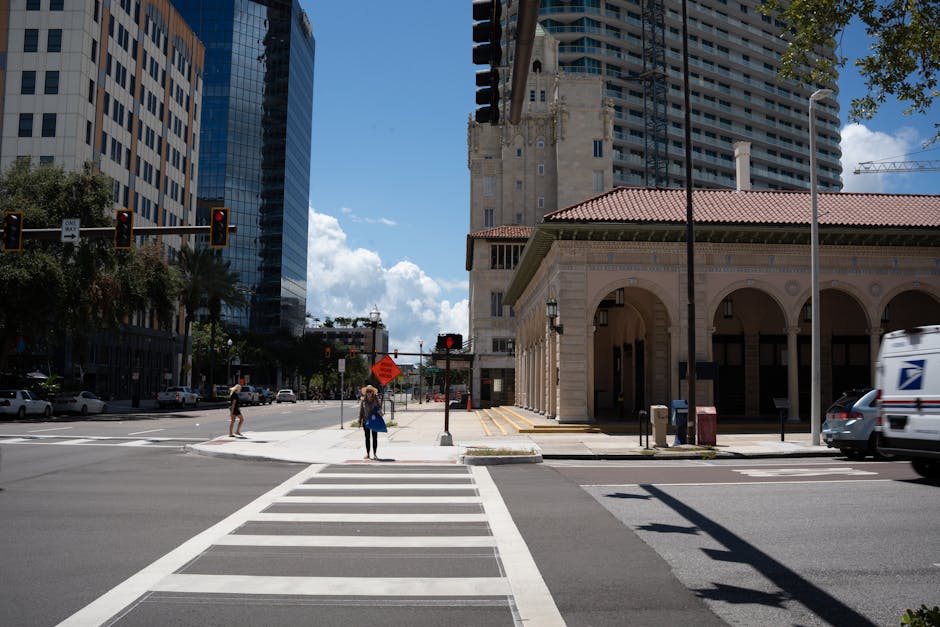
The Shift from Emerging to Established Luxury
The Tampa luxury real estate landscape is currently undergoing a structural transformation that extends far beyond simple price appreciation. Historically viewed as a secondary market relative to South Florida, the region has matured into a primary destination for high-net-worth individuals seeking a combination of tax efficiency, infrastructure stability, and cultural depth. This maturation is punctuated by the arrival of ultra-high-end inventory that challenges previous valuation ceilings. While the local record currently sits at $22.5 million, a new benchmark has been set by a significant estate asking $115 million, signaling a profound shift in the scale of capital entering the market.
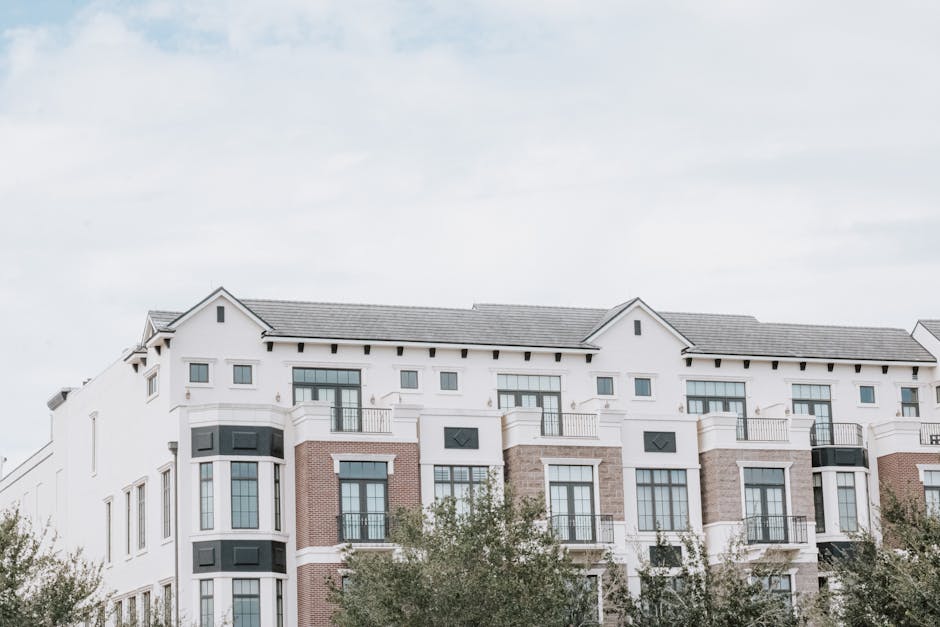
This escalation in pricing is supported by a fundamental change in buyer demographics. We are no longer seeing predominantly local move-up buyers; instead, the pool is increasingly composed of international investors and domestic relocators from high-tax jurisdictions. These buyers bring a different set of expectations regarding architecture, privacy, and service. The resulting demand has pushed the median list price for the luxury segment to approximately $2,300,000, with an average list price approaching $3,000,000. This creates a market where the entry-level for ‘luxury’ has redefined itself, requiring advisors to provide more nuanced data to justify valuations that would have been unthinkable a few years ago.
Assessing value in this environment requires a move away from simple comparative market analysis. In a mature market, the ‘why’ behind the price is as important as the price itself. Buyers must evaluate the scarcity of the lot, the caliber of the build, and the long-term viability of the surrounding neighborhood. As the market expands, the distinction between a high-priced home and a true luxury asset becomes sharper. For those navigating this transition, viewing current LISTINGS URL is only the first step; the real work lies in understanding the underlying currents of neighborhood-level development and municipal planning.
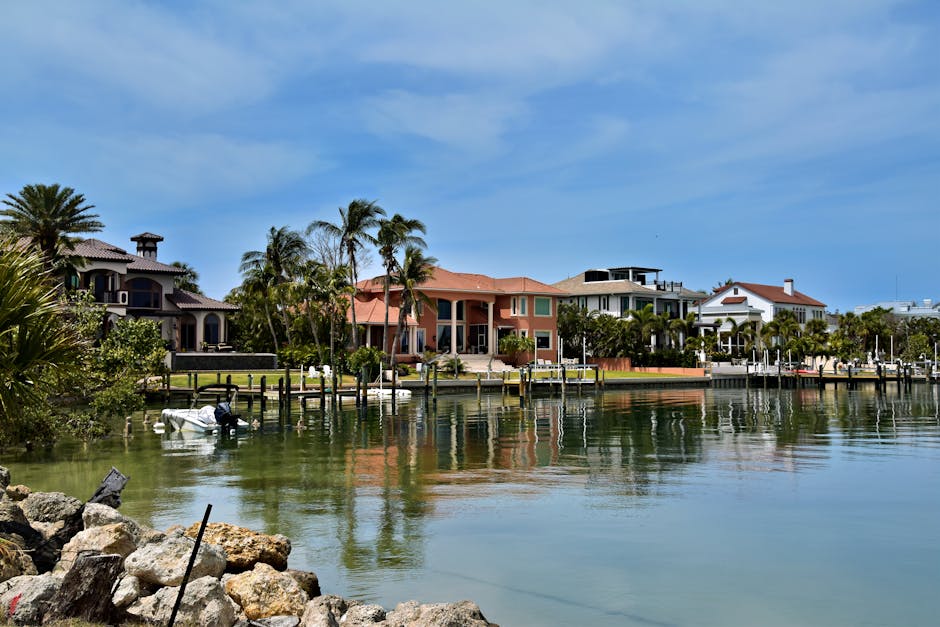
The Vertical Expansion of Downtown and Water Street
Tampa’s skyline is perhaps the most visible indicator of its new status. The vertical growth in areas like Water Street and the Channel District represents a pivot toward an urban luxury model that was previously absent from the West Coast of Florida. For decades, luxury was synonymous with sprawling waterfront estates on Davis Islands or in South Tampa. Today, it includes high-service, high-amenity condominiums that offer a lock-and-leave lifestyle catering to a more mobile affluent class. This shift is intentional and backed by massive infrastructure investment, effectively creating a new asset class for the region.
The maturation of this condo market is still in its middle stages, providing a unique window for strategic acquisition. Unlike established markets where the premium is already baked into every square foot, Tampa remains an early-stage luxury condo market with significant room for refinement in service standards and architectural distinction. We are seeing demolition projects making way for new towers that prioritize floor-to-ceiling glass, expansive balconies, and integrated smart-home technology. These developments are not just about living space; they are about participating in the revitalized core of a city that is being redesigned for the next fifty years.
For the buyer, the challenge lies in differentiating between projects that are merely high-priced and those that offer true institutional-grade quality. As demolition begins to make way for luxury condos in downtown, the window to secure prime positions in the most desirable stacks is narrowing. Understanding the reputation of the developer, the sustainability of the HOA fees, and the long-term view from the unit are critical components of a sophisticated purchase strategy. This is where local expertise transcends simple salesmanship, providing the analytical brief necessary for a confident decision.
Inventory Dynamics and the 2026 Buying Climate
The current inventory of 120 active luxury units in the Tampa area represents a market that is balanced but highly sensitive to quality. While the headlines often focus on ‘record listings’ across the state, the reality in Tampa is more nuanced. High-quality inventory that meets modern standards for design and technology remains relatively scarce. This scarcity is what maintains the upward pressure on prices even as broader economic indicators fluctuate. Buyers should not interpret a rise in total listings as a signal of a coming price correction in the premium tier; rather, it is a diversification of the market.
Market movement in the $2 million to $5 million range has become more deliberate. The rapid-fire bidding wars of the early 2020s have been replaced by a more surgical negotiation process. Buyers are taking more time for due diligence, and sellers are having to be more transparent about property conditions and upgrades. This environment favors the prepared. When a property like the commercial-residential hybrid on Martin Luther King Jr. Boulevard hits the market at nearly $3 million, it attracts interest not just for its physical attributes, but for its strategic positioning within a corridor seeing significant reinvestment.
The ‘Florida surge’ is increasingly driven by tax shifts and record listings elsewhere in the state, making Tampa a comparative value play for those coming from Miami or Palm Beach. However, the window for this comparative value is closing as Tampa’s own internal metrics strengthen. Sophisticated buyers are looking at properties like those on North Grady Avenue or West Waters Avenue as opportunities to secure significant square footage and lot size before the next wave of price increases. The focus is on the long-term utility of the asset rather than short-term speculative gains.
Essential Diligence for High-Value Acquisitions
In a market of this complexity, the traditional walkthrough is insufficient. A senior buyer advisor looks for the structural and legal nuances that can impact the long-term value of a multi-million dollar investment. This is particularly true in Florida, where environmental factors and evolving building codes play a significant role in insurance costs and resale potential. Before moving to a contract, a rigorous assessment of the property’s ‘health’ is mandatory.
- Verification of the elevation certificate and current flood zone status to mitigate future insurance volatility.
- Audit of all mechanical systems, specifically the age and efficiency of HVAC units given the local tropical humidity.
- Review of the neighborhood’s municipal development plan to identify upcoming rezoning or infrastructure projects.
- Assessment of the ‘hard’ features like roof age, impact-rated windows, and seawall integrity for waterfront parcels.
- Analysis of the historical sales data within a one-mile radius to identify true price floors versus outliers.
- Consultation on any pending tax shifts or homestead exemption implications for the specific property.
The checklist above serves as the baseline for any serious acquisition. Beyond these points, a buyer must consider the ‘lifestyle’ logistics of the specific area. For instance, the transition from South Tampa to the Westshore area involves different commute patterns, school districts, and access to the burgeoning retail and dining scenes. Each neighborhood has a distinct cadence, and matching that cadence to the buyer’s actual usage of the property is essential for long-term satisfaction. This is the difference between buying a house and investing in a location.
The Role of Infrastructure and Culture in Asset Value
Real estate value is never purely about the structure; it is a derivative of the local economy and the quality of life the region supports. Tampa has invested heavily in creating a cultural core that justifies its luxury price points. The expansion of the Riverwalk, the revitalization of Hyde Park Village, and the constant stream of high-caliber events contribute to a ‘stickiness’ that keeps wealth in the region. When residents have access to events ranging from festivals and concerts to intimate backyard music sessions, the city becomes more than a place to work; it becomes a place to live permanently.
This cultural maturing is essential for the high-end market because it attracts the ‘creative class’ of executives and entrepreneurs who drive economic growth. The presence of world-class healthcare, professional sports, and a growing tech sector provides the underlying stability that luxury buyers require for their primary residences. Unlike purely seasonal markets, Tampa has a year-round pulse. This consistency is a safeguard against the volatility seen in more speculative vacation-home markets. When you buy in a city with a robust internal economy, your exit strategy is significantly more secure.
Strategic buyers also look at the accessibility of the region. The continued expansion of the Tampa International Airport and the proximity to the beaches of Clearwater and St. Petersburg make the region a central hub for the Florida Gulf Coast. This connectivity is a force multiplier for property values. As the city continues to host major national events and attract global business interest, the prestige associated with a Tampa address grows. This is the invisible equity that sophisticated investors look for before it is fully realized in the public consciousness.
Navigating the Seasonal Transition and Climate Factors
As we move into the early summer months, the Tampa market takes on a specific character. The arrival of the rainy season, with consistent daily precipitation and high temperatures peaking in the mid-90s, shifts the focus of the buying process. For a seasoned advisor, this is the best time to evaluate a property’s resilience. Seeing how a lot handles significant rainfall or how well the interior climate control performs under maximum load provides data that is unavailable during the milder winter months.
This seasonal rhythm also affects market activity. While some markets slow down in the heat, Tampa remains active due to its primary-residence focus. Families are looking to settle before the school year begins, and the Memorial Day weekend often serves as a catalyst for a surge in showings. For those looking to enjoy the local lifestyle during this time, there are numerous things to do over Memorial Day, from waterfront activities to high-end dining. This activity keeps the market liquid and ensures that well-priced homes continue to move regardless of the thermometer.
For sellers, this timing requires a specific approach to presentation. Maintaining a property’s ‘curb appeal’ during the humid months is a logistical challenge that, when handled correctly, signals a well-maintained home. For buyers, the summer is a time to be patient but prepared. The goal is to find the intersection between a seller’s motivation and the property’s intrinsic value. By focusing on the fundamentals during the ‘off-peak’ months, buyers can often negotiate from a position of strength, avoiding the crowds that return in the autumn.
Decision-Useful Strategies for the 2026 Market
The path forward in Tampa luxury real estate is one of informed, calculated action. The market has moved beyond the point where simply ‘buying Florida’ was enough to guarantee a return. Today, success depends on neighborhood-level implications and a deep understanding of the local landscape. Whether you are looking at a historic estate in Palma Ceia or a modern penthouse on Water Street, the questions should always be about the sustainability of the value and the quality of the lifestyle it affords. There is no substitute for boots-on-the-ground intelligence and a commitment to rigorous analysis.
For those currently evaluating their position in the market, the recommendation is to move beyond the aggregate data and look at the specifics. Compare the architectural integrity of the new builds versus the established classics. Verify the long-term maintenance costs and the potential for neighborhood evolution. In a market where a single listing can ask over $100 million, the ceiling has been removed, but the floor is only as solid as the diligence performed before the purchase. The most successful participants in this market are those who treat their home purchase with the same analytical rigor as a corporate acquisition.
To navigate this sophisticated landscape effectively, you require an advisor who understands the nuances of the Tampa Bay area and the specific pressures of the luxury tier. We invite you to explore our curated selection of high-end LISTINGS URL to understand the current range of options available in the market. When you are ready to discuss your strategic goals or require a private briefing on a specific neighborhood or property, CONTACT URL an advisor to begin the process. Our approach is grounded in data, focused on your objectives, and designed to provide the clarity needed for a high-value real estate transaction.
Your next move in Tampa luxury
Get current inventory, pricing guidance, and private-tour support from our brokerage team.
Source highlights
- Tampa Bay’s most expensive luxury home sales of 2025 – Tampa Bay Times
- Florida luxury real estate surges amid record listings, tax shifts – MSN
- Tampa’s Price Record Is $22.5 Million. This Huge Estate Is Asking $115 Million. – WSJ
- Demolition begins to make way for luxury condos in downtown Tampa – The Business Journals
- Why Tampa remains an early-stage luxury condo market – Tampa Bay Business & Wealth
- New Signature Real Estate Team Emerges Across Tampa Bay: The Nick Janovsky Group Launches with Premier Sotheby’s International Realty – citybiz
- Tampa Bay area music events this weekend: Bob Dylan's birthday celebrations – WUSF
- Things to do with kids this weekend in Tampa, FL – That's So Tampa



