


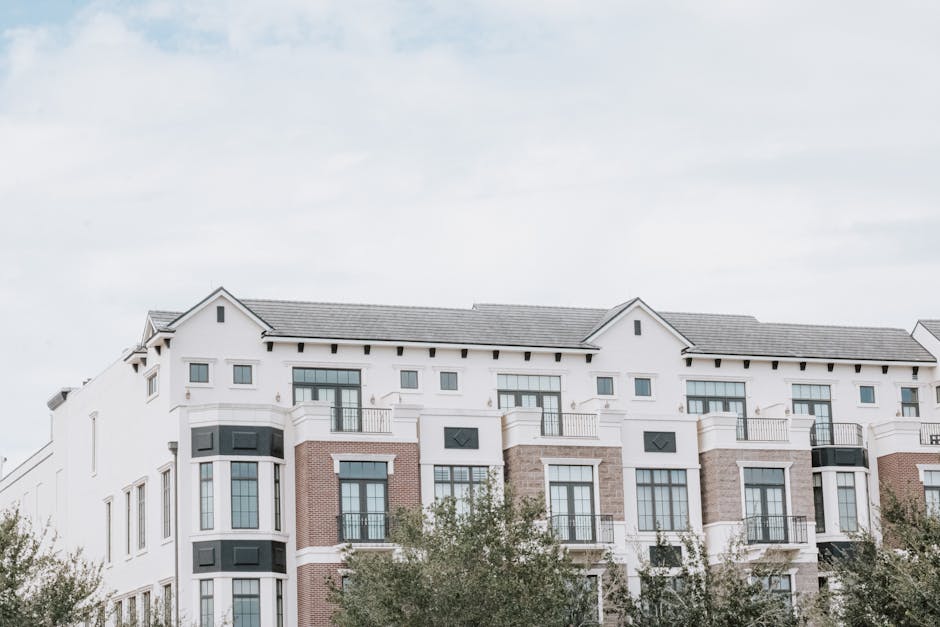
Current Inventory Dynamics and the Luxury Pricing Threshold
The Tampa luxury real estate sector is currently navigating a period of significant inventory adjustment. With approximately 120 active luxury listings on the market, the landscape provides a specific window of opportunity for buyers who prioritize selection over speed. The data indicates a notable gap between the median list price of $2,300,000 and the average list price of $2,966,483. This discrepancy is largely driven by a subset of ultra-high-end assets that push the ceiling of the market, while the bulk of the luxury volume remains concentrated in the mid-two-million-dollar range.
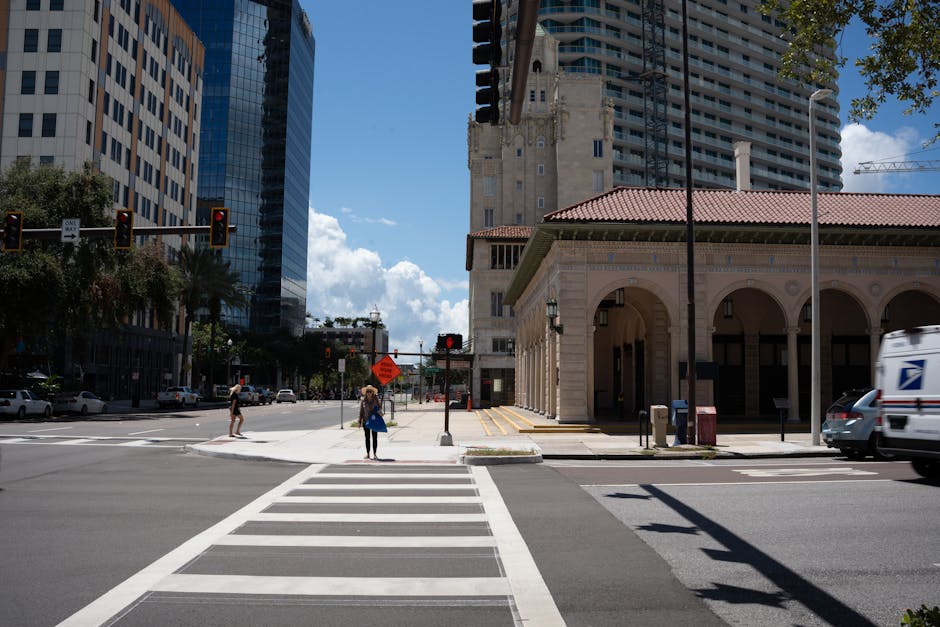
For those monitoring entry-level luxury, assets such as the $1,550,000 residence on North Grady Avenue represent a specific tier of the market that balances square footage with established neighborhood stability. Conversely, more intensive investment opportunities, like the $2,300,000 property on West Waters Avenue, highlight the ongoing demand for commercial-residential flexibility. Buyers are no longer just looking for a residence; they are acquiring land value and long-term positioning within the limited geographical footprint of the Tampa peninsula.
Market movement remains robust despite broader national cooling trends. Local data suggests that while the pace of appreciation has stabilized compared to the frantic surges of previous years, the floor for high-end assets has risen significantly. This creates a environment where valuation is driven by specific architectural merit and lot location rather than general market enthusiasm. Discerning buyers should focus on the quality of finishes and the longevity of the infrastructure, as these factors now dictate liquidity more than ever before.
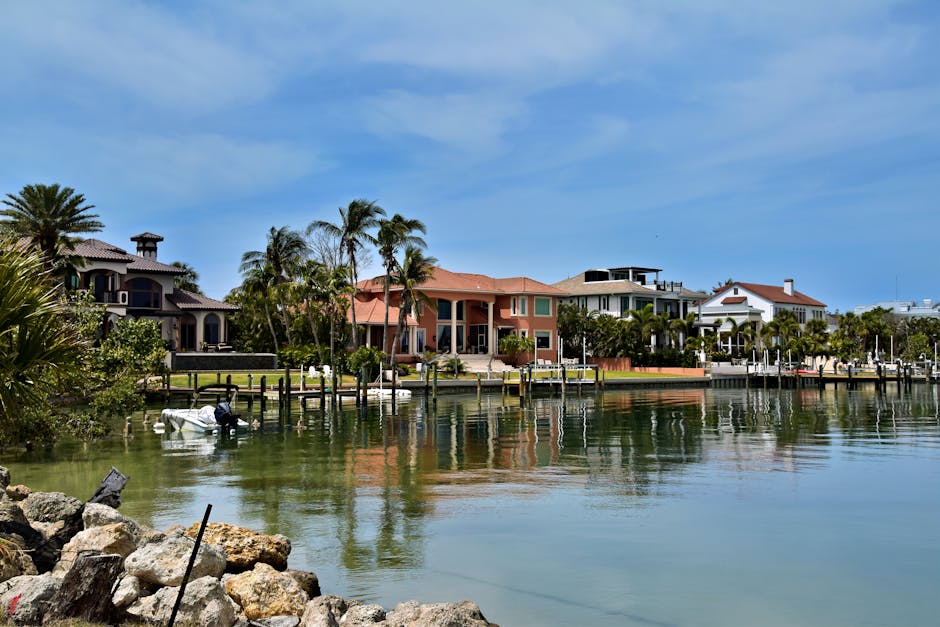
The Ultra-Luxury Ceiling and High-Stakes Acquisitions
The upper echelons of the Tampa market are reaching unprecedented heights, exemplified by the massive estates now entering the public and private consciousness. While the current price record for the region sits at $22.5 million, the introduction of properties with significantly higher asking prices signals a maturing market that is beginning to rival traditional luxury hubs like Palm Beach or Miami. According to reports from the Wall Street Journal, the local ceiling is being tested by estates asking upwards of $115 million, reflecting a belief in Tampa’s long-term status as a wealth destination.
This shift toward ultra-luxury isn’t merely about size; it’s about the concentration of amenities and the scarcity of waterfront land in areas like Davis Islands and Bayshore Boulevard. High-net-worth individuals are increasingly viewing Tampa as a primary residence option rather than a secondary seasonal stop. This transition is supported by the development of sophisticated infrastructure, including private clubs and high-end retail, which sustain the lifestyle requirements of a global clientele. The movement toward these record-breaking listings suggests that the local market has the depth to absorb higher price points without losing structural integrity.
Investors and buyers should pay close attention to these record-breaking figures, as they reset the comparables for the entire neighborhood. When a single estate enters the market at a nine-figure valuation, it effectively increases the perceived value of adjacent properties. However, a senior advisor would note that the gap between asking and closing prices in this bracket remains wide. Successful navigation of this tier requires an understanding of appraisal lag and the specific buyer psychology that drives these trophy acquisitions.
Vertical Luxury: The Evolution of the Condo Market
Tampa is currently witnessing the early stages of a luxury condo revolution, a shift that is fundamentally changing the skyline of the Water Street and Channel District areas. Historically a city dominated by single-family detached homes, the demand for high-service, low-maintenance living has spurred a wave of vertical development. Industry analysis from Tampa Bay Business & Wealth suggests that the city remains in the nascent phase of this condo market evolution, which offers a unique entry point for those seeking modern luxury with proximity to the urban core.
The appeal of these developments lies in their integrated amenities—24-hour concierge services, elevated pool decks, and wellness centers that rival five-star resorts. For the affluent buyer, the transition to a condo is often about reclaiming time and reducing the overhead associated with maintaining a large estate. Furthermore, the concentration of these developments in walkable districts like Hyde Park and the Riverwalk area adds a layer of urban convenience that was previously unavailable in the local market. This cluster effect is driving a new type of buyer to the region, one who values the ability to traverse the city without a vehicle.
As these projects reach completion, the secondary market for luxury condos is expected to stabilize. Currently, many units are being held by early investors or primary residents who value the specific aesthetic of newer builds. When evaluating these assets, one must consider the monthly carry costs—specifically HOA fees and insurance—which can be substantial. A thorough review of the developer’s track record and the building’s reserve studies is essential before committing to a vertical acquisition. You can browse current luxury listings to compare the value proposition of vertical living against traditional waterfront estates.
Critical Due Diligence for Tampa Luxury Acquisitions
Acquiring a high-value asset in the current market requires more than a simple inspection. The complexity of the Florida real estate landscape, particularly regarding environmental and regulatory shifts, demands a rigorous approach to due diligence. Buyers must move beyond aesthetics to understand the structural and fiscal health of their potential investment. The following checklist outlines the essential components of a sophisticated acquisition strategy:
- Verify the current elevation certificate and assess the long-term impact of flood insurance rate changes on the property’s carrying costs.
- Conduct a specialized seawall and dock inspection for all waterfront properties, including a remaining-useful-life assessment by a marine engineer.
- Analyze the property’s tax assessment history to anticipate significant adjustments following a change in ownership, especially for high-value renovations.
- Review any existing neighborhood or deed restrictions that could limit future expansion or architectural modifications.
- Assess the condition of the HVAC and roofing systems, ensuring they meet current Florida Building Code requirements for wind and humidity management.
- Confirm the status of any ongoing or planned municipal projects in the immediate vicinity that could impact views or traffic patterns.
By executing this level of scrutiny, buyers protect themselves against the hidden costs of coastal ownership. These steps ensure that the asset performs not just as a residence, but as a stable component of a broader wealth management strategy. Informed decisions in the research phase prevent costly surprises during the holding period.
Tax Shifts and the Wealth Migration Surge
The broader Florida market continues to experience a surge in luxury interest, fueled by ongoing tax shifts and the migration of wealth from high-tax jurisdictions in the Northeast and Midwest. According to reports from MSN, record listings and shifting tax policies are keeping the Florida market at the forefront of national real estate trends. For many buyers, the absence of a state income tax effectively subsidizes a higher mortgage or more significant property acquisition, making the Tampa region an attractive alternative to other coastal metros.
This migration is not just a temporary trend; it is a structural shift in where high-net-worth individuals choose to base their operations. The growth of Tampa’s financial and tech sectors provides a professional anchor that complements the region’s residential appeal. As more corporate headquarters and regional offices relocate to the area, the demand for executive-level housing increases, providing a consistent floor for luxury property values. This synergy between economic growth and real estate demand is a primary reason why Tampa has remained resilient despite national market fluctuations.
However, it is important to understand that this influx of capital has led to a more competitive landscape. Sellers are well aware of the migration patterns and have adjusted their expectations accordingly. Buyers should work with a local advisor who understands the nuances of the South Tampa and Beach Park markets, where the most significant wealth concentration occurs. Understanding the local context allows for more aggressive negotiation based on actual market data rather than national headlines. For a private consultation on market positioning, you should contact an advisor to discuss your specific requirements.
Cultural Infrastructure and the Maturity of the Region
A significant factor in the long-term value of luxury real estate is the surrounding cultural infrastructure. Tampa has seen a massive expansion in its entertainment and lifestyle offerings, which directly supports property values in the urban core. From the downtown festivals and family fun reported by FOX 13 to the sophisticated music scene, the city is offering a level of cultural depth that matches its real estate ambitions. This maturity is a key indicator of a healthy, multi-dimensional market that appeals to a wide demographic of affluent buyers.
The arts and music sectors are particularly active, with events ranging from high-profile celebrations of icons like Bob Dylan to the expansion of the Straz Center for the Performing Arts. This cultural vibrancy ensures that the region is not just a place to live, but a place to engage with world-class entertainment and art. For buyers with families, the presence of these events provides a lifestyle continuity that is essential for a primary residence. The investment in these cultural assets is often a precursor to further residential appreciation in the surrounding neighborhoods.
When selecting a property, proximity to these cultural hubs should be considered as part of the asset’s utility. Homes within a short distance of the Armature Works, Sparkman Wharf, or the various museum districts tend to maintain higher resale value and attract more interest during market downturns. This “lifestyle premium” is a recognized component of Tampa’s real estate pricing, reflecting the value buyers place on access to a sophisticated urban experience. The integration of high-end living with a vibrant cultural scene is what ultimately defines the modern Tampa luxury experience.
Strategic Acquisition: How to Decide in the Current Market
Navigating the Tampa luxury market requires a departure from speculative behavior in favor of a data-driven, analytical approach. With 120 properties currently available and a clear trend toward higher-quality, higher-priced assets, the primary objective should be finding the intersection of lifestyle utility and investment stability. Whether you are looking at a $2.9 million estate or a high-rise residence in the downtown core, the focus must remain on the specifics of the neighborhood, the quality of the build, and the long-term viability of the location. The market remains strong, but it rewards the informed buyer who understands the implications of every decision. We invite you to explore our curated selection of properties and connect with an advisor who can provide the neighborhood-level insights necessary for a successful acquisition. By prioritizing thorough research and strategic positioning, you can secure an asset that serves your needs today while providing a solid foundation for the future.
Your next move in Tampa luxury
Get current inventory, pricing guidance, and private-tour support from our brokerage team.
Source highlights
- Tampa Bay’s most expensive luxury home sales of 2025 – Tampa Bay Times
- Florida luxury real estate surges amid record listings, tax shifts – MSN
- Tampa’s Price Record Is $22.5 Million. This Huge Estate Is Asking $115 Million. – WSJ
- Tampa Bay luxury market grows stronger despite national declines – The Business Journals
- Why Tampa remains an early-stage luxury condo market – Tampa Bay Business & Wealth
- New Signature Real Estate Team Emerges Across Tampa Bay: The Nick Janovsky Group Launches with Premier Sotheby’s International Realty – citybiz
- Tampa Bay area music events this weekend: Bob Dylan's birthday celebrations – WUSF
- Things to do with kids this weekend in Tampa, FL – That's So Tampa



