


The Structural Evolution of Tampa’s High-End Market
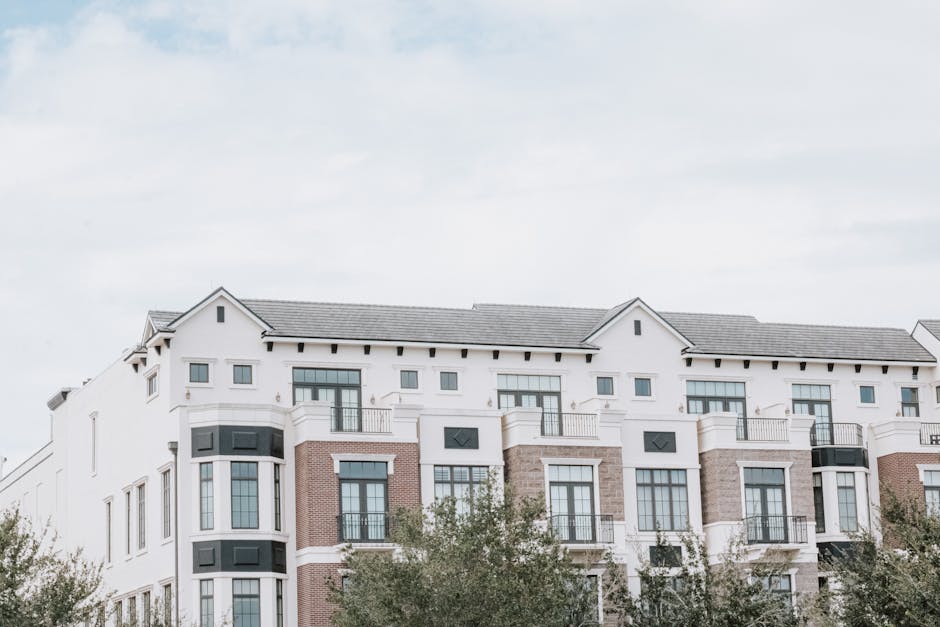
The Tampa luxury sector has moved beyond its traditional identity as a regional retirement destination, evolving into a sophisticated metropolitan hub that attracts global capital. As of mid-2026, the market is characterized by a distinct shift in buyer priorities, moving from the sprawling suburban estates of the past toward highly amenitized, central urban cores. The median list price for luxury properties now sits firmly at $2,300,000, reflecting a stabilized but premium environment where value is increasingly found in architectural merit and proximity to cultural infrastructure rather than raw square footage alone.

For the private advisor, understanding this movement requires looking past the broad averages. While the average list price approaches $3,000,000, the inventory is highly bifurcated between legacy waterfront properties and a new generation of smart-technology integrated residences. Buyers are no longer satisfied with standard high-end finishes; there is a measurable demand for wellness-centric design, including advanced air filtration systems and private outdoor spaces that function as seamless extensions of the interior living area. This selectivity has created a market where correctly priced, modern assets move quickly, while dated inventories require significant price corrections to find traction.
The current landscape is also influenced by broader economic shifts within Florida. Unlike national trends that have seen cooling in traditional luxury enclaves, Tampa continues to see a surge in high-net-worth migration driven by favorable corporate tax structures and the continued expansion of the Westshore and Downtown business districts. According to reports on Florida’s luxury real estate surge, the influx of out-of-state interest remains a primary driver of the $2M+ transaction volume, creating a competitive environment for the limited number of truly turnkey properties available.
Vertical Luxury: The Shift Toward Full-Service Living
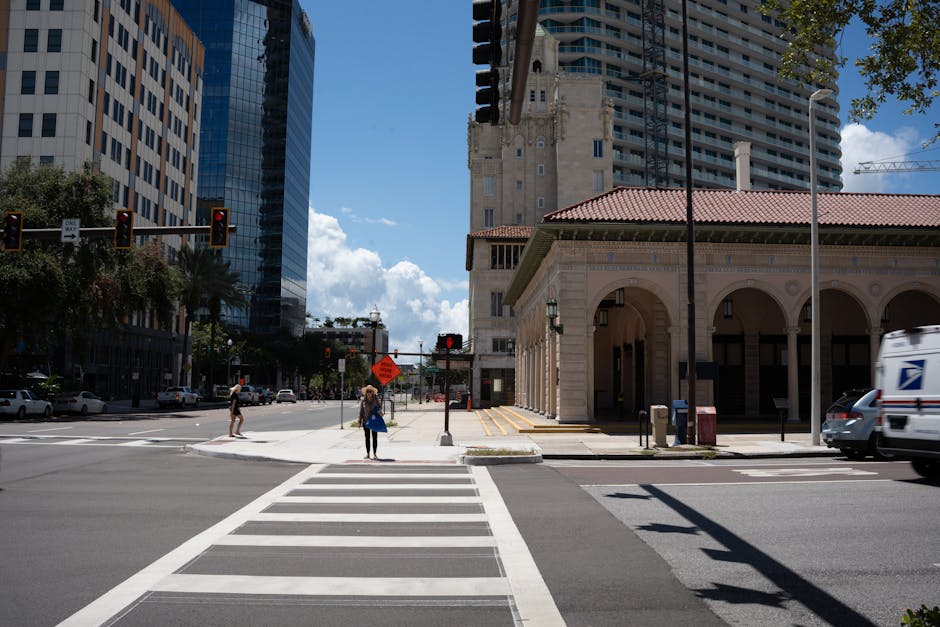
One of the most significant developments in the Tampa skyline is the maturation of the vertical luxury market. For decades, the pinnacle of Tampa real estate was synonymous with a single-family home on Davis Islands or along Bayshore Boulevard. Today, that hierarchy is being challenged by high-rise developments that offer a ‘lock-and-leave’ experience without sacrificing the privacy or scale of a traditional estate. This transition is a hallmark of an evolving urban identity, where convenience and service are prioritized by a younger demographic of affluent professionals and seasonal residents.
The emergence of these developments has transformed the Downtown and Water Street corridors into high-density pockets of wealth. Market analysts have noted that Tampa remains an early-stage luxury condo market, which presents a unique window for investors. Unlike the saturated markets of Miami or New York, Tampa’s luxury towers are still being absorbed at a rate that suggests room for long-term appreciation, particularly as the supporting retail and dining infrastructure reaches critical mass.
When comparing vertical living options, buyers should focus on the quality of the management and the exclusivity of the amenities. A concierge who can facilitate everything from private chef services to yacht charters is no longer a luxury but a baseline expectation for the top-tier of the market. Investors looking for stability are gravitating toward buildings that offer robust security protocols and a limited number of units per floor, ensuring that the residential experience remains quiet and controlled despite the central location.
Geographic Shifts: From Bayshore to Westshore
South Tampa remains the bedrock of luxury value in the region, with Hyde Park and Beach Park continuing to command premium prices due to their historic charm and mature canopies. However, we are seeing a tactical expansion into the Westshore area, where newer constructions are offering larger lot sizes and contemporary floor plans that are difficult to find in the more established, land-locked neighborhoods. This movement is a response to the ‘new construction’ premium that has dominated buyer behavior over the last 24 months.
Properties in the South Tampa core are often limited by historical preservation guidelines, which can restrict the ability to create the open, minimalist aesthetics currently in vogue. In contrast, the newer developments in areas like Palma Ceia and Sunset Park allow for the integration of massive glass walls and expansive garage spaces for private collections. This geographic fluidity means that buyers must be precise about their lifestyle goals—whether they value the walkability and heritage of Hyde Park or the modern scale and accessibility of the Westshore district.
The waterfront remains the most resilient segment, though the definition of ‘premium waterfront’ has become more rigorous. Buyers are now prioritizing properties with newer sea walls and higher elevations, a practical response to the evolving environmental landscape. Those looking for long-term holds are focusing on the protected canals of Davis Islands or the deep-water access found in the Beach Park area, where the ability to dock a substantial vessel adds a significant layer of intrinsic value to the land itself.
Critical Considerations for the 2026 Luxury Acquisition
Before moving forward with a high-value transaction in the current market, it is essential to verify specific data points that may not be immediately apparent in a standard property tour. The following checklist identifies the key variables that are currently influencing the long-term viability of luxury investments in the Tampa Bay area.
- Verify the structural integrity and elevation certificates of any property constructed prior to 2015.
- Assess the density of surrounding developments to ensure privacy and view corridors remain protected.
- Evaluate the proximity to the city’s expanding private aviation hubs, particularly TPA and Peter O. Knight.
- Analyze the historical appreciation of the specific sub-neighborhood compared to the Tampa median.
- Confirm the availability and capacity of local private social clubs and waitlists for membership.
- Review the HOA or condo association reserves to ensure no deferred maintenance liabilities exist.
Pricing Psychology in a Record-Breaking Inventory Era
The Tampa market recently made headlines with a massive estate asking over $100 million, a figure that significantly exceeds the previous record of $22.5 million. This kind of ‘aspirational’ pricing can skew public perception, but the reality for most high-end buyers is found in the competitive $2 million to $7 million range. Negotiating in this environment requires a data-backed approach that separates trophy-property hype from actual market comparables. As reported by the Wall Street Journal, the gap between asking prices and final sales is widening for properties that lack a clear unique selling proposition.
Sellers who find success in 2026 are those who utilize precision staging and narrative-driven marketing. In a market with 120 active luxury listings, standing out requires more than professional photography. It requires an articulation of the residence’s place within the Tampa lifestyle—how it facilitates a specific way of living that cannot be replicated in a standard production home. For buyers, this means there is an opportunity to acquire high-quality assets from sellers who may have initially overreached on their pricing expectations.
Strategic buyers are also keeping a close eye on the ‘days on market’ metric. In the luxury sector, a property that sits for more than 90 days often becomes a candidate for more aggressive negotiation, provided there are no fundamental flaws in the asset. Understanding the motivation behind the sale—whether it is a relocation, an estate settlement, or a simple portfolio rebalancing—can provide the leverage needed to secure a favorable entry point into an otherwise high-barrier neighborhood.
Lifestyle Anchors and Cultural Infrastructure
Investing in Tampa real estate is an investment in the city’s social and cultural fabric. The long-term value of a home is inextricably linked to the quality of life it provides outside its gates. Tampa’s ascent as a luxury leader is supported by a calendar of high-profile events that foster a sense of community among the affluent. From private gallery showings to high-stakes sporting events, the city offers a diverse array of engagement opportunities. For those new to the area, exploring things to do in Tampa Bay provides a glimpse into the lifestyle that supports these property valuations.
The city’s commitment to revitalizing its public spaces, such as the Riverwalk extension and the transformation of the Gas Worx district, adds a layer of ‘sticky’ value to surrounding residential areas. These infrastructure improvements are not just for tourists; they serve as the backbone for a lifestyle that prioritizes connectivity and outdoor engagement. For the luxury buyer, this means that even if a property is tucked away in a quiet corner of South Tampa, the urban core’s amenities are only a short distance away.
Furthermore, the concentration of top-tier medical facilities and prestigious private schools in the South Tampa area creates a constant floor for demand. Families moving into the region for professional opportunities often prioritize proximity to these institutions, ensuring that neighborhoods like Culbreath Isles and Beach Park maintain their status as the most coveted residential addresses in the region. This stability is a key differentiator for Tampa when compared to more speculative vacation markets elsewhere in the state.
Risk Mitigation and Acquisition Strategy
Entering the Tampa luxury market in 2026 requires a balanced approach that combines aggressive searching with conservative validation. The inventory of luxury homes for sale is diverse, but the number of truly exceptional assets remains limited. Working with a specialized advisor who understands the nuances of local zoning, drainage patterns, and neighborhood-specific appreciation rates is the only way to ensure that a significant capital allocation is protected.
For sellers, the strategy must be equally calculated. The days of ‘testing the market’ with an inflated price are over. In the current environment, a property must be presented as a complete lifestyle package from day one. This includes not just the physical structure, but a clear presentation of the property’s utility, its maintenance history, and its potential for future growth. Professional representation that can tap into global networks while maintaining a deep local footprint is essential for transacting at the $5 million-plus level.
As Tampa continues its trajectory as a premier Florida destination, the window for acquiring high-quality assets at current valuations is narrowing. Whether you are looking to divest a legacy estate or secure a contemporary residence in the urban core, the market requires a decisive and informed approach. To navigate these complexities with the assistance of a senior advisor, we encourage you to contact our office for a private consultation. Now is the time to review our curated selection of listings and develop a strategy that aligns with the evolving realities of the Tampa luxury landscape.
Your next move in Tampa luxury
Get current inventory, pricing guidance, and private-tour support from our brokerage team.
Source highlights
- Tampa Bay’s most expensive luxury home sales of 2025 – Tampa Bay Times
- Florida luxury real estate surges amid record listings, tax shifts – MSN
- Tampa’s Price Record Is $22.5 Million. This Huge Estate Is Asking $115 Million. – WSJ
- Tampa Bay luxury market grows stronger despite national declines – The Business Journals
- Why Tampa remains an early-stage luxury condo market – Tampa Bay Business & Wealth
- New Signature Real Estate Team Emerges Across Tampa Bay: The Nick Janovsky Group Launches with Premier Sotheby’s International Realty – citybiz
- Tampa Bay area music events this weekend: Bob Dylan's birthday celebrations – WUSF
- 40+ Best Things to Do in Tampa Bay this Month: Events and MORE! – Tampa Bay Date Night Guide



