


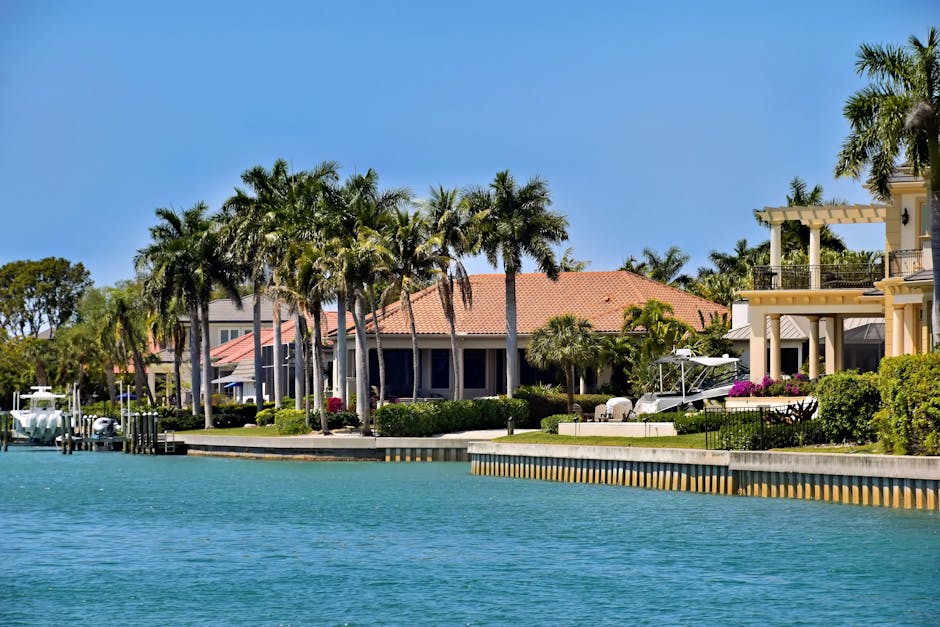
Evaluating the Current State of Tampa’s High-End Inventory
The luxury landscape in Tampa has entered a period of strategic recalibration as we move through the second quarter of 2026. Current market data indicates a median list price for high-end properties hovering near $2,272,925, while the average list price for premium residences has climbed to approximately $3,085,233. This price appreciation occurs alongside a notable increase in supply, with active luxury listings currently totaling 120 properties. This volume represents a significant opportunity for buyers who were previously sidelined by the inventory scarcity that defined the early 2020s.
Recent shifts in the Florida market reflect a broader trend where Florida luxury real estate surges amid record listings and tax shifts. For the sophisticated investor, this means the leverage has shifted from sellers to those with liquid capital and a long-term perspective. While inventory is higher across the board, the “best-in-class” properties in South Tampa and the waterfront enclaves of Davis Islands still command immediate attention. Specific listings like the significant offering on West Dr. Martin Luther King Jr. Boulevard at $2.9 million highlight the premium placed on visibility and lot size in the current climate.
Navigating this volume requires a disciplined approach to valuation. We are observing that while generic luxury products may linger on the market, architecturally significant homes and those with modern mitigation features are moving steadily. The sophisticated buyer is no longer just looking for square footage; they are looking for resilience, technological integration, and a clear exit strategy. As supply continues to build, the ability to distinguish between a property with lasting value and one that is merely priced high will be the hallmark of a successful 2026 acquisition.
Interest Rate Convergence and Buyer Psychology
One of the primary drivers of recent market movement is the stabilization of financing costs for the affluent segment. According to reports from Tampa Bay Business & Wealth, mortgage rates have eased to approximately 6.09%. This adjustment, combined with an influx of new construction, has provided a necessary release valve for the market. Buyers who may have opted for all-cash transactions in previous years are now reconsidering the utility of leverage as rates become more predictable and manageable.
However, the psychological impact of these rates is more significant than the mathematical spread for many high-net-worth individuals. The move toward 6% has acted as a catalyst for those waiting for a signal that the peak of the rate cycle has passed. We see this reflected in the increased showing activity for properties priced between $1.5 million and $3 million, such as the contemporary residence on North Grady Avenue. For many, the ability to lock in a rate in the low sixes provides the confidence needed to transition from the sidelines to the closing table.
Beyond the headline interest rate, buyer behavior is increasingly influenced by the total cost of ownership. This includes the rising costs of insurance and property taxes, which are often overlooked in the initial acquisition phase. Savvy buyers are now requesting multi-year insurance histories and detailed elevation certificates earlier in the negotiation process to ensure that the 6.09% rate is not offset by escalating secondary expenses. The focus is on a comprehensive financial picture rather than just the purchase price.
Downtown Expansion and the Shift Toward Vertical Luxury
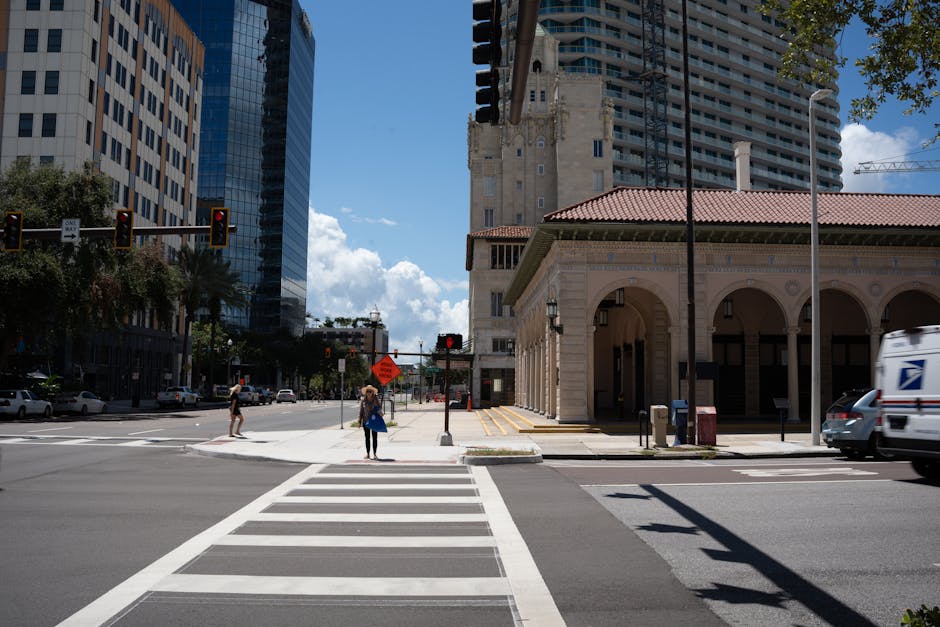
The skyline of Tampa continues to transform, with a clear focus on high-density luxury living in the urban core. Recent developments have seen demolition begin to make way for luxury condos in downtown Tampa, signaling a long-term bet on the city’s future as a global destination. This shift is driven by a demographic that prioritizes walkability and concierge services over the maintenance demands of a traditional single-family estate.
Areas like Water Street and the Channel District are no longer just entertainment hubs; they are becoming primary residential choices for executives and seasonal residents. The appeal lies in the integration of high-end retail, wellness-focused amenities, and proximity to the city’s commercial centers. This vertical expansion is essential for a city that is geographically constrained by its bays and rivers, allowing for continued growth in the luxury sector without the need for outward sprawl into the suburbs.
When comparing these new developments to established neighborhoods like Palma Ceia or Hyde Park, the trade-off is often between history and convenience. New construction offers the latest in building codes and energy efficiency, which is a significant draw in the current climate. However, the prestige of a South Tampa address remains a potent factor in valuation, often insulating these properties from the fluctuations seen in the more speculative condo market. Both sectors are currently seeing healthy activity, but for different buyer personas.
Due Diligence Checklist for Premium Acquisitions
In a market with increasing complexity and record levels of inventory, the due diligence phase is where the most value is protected or lost. The following elements are critical for any acquisition in the current Tampa climate:
- Verification of base flood elevation and the most recent FEMA map revisions to determine long-term insurance viability and potential mitigation requirements.
- Detailed analysis of the property’s tax history, specifically looking at how the “Save Our Homes” cap will reset upon transfer of ownership and its impact on your annual carry costs.
- Structural assessment of seawalls and dockage for waterfront properties, as repair and replacement costs have escalated significantly in the last 24 months.
- Review of homeowner association or condo association reserves, particularly in light of recent Florida legislative changes regarding structural integrity reserve studies.
- Evaluation of smart home infrastructure and the age of mechanical systems, prioritizing those with integrated backup power solutions like whole-home generators.
- Assessment of neighborhood-level development plans to identify any upcoming municipal projects or private developments that could impact views or local traffic patterns.
Ensuring these boxes are checked requires a team of specialists, from inspectors who understand luxury builds to insurance brokers who specialize in high-value Florida policies. The goal is to eliminate surprises that could manifest years after the closing date. This analytical rigor is what separates a successful investment from a potential liability in a shifting market.
Neighborhood Dynamics: South Tampa vs. St. Petersburg
A recurring question for many luxury buyers is whether to focus their search on the Tampa side of the bay or explore the growing appeal of St. Petersburg. Market data and recent reporting suggest that executives keep choosing St. Pete for its unique blend of cultural vibrancy and a slightly more relaxed pace of life. The downtown St. Petersburg corridor has seen a surge in luxury sales that rivals the most established Tampa neighborhoods.
Tampa, conversely, remains the region’s financial and logistical heart. The proximity to Tampa International Airport and the primary business districts makes it the logical choice for those with frequent travel requirements or corporate responsibilities. South Tampa’s school districts and private clubs continue to be a primary draw for families, maintaining high demand in areas like Beach Park and Culbreath Isles despite the rising inventory elsewhere in the county.
Choosing between these two markets often comes down to the desired lifestyle. St. Petersburg offers a more arts-centric, walkable downtown experience, while Tampa provides a more traditional, expansive luxury feel with larger lot sizes. Both markets are seeing healthy activity, but the drivers of that activity differ. Buyers should look at luxury homes for sale in both regions to understand how their capital translates into different architectural styles and community amenities before making a commitment.
Comparing New Construction vs. Historic Estates
The 2025 sales data, as highlighted by the Tampa Bay Times, showed a distinct preference for turnkey, modern residences. The record-breaking sales of the previous year were dominated by homes that featured contemporary architecture and state-of-the-art finishes. This trend continues in 2026, where the “cost of renovation” and the associated time delay have become major deterrents for many sophisticated buyers.
Historic estates in neighborhoods like Old Hyde Park offer a character and provenance that cannot be replicated in new builds. For the collector of fine real estate, these properties represent a unique asset class that often appreciates differently than the broader market. However, they require a specific type of owner—one who values architectural heritage enough to manage the complexities of maintaining an older structure. The pricing for these homes has become more selective, with a widening gap between those that have been meticulously updated and those requiring significant investment.
New construction, particularly in the custom home segment, allows for the realization of a specific vision without the constraints of an existing floor plan. With builders now better managing supply chain issues compared to the previous three years, the lead times for custom builds have stabilized. Buyers must decide if they want the immediate gratification of an existing historic estate or the tailored experience of a new build, keeping in mind that the latter often comes with a higher price per square foot but lower ongoing maintenance costs over the first decade of ownership.
Strategic Timing in the 2026 Climate
As we navigate the current weather patterns—with temperatures reaching 35.8C and frequent afternoon rain—the seasonality of the Tampa market is on full display. Historically, the summer months see a slight cooling in transaction volume as residents travel, but for the focused buyer, this can be an advantageous time to negotiate. Sellers with properties on the market during the humid Florida summer are often more motivated to reach a conclusion before the next high season begins in late autumn.
We are also seeing new professional alliances shaping the local landscape, such as when the Nick Janovsky Group launched with Premier Sotheby’s International Realty. These movements in the brokerage community often signal where the market is headed, as top-tier talent aligns with platforms that offer global reach. For a buyer, working with an advisor who understands these behind-the-scenes dynamics is essential for gaining access to off-market opportunities and early-stage listings that may not be fully visible on public portals.
The key to success in the 2026 market is not trying to time the absolute bottom or peak, but rather identifying properties that offer a combination of location, build quality, and long-term value. With 120 active luxury listings currently available, the environment favors the patient, analytical buyer who can act decisively when the right asset appears. Focus on the fundamentals of the neighborhood, the structural integrity of the asset, and the specific lifestyle requirements of your household to ensure a successful transition.
To navigate these complexities and secure a residence that aligns with your specific criteria, we invite you to browse our curated selection of luxury listings or contact a private advisor for a confidential consultation. Our team provides the neighborhood-level insights and analytical rigor necessary to make informed decisions in Tampa’s most exclusive enclaves.
Your next move in Tampa luxury
Get current inventory, pricing guidance, and private-tour support from our brokerage team.
Source highlights
- Florida luxury real estate surges amid record listings, tax shifts – MSN
- Demolition begins to make way for luxury condos in downtown Tampa – The Business Journals
- Tampa Bay’s most expensive luxury home sales of 2025 – Tampa Bay Times
- Mortgage rates fall to 6.09% as new construction lifts Tampa supply – Tampa Bay Business & Wealth
- Column: Why executives keep choosing St. Pete – The Business Journals
- New Signature Real Estate Team Emerges Across Tampa Bay: The Nick Janovsky Group Launches with Premier Sotheby’s International Realty – citybiz
- Tampa Bay area music events this weekend: Bob Dylan's birthday celebrations – WUSF
- Things to do with kids this weekend in Tampa, FL – That's So Tampa


