


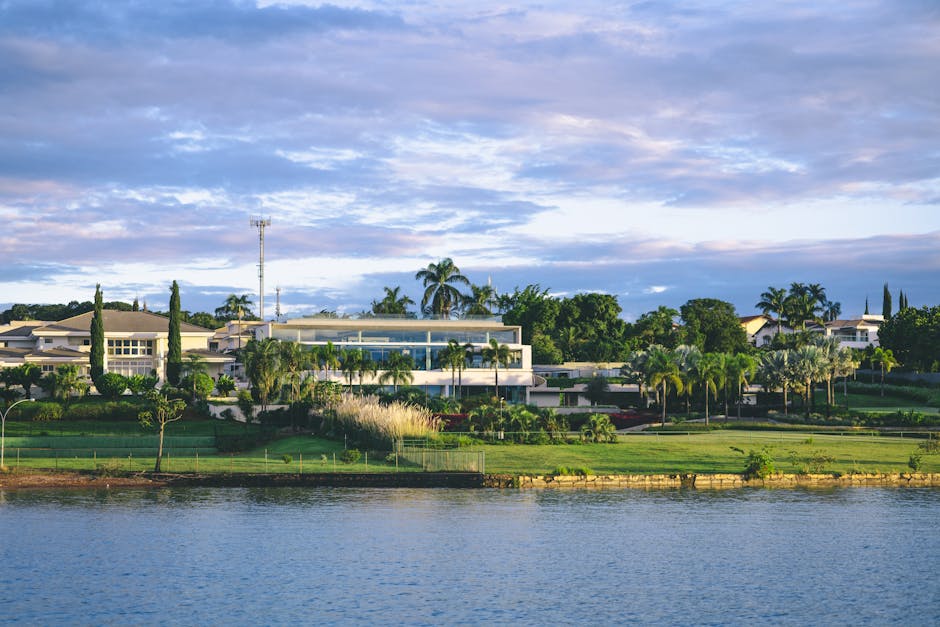
The Current State of Tampa High-End Inventory
The Tampa luxury real estate sector is currently navigating a period of significant recalibration. While the broader Florida market has seen a surge in listings, local dynamics remain influenced by a specific concentration of high-value assets. With a median list price currently holding at $2,272,925 and an average closer to $3,085,233, the entry point for true premium property has solidified. This pricing floor reflects a market that has matured beyond speculative growth into a period of sustained institutional and private wealth placement.
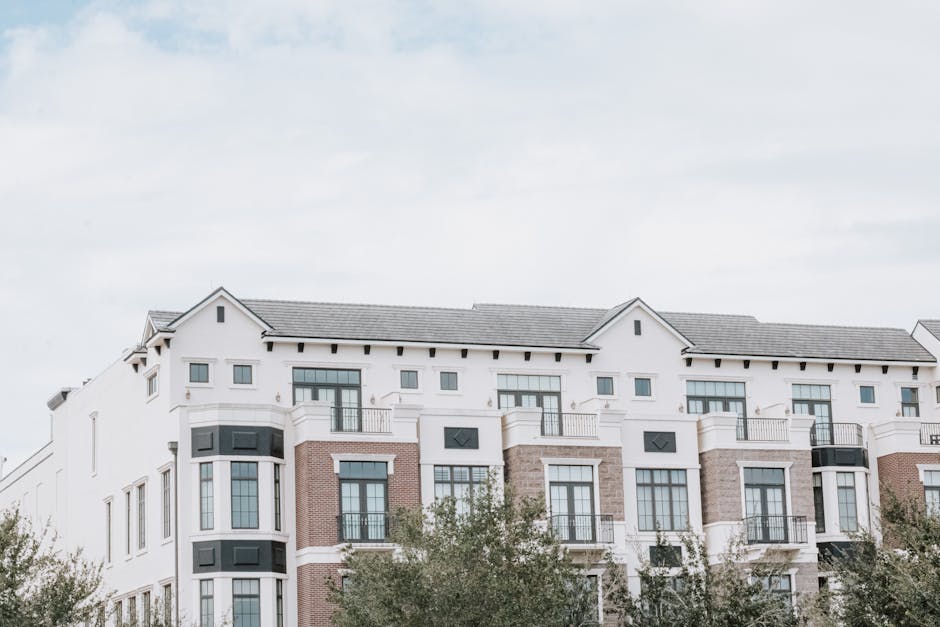
Recent data indicates that the volume of active luxury listings has reached approximately 120 units within the core Tampa area. This increase in supply provides buyers with a level of choice that was notably absent during the previous two fiscal years. According to reports from MSN, Florida is experiencing a broader surge in luxury listings driven by tax shifts and a natural cycle of inventory replenishment. For the Tampa buyer, this means the ability to be more discerning regarding architectural integrity and lot positioning.
Analyzing recent sales data from the Tampa Bay Times reveals that the most expensive transactions of the past year were defined by water frontage and proximity to the downtown core. While the pace of sales has normalized, the price per square foot for trophy assets continues to command a premium. This suggests that while inventory is up, the scarcity of truly exceptional properties remains a primary driver of value. Buyers should focus on assets that offer permanent view corridors or unique historical significance in neighborhoods like Hyde Park and Palma Ceia.
New Development and the Downtown Evolution
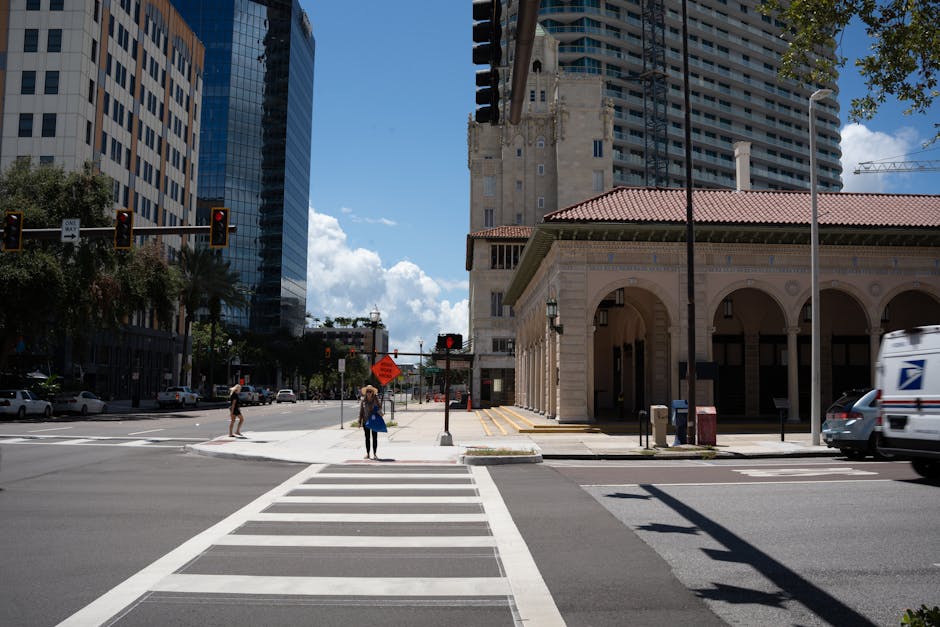
The skyline of Tampa is undergoing its most radical transformation in decades. A significant driver of this change is the aggressive demolition of older structures to make way for ultra-luxury vertical living. As reported by The Business Journals, major projects in the downtown core are moving from the planning phase to active construction. These developments are catering to a demographic that prioritizes full-service amenities and walkable access to the city’s burgeoning cultural and culinary districts.
This shift toward high-end condominiums is not merely about density; it is about providing a lock-and-leave lifestyle that appeals to both domestic relocators and international investors. The integration of concierge services, private wellness centers, and advanced smart-home technology has become the standard for new builds. For those evaluating these opportunities, comparing the homeowner association (HOA) structures and the long-term viability of the developer is as critical as the floor plan itself. The transition from older residential stock to these modern monoliths is a clear signal of Tampa’s rising status on the national stage.
Furthermore, the commercial expansion surrounding these residential projects is creating a symbiotic ecosystem of high-end retail and office space. This infrastructure supports the valuation of nearby residential assets by increasing the utility and desirability of the immediate area. When assessing new construction, consider the proximity to upcoming mixed-use developments, as these often serve as catalysts for secondary appreciation cycles. The current trend suggests that the downtown fringe will continue to absorb a significant portion of incoming capital over the next twenty-four months.
Neighborhood Dynamics: Hyde Park to Davis Islands
Neighborhood selection remains the most critical variable in the Tampa luxury equation. Davis Islands continues to be a primary focus for buyers seeking substantial lot sizes and deep-water access. The absence of through-traffic and the island’s unique village atmosphere provide a level of privacy that is difficult to replicate elsewhere. Recent market movement here has seen a preference for modern coastal architecture, though Mediterranean Revival styles still hold significant historical value. Buyers in this area must be particularly attentive to seawall integrity and elevation certificates.
Hyde Park, by contrast, offers a different profile centered on historical preservation and immediate proximity to Bayshore Boulevard. The value in Hyde Park is often tied to the meticulous restoration of early 20th-century homes alongside discreet, high-modern infill projects. The walkability to the village shops and restaurants remains a major draw for executive-level buyers. In this sub-market, property valuations are often more resilient to broader economic shifts due to the strictly limited supply of historic inventory and the protections afforded by local architectural review boards.
Further west, Beach Park and Sunset Park are seeing increased interest from families looking for larger footprints and top-tier school districts. These areas offer a more suburban feel while remaining within a ten-minute commute of the Westshore business district and the airport. The market here is currently characterized by a mix of mid-century teardowns and massive transitional-style estates. Understanding the nuances of each street—specifically regarding noise profiles and drainage—is essential for a successful acquisition in these established enclaves.
Critical Due Diligence for High-Value Acquisitions
As an advisor, I emphasize that the acquisition of a seven-figure asset in Tampa requires a more rigorous approach than standard residential transactions. The technical aspects of Florida real estate, from specialized insurance requirements to complex zoning overlays, demand expert oversight. Investors must look beyond the aesthetic finishes and evaluate the structural and legal framework of the property. The following checklist outlines the essential pillars of a sophisticated due diligence process in the current local environment.
- Verification of shoreline stabilization and riparian rights for all waterfront parcels.
- Comprehensive assessment of current flood zone designations and projected insurance premiums.
- Review of recent architectural modifications to ensure strict compliance with municipal permitting.
- Evaluation of the existing tax basis and the impact of the Save Our Homes assessment caps upon transfer.
- Structural inspection focusing on wind-mitigation features and impact-rated glazing systems.
- Analysis of surrounding land-use permits to identify potential future construction or view obstructions.
By adhering to these steps, buyers can mitigate the risks associated with rapid market movement and environmental factors. It is also advisable to engage a specialized legal counsel to review the title commitment for any obscure easements or restrictive covenants that could impact future development. In a market where inventory is expanding, the ability to identify a ‘clean’ property with no deferred maintenance or legal encumbrances is a significant competitive advantage.
Executive Relocation Trends and Economic Drivers
The influx of C-suite executives and business owners to the Tampa Bay area is a primary catalyst for the luxury sector’s resilience. St. Petersburg, in particular, has become a magnet for corporate leadership, as highlighted by The Business Journals. This regional growth benefits the entire Tampa Bay ecosystem, as high-net-worth individuals often maintain properties on both sides of the bay to leverage different lifestyle and business advantages. The migration is driven by a combination of favorable tax structures and the high quality of life offered by the region’s coastal geography.
This demographic shift is altering the demand for specific home features. We are seeing a heightened requirement for sophisticated home office suites, integrated security systems, and expansive outdoor entertaining spaces. The luxury home is no longer just a residence; it is a multi-functional environment that must support high-level professional activities and private social events. Buyers are increasingly looking for properties that can accommodate domestic staff or provide separate guest quarters for extended family visits.
The economic diversification of the region—with growth in technology, finance, and healthcare—provides a stable foundation for the real estate market. Unlike previous cycles that were heavily dependent on tourism and retirees, the current market is supported by a robust workforce of high earners. This fundamental shift suggests that the demand for premium housing will remain consistent, even if interest rate fluctuations cause temporary cooling in the mid-market segments. Observing the commercial leasing activity in the Westshore and Downtown districts is often a reliable leading indicator for future luxury residential demand.
Financial Strategy in a Modern Rate Environment
Interest rates have recently stabilized around 6.09%, which has provided a much-needed sense of predictability for financed buyers. While many luxury transactions are executed with cash, the use of strategic leverage remains common among sophisticated investors. According to Tampa Bay Business & Wealth, the combination of falling rates and increased supply from new construction is creating a more favorable environment for buyers. This allows for more creative financing structures, including interest-only periods or adjustable-rate mortgages that align with short-term investment horizons.
For those considering a purchase in 2026, it is important to weigh the cost of capital against the potential for appreciation. While we are not seeing the frantic price escalations of years past, the steady growth in the Tampa market provides a reliable hedge against inflation. A critical component of the financial strategy should be the evaluation of the property’s carrying costs, including property taxes which are reassessed at the purchase price. In Florida, the absence of state income tax allows for a higher allocation of capital toward real estate, but the property tax and insurance components must be accurately modeled.
Furthermore, the current market allows for more robust negotiations regarding seller concessions and inspection repairs. In the previous low-inventory environment, buyers were often forced to waive contingencies; today, the leverage has shifted. A well-positioned buyer can now negotiate for credit toward closing costs or specific upgrades, effectively reducing the net purchase price. This environment rewards the patient investor who is willing to wait for a property that meets all technical and financial criteria.
Long-Term Valuation and Exit Strategies
When acquiring a luxury property in Tampa, one must always consider the eventual exit strategy. The liquidity of high-end assets is historically lower than standard residential property, making the initial selection paramount. Assets located in established neighborhoods with natural geographic boundaries—such as islands or historic districts—tend to maintain their value more effectively during market contractions. These ‘blue chip’ properties are always in demand, regardless of the broader economic climate.
Architectural style also plays a role in long-term desirability. While contemporary designs are currently in high demand, transitional styles that blend modern amenities with traditional proportions often have the broadest appeal over time. Avoiding overly trendy finishes in favor of high-quality, timeless materials like natural stone and premium hardwoods will ensure the property remains relevant for future buyers. Additionally, maintaining a meticulous record of all home improvements and mechanical upgrades will facilitate a smoother transaction when it comes time to sell.
The expansion of Tampa’s cultural infrastructure, including the ongoing development of the Riverwalk and the growth of the Water Street district, continues to enhance the long-term value proposition of the city. As Tampa further cements its reputation as a premier destination for business and leisure, the demand for exclusive residences will likely outpace new supply in the most desirable areas. For the discerning buyer, the current market represents an opportunity to secure a significant asset at a time when inventory is healthy and the long-term outlook remains exceptionally strong.
Navigating these complexities requires an advisor who understands the intersection of market data and local nuance. Whether you are evaluating a waterfront estate on Davis Islands or a modern penthouse in the downtown core, our team provides the analytical depth necessary to make a confident decision. We invite you to browse our current luxury listings to understand the available inventory or contact a private advisor today to discuss your specific acquisition criteria and receive a tailored market analysis.
Your next move in Tampa luxury
Get current inventory, pricing guidance, and private-tour support from our brokerage team.
Source highlights
- Florida luxury real estate surges amid record listings, tax shifts – MSN
- ‘Selling Tampa’ Star Sharelle Rosado Slid into Chad ‘Ochocinco’ Johnson’s DMs – Netflix
- Demolition begins to make way for luxury condos in downtown Tampa – The Business Journals
- Tampa Bay’s most expensive luxury home sales of 2025 – Tampa Bay Times
- Mortgage rates fall to 6.09% as new construction lifts Tampa supply – Tampa Bay Business & Wealth
- Column: Why executives keep choosing St. Pete – The Business Journals
- Tampa Bay area music events this weekend: Bob Dylan's birthday celebrations – WUSF
- Things to do with kids this weekend in Tampa, FL – That's So Tampa



