


The Maturation of Florida’s New Luxury Investment Capital
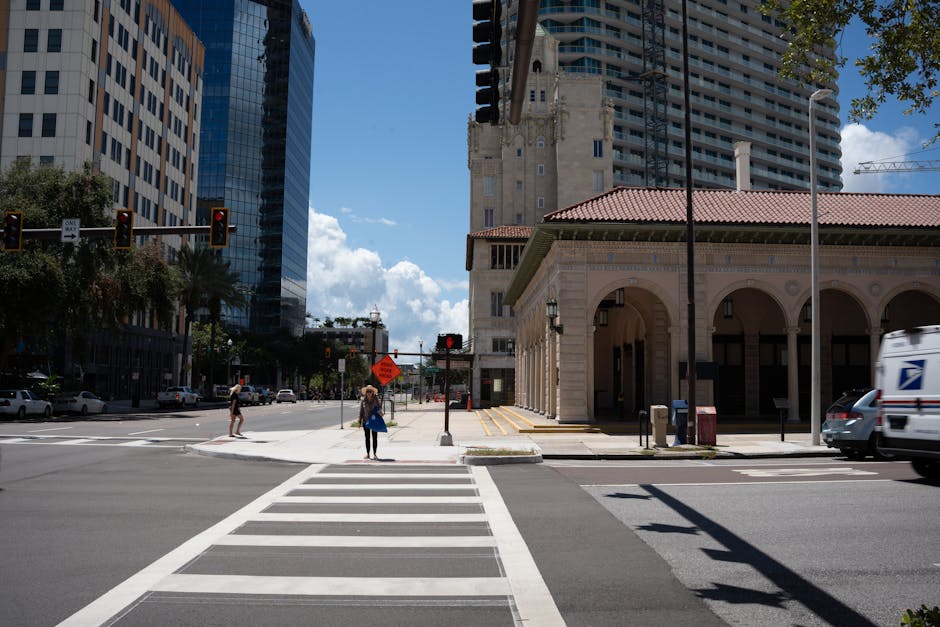
Tampa is currently navigating a structural transition that repositioned the city from a speculative secondary market to a primary destination for institutional-grade residential investment. This shift is characterized by a significant influx of capital from traditional financial hubs, moving beyond simple relocation toward a deep-seated commitment to local infrastructure and high-end residential assets. Recent analysis highlights a $675 million surge in luxury investment, signaling that the region is now competing directly with established South Florida enclaves for the attention of the ultra-high-net-worth demographic.
For the sophisticated buyer, this maturation means that the criteria for value have evolved. We are seeing a move away from generic high-end finishes toward bespoke architectural integrity and proximity to integrated lifestyle districts. The average list price in the current luxury inventory now exceeds $3,000,000, reflecting a market that has effectively priced in its new status as a top-tier Florida destination. Buyers are no longer just looking for a seasonal retreat; they are seeking long-term equity preservation in a city that has demonstrated resilient price velocity even during broader economic shifts.
This institutionalization of the market is further evidenced by the caliber of new developments reaching the skyline. From the specialized demolition of older structures to make way for modern glass towers in the downtown core to the expansion of commercial-adjacent luxury on corridors like West Dr. Martin Luther King Jr. Boulevard, the physical footprint of Tampa is being rewritten. High-net-worth individuals are increasingly prioritizing assets that offer both privacy and immediate access to the city’s burgeoning professional and cultural hubs.
Bayshore Boulevard and the Rise of Vertical Estates
The skyline along Bayshore Boulevard is undergoing a radical transformation, moving toward high-density luxury that rivals the most exclusive corridors in the country. This evolution is particularly visible in the shift toward “vertical estates”—large-format condominiums that offer the square footage of a traditional single-family home with the security and amenities of a five-star resort. The demand for these units is driven by a desire for a low-maintenance, high-security environment that does not sacrifice the expansive views or the prestigious address associated with Tampa’s most iconic waterfront.
Market analysts note that Tampa remains an early-stage luxury condo market, which presents a strategic window for buyers to enter before the sector fully matures. While price points have risen, the value proposition compared to Miami or Palm Beach remains compelling. However, the window for “relative value” is narrowing as inventory remains constrained, with only 120 active luxury listings currently available. This scarcity has created a competitive environment where off-market transactions and pre-construction commitments are becoming the standard for the most desirable units.
The buyer behavior in this segment has also pivoted toward technical excellence. Discerning clients are scrutinizing floor-to-ceiling glass specifications, sound dampening technologies, and private elevator vestibules. The focus is on how a property functions during the peak humidity of a Florida summer, where recent temperatures reaching 96 degrees Fahrenheit place a premium on high-efficiency climate control systems and sophisticated building envelopes. In this context, the “luxury” tag is increasingly defined by engineering as much as by aesthetics.
Assessing Tangible Value in a Low-Inventory Environment
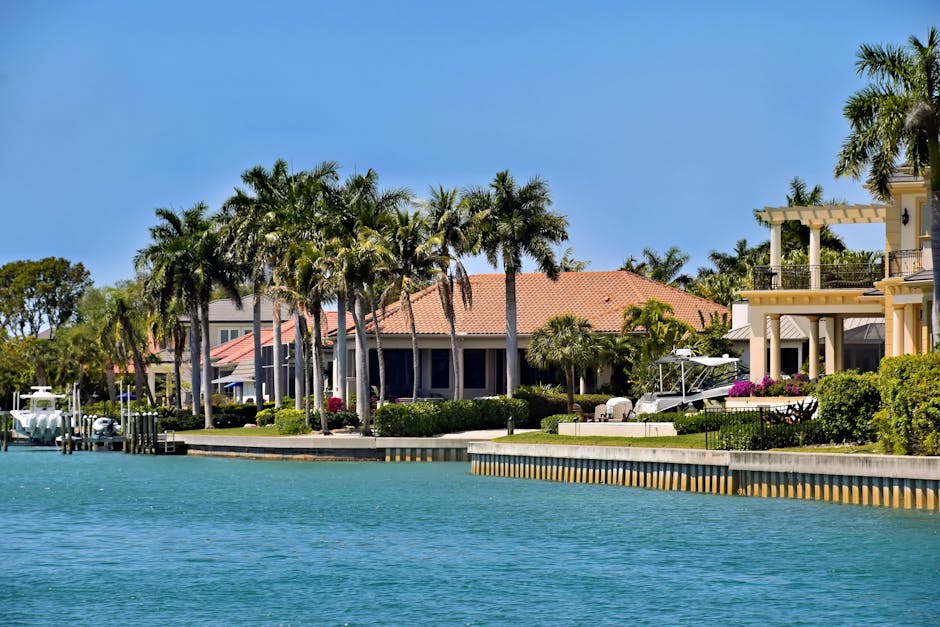
Current market conditions, marked by a median list price of approximately $2,272,000, require a disciplined approach to valuation. In neighborhoods like Davis Islands and Hyde Park, the lack of available land has pushed prices for existing structures to historic highs. Buyers must distinguish between properties that are priced high due to scarcity and those that offer true architectural or historical significance. The most expensive sales of the past year have consistently favored waterfront lots with modern, resilient construction that accounts for evolving flood zone requirements and insurance mandates.
The most expensive luxury home sales of 2025 provide a roadmap for current expectations. These transactions often involve properties that have been extensively renovated or custom-built within the last five years, featuring smart-home integration, professional-grade kitchens, and outdoor living spaces that function as seamless extensions of the interior. For those looking at property types like land or commercial-sale residential on Grady Avenue or Waters Avenue, the focus shifts toward future use and the potential for redevelopment in a city that is rapidly densifying.
When evaluating these opportunities, it is essential to consider the total cost of ownership beyond the purchase price. In the luxury sector, this includes specialized maintenance for waterfront seawalls, high-capacity irrigation for tropical landscaping, and the premium for comprehensive insurance coverage. A senior advisor looks past the marble countertops to evaluate the integrity of the roof, the elevation of the first living floor, and the capacity of the backup power systems—factors that ultimately dictate the long-term viability of the investment.
Strategic Diligence: A Checklist for Tampa Acquisitions
- Verify the current elevation certificate and confirm the property’s position relative to the latest FEMA flood maps for Davis Islands or Bayshore.
- Audit the developer’s track record for any pre-construction condominium units, focusing on past delivery timelines and build quality in high-velocity coastal environments.
- Evaluate the home’s building envelope, including impact-rated glazing and roof-to-foundation strapping, to ensure compliance with the most rigorous Florida Building Codes.
- Assess the proximity to private aviation facilities at Peter O. Knight Airport or Tampa International for seamless regional and international connectivity.
- Review the CC&Rs (Covenants, Conditions, and Restrictions) for luxury enclaves to understand limitations on architectural modifications or short-term usage.
- Compare neighborhood-specific price-per-square-foot trends against the broader Florida real estate trends to identify areas with the highest potential for equity growth.
Cultural Anchors and the Infrastructure of High-End Living
A luxury market is only as strong as the lifestyle infrastructure that supports it. Tampa has seen a parallel surge in high-end hospitality, private social clubs, and curated cultural events that cater to an affluent population. Events such as the Tampa Bay Barbecue Festival or the local Greek Festival are not just community gatherings; they are markers of a city with a deep, multi-generational social fabric that new residents find increasingly attractive. This blend of historic local culture and new-money investment creates a unique social environment that distinguishes Tampa from the more transient feel of other Florida markets.
Furthermore, the city’s ability to host large-scale events and maintain high-quality public spaces—such as the Riverwalk and the various parks throughout Hyde Park—adds a layer of “intangible value” to nearby real estate. Proximity to these hubs is a primary driver of property value. Buyers are looking for the ability to attend a performance at the Straz Center or a major music event and return to a private, secure residence within minutes. This connectivity is a hallmark of the new Tampa luxury experience, where convenience is the ultimate amenity.
The maturation of the local dining scene, with several establishments receiving international acclaim, has further solidified the city’s standing. For the high-net-worth individual, these developments mean that a relocation to Tampa does not require a compromise on lifestyle. Instead, it offers a more grounded, community-oriented version of high-end living, supported by world-class amenities and a climate that allows for year-round outdoor engagement, despite the occasional summer rain predicted for late May 2026.
Comparing Water Street Connectivity with Davis Islands Seclusion
Two of the most prominent luxury enclaves in Tampa offer diametrically opposed value propositions: the high-energy, walkable urbanism of Water Street and the quiet, guarded seclusion of Davis Islands. Water Street represents the future of Tampa’s luxury condo market, emphasizing wellness, sustainability, and immediate access to the city’s best retail and dining. It is a choice for those who value the “live-work-play” model and want to be at the center of the city’s economic engine. The inventory here is modern, efficient, and designed for a global citizen who may split time between multiple cities.
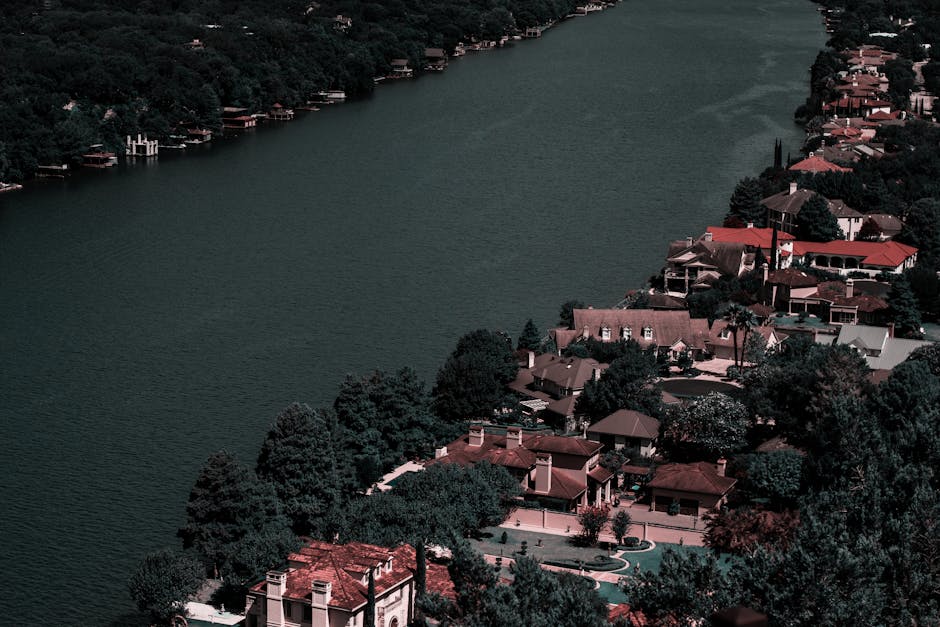
In contrast, Davis Islands and Venetian Isles remain the premier choice for those seeking privacy and waterfront estate living. Recent updates, such as the new pricing on waterfront luxury in Venetian Isles, show that even at the highest levels, there is a strategic need for market alignment. These areas offer larger lots, private deep-water docks, and a sense of quietude that is difficult to replicate in an urban high-rise. The decision between these two environments typically comes down to a choice between the vibrant connectivity of a downtown core and the traditional, secure luxury of a residential island community.
Understanding these neighborhood nuances is critical for a successful acquisition. A senior advisor will analyze the specific price-per-acre velocity on Davis Islands versus the price-per-square-foot appreciation in Water Street high-rises. Each neighborhood responds differently to market pressures, and a well-diversified real estate portfolio in Tampa should account for these variations. Whether one is looking at a $2.9 million commercial-adjacent opportunity or a $1.5 million residential entry point in Beach Park, the fundamental requirement remains the same: a deep understanding of local micro-markets.
Inventory Trajectory and the Senior Advisor’s Outlook
As we move through the second quarter of 2026, the Tampa luxury market is characterized by stability and selective growth. The 120 active luxury listings represent a market that is tightly held, where owners are reluctant to part with high-quality assets unless they are moving within the local market to a different property type. This “lock-in” effect has kept prices firm and has placed a premium on new construction that can meet the rigorous demands of today’s buyers. We expect this trend to continue as more institutional capital flows into the region, further elevating the standard for luxury living.
The long-term outlook for Tampa remains bullish, supported by strong demographic trends and a diversifying economy that is no longer solely dependent on traditional Florida industries. For the private investor, the focus should remain on quality, location, and resilience. Avoid the temptation to chase speculative trends and instead focus on assets that offer tangible value in established neighborhoods. The maturation of the market means that the “low-hanging fruit” is gone, but the opportunities for sophisticated, well-advised acquisitions have never been more professional or lucrative.
To navigate this complex landscape effectively, you need a partner who understands the neighborhood-level implications of every transaction. Whether you are looking to acquire a vertical estate on Bayshore or a private waterfront compound on Davis Islands, the right guidance is essential to securing an asset that aligns with your long-term objectives. We invite you to explore our curated selection of high-end properties and engage with a senior advisor who can provide the analytical depth required for this level of investment. Browse our luxury homes for sale today and contact an advisor to begin your strategic search.
Your next move in Tampa luxury
Get current inventory, pricing guidance, and private-tour support from our brokerage team.
Source highlights
- Tampa Bay’s most expensive luxury home sales of 2025 – Tampa Bay Times
- Demolition begins to make way for luxury condos in downtown Tampa – The Business Journals
- Why Tampa remains an early-stage luxury condo market – Tampa Bay Business & Wealth
- Florida Trend Real Estate – Florida Trend
- Jennifer Zales Unveils Venetian Isles Waterfront Luxury Now Offered At A New Price – Haute Living
- Inside Tampa’s $675 Million Surge: How the City Became Florida’s New Luxury Investment Capital – hauteresidence.com
- Tampa Bay area music events this weekend: Bob Dylan's birthday celebrations – WUSF
- Things to do with kids this weekend in Tampa, FL – That's So Tampa



