The Evolution of Tampa as a Primary Luxury Destination
Tampa has undergone a fundamental shift in its real estate identity, transitioning from a regional hub to a primary target for high-net-worth individuals. While national markets have seen varied levels of stagnation, the local sector continues to demonstrate resilience. This strength is rooted in a fundamental change in buyer behavior; many are no longer seeking seasonal retreats but are establishing permanent residences. This shift is corroborated by reports from The Business Journals, which highlight how the regional luxury market grows stronger despite broader economic headwinds.

Current inventory data reflects this demand, with a median list price holding steady around $2,300,000 for premium properties. The average list price, however, frequently exceeds $3,000,000, driven by a limited selection of roughly 120 active luxury listings. This scarcity creates a competitive environment where decision-making must be backed by data rather than emotion. For those entering the market, understanding the nuance of neighborhood-level movement is more critical than general city-wide statistics. Buyers are increasingly focusing on the long-term viability of specific corridors, particularly those with established infrastructure and proximity to high-end amenities.
The influx of capital is not merely coming from traditional domestic sources. Tampa is seeing a diversification of its buyer pool, including international investors and corporate executives relocating for the city’s favorable tax climate and growing professional landscape. This trend has elevated the standard of what constitutes a luxury asset in the area. It is no longer sufficient for a home to have a high price tag; it must offer a sophisticated blend of architectural integrity, modern technology, and site-specific advantages. Navigating this landscape requires a deep understanding of current luxury homes for sale and the specific attributes that define their value.
Inventory Dynamics and the $3 Million Threshold
Analyzing the current MLS snapshot reveals a tight concentration of high-value assets. Properties such as those on North Florida Avenue and West Dr. Martin Luther King Jr. Boulevard represent a range of price points from $2.2 million to nearly $3 million, illustrating the variety of entry points for the luxury buyer. However, the true high-end of the market often centers on waterfront or oversized lots in areas like Davis Islands and Beach Park. In these locations, the land value itself often accounts for a significant portion of the total acquisition cost, making the underlying asset a stable hedge against inflation.
Supply constraints are the primary driver of current pricing strategies. With only 120 active listings in the upper echelon, buyers frequently encounter multiple-offer scenarios for well-priced, turnkey properties. This lack of inventory is particularly acute for modern constructions that meet current Florida building codes. Older estates, while often possessing historical charm, frequently require substantial investment to align with modern expectations for energy efficiency and hurricane resistance. Consequently, new or recently renovated homes command a significant premium, often pushing the effective price per square foot to record levels for the region.
Sophisticated buyers are also looking beyond traditional residential options. The market for land and commercial sale properties has seen increased activity as families look to build custom estates or secure adjacent parcels for privacy. This holistic approach to real estate acquisition is a hallmark of the current market cycle. Whether acquiring a $1.5 million residence on North Grady Avenue or a multi-million dollar waterfront parcel, the focus remains on the intrinsic value of the location and the potential for appreciation in a market that is still catching up to the valuations seen in South Florida.
Evaluating Waterfront Assets on Davis Islands and Bayshore
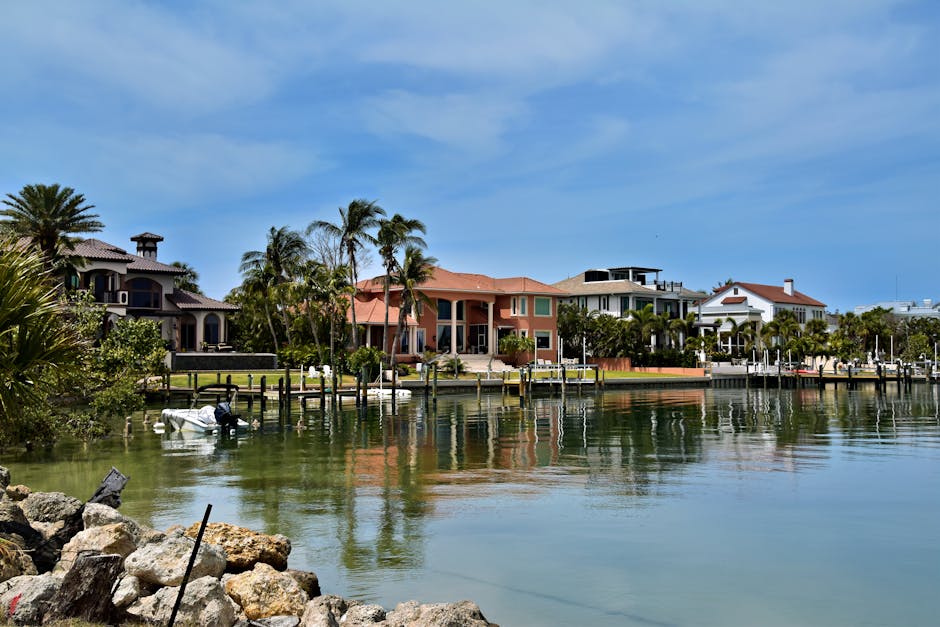
The Tampa waterfront has officially emerged as a primary luxury real estate market, as noted by The National Law Review. This recognition is driven by the limited availability of riparian rights and the increasing prestige associated with Bayshore Boulevard and Davis Islands. These areas offer more than just a view; they provide a specific lifestyle infrastructure that includes deep-water dockage, immediate access to the bay, and a proximity to downtown that is rare for waterfront estates. However, these assets require a higher level of due diligence regarding seawall integrity and flood mitigation strategies.
When comparing waterfront properties, it is essential to distinguish between open bay views and canal-front access. Open bay properties on Davis Islands represent the pinnacle of the market, often appearing on lists of the region’s most expensive sales. According to the Tampa Bay Times, the top sales of 2025 were heavily concentrated in these specific waterfront corridors. Canal-front homes offer better protection for vessels but may lack the expansive vistas that drive the highest appraisals. Buyers must decide which attribute aligns more closely with their long-term usage and investment goals.
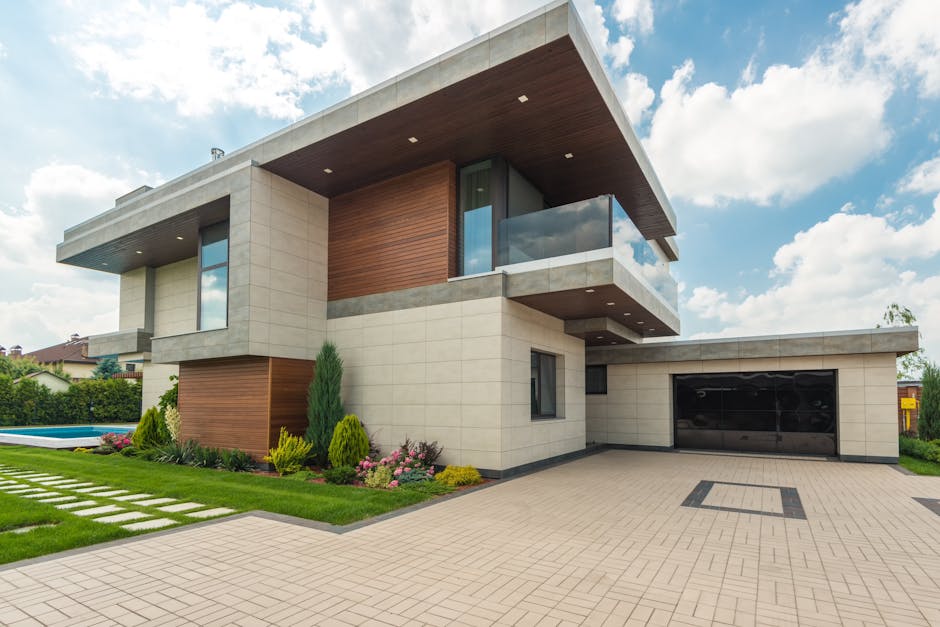
Furthermore, the architectural landscape of these waterfront areas is shifting. The Mediterranean Revival style that once dominated is giving way to Tropical Modernism—designs that prioritize glass, light, and a seamless indoor-outdoor transition. This architectural evolution is a response to the way high-end buyers now interact with their environment. Large-scale window systems and elevated outdoor living spaces are no longer optional additions but are expected features in the $5 million-plus category. This trend ensures that the waterfront remains the most dynamic and high-value segment of the local inventory.
Strategic Verification Checklist for High-End Acquisitions
Before proceeding with a luxury purchase, it is imperative to verify specific structural and regulatory elements that can impact long-term value. In a market as specialized as Tampa’s, generic inspections are insufficient for multi-million dollar assets.
- Verify seawall and dock age, including recent engineering surveys for waterfront parcels.
- Assess the elevation of the first living floor relative to current FEMA requirements.
- Evaluate the remaining lifespan of HVAC systems specifically designed for high-humidity coastal environments.
- Confirm the status of any Homeowners Association or Community Development District fees and their historical rate of increase.
- Review the architectural history and any protected status for properties in historic districts like Hyde Park.
- Examine the proximity to future planned developments that could impact privacy or view corridors.
Taking these steps ensures that your investment is protected from unforeseen capital expenditures. A sophisticated buyer prioritizes a thorough discovery phase, recognizing that the true cost of an asset includes its maintenance and regulatory compliance over time.
Navigating the Emerging Luxury Condominium Sector
The Tampa luxury condo market is currently in an early-stage growth phase, offering a distinct value proposition compared to traditional single-family estates. As analyzed by Tampa Bay Business & Wealth, the development of high-rise residences in Water Street and along Bayshore Boulevard is attracting a demographic that prioritizes service and security. These vertical estates often include 24-hour concierge service, advanced wellness facilities, and private elevator access, catering to those who desire the benefits of ownership without the maintenance requirements of a large ground-level estate.
Pricing in the condo sector has seen significant appreciation as the first wave of ultra-luxury towers nears completion. For many buyers, the appeal lies in the integration of residential life with urban convenience. The ability to walk to high-end dining and cultural venues is a relatively new luxury in Tampa, and it is driving a premium for units in the downtown core. However, potential buyers should carefully evaluate the density and long-term management of these buildings. The financial health of the condo association and the quality of the original developer are critical factors in maintaining resale value.
While the condo market is growing, it remains a specialized niche. It attracts a different profile than the buyer looking for a multi-acre estate in North Tampa or a secluded home in Culbreath Isles. The choice between vertical luxury and traditional land-based estates often comes down to a preference for controlled environments versus personal autonomy. As more inventory enters the market, the distinction between these two paths will become even more pronounced, allowing buyers to select the specific asset class that fits their portfolio and daily requirements.
Decision Drivers for Multi-Acre Inland Estates
While waterfront properties capture many headlines, there is a robust market for inland estates that offer privacy and scale. In areas like Carrollwood or the northern stretches of the county, luxury buyers can find properties that encompass multiple acres, providing a level of seclusion that is impossible to achieve in the more densely populated coastal zones. These estates often feature extensive outdoor amenities, such as professional-grade tennis courts, detached guest houses, and expansive equestrian facilities, making them ideal for buyers with specific lifestyle demands.
The value driver for inland estates is typically the combination of square footage and privacy. These properties allow for larger floor plans and more specialized rooms—such as dedicated home theaters, climate-controlled wine cellars, and expansive home offices—that might be constrained by lot sizes in South Tampa. Furthermore, inland areas often provide a more traditional neighborhood feel, with mature landscaping and lower traffic volume. For families prioritizing space and a quieter environment, these estates represent a compelling alternative to the bustling waterfront corridors.
Investing in an inland estate requires a different perspective on market movement. These properties may have a longer average time on market than their waterfront counterparts, but they often show more stable long-term appreciation. They are less susceptible to the immediate impacts of coastal environmental regulations, though they require significant attention to land management and large-scale property maintenance. For the advisor-led buyer, these properties represent a strategic play for those who value space above all else, often providing a lower price per square foot than the premium paid for a bay view.
Structural Integrity and Long-Term Value Retention
In the luxury tier, structural integrity is the ultimate differentiator. Tampa’s climate and coastal proximity demand a higher standard of construction than many other markets. High-end buyers are increasingly savvy about the technical aspects of their homes, from the type of foundation used to the impact rating of the glass. Properties that incorporate sustainable building practices and resilient design are not only more comfortable but are also positioned for better value retention as insurance requirements and building codes evolve. This technical focus is a key part of the current professional real estate landscape, as discussed in Florida Trend.
Value retention is also tied to the timelessness of the design. While trends in interior finishes may come and go, the core architectural language of a home should be enduring. Sophisticated buyers often look for properties that balance contemporary amenities with classic proportions. This approach ensures that the home remains relevant to future buyers, regardless of changing fashions. In a market where the median list price is $2.3 million, the cost of a full-scale renovation is significant; therefore, homes that are built to a high standard from the outset represent a much lower risk for the long-term owner.
Ultimately, the Tampa luxury market is about more than just high-end real estate; it is about securing a place in a city that is rapidly ascending on the national stage. Whether you are focused on the prestigious streets of South Tampa or the expansive estates of the suburbs, the fundamentals remain the same: prioritize location, verify structural quality, and act on data. For tailored guidance on navigating these inventory dynamics, you are encouraged to contact a dedicated advisor to discuss your specific requirements and begin your search for the right property.
Your next move in Tampa luxury
Get current inventory, pricing guidance, and private-tour support from our brokerage team.
Source highlights
- Tampa Bay’s most expensive luxury home sales of 2025 – Tampa Bay Times
- Tampa Bay luxury market grows stronger despite national declines – The Business Journals
- Why Tampa remains an early-stage luxury condo market – Tampa Bay Business & Wealth
- Tampa Bay’s Waterfront Emerges as a Primary Luxury Real Estate Market – The National Law Review
- Florida Trend Real Estate – Florida Trend
- Jennifer Zales Unveils Venetian Isles Waterfront Luxury Now Offered At A New Price – Haute Living
- Tampa Bay-area events this weekend: Sharkapalooza and St. Pete Italian Fest – WUSF
- Things to do with kids this weekend in Tampa, FL – That's So Tampa