


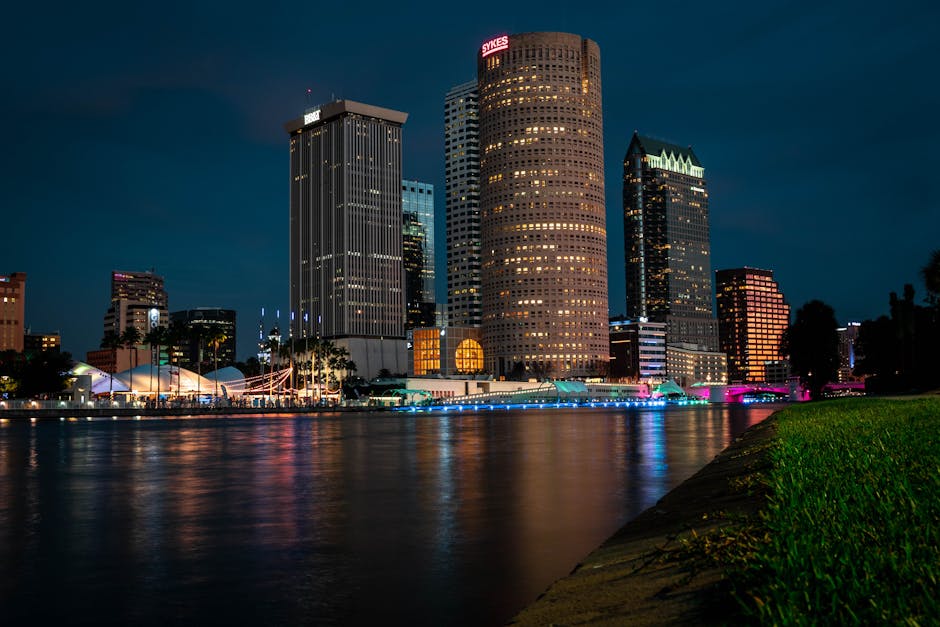
The Transition to a Primary Luxury Market
The landscape of Tampa luxury real estate has undergone a fundamental structural shift. No longer viewed simply as a seasonal destination, the waterfront corridors of South Tampa and the surrounding islands have matured into a primary market for global executives and high-net-worth individuals. This evolution is driven by a sophisticated buyer profile that prioritizes long-term asset stability over speculative growth. As noted by the National Law Review, the region’s waterfront is now recognized as a premier primary residential hub, competing directly with established markets in South Florida and the Northeast.
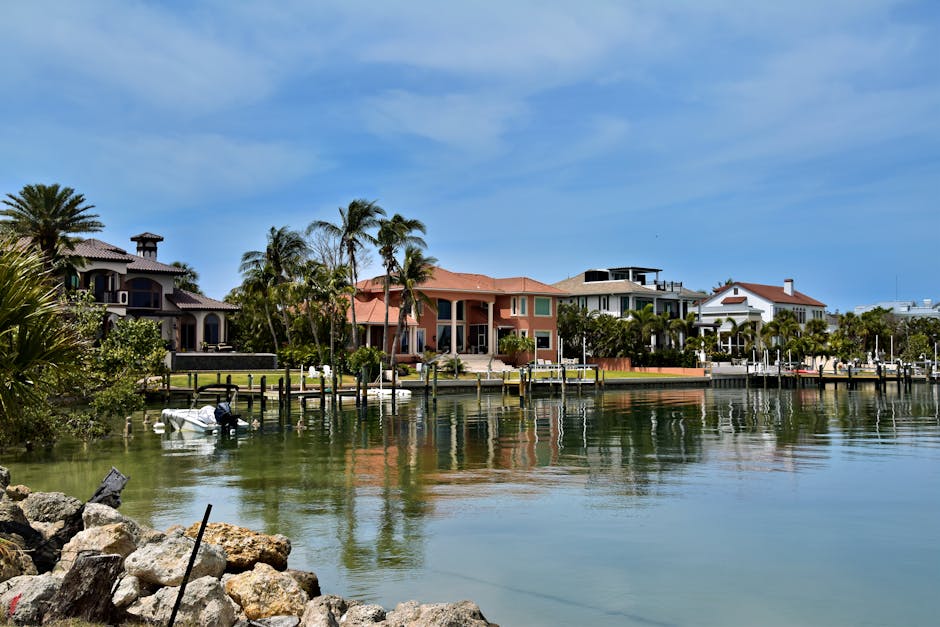
Valuation models for these properties now incorporate more than just square footage and views. Buyers are analyzing the quality of shoreline protection, the elevation of the build-site, and the proximity to the city’s expanding commercial core. With a median list price currently holding steady at $2,300,000 and an average list price exceeding $3,100,000, the entry point for true luxury assets has moved significantly. This upward trajectory is supported by a limited supply of ready-to-occupy inventory, which continues to favor sellers who have invested in modern structural standards and high-end finishes.
Understanding this movement requires a perspective that looks beyond the traditional real estate cycle. The current inventory of 120 luxury listings represents a tightly controlled supply-side environment where quality is the primary differentiator. For those looking to secure a position in this market, the focus should remain on properties that offer both architectural significance and robust engineering. The shift toward primary residency means that features once considered optional—such as integrated home offices and multi-generational living suites—are now mandatory requirements for top-tier listings.
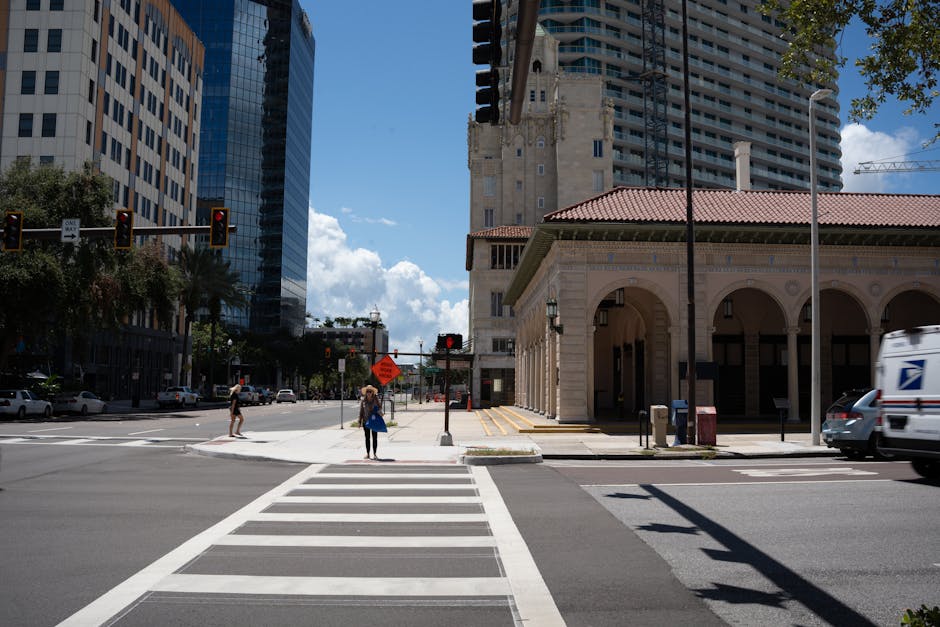
We are seeing a trend where buyers are willing to wait for the right asset rather than compromising on location or structural integrity. This patience is a hallmark of a mature market. By analyzing current luxury homes for sale, one can see the clear distinction between standard residential offerings and the elite waterfront estates that define the upper echelon of the Tampa market.
Executive Migration and Neighborhood Selection
Neighborhood selection in 2026 is increasingly dictated by the mobility patterns of the executive class. Areas like Davis Islands and Culbreath Isles continue to command the highest premiums due to their unique combination of privacy, deep-water access, and proximity to the business districts. The decision-making process for these buyers often mirrors corporate acquisition strategies, focusing on risk mitigation and long-term utility. According to the Business Journals, the broader region’s ability to attract top-tier talent is a significant factor in sustained real estate demand.
While Davis Islands offers a historical prestige and a community-centric atmosphere, newer developments along Bayshore Boulevard are attracting a younger, tech-focused demographic. These buyers are looking for modern aesthetics and smart-home integration that minimizes the friction of daily life. The migration isn’t just about moving to Florida; it’s about selecting a specific micro-market that aligns with a specific professional and personal trajectory. In neighborhoods like Hyde Park, the historical context adds a layer of value that is difficult to replicate in newer suburban developments.
Comparative analysis between these neighborhoods reveals subtle but important differences in price-per-square-foot and historical appreciation. For instance, Culbreath Isles remains a fortress of traditional luxury, where large lot sizes and gated security provide a level of seclusion that is increasingly rare. In contrast, the redevelopment of the Westshore area is introducing a more contemporary version of luxury that appeals to those who value immediate access to high-end retail and private aviation facilities. Each neighborhood offers a distinct value proposition that must be weighed against the buyer’s specific requirements.
The choice between these areas often comes down to the intended use of the waterfront itself. Davis Islands is preferred by those with significant maritime interests, as the deep-water canals accommodate larger vessels with fewer navigational restrictions. Conversely, the open bay views of Bayshore provide a visual prestige that serves as a status symbol for the city’s most prominent residents. Navigating these nuances is where the guidance of a seasoned advisor becomes indispensable.
Inventory Metrics and Construction Cycles
Supply dynamics in the Tampa luxury sector are currently influenced by a decrease in mortgage rates and a simultaneous rise in new construction. As reported by Tampa Bay Business & Wealth, the drop in rates to 6.09% has revitalized the construction sector, bringing more sophisticated inventory to the market. This new supply is critical for a market that has historically struggled with a lack of turn-key properties that meet modern luxury standards. The presence of 120 active luxury listings suggests a balanced environment, but the highest quality assets are still moving with significant velocity.
For buyers, the influx of new construction provides an opportunity to acquire assets built to the latest Florida building codes, which is a major factor in insurance underwriting and long-term maintenance costs. We are seeing a divergence in the market where older, non-renovated homes are lingering on the listing service, while new-build estates are often under contract before completion. This trend emphasizes the importance of understanding the construction pipeline and the reputation of the developers active in the South Tampa area.
The cost of land remains a significant barrier to entry, particularly for properties with direct bay access. Developers are increasingly looking at teardown opportunities on Davis Islands and in Sunset Park to create the large-scale estates that the market demands. This has led to a situation where the land value often represents more than 50% of the total acquisition cost. Understanding the intrinsic value of the dirt versus the improvements is a vital component of the due diligence process for any serious investor.
Furthermore, the stabilization of mortgage rates has allowed for more predictable financial planning, even for cash-heavy luxury transactions. While many of these acquisitions are non-contingent, the broader economic environment still dictates the pace of the market. Buyers are looking for properties that show a clear path to appreciation, supported by the ongoing infrastructure improvements and commercial growth within the city of Tampa itself.
Due Diligence Checklist for Waterfront Assets
Acquiring a waterfront asset requires a technical evaluation that goes beyond a standard home inspection. The environmental conditions inherent to coastal living demand a rigorous assessment of the property’s physical and legal standing. This is not the stage for shortcuts; the integrity of the seawall and the accuracy of the elevation certificate will have direct impacts on the property’s future value and insurability.
- Verify the structural integrity of the seawall and the presence of any required riparian rights or submerged land leases.
- Confirm the current elevation certificate against updated FEMA maps to accurately project flood insurance premiums.
- Analyze the permit history for any docks, lifts, or shoreline modifications to ensure full compliance with local and state regulations.
- Assess the condition of the HVAC and electrical systems, specifically their resistance to salt-air corrosion typical in South Tampa.
- Review the property’s wind mitigation report to determine eligibility for insurance credits and overall storm resilience.
- Evaluate the landscaping and drainage systems to ensure they can handle the seasonal rainfall patterns common to the Florida Gulf Coast.
By systematically addressing these points, a buyer can move from interest to acquisition with a clear understanding of the asset’s total cost of ownership. The goal is to eliminate surprises that could affect the long-term utility of the home. This level of detail is what separates a standard purchase from a strategic investment in the Tampa market.
High-Density Luxury vs. Estate Autonomy
A significant debate in the current market centers on the choice between high-density luxury condominiums and the autonomy of a single-family estate. Vertical luxury, represented by the new towers rising along the downtown waterfront and the Water Street district, offers a managed environment with high-end amenities and integrated security. This appeals to the ‘lock-and-leave’ lifestyle favored by many modern executives who travel frequently. The maintenance-free aspect of condo living is a compelling counterpoint to the responsibilities of owning a large bayfront estate.
However, the single-family estate remains the ultimate symbol of privacy and control. Properties like those on North Florida Avenue or the expansive lots on Dr. Martin Luther King Jr. Boulevard offer a level of acreage and customization that a condominium cannot match. For the buyer who values the ability to create a private sanctuary—including custom garages, expansive outdoor living areas, and personal docks—the estate model is the only viable path. This segment of the market remains incredibly resilient, as the scarcity of large bayfront lots ensures a floor for valuation.
We are also seeing a hybrid approach where buyers maintain a downtown condominium as a pied-à-terre while keeping a larger estate in areas like Avila or Culbreath Isles for primary residency. This reflects a broader trend of diversification in personal real estate portfolios. The market is now deep enough to support both product types, with distinct buyer profiles for each. According to Florida Trend, the diversification of the Florida real estate market is a key indicator of its long-term health.
Ultimately, the decision rests on the buyer’s tolerance for management. A condominium offers a predictable, serviced experience, while an estate requires a dedicated management strategy. Both options currently show strong market support, provided the location is within the core luxury districts of Tampa. As the city continues to densify, the value of land-intensive estates is likely to increase at a higher rate due to the sheer lack of available expansion space.
Market Velocity and Seasonal Liquidity
Timing in the Tampa luxury market is often misunderstood. While many assume a summer slowdown, the reality of the primary residency shift means that transaction volume is becoming more consistent throughout the year. The lifestyle in Tampa, characterized by its mix of high-end arts and local festivals, keeps the area active regardless of the temperature. Events such as the local ballet performances and the seasonal dance parties reported by Axios contribute to a community that feels ‘alive’ year-round, making it an attractive destination for permanent relocation.
Buyers should also consider the seasonal weather patterns, including the typical May rain, as part of their evaluation of a property’s performance. Seeing how an estate handles a heavy afternoon thunderstorm provides practical insight into its drainage and structural integrity. This real-world testing is more valuable than any glossy marketing brochure. The resilience of the local market is tied directly to the resilience of its infrastructure, which has seen significant investment in recent years.
The social calendar, including events like the upcoming Blues and BBQ festivals mentioned by WMNF, also plays a role in how neighborhoods are perceived. These events foster a sense of place that is essential for a primary residence market. Buyers aren’t just looking for a house; they are looking for a community that offers a high quality of life outside of the office. This cultural depth is what differentiates Tampa from more transient markets in the state.
In this environment, liquidity is highest for properties that are priced according to their current condition and neighborhood context. Over-improvement for a specific street or neglect of basic waterfront maintenance can lead to extended days on market. For those looking to sell, a strategic approach that emphasizes the primary residency features and the long-term stability of the Tampa area will yield the best results. For buyers, the goal is to identify value in an environment where the ‘best’ assets are often transacted with minimal public exposure.
Navigating the complexities of the Tampa luxury market requires more than just access to the MLS; it requires a deep understanding of the structural, legal, and social factors that drive long-term value. Whether you are seeking a modern waterfront estate on Davis Islands or a secluded retreat in Culbreath Isles, our team provides the analytical brief you need to make an informed decision. We invite you to browse our curated luxury homes for sale and then contact an advisor to discuss your specific acquisition or disposition strategy in the current market.
Your next move in Tampa luxury
Get current inventory, pricing guidance, and private-tour support from our brokerage team.
Source highlights
- Column: Why executives keep choosing St. Pete – The Business Journals
- Tampa Bay’s most expensive luxury home sales of 2025 – Tampa Bay Times
- Mortgage rates fall to 6.09% as new construction lifts Tampa supply – Tampa Bay Business & Wealth
- Tampa Bay’s Waterfront Emerges as a Primary Luxury Real Estate Market – The National Law Review
- Jennifer Zales Unveils Venetian Isles Waterfront Luxury Now Offered At A New Price – Haute Living
- Florida Trend Real Estate – Florida Trend
- Things To Do In Tampa This Weekend: Fun Festivals & Events In Tampa This Weekend – That's So Tampa
- Tampa Bay-area events this weekend: Sharkapalooza and St. Pete Italian Fest – WUSF
