


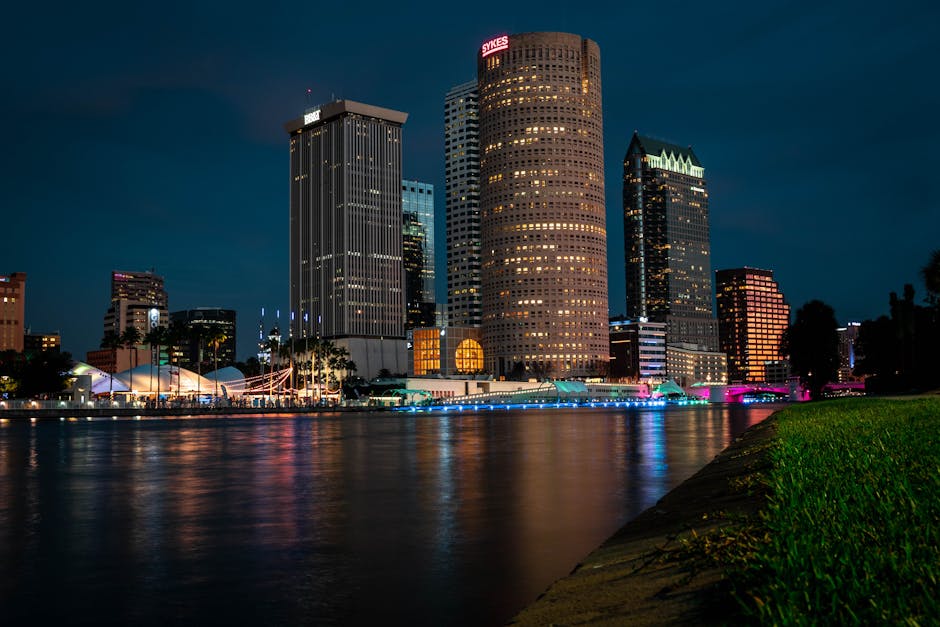
The Transition to Primary Waterfront Markets
The Tampa Bay luxury real estate landscape is undergoing a fundamental shift from a seasonal destination to a primary residential hub for high-net-worth individuals. Data from the current market cycle indicates that the waterfront is no longer viewed merely through the lens of leisure but as a critical component of a primary residence. This movement is driven by a desire for year-round lifestyle integration, where proximity to the water is balanced with access to the city’s burgeoning professional and cultural cores. The emergence of the Tampa waterfront as a primary luxury market reflects a broader national trend where executive-level buyers prioritize health, wellness, and environmental connectivity in their permanent home base.
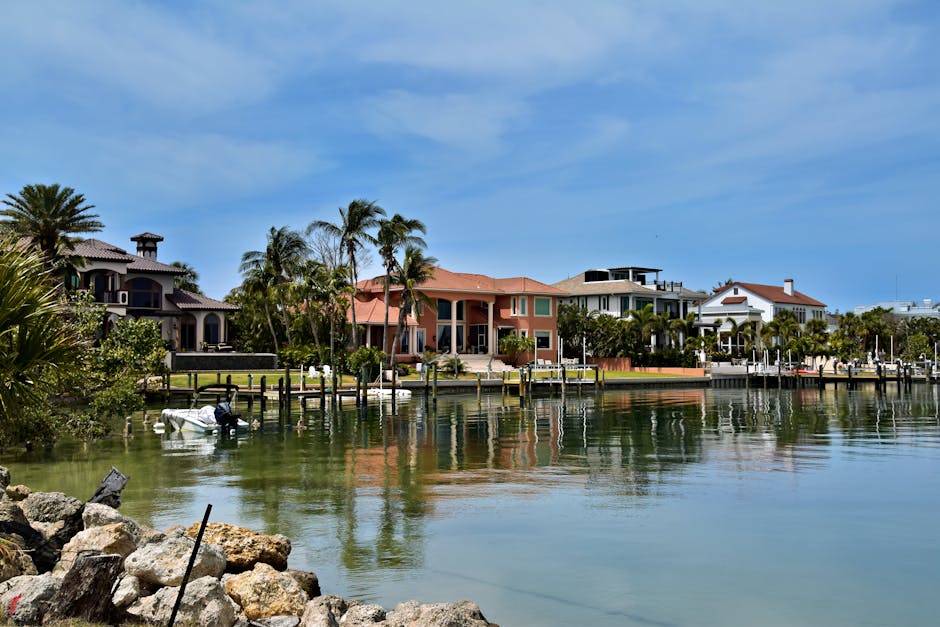
As of mid-May 2026, the inventory reflects this demand with an average list price exceeding $3.1 million across the top-tier segments. Buyers are increasingly sophisticated, looking beyond aesthetic appeal to evaluate the structural integrity and long-term viability of coastal properties. In neighborhoods like Beach Park and Culbreath Isles, the focus has moved toward newer construction that adheres to the most stringent modern building codes, ensuring that these primary residences can withstand the subtropical environment while offering the technological amenities expected at this price point. The current active inventory of approximately 120 luxury properties offers a narrow but high-quality selection for those ready to commit to the Tampa region.
The decision-making process for these buyers now involves a deeper analysis of infrastructure and community longevity. With temperatures reaching the mid-90s this weekend and the seasonal rain patterns beginning to emerge, sophisticated buyers use this time to assess how properties handle high heat and heavy precipitation. This practical approach to property evaluation is a hallmark of the current market, where the ‘winter getaway’ mentality has been replaced by a rigorous ‘year-round residence’ standard. Investors and families alike are focusing on the long-term utility of these spaces, ensuring that the luxury experience remains consistent regardless of the season.
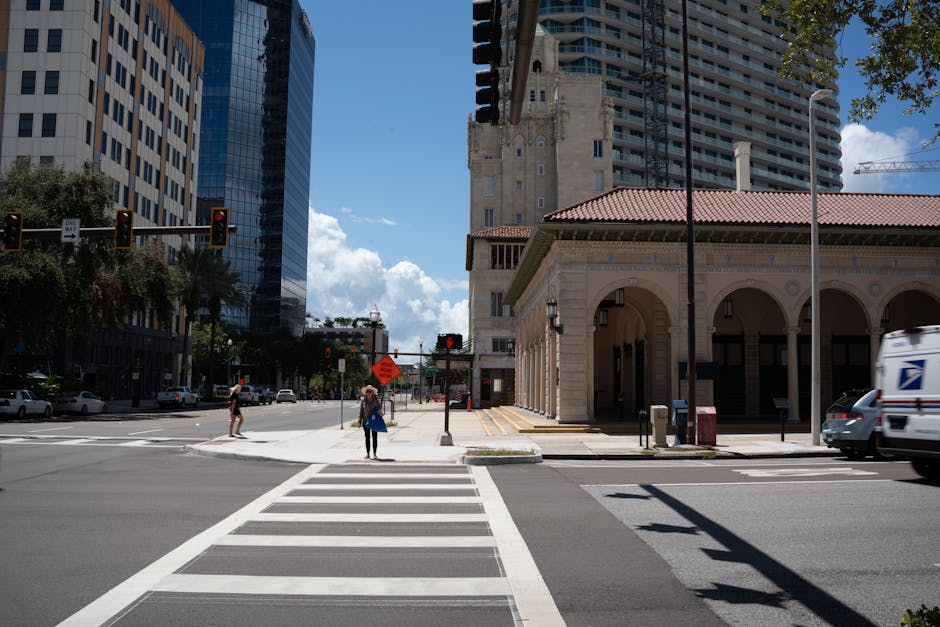
Evaluating the Early-Stage Luxury Condo Market
While traditional estate homes on large lots remain a staple of the South Tampa market, there is a significant movement toward high-density luxury living. This shift is characterized by the development of vertical communities that offer the same level of privacy and service as a detached estate but with the added benefits of managed maintenance and centralized location. Industry analysts have noted that Tampa remains an early-stage luxury condo market, which presents a unique window for buyers to secure prime positions in projects that are redefining the city skyline. Areas like Water Street and the Westshore district are leading this charge, providing a blend of residential, commercial, and retail spaces that cater to a sophisticated urban lifestyle.
The appeal of the luxury condo in Tampa lies in its simplification of ownership. For the modern executive, the ability to ‘lock and leave’ is a significant advantage, yet the current demand is for units that do not compromise on square footage or finish quality. Large floor plans, private elevators, and expansive terraces that overlook Hillsborough Bay are now standard requirements. This segment of the market is attracting those who might have previously purchased a home in Hyde Park or Davis Islands but now prefer the elevation and security offered by a high-rise. The competition for these limited units is intense, as they represent a modern interpretation of Florida living that prioritizes efficiency and view corridors.
Furthermore, the condo market is benefiting from the influx of corporate relocations. As firms move their headquarters to the region, the demand for high-end rental and purchase options near the central business district has surged. This has created a robust secondary market for these units, providing a layer of liquidity that was less prevalent in previous decades. Buyers are advised to look closely at the reputation of developers and the health of association reserves, as these factors are critical in an early-stage market where long-term value is still being established through consistent delivery and management excellence.
Geographic Focus and Neighborhood Dynamics
Identifying value in the current Tampa luxury market requires a granular understanding of neighborhood-level movements. While the median list price sits at $2.3 million, the variance between sub-markets like Bayshore Boulevard and the northern corridors of the city can be substantial. For instance, recent activity has shown a growing interest in areas previously considered emerging, such as the North Florida Avenue corridor where properties are reaching the $2.2 million mark. This suggests that the luxury boundary is expanding as buyers seek larger lots or unique architectural opportunities outside the traditional South Tampa core. Strategic buyers are looking at these shifts as indicators of future appreciation and community development.
In the historic core, neighborhoods like Hyde Park continue to command a premium due to their walkability and established charm. However, the inventory here is often limited by preservation requirements, leading some buyers to look toward newer developments in Westshore or the redevelopment of waterfront tracts along the Dr. Martin Luther King Jr. Boulevard corridor. A recent example includes land and residential offerings in the $2.9 million range, highlighting that even in areas with a mix of property types, the demand for luxury-grade residential space is driving significant price appreciation. This diversification of the luxury footprint is a positive sign for the region’s overall economic health.
Understanding these dynamics is essential for any serious buyer. The market is no longer a monolith; it is a collection of distinct micro-markets, each with its own set of drivers and risks. Whether it is the quiet, canopy-lined streets of Palma Ceia or the high-energy environment of Harbour Island, the choice of neighborhood often dictates the long-term utility of the investment. Buyers should evaluate each area not just for its current amenities, but for its trajectory over the next five to ten years, considering planned infrastructure, school district performance, and the general direction of commercial growth nearby.
Critical Due Diligence for Tampa Luxury Acquisitions
In a market where the average transaction frequently exceeds several million dollars, the due diligence process must be exhaustive. The complexity of Florida real estate, particularly in coastal areas, necessitates a technical approach to verification. Buyers are moving beyond basic home inspections to employ specialists in seawall integrity, mold mitigation, and advanced HVAC systems designed for the humid Gulf Coast climate. This rigor ensures that the purchase remains an asset rather than a liability, especially when considering the potential for weather-related events in the coming months.
- Verification of elevation certificates and current flood zone classifications to determine insurance premiums and rebuilding requirements.
- Structural assessment of seawalls, docks, and lift systems for all waterfront properties, including depth surveys for vessel access.
- Review of condominium or HOA reserve studies to ensure the association is financially prepared for long-term capital improvements.
- Analysis of historical appreciation data within the specific neighborhood compared to the broader Tampa Bay average.
- Evaluation of local infrastructure projects, including drainage improvements and planned commercial developments that could impact traffic or noise.
- Assessment of smart home integration and the capacity for future technological upgrades in older luxury renovations.
Each of these points represents a critical junction in the acquisition process. For example, understanding the nuances of insurance in the current Florida market is as important as the purchase price itself. Working with advisors who can provide specific data on these items is the difference between a successful transaction and a costly error. The current inventory of 120 properties means that while options exist, the best-prepared buyers—those who have already completed their preliminary research on these fronts—are the ones who successfully navigate the closing process in a competitive environment.
Comparative Analysis: Tampa vs. St. Petersburg
A recurring question for luxury buyers entering the region is the choice between Tampa and St. Petersburg. While both offer exceptional waterfront lifestyles, the motivations for choosing one over the other are often tied to professional requirements and lifestyle preferences. Recent reports suggest that executives continue to choose St. Pete for its highly walkable downtown core and specialized professional sectors. However, Tampa remains the dominant force for those requiring proximity to the international airport, major sporting venues, and the state’s largest financial and legal firms. This distinction is vital for buyers who need to balance personal residence with global connectivity.
The pricing dynamics also reflect this competition. While both cities have seen record-breaking sales, as highlighted in the Tampa Bay’s most expensive home sales reports, the type of inventory differs. St. Petersburg offers more mid-century modern and contemporary waterfront options, whereas Tampa provides a broader range of traditional estates, Mediterranean-inspired villas, and the new wave of ultra-luxury condos. Buyers often find themselves comparing a penthouse in Water Street with a historic waterfront estate in Snell Isle, two very different products that serve the same affluent demographic.
Ultimately, the decision often comes down to the daily commute and the desired social fabric. Tampa’s luxury hubs are often more integrated with the city’s established power structures, while St. Petersburg offers a more relaxed, arts-focused environment that is increasingly attracting tech founders and younger executives. Both markets are healthy, and the cross-pollination between the two sides of the bay is increasing, as seen in the growth of regional ferry services and improved bridge connectivity. For the luxury investor, having a presence in both—or at least a deep understanding of both—is a strategic advantage in the Florida market.
Market Dynamics and Pricing Trajectories
The 2026 market is characterized by a stabilization of pricing at a new, higher baseline. With an average list price of $3,111,332, the entry point for true luxury in Tampa has moved significantly over the past five years. This is not merely a result of inflation but a reflection of the increased quality and scale of available properties. The Florida Trend real estate reports indicate that while the pace of appreciation has moderated from the frenetic levels of the early 2020s, the lack of new land for development in prime areas continues to put a floor under luxury values. There is a tangible scarcity of ‘move-in ready’ homes, which has kept the market tilted in favor of sellers who have invested in high-quality updates.
Buyer behavior has also evolved. The ‘fear of missing out’ has been replaced by a more patient, analytical approach. Buyers are willing to wait for the right property that checks every box rather than compromising on location or condition. This patience is reflected in the days-on-market for properties that are priced aggressively but lack the ‘wow’ factor or have deferred maintenance. Conversely, properties that are expertly staged, well-maintained, and correctly priced often see multiple offers within the first two weeks. This bifurcation of the market underscores the importance of accurate valuation and property preparation for those looking to exit their positions.
For those looking to enter the market, the current inventory of 120 luxury homes provides a sufficient but not overwhelming number of choices. This allows for comparative shopping but requires a level of decisiveness. Many of the most desirable properties never reach the public MLS, trading instead through private networks of advisors and top-tier agents. This ‘off-market’ activity is a sign of a mature luxury ecosystem where privacy is valued as much as the transaction price itself. Navigating this layer of the market requires deep local roots and a reputation for discretion and professionalism.
Strategic Entry and Final Considerations
Entering the Tampa luxury market in 2026 requires a blend of data-driven analysis and local intuition. The market is resilient, supported by a diverse economy and a steady influx of wealth from higher-tax states. However, it is not immune to broader economic cycles. The key for the sophisticated buyer is to identify properties that offer ‘defensive’ luxury—elements that will remain in high demand regardless of the market climate. This includes prime waterfront positioning, exceptional architectural design, and location within highly rated school districts or near major economic drivers like the Westshore business district.
As we move into the middle of May, the weather serves as a reminder of the importance of property management and environmental preparation. The low rain percentage today is expected to increase over the weekend, making it an ideal time to inspect properties for drainage efficiency and the performance of outdoor living spaces under heavy Florida rain. These practical considerations are often what separate a successful long-term residence from a property that becomes a source of frustration. Luxury in Tampa is about more than just the view; it is about the seamless integration of a high-end lifestyle with the realities of the Florida environment.
To navigate this complex landscape, we recommend a disciplined approach that starts with a clear understanding of your long-term goals. Whether you are seeking a primary residence for your family or a strategic addition to your real estate portfolio, the Tampa market offers unique opportunities that are not found elsewhere in the state. The combination of a growing urban core, world-class amenities, and a still-maturing luxury market makes this an ideal time for a strategic acquisition. By focusing on quality, due diligence, and neighborhood dynamics, you can secure a position in one of the most promising luxury markets in the country.
To explore the current inventory and identify opportunities that align with your specific criteria, we invite you to browse our exclusive luxury listings. Our team of senior advisors is available to provide the analytical depth and neighborhood-level insights required for a successful acquisition. When you are ready to discuss your requirements in a confidential setting, please contact an advisor today to begin your tailored search in the Tampa Bay region.
Your next move in Tampa luxury
Get current inventory, pricing guidance, and private-tour support from our brokerage team.
Source highlights
- Tampa Bay’s most expensive luxury home sales of 2025 – Tampa Bay Times
- Column: Why executives keep choosing St. Pete – The Business Journals
- Why Tampa remains an early-stage luxury condo market – Tampa Bay Business & Wealth
- Tampa Bay’s Waterfront Emerges as a Primary Luxury Real Estate Market – The National Law Review
- Florida Trend Real Estate – Florida Trend
- Jennifer Zales Unveils Venetian Isles Waterfront Luxury Now Offered At A New Price – Haute Living
- Things To Do In Tampa This Weekend: Fun Festivals & Events In Tampa This Weekend – That's So Tampa
- Tampa Bay-area events this weekend: Sharkapalooza and St. Pete Italian Fest – WUSF
