



Analyzing the Current Metrics of Premium Acquisitions
The landscape of high-end property across the region has entered a phase of stabilization, characterized by precise valuations and selective buyer activity. Current market data reveals an active inventory of roughly 120 premium properties, establishing a highly competitive environment for exceptional estates. The median list price now sits at $2,300,000, establishing a robust baseline for entry into the upper tier of the market. However, the average list price extends significantly higher to $3,111,332. This divergence between the median and the average is a critical indicator; it highlights a bifurcated environment where ultra-luxury, turnkey waterfront estates are commanding substantial premiums and pulling the average upward. Buyers must understand that the baseline entry point does not accurately reflect the cost of securing a property in the top decile of the market.
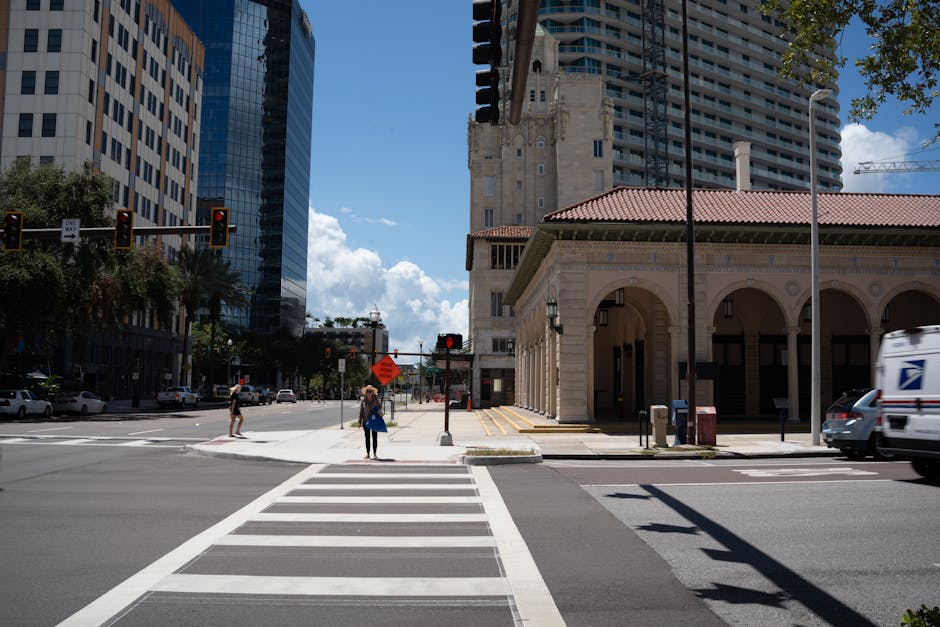
For individuals allocating capital in this environment, patience and decisive action must be perfectly balanced. The limited inventory of 120 active listings means that properties offering the optimal blend of architectural integrity, modern infrastructure, and prime location move swiftly. There is minimal tolerance for overpricing among sellers, yet properly priced assets frequently attract multiple interested parties. Buyers should approach negotiations equipped with comprehensive comparable sales data, focusing on hyper-local trends rather than broader regional statistics. Understanding the nuances of these pricing dynamics allows for more aggressive, confident posturing when the right property becomes available.
Furthermore, the prominence of residential, commercial, and land sales within the top tiers suggests a diversified investor mindset. While fully realized single-family estates remain the primary focus, there is a growing appetite for prime vacant parcels and commercial tear-downs. Acquiring land in established enclaves offers the ultimate luxury of absolute customization, though it introduces the complexities of extended construction timelines and navigating coastal building regulations. Investors and future residents alike are carefully weighing the immediate gratification of an existing home against the long-term strategic value of a custom build.
Evaluating Core Neighborhood Dynamics and Valuations
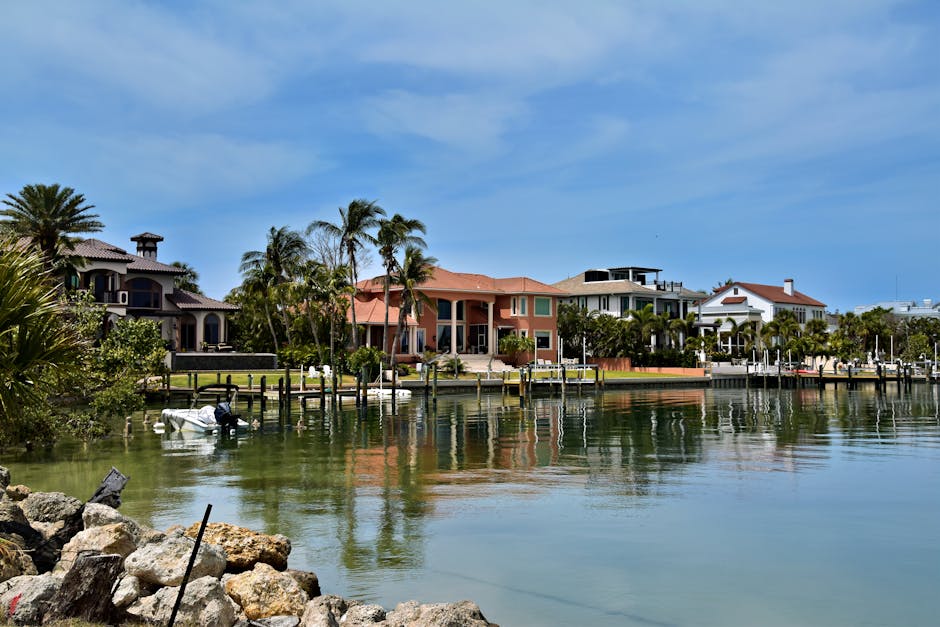
When executing a high-net-worth transaction, the focus rapidly narrows from broader city metrics to the precise characteristics of individual neighborhoods. Established areas such as Davis Islands, Hyde Park, and Beach Park continue to anchor the upper end of the valuation spectrum. These enclaves offer a compelling synthesis of historic pedigree, mature tree canopies, and proximity to the urban core. Buyers evaluating properties in these locations are often paying for the scarcity of the land and the established community infrastructure. The decision-making process frequently involves analyzing the cost of updating legacy architecture versus the premium attached to recent, ground-up construction.
Conversely, emerging waterfront corridors are attracting significant attention from buyers seeking modern architectural designs and robust deep-water access. In these sectors, the value is heavily weighted toward navigational convenience for large vessels and the structural integrity of newer seawalls. The demographic profile of buyers in these areas often skews toward those prioritizing a seamless integration of indoor and outdoor living, with an emphasis on advanced home technologies and climate-resilient construction. Understanding the distinct value propositions of these different neighborhoods is essential for aligning a property acquisition with long-term lifestyle and financial objectives.
Additionally, the architectural diversity across the region requires buyers to refine their specific aesthetic and functional requirements early in the search process. Whether evaluating a meticulously restored Mediterranean Revival estate or a starkly modern concrete-and-glass structure, the underlying value is heavily dependent on execution. Poorly executed renovations or incongruous architectural styles often face extended days on market, even in highly desirable locations. A successful acquisition hinges on identifying properties where the quality of construction and the architectural narrative are in perfect harmony with the surrounding neighborhood.
The Maturation of the Vertical Living Sector
The traditional preference for sprawling single-family estates is gradually being complemented by a rising demand for sophisticated vertical living. The skyline is evolving, introducing a new caliber of residential offerings that cater to a distinct buyer profile. As industry analysts have noted, the region remains an early-stage luxury condo market, presenting unique opportunities for early positioning. These developments provide an alternative for buyers seeking extensive amenities, integrated security, and the convenience of a lock-and-leave property.
This shift is largely driven by evolving demographic trends and corporate migration patterns. An increasing number of affluent professionals are establishing primary or secondary residences in the area, drawn by the favorable economic climate and quality of life. The influx of corporate leadership is a significant catalyst; reports continue to detail why executives are actively choosing the broader region for relocation. For these buyers, high-end condominiums offer the necessary proximity to business hubs without the maintenance overhead associated with large suburban properties.
Evaluating these vertical assets requires a different analytical framework than single-family homes. Buyers must closely scrutinize the financial health of the condominium association, the ratio of primary residents to investors, and the long-term viability of the building’s infrastructure. The premium attached to penthouses and upper-floor units with unobstructed water views remains steep, but buyers must ensure that the underlying management and reserve funds justify the initial capital outlay and ongoing assessment costs.
Strategic Due Diligence for High-End Acquisitions
Securing a premium property requires an exhaustive due diligence process that extends far beyond standard inspections. Buyers operating in the multi-million dollar strata must systematically eliminate risk by verifying structural, legal, and environmental factors. Failing to conduct rigorous analysis can result in unforeseen capital expenditures that rapidly erode the asset’s overall value. A systematic approach ensures that every facet of the property is evaluated against stringent standards before finalizing the transaction.
The following criteria represent essential focal points during the inspection and verification phases of a high-end property acquisition:
- Examine comprehensive elevation certificates and verify current flood zone designations, as recent municipal mapping updates directly influence insurance underwriting parameters and long-term carrying costs.
- Assess the structural integrity and remaining lifespan of seawalls, docks, and marine infrastructure, factoring in the eventual capital required for replacing legacy concrete systems.
- Audit the provenance of all major renovations and expansions, explicitly confirming that municipal permits were properly closed and that structural modifications adhere to current building codes.
- Analyze micro-market velocity on a street-by-street basis, moving beyond general neighborhood data to determine the precise liquidity and historical appreciation of comparable adjacent estates.
- Evaluate the integration and obsolescence risk of existing smart home technologies, ensuring that the property’s digital backbone can support modern security, climate control, and automation protocols.
Navigating this checklist often requires assembling a team of specialized professionals, including structural engineers, marine contractors, and land-use attorneys. The upfront investment in this level of expertise is negligible compared to the financial exposure of acquiring a property with hidden defects or encumbrances. A seasoned advisor will coordinate these specialists, ensuring that the findings are synthesized into actionable intelligence during the negotiation period.
Integrating Cultural Maturation with Capital Allocation
The acquisition of premium real estate is inextricably linked to the cultural and lifestyle offerings of the surrounding environment. The region is undergoing a significant cultural maturation, transitioning into a destination that offers a sophisticated array of culinary, artistic, and recreational experiences. This evolution directly impacts property valuations, as affluent buyers increasingly prioritize proximity to high-level cultural infrastructure. The integration of lifestyle amenities into the urban fabric enhances the intrinsic value of residential assets located within these spheres of influence.
This momentum is reflected in the expanding calendar of regional activities. From high-profile culinary showcases to localized cultural gatherings, the area provides a robust schedule that appeals to diverse interests. For example, buyers frequently plan their visits around notable events across the bay area to experience the community atmosphere firsthand. Engaging with these cultural touchpoints allows prospective residents to accurately gauge the social dynamics and civic engagement of their future neighborhoods.
Furthermore, the environmental context plays a continuous role in shaping the lifestyle narrative. Approaching the warmer months, the focus shifts toward boating, coastal recreation, and maximizing outdoor living spaces. Buyers evaluating waterfront properties during this period are particularly attuned to the prevailing weather patterns and the efficiency of a property’s climate mitigation features. Understanding how a home performs and facilitates leisure during peak temperature periods is a critical component of the evaluation process.
Executing Your Transaction with Precision
Successfully navigating the complexities of this specific market requires a highly structured and analytical approach. The data clearly indicates a competitive environment where the average list price of $3,111,332 demands significant capital commitment and rigorous financial preparation. Buyers must be positioned to act decisively when a property meeting their exacting specifications becomes available. This requires having proof of funds or sophisticated financing structures completely finalized prior to initiating negotiations.
The role of a dedicated advisor is to strip away the emotional elements of the transaction, providing objective, data-backed guidance. An advisor will interpret the shifting inventory levels, dissect the hyper-local pricing trends, and manage the extensive due diligence required for a secure acquisition. This professional layer is essential for mitigating risk and ensuring that the final terms of the agreement strongly favor the buyer’s interests.
To begin the process of identifying your next high-end acquisition, take the time to review the current landscape of available properties. You can explore the active inventory and analyze structural details by visiting our comprehensive portal for available luxury listings. When you are prepared to transition from market observation to active acquisition, reach out to schedule a private, confidential strategy session via our advisory contact page. Our team is prepared to provide the localized intelligence necessary for a flawless transaction.
Your next move in Tampa luxury
Get current inventory, pricing guidance, and private-tour support from our brokerage team.
Source highlights
- Tampa Bay’s most expensive luxury home sales of 2025 – Tampa Bay Times
- Column: Why executives keep choosing St. Pete – The Business Journals
- Why Tampa remains an early-stage luxury condo market – Tampa Bay Business & Wealth
- Florida Trend Real Estate – Florida Trend
- Jennifer Zales Unveils Venetian Isles Waterfront Luxury Now Offered At A New Price – Haute Living
- New Signature Real Estate Team Emerges Across Tampa Bay: The Nick Janovsky Group Launches with Premier Sotheby’s International Realty – citybiz
- Things To Do In Tampa This Weekend: Fun Festivals & Events In Tampa This Weekend – That's So Tampa
- Tampa Bay-area events this weekend: Sharkapalooza and St. Pete Italian Fest – WUSF
