


The Maturity of the Tampa Luxury Sector
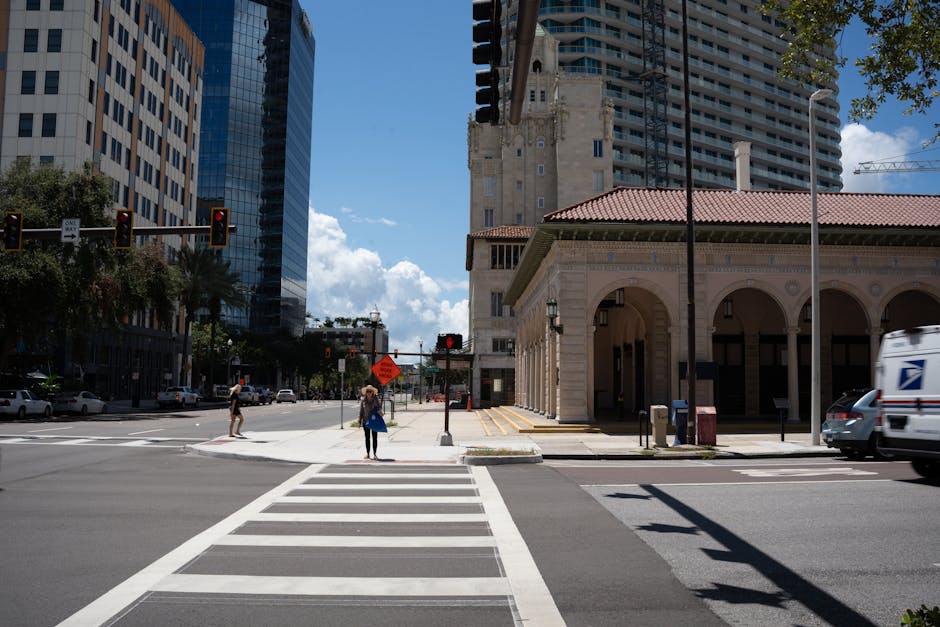
Tampa’s skyline and waterfront corridors are no longer merely transitioning; they have reached a state of institutional maturity that demands a more sophisticated approach from buyers. As of mid-2026, the local market is defined by a significant surge in high-end inventory, a trend mirrored across the state as Florida luxury real estate remains resilient amid shifting tax policies and record listing volumes. Recent data indicates that the median list price for luxury properties in the region has stabilized around $2,300,000, signaling a market that rewards patience and precise valuation over speculative haste. This stabilization is particularly evident in established neighborhoods where the entry point for quality construction now frequently exceeds the $2 million mark.
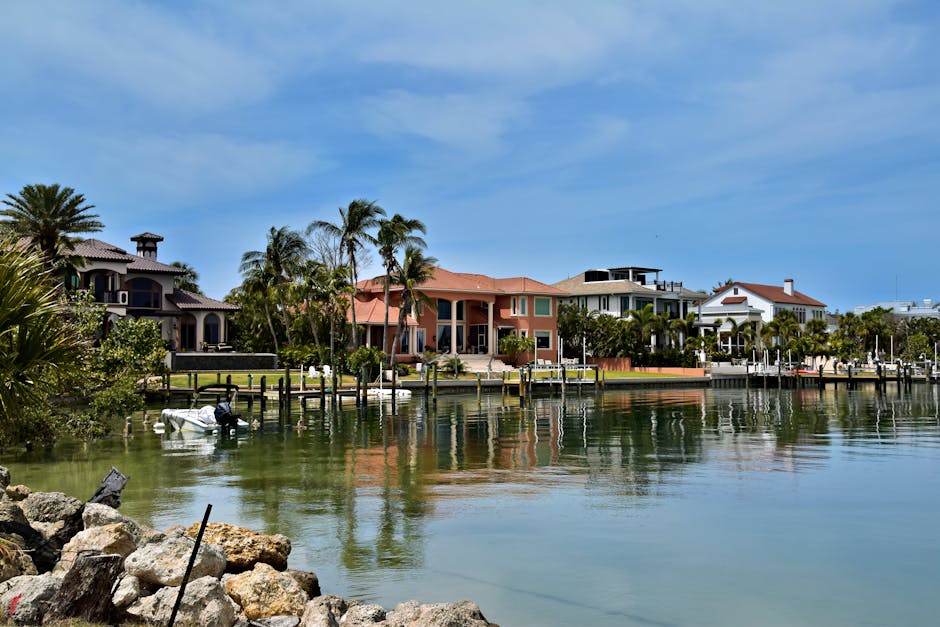
For the private advisor, the current climate is one of opportunity rooted in data. While total active luxury inventory sits at 120 units, the average list price has climbed to over $3,111,332, reflecting a concentration of trophy assets that have recently come to market. This influx of high-value listings provides a rare window for buyers to compare diverse architectural styles and site-specific advantages that were unavailable during the inventory-starved years of the early 2020s. Navigating this volume requires a keen understanding of neighborhood-level micro-trends, particularly as we see a divergence between traditional waterfront estates and the emerging demand for managed luxury environments.
The influence of external economic factors cannot be overstated. According to reports from MSN, the surge in listings is partly a response to broader shifts in the national tax landscape, encouraging high-net-worth individuals to rebalance their portfolios with Florida-based physical assets. In Tampa, this has manifested as a move toward properties that offer both lifestyle continuity and long-term capital preservation. Buyers are moving away from the impulsive acquisitions of the past and toward a more calculated, advisory-led process that prioritizes structural integrity and location-based utility.

Inventory Dynamics and Pricing Precision
Understanding the current median list price of $2,300,000 requires looking beyond the sticker price to the underlying value drivers. In South Tampa and the surrounding waterfront districts, pricing is increasingly dictated by the age of the structure and its adherence to modern elevation standards. Properties like those found along Florida Avenue or the Grady Avenue corridor serve as essential benchmarks for assessing land value versus vertical improvement. When an average list price reaches $3.1 million, the discerning buyer must differentiate between superficial finishes and the intrinsic value of the lot and its location-specific amenities.
Market movement in 2026 shows that the ‘days on market’ metric is lengthening for properties that lack a clear value proposition, while well-priced, turn-key residences are still moving with efficiency. This bifurcation means that buyers now have the leverage to conduct exhaustive due diligence without the immediate pressure of a multiple-offer scenario on every listing. It is a period of price discovery where the historical data of 2024 and 2025 is being re-evaluated against a larger pool of available homes. This transparency is a welcome development for executives who value predictable outcomes in their real estate transactions.
Furthermore, the variety of property types—ranging from residential estates to substantial land holdings—allows for a diversified approach to local investment. With land specifically being a high-demand category for those seeking to build custom residences that meet the latest hurricane-resistant building codes, the competition for prime acreage remains steady. This focus on long-term durability is a hallmark of the current buyer profile, where the objective is to secure an asset that can withstand both environmental and economic fluctuations over a decade-long horizon.
The Executive Shift: Why Business Leaders are Selecting Tampa
The migration of executive talent into the Tampa Bay area continues to be a primary driver of the luxury sector’s growth. This trend is not limited to Tampa proper; as noted in The Business Journals, regional business hubs are increasingly attracting C-suite professionals who prioritize the ease of logistics and the density of professional networks. These buyers are looking for more than just a residence; they are seeking a strategic base that facilitates both local operations and national travel. The proximity of high-end neighborhoods to the Westshore Business District and Tampa International Airport remains a critical factor in the decision-making process.
Executive buyers typically exhibit a behavior pattern that prioritizes efficiency and privacy. This has led to a renewed interest in gated enclaves and properties with advanced security integrations. The demand for home offices that function as legitimate executive suites—featuring soundproofing, dedicated fiber-optic lines, and independent climate control—is now a standard requirement rather than an elective upgrade. This shift reflects the reality of modern leadership roles, where the home must serve as a high-functioning extension of the corporate office.
Moreover, the cultural and social infrastructure of Tampa has evolved to meet the expectations of a global audience. The region’s ability to host major events, such as the upcoming Memorial Day weekend takeover and other high-profile entertainment bookings, demonstrates a level of vibrancy that supports property values. Executives are drawn to areas that offer this blend of professional utility and high-level leisure, ensuring that their investment is situated in a location with sustained demand and a high quality of life.
Five Critical Vetting Standards for Local Luxury
- Verification of current flood elevation certificates and the resulting impact on long-term insurance premiums.
- Assessment of proximity to major infrastructure projects and their potential for noise or traffic disruption.
- Detailed analysis of historical price-per-square-foot trends within a specific neighborhood sub-pocket.
- Evaluation of the structural integrity of waterfront bulkheads and seawalls, including recent inspection reports.
- Confirmation of zoning regulations regarding secondary structures or privacy-enhancing landscaping.
The Rise of Vertical Living: Condos and Early-Stage Opportunities
While the traditional image of Tampa luxury often involves sprawling lawns and historic oaks, there is a distinct movement toward high-rise living. Tampa remains an early-stage luxury condo market, as highlighted by Tampa Bay Business & Wealth. This stage of development offers a unique entry point for buyers who prefer the lock-and-leave convenience of a managed building but do not want to sacrifice the scale of a single-family home. Many of the newer developments along Bayshore Boulevard and in the Water Street district are offering floor plans that rival traditional houses in square footage while providing superior views and amenities.
For the senior advisor, the condo market represents a different set of risk-reward parameters. The focus shifts to the health of the condo association, the quality of the building’s management, and the long-term outlook for the surrounding skyline. Buyers are increasingly sophisticated in their review of association reserves and the potential for future assessments, especially in the wake of updated state regulations regarding building inspections. The preference is clearly leaning toward new construction where these concerns are mitigated by modern engineering and transparent financial structures.
This vertical shift is also a response to the limited availability of prime waterfront land. As the most desirable coastal plots are built out, the only remaining direction for luxury development is up. This has created a competitive environment for ‘sky residences’ that offer 360-degree views of Hillsborough Bay and the downtown skyline. These properties are particularly attractive to those relocating from markets like New York or Chicago, where high-rise living is the standard for the affluent professional.
Location Analysis: South Tampa vs. The Emerging North Corridor
South Tampa remains the gold standard for many, characterized by its established character and high concentration of top-tier schools and dining. The appeal of neighborhoods like Palma Ceia and Beach Park lies in their consistency; these are areas where property values have historically shown great resilience. However, the high density and mature landscape mean that new construction often requires the demolition of existing structures, adding a layer of complexity and cost to any acquisition. Buyers in these areas are paying a premium for a lifestyle that is deeply integrated into the city’s social fabric.
Conversely, we are seeing an emerging north corridor that offers a different value proposition. Areas such as the northern reaches of Tampa and the land toward Lutz are providing larger estates with more significant acreage. This is particularly appealing to buyers who prioritize privacy and space for equestrian facilities or expansive private gardens. The development of new luxury communities in these areas is being met with strong interest from families who want a retreat-like atmosphere while remaining within a manageable commute of the downtown core. This expansion of the luxury footprint is a healthy sign of a growing metropolitan area.
Decision-useful guidance in this context involves a direct comparison of lifestyle requirements. A buyer must decide between the walkable, social environment of a South Tampa bungalow-style estate and the secluded, expansive nature of a north corridor property. Both offer significant upside, but they cater to very different buyer behaviors. Analyzing the movement of peer executives and the development of new commercial hubs can provide a roadmap for where the next wave of value appreciation is likely to occur, as tracked by resources like Florida Trend.
Strategic Entry: Negotiating in a Record-Listing Environment
Entering the Tampa luxury market in 2026 requires a negotiation strategy that accounts for the record level of listings. With 120 active units in the luxury category, buyers have the statistical advantage of choice. This does not necessarily mean that prices are in a freefall; rather, it means that sellers must be more realistic about their property’s condition and positioning. A strategic offer in this environment is backed by a thorough analysis of recent comparable sales and a clear understanding of the seller’s motivation. Properties that have lingered on the market for more than 90 days often present the best opportunities for price adjustments or favorable terms.
Vetting a property in this price bracket also involves a careful look at the history of the listing itself. In a market with high inventory, some properties may be re-listed multiple times to reset the ‘days on market’ counter. An experienced advisor will look past these tactics to identify the true market history and any previous price corrections. This level of transparency is essential for making an informed decision that aligns with the buyer’s broader financial goals. The objective is to secure an asset at a price point that reflects its current utility and future liquidity.
Ultimately, the decision to acquire a luxury property in Tampa should be viewed through the lens of long-term residence and wealth preservation. While the market offers a diverse range of options, from the $1.5 million Grady Avenue properties to the $2.9 million estates on Dr. Martin Luther King Jr. Boulevard, the common thread is the need for a disciplined approach to acquisition. By focusing on the fundamentals of location, construction quality, and neighborhood trajectory, buyers can confidently navigate the complexities of the 2026 market and secure a position in one of Florida’s most dynamic metropolitan areas.
The current landscape of the Tampa luxury market offers a rare combination of high inventory and stable pricing, providing a prime environment for strategic acquisition. Whether you are seeking a vertical residence with bay views or a sprawling estate in an established neighborhood, the opportunity to secure a high-value asset has never been more clear. We invite you to explore the latest LISTINGS URL to view the current inventory and CONTACT URL an advisor to begin a tailored search that aligns with your specific investment criteria and lifestyle requirements.
Your next move in Tampa luxury
Get current inventory, pricing guidance, and private-tour support from our brokerage team.
Source highlights
- Florida luxury real estate surges amid record listings, tax shifts – MSN
- Tampa Bay’s most expensive luxury home sales of 2025 – Tampa Bay Times
- Column: Why executives keep choosing St. Pete – The Business Journals
- Why Tampa remains an early-stage luxury condo market – Tampa Bay Business & Wealth
- Florida Trend Real Estate – Florida Trend
- New Signature Real Estate Team Emerges Across Tampa Bay: The Nick Janovsky Group Launches with Premier Sotheby’s International Realty – citybiz
- 40+ Best Things to Do in Tampa Bay this Month: Events and MORE! – Tampa Bay Date Night Guide
- Tampa leaders, WWE star Titus O’Neil promote alternative event for young people amid 'teen takeover' trend – FOX 13 Tampa Bay
