


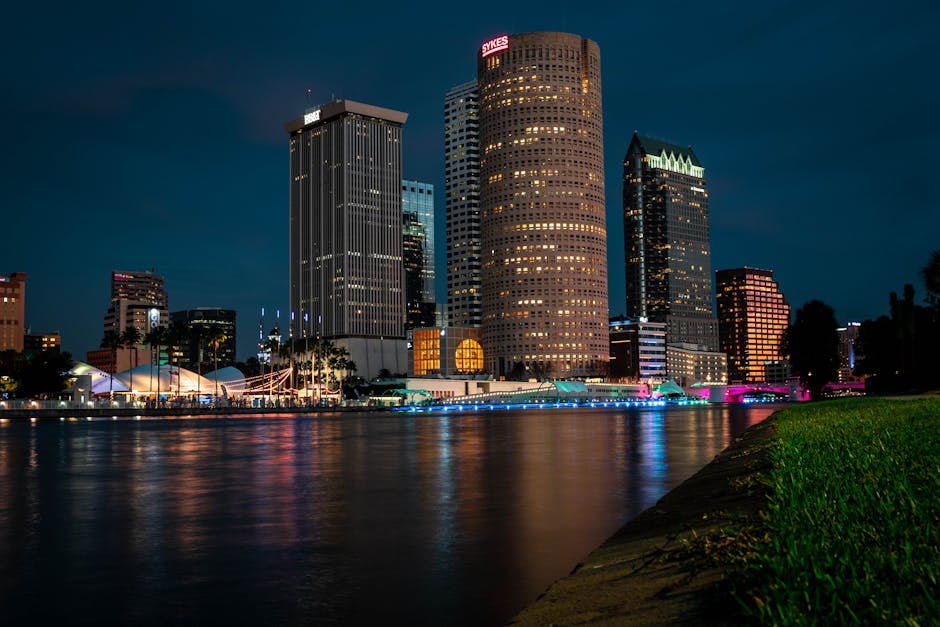
The Macro Shift in Florida’s High-End Residential Sector
Tampa’s luxury real estate landscape is currently navigating a period of significant structural transition. As we move through the second quarter of 2026, the influx of high-net-worth individuals into Florida continues to redefine traditional valuation metrics. Recent reporting from MSN highlights how tax shifts and record listings are creating a more nuanced environment for both buyers and sellers. This surge is not merely a quantitative increase in residents but a qualitative shift in the types of assets being prioritized for long-term equity.
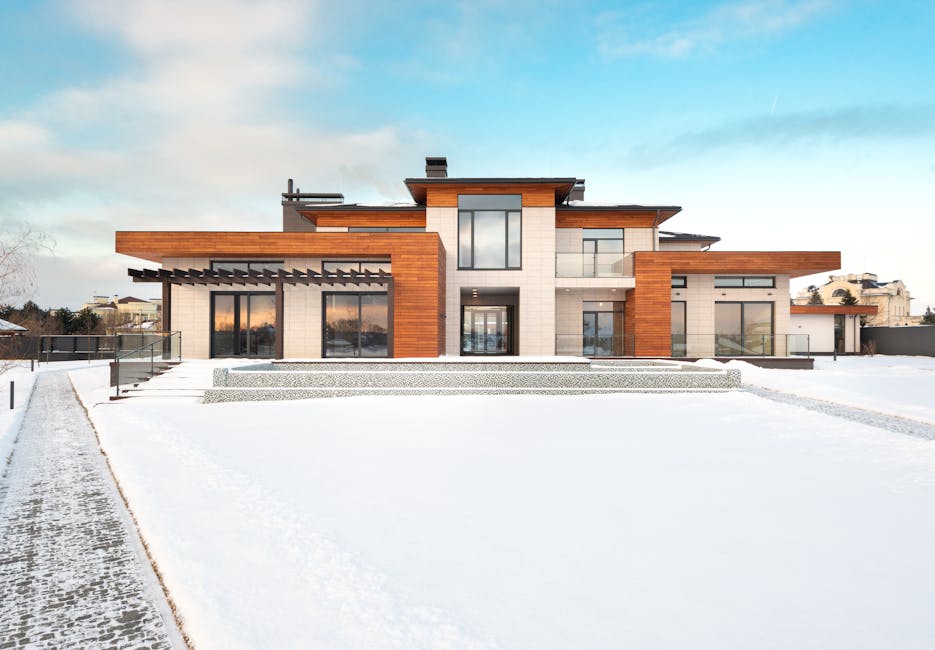
Sophisticated buyers are no longer viewing Tampa as a secondary alternative to South Florida; rather, it has emerged as a primary destination for those seeking a balance of private-sector growth and residential stability. The market is absorbing higher-priced inventory at a steady clip, even as the overall supply of premium listings increases. This suggests a deepening of the buyer pool that is less sensitive to national economic headwinds and more focused on local tax advantages and lifestyle infrastructure.
For the advisor and the serious investor, the current climate requires a move away from generic market sentiment toward a neighborhood-level data strategy. We are seeing a consolidation of wealth in specific corridors where land value continues to outpace structural appreciation. Understanding these micro-movements is essential for any acquisition strategy that aims to minimize exposure to short-term volatility while capturing the upside of Tampa’s upwardly mobile trajectory.
Pricing Benchmarks and the $115 Million Market Ceiling
The most striking indicator of Tampa’s growing prestige is the dramatic elevation of its price ceiling. Historically, a $20 million sale was considered an outlier. Today, the conversation has shifted toward a new tier of ultra-luxury assets. According to the Wall Street Journal, while the previous record for a Tampa estate stood at $22.5 million, a new waterfront compound has entered the market with a staggering $115 million asking price. This positioning signals a level of confidence in the local market that was previously reserved for Palm Beach or Miami.
While the $115 million figure captures headlines, the broader luxury market is grounded in more accessible, albeit still significant, figures. Currently, the median list price for high-end properties in the area sits at approximately $2,300,000, while the average list price has climbed to $3,111,332. This discrepancy between median and average is driven by a concentration of ultra-high-end listings that skew the top end of the curve. It indicates a bifurcated market where “entry-level” luxury and “trophy” assets are behaving under different sets of liquidity rules.
Recent activity in the $1.5 million to $3 million range, such as listings on N Grady Avenue and N Florida Avenue, demonstrates the health of the middle-luxury segment. These properties often serve as the primary residence for executives and entrepreneurs who are establishing roots in the community. The absorption of these units remains robust, providing a solid foundation for the more speculative pricing seen in the waterfront compounds of Davis Islands and Hyde Park.
Inventory Dynamics Across Primary Residential Nodes
There are currently 120 active luxury listings across the region, representing a healthy selection for the discerning buyer who values choice over urgency. This inventory level is a significant departure from the scarcity seen in previous years, allowing for more thorough due diligence and a more balanced negotiation environment. In neighborhoods like Beach Park and Culbreath Isles, we are seeing a focus on new construction that emphasizes modern architectural lines and integrated smart-home technology.
Buyer behavior is increasingly dictated by a preference for move-in-ready assets. The “renovation premium” has decreased as construction costs and timelines remain unpredictable, leading many to favor completed projects over potential-heavy fixers. This has created a competitive environment for newly finished homes, where multiple offers are still common if the execution meets the exacting standards of today’s affluent buyer. Conversely, older luxury stock that lacks modern amenities is seeing longer days on market, requiring more aggressive pricing strategies.
In South Tampa, the demand for land remains the primary driver of value. Even properties with significant existing structures, such as those on W Dr Martin Luther King Jr Boulevard, are being evaluated for their redevelopment potential. Investors are looking at the long-term utility of the site, considering setbacks, elevation, and the ability to maximize square footage in a high-density, high-prestige area. This “land-first” approach is a hallmark of the sophisticated Tampa buyer in 2026.
Critical Factors for Tampa Luxury Acquisition
- Verification of coastal construction line compliance and updated elevation requirements for waterfront parcels.
- Assessment of lot-to-structure value ratios to ensure the underlying asset holds its equity in a shifting market.
- Analysis of neighborhood-specific architectural restrictions and historical preservation guidelines in areas like Hyde Park.
- Evaluation of private school proximity and the logistics of daily transit within the South Tampa corridor.
- Review of historical flood insurance premiums and the implementation of modern mitigation technologies.
- Examination of recent sales comparables that reflect actual closed prices rather than ambitious list prices.
The Influence of Borrowing Costs and New Supply
While many top-tier transactions are executed with cash, the broader luxury market remains sensitive to the cost of capital. Mortgage rates have recently fallen to approximately 6.09%, a movement that has reinvigorated the segment of the market that relies on portfolio leverage or bridge financing. As noted by Tampa Bay Business & Wealth, this decline in rates, coupled with an increase in new construction, is providing a necessary release valve for pent-up demand.
New construction is not limited to single-family estates. We are seeing a significant increase in high-end multi-family and mixed-use developments that cater to a lock-and-leave lifestyle. This new supply is essential for maintaining market liquidity, as it offers an alternative for those who wish to maintain a presence in Tampa without the maintenance requirements of a large waterfront lot. The integration of luxury retail and dining within these developments further enhances the appeal of urban nodes like Water Street.
The supply side is also being influenced by corporate migration. As more executives relocate their headquarters to the Tampa Bay area, the demand for high-quality housing within a short commute of the business districts in Downtown and St. Petersburg has intensified. This trend is supported by insights from The Business Journals, which detail why leadership teams are increasingly favoring the region’s pro-business environment and lifestyle offerings. This corporate backbone provides a level of economic insulation that is highly attractive to real estate investors.
Decision Frameworks for the Sophisticated Buyer
Navigating the Tampa market requires a framework that prioritizes data over emotion. When evaluating a $2.3 million median list price, a buyer must ask whether the specific neighborhood has reached its saturation point or if there is still room for structural appreciation. The most successful acquisitions in 2026 are those that identify value in emerging pockets before they are fully priced into the market. This requires a deep understanding of local zoning changes, infrastructure improvements, and long-term municipal planning.
Furthermore, the cultural pulse of the city plays a role in long-term desirability. Events such as the WWE Memorial Day weekend takeover or the various high-end vintage markets and social gatherings contribute to a sense of place that transcends the real estate itself. These events drive engagement and visibility, ensuring that Tampa remains at the forefront of the national conversation. A city that is “active” is a city where real estate assets are more likely to retain and grow their value over time.
Ultimately, the decision to acquire property in Tampa is a decision to invest in a specific trajectory. The market is currently characterized by a high degree of transparency and a wealth of available data, from the latest Haute Living market reports to real-time inventory tracking. For those who can synthesize this information, the current market presents a unique window to secure high-quality assets before the next wave of institutional and private interest further compresses yields.
As the landscape continues to evolve, the importance of professional, decision-useful guidance cannot be overstated. Success in this market is found through a combination of rigorous analytical review and local expertise. We invite you to explore our current selection of luxury listings and contact an advisor to discuss your specific acquisition or divestment goals. In a market defined by movement, the right strategy is your most valuable asset.
Your next move in Tampa luxury
Get current inventory, pricing guidance, and private-tour support from our brokerage team.
Source highlights
- Florida luxury real estate surges amid record listings, tax shifts – MSN
- Tampa’s Price Record Is $22.5 Million. This Huge Estate Is Asking $115 Million. – WSJ
- Column: Why executives keep choosing St. Pete – The Business Journals
- Tampa Bay’s most expensive luxury home sales of 2025 – Tampa Bay Times
- Mortgage rates fall to 6.09% as new construction lifts Tampa supply – Tampa Bay Business & Wealth
- Luxury Real Estate Market Report — March 2026 – Haute Living
- 40+ Best Things to Do in Tampa Bay this Month: Events and MORE! – Tampa Bay Date Night Guide
- Tampa leaders, WWE star Titus O’Neil promote alternative event for young people amid 'teen takeover' trend – FOX 13 Tampa Bay
