



The Evolution of Value in Tampa Luxury Real Estate
The high-end residential market in Tampa has transitioned from the rapid, inventory-starved appreciation of the early 2020s into a more measured, analytical environment. Sophisticated buyers are no longer reacting to scarcity but are instead evaluating assets based on long-term architectural merit, land value, and neighborhood resilience. This shift toward fundamental value is evident in the recent performance of waterfront estates and historical renovations in areas like Hyde Park and Beach Park. Buyers are increasingly scrutinizing building materials, elevation levels, and the proximity to evolving commercial hubs such as Water Street, recognizing that true luxury is as much about infrastructure as it is about aesthetics.
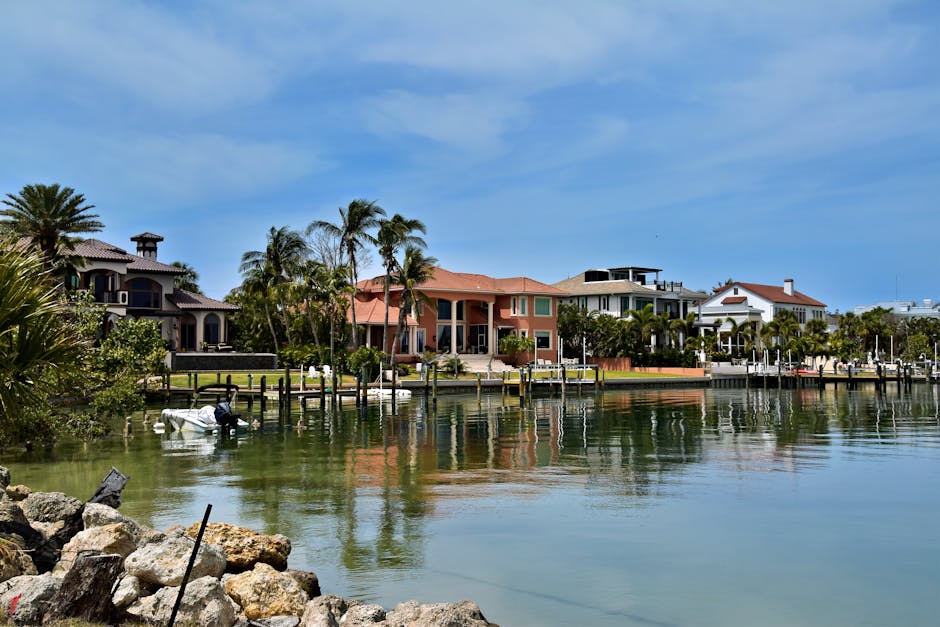
Data from the previous year indicates a stabilization in the upper tier of the market. According to research on Tampa Bay’s most expensive luxury home sales, the appetite for record-breaking transactions remains high, but the due diligence period has extended. Current market conditions show a median list price of approximately $2,300,000 for luxury properties, with the average list price exceeding $3,100,000. This disparity highlights a significant spread between ‘entry-level’ luxury and the ultra-prime sector. For the discerning investor, this environment provides an opportunity to negotiate with more leverage than seen in the previous three years, provided the asset meets high standards of quality and location.
As we navigate the current cycle, the role of the advisor has become paramount. It is no longer enough to simply identify available inventory. A senior advisor must now interpret the micro-movements of specific street corners and the implications of new zoning changes. For instance, the demand for land in South Tampa continues to outpace supply, leading to a surge in tear-down activity where the value lies almost entirely in the dirt. Understanding these nuances requires a deep connection to the local landscape and an ability to forecast how city planning will impact residential privacy and property values over the coming decade.

The Maturation of the High-Rise Condo Sector
Tampa is currently undergoing a significant transformation in its vertical living options, evolving from a market dominated by single-family homes to one that supports a robust luxury condominium ecosystem. This growth is particularly concentrated along the Bayshore Boulevard corridor and within the integrated districts of downtown. Analysts suggest that Tampa remains an early-stage luxury condo market, offering substantial upside for those who recognize the trajectory of urban densification. Unlike more saturated markets in South Florida, Tampa’s high-rise developments are increasingly focused on full-service amenities that cater to a permanent resident base rather than seasonal occupants.
The shift toward luxury condominiums is driven by a demographic of high-net-worth individuals seeking a lower-maintenance lifestyle without compromising on square footage or finish quality. New developments are prioritizing floor-to-ceiling glass, expansive terraces, and private elevator entries. This architectural evolution is reshaping the skyline and providing a viable alternative to the traditional South Tampa estate. When comparing these options, buyers must weigh the privacy of a gated Davis Islands property against the security and service levels of a managed high-rise environment. Each offers distinct advantages depending on the buyer’s priorities regarding autonomy versus convenience.
Inventory in this sector has seen a controlled increase, preventing the oversupply issues that often plague emerging markets. Current developers are focusing on ’boutique’ luxury—buildings with fewer units but larger average footprints. This strategy ensures exclusivity and maintains a high barrier to entry, which in turn supports resale values. For those exploring this segment, it is critical to evaluate the track record of the development team and the long-term viability of the HOA structure. High-end condo living in Tampa is no longer a compromise; it is a calculated choice for buyers who value proximity to the city’s cultural and culinary epicenters.
Executive Migration and the Regional Influence
The movement of corporate leadership into the Tampa Bay region continues to be a primary driver of the luxury residential sector. There is a notable trend of executives choosing the surrounding areas like St. Petersburg for its unique cultural density, yet many maintain their primary professional operations within Tampa’s business districts. This cross-bay migration creates a fluid luxury market where buyers often compare the historic charm of Old Northeast with the modern luxury of Westshore or Culbreath Isles. The decision-making process for these buyers is heavily influenced by commute times, private school proximity, and the availability of deep-water dockage.
We are seeing a convergence of professional and personal priorities among the executive class. The increase in remote-work flexibility has allowed for a broader search radius, but the desire for a ‘base of operations’ near the city’s financial core remains strong. This has led to a revitalization of neighborhoods that offer both a sense of retreat and immediate access to the airport and major thoroughfares. Areas like Beach Park and Sunset Park have benefited significantly from this trend, as they provide the large lot sizes required for modern executive estates while remaining within a ten-minute drive of the region’s primary business hubs.
Furthermore, the entry of new specialized real estate entities, such as the Nick Janovsky Group, signals a heightening of professional standards within the industry. These teams bring a level of data-centric analysis and global marketing reach that aligns with the expectations of high-level executives and international investors. The sophistication of the brokerage community has evolved in lockstep with the market, ensuring that buyers have access to the same level of expertise they would find in New York or London. This professionalization of the local real estate industry further solidifies Tampa’s standing as a world-class destination for capital and talent.
Strategic Due Diligence for the Affluent Buyer
Purchasing a luxury asset in the current environment requires a more rigorous approach to due diligence than in previous years. Beyond the standard inspections, buyers must consider the implications of coastal construction, insurance landscape changes, and the long-term outlook for neighborhood development. It is essential to engage with professionals who understand the technical aspects of high-value properties, from seawall integrity on Davis Islands to the sophisticated home automation systems found in new constructions in Hyde Park. The goal is to minimize unforeseen liabilities while maximizing the utility and enjoyment of the home.
A critical component of this process is understanding the nuances of the Florida real estate trends, which can impact everything from tax assessments to environmental regulations. Buyers should be aware of the recent legislative changes regarding building safety and insurance requirements, particularly for properties located near the water. While these factors are manageable, they require a proactive strategy and a team of advisors who are well-versed in the local regulatory environment. Taking a cautious, informed approach during the acquisition phase is the best way to ensure the long-term stability of the investment.
- Verify the elevation certificate and current flood insurance premiums against recent legislative updates.
- Assess the age and condition of major systems, specifically HVAC and roofing, which carry higher replacement costs in the Florida climate.
- Review the neighborhood’s master plan and any pending zoning changes that could affect views or privacy.
- Evaluate the seawall and dockage specifications for waterfront properties to ensure they meet modern maritime standards.
- Analyze the historical appreciation of the specific micro-neighborhood compared to the broader Tampa average.
- Consult with a tax professional regarding the implications of the ‘Save Our Homes’ cap and portability for new residents.
By following a structured due diligence process, buyers can move forward with confidence, knowing that they have accounted for the unique variables of the Tampa market. This analytical approach separates successful acquisitions from those that may encounter difficulties down the road. In a market where the median list price sits at $2.3 million, the cost of overlooking a detail can be substantial. Thoroughness is not just a safety measure; it is a competitive advantage in securing the most desirable assets in the region.
Inventory Dynamics and Market Efficiency
The current luxury inventory in Tampa, hovering around 120 active listings in the prime sectors, suggests a market that is reaching a state of equilibrium. This level of supply allows for a healthy turnover without the downward pressure on prices that comes from over-saturation. When looking at the Luxury Real Estate Market Report for March 2026, it is clear that the ‘days on market’ metric has normalized, giving buyers more time to perform the aforementioned due diligence. However, the most exceptional properties—those with unique water frontage or significant historical value—continue to move quickly, often through off-market transactions or private placements.
Efficiency in the luxury market is also being driven by a more realistic approach to pricing by sellers. The gap between list prices and sale prices has narrowed, indicating that both parties are arriving at a shared understanding of value. For buyers, this means that the market is more transparent and less prone to the irrational bidding wars of the past. It also means that when a property is priced correctly, there is little room for aggressive low-ball offers. Success in this environment requires a disciplined approach to valuation, utilizing comparable sales from the last six months rather than the peak of the market.
Land remains the most constrained resource in the Tampa luxury corridor. Whether it is a lot in the Roosevelt school district or a waterfront parcel in Culbreath Isles, the scarcity of buildable land continues to provide a floor for property values. We are seeing a trend where buyers are willing to pay a premium for ‘renovated-to-studs’ or new construction homes to avoid the complexities and timelines associated with the permitting and building process. This ‘convenience premium’ is a significant factor in the current pricing of move-in-ready estates, which often command a 15-20% higher price point than properties requiring significant updates.
Decision-Useful Guidance for the 2026 Horizon
As we look toward the remainder of 2026 and into 2027, the focus for luxury buyers should be on quality over quantity. The ‘luxury’ label is often applied liberally, but true high-end assets are defined by their permanence and their ability to withstand market fluctuations. Buyers should prioritize neighborhoods with a proven track record of stability and those that are benefiting from the city’s ongoing infrastructure investments. The expansion of the Riverwalk and the continued development of the Westshore district are key indicators of where long-term value will be concentrated. Strategic acquisitions made now will likely be viewed as the foundation of successful portfolios in the years to come.
It is also important to consider the lifestyle implications of each sub-market. While Davis Islands offers a quiet, golf-cart-friendly atmosphere with a private airport, Hyde Park provides a more walkable, urban experience with immediate access to high-end retail and dining. Beach Park and Culbreath Isles offer the classic Florida estate feel with larger lots and more secluded streets. Each of these areas has a distinct personality and appeals to a different set of priorities. A senior advisor can help navigate these choices by aligning the buyer’s daily needs with the specific attributes of each neighborhood.
Ultimately, the Tampa luxury market is no longer a ‘speculative’ play. It has matured into a stable, high-demand environment that attracts capital from across the globe. The combination of a favorable tax climate, significant corporate migration, and a high quality of life ensures that Tampa will remain a top-tier destination for luxury real estate. For those who are prepared to move with precision and backed by rigorous analysis, the current market offers some of the most compelling opportunities in the Southeastern United States. The key is to remain disciplined, act on data, and leverage the expertise of those who understand the intricate pulse of this city.
To navigate this landscape effectively, you need an advisor who prioritizes your objectives over the transaction. Whether you are seeking a waterfront estate on Bayshore or a sophisticated high-rise residence, our team provides the analytical brief and local insight required to make an informed decision. We invite you to explore our current curated LISTINGS URL to understand the current benchmarks of value in the region. When you are ready to discuss a strategic acquisition or the positioning of a high-value asset, please CONTACT URL an advisor to begin a confidential consultation.
Your next move in Tampa luxury
Get current inventory, pricing guidance, and private-tour support from our brokerage team.
Source highlights
- Tampa Bay’s most expensive luxury home sales of 2025 – Tampa Bay Times
- Column: Why executives keep choosing St. Pete – The Business Journals
- Why Tampa remains an early-stage luxury condo market – Tampa Bay Business & Wealth
- Florida Trend Real Estate – Florida Trend
- New Signature Real Estate Team Emerges Across Tampa Bay: The Nick Janovsky Group Launches with Premier Sotheby’s International Realty – citybiz
- Luxury Real Estate Market Report — March 2026 – Haute Living
- Things To Do In Tampa This Weekend: Fun Festivals & Events In Tampa This Weekend – That's So Tampa
- Tampa weekend events: Vintage market, murder mystery dinner and more – Axios
