


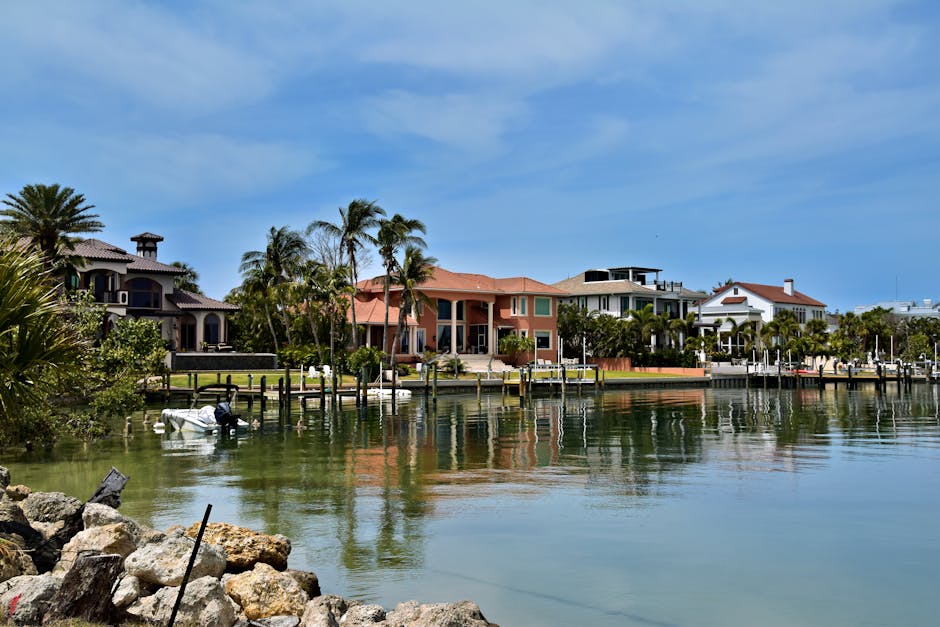
The Escalating Benchmark for Tampa Bay Estates
The definition of luxury in the Tampa region is undergoing a fundamental recalibration. For years, a $20 million price point represented the absolute ceiling of the local market. Recent movements indicate that this threshold is no longer the limit for ultra-high-net-worth acquisitions. The entry of trophy properties onto the market has signaled a shift toward institutional-grade residential assets that compete on a global scale. Investors are no longer comparing local estates solely against regional peers but are evaluating them against high-tier inventory in Palm Beach and Miami.

Data from the Wall Street Journal highlights this trend, noting that while the previous record stood at $22.5 million, new listings are now testing the nine-figure mark. This massive spread between historical records and current asking prices reflects a growing confidence in the long-term appreciation of waterfront acreage in areas like Davis Islands and the more secluded pockets of South Tampa. For the advisor-led buyer, this requires a rigorous assessment of land value versus structural improvements.
Current inventory shows 120 active luxury listings, with an average list price exceeding $3.1 million. This concentration of high-value assets suggests a market that is maturing beyond its previous reputation as a secondary Florida destination. Buyers should focus on the quality of the coastal construction and the permanence of the view corridors, as these remain the primary hedges against market volatility. The transition from local interest to international visibility is nearly complete.
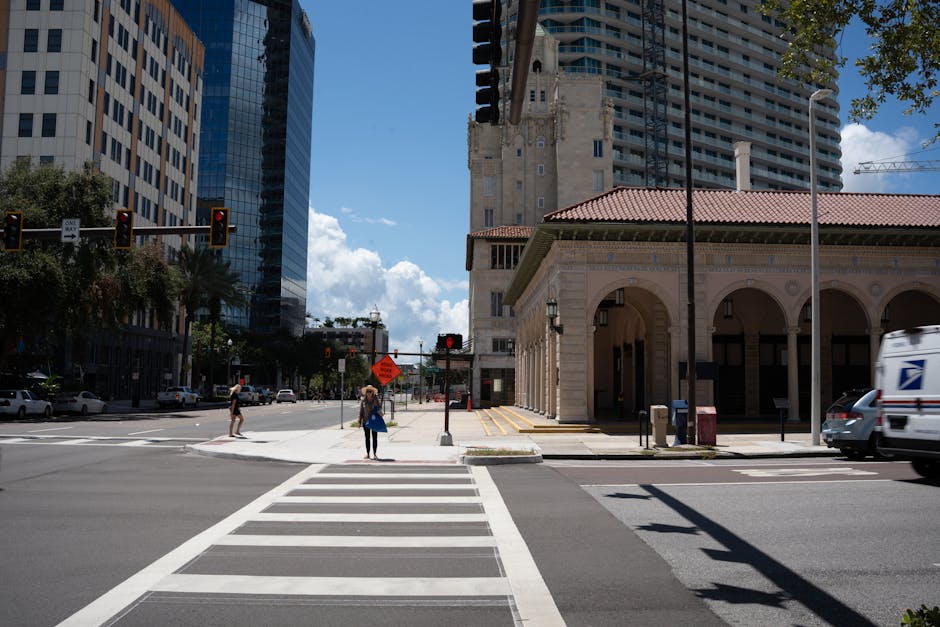
Evaluating the Early-Stage Luxury Condo Sector
Vertical living in Tampa has historically lagged behind coastal counterparts, but the current development cycle is rapidly closing that gap. We are currently observing what analysts call an early-stage luxury condo market. This phase is characterized by significant capital appreciation potential as the downtown core adds the necessary density of high-end retail and culinary infrastructure. For the strategic buyer, entering this sector now offers a first-mover advantage that was available in South Florida a decade ago.
The distinction between ‘premium’ and ‘luxury’ in the condo space depends largely on the level of service and the exclusivity of the amenities. Developments along Bayshore Boulevard and within the Water Street district are setting new standards for privacy and security. These units are not merely residences; they are managed assets providing a turnkey solution for seasonal residents or executives who require proximity to the financial district. We recommend a close audit of the developer’s track record and the long-term solvency of the homeowners’ association before committing to a pre-construction contract.
As supply increases, the focus will shift toward architectural significance and floor-plan efficiency. Buyers are moving away from oversized, poorly utilized spaces in favor of highly functional, high-technology residences. Monitoring the absorption rate of these units provides a clear picture of the city’s economic health. While the median list price remains around $2.3 million, the top-tier penthouses are pulling the market average upward, creating a tiered ecosystem within the vertical segment.
Neighborhood Transition: Beyond Traditional Corridors
While South Tampa remains the anchor for luxury residential demand, we are seeing a strategic expansion into surrounding neighborhoods. Areas that were previously overlooked are now commanding multi-million dollar valuations as buyers seek larger lot sizes and custom architectural opportunities. This movement is driven by a lack of available inventory in established enclaves. For instance, properties like the estate on North Florida Avenue or the high-value land opportunities on North Grady Avenue demonstrate a willingness among buyers to invest in the path of progress.
The commercial revitalization of corridors like Dr. Martin Luther King Jr. Boulevard is also influencing residential sentiment. As professional services and high-end offices migrate north and west, the residential values in adjacent neighborhoods follow. This is a classic indicator of a diversifying economy. Buyers should analyze the ratio of renovated homes to original structures in these transitional zones to gauge the remaining ceiling for appreciation. The focus is no longer just on the address, but on the potential for creating a private compound within reach of the urban core.
Decision-making in these areas requires a sophisticated understanding of local zoning and future land-use plans. We advise clients to look for ‘islands’ of value—streets where several high-end renovations are occurring simultaneously. This clustering effect provides a localized buffer against broader economic shifts. Identifying these micro-markets is essential for those who want to avoid the plateaued pricing of more established, fully built-out neighborhoods.
Strategic Checklist for the 2026 Luxury Buyer
Navigating a high-stakes acquisition requires more than a cursory walkthrough. As the market complexity increases, the following factors must be verified to ensure the long-term viability of the investment.
- Elevation and Flood Resilience: Verify the finished floor elevation against the latest FEMA maps and local drainage improvements.
- Utility Infrastructure Capacity: Confirm that older neighborhoods have the electrical and sewage capacity for modern, high-load smart home systems.
- Seawall and Dockage Integrity: For waterfront parcels, a structural engineering report on the seawall is as critical as the home inspection.
- Short-Term Rental Proximity: Analyze the local ordinances to ensure your privacy is not compromised by high-turnover investment properties.
- Amenity Access and Exclusivity: Evaluate the proximity to private social clubs and high-end athletic facilities, which drive neighborhood desirability.
- Tax Assessment Projections: Factor in the potential for significant tax base resets upon the sale of long-held properties.
Economic Drivers and the Executive Migration
The influx of executive talent into the Tampa Bay region is not a temporary trend but a structural shift in the Florida economy. High-level decision-makers are increasingly choosing Tampa and St. Pete for their primary operations. This migration brings sophisticated capital that demands a specific level of residential luxury—homes that function as extensions of the office, with dedicated secure communications and hosting capabilities.
According to Florida Trend, the state’s real estate sector continues to be a primary engine for wealth creation. In Tampa, this is manifested in the rapid absorption of inventory by out-of-state buyers who are often transacting in cash. This liquidity keeps the market resilient even when interest rates fluctuate. The presence of professional sports franchises, world-class healthcare, and a major international airport further solidifies the region’s appeal to those with global interests.
The relationship between business growth and residential value is symbiotic. As more fintech and healthcare firms establish headquarters here, the demand for high-end housing in Hyde Park, Beach Park, and Culbreath Isles will continue to outpace supply. We track these corporate relocations as leading indicators for residential heat maps. Understanding where the next 500 high-salary jobs will be located is the most effective way to predict the next luxury real estate hotspot.
Inventory Velocity and Market Realities
With only 120 luxury units currently available, the market remains firmly in favor of the seller, yet the velocity of sales has stabilized. We are seeing fewer emotional purchases and more calculated, data-driven acquisitions. Buyers are taking the time to conduct thorough due diligence, leading to slightly longer days-on-market for properties that are not priced correctly. This stabilization is a healthy sign for the region, preventing the boom-bust cycles of previous decades.
The spread between the median list price of $2.3 million and the average of $3.1 million indicates a heavy concentration of value at the very top of the market. This suggests that the ‘middle-luxury’ segment is where the most competition exists. Buyers in this range should be prepared to move quickly on well-maintained properties in prime school districts. Conversely, at the $5 million-plus level, the buyer pool is smaller, allowing for more nuanced negotiations regarding terms and inclusions.
Prospective owners should also monitor the most expensive sales of the year to understand the true market ceiling. These comparable sales are the only reliable metric for assessing value in a market that is setting new records monthly. Relying on automated valuation models is insufficient for unique waterfront or historic assets. Precision in valuation is the difference between a sound investment and a costly error.
The Lifestyle Calendar: Cultural and Social Capital
Luxury real estate is inextricably linked to the cultural fabric of the city. Tampa’s social calendar—ranging from high-profile weekend events to major sports takeovers—serves as a constant draw for part-time residents. Whether it is the annual Gasparilla celebrations or the upcoming WWE events during Memorial Day weekend, these moments of high visibility keep Tampa at the forefront of the national conversation.
For residents, these events provide more than entertainment; they represent the city’s ability to host global-scale activations. This infrastructure supports high property values by ensuring a consistent demand for short-term and long-term stays. The development of the downtown waterfront has created a walkable urban core that rivals any major city in the South, blending luxury residential towers with public green spaces and cultural institutions. This balance is critical for maintaining a high quality of life as the city grows.
As you evaluate your next move in the Tampa market, consider how the property integrates with this broader cultural ecosystem. Proximity to the city’s evolving hubs of activity will continue to be a primary driver of appreciation. To explore the current inventory of high-performance properties, we invite you to browse our exclusive listings. For a tailored analysis of how these market movements impact your specific portfolio goals, please contact an advisor to schedule a private consultation. Our team provides the analytical depth required to navigate this sophisticated landscape with confidence.
Your next move in Tampa luxury
Get current inventory, pricing guidance, and private-tour support from our brokerage team.
Source highlights
- Tampa Bay’s most expensive luxury home sales of 2025 – Tampa Bay Times
- Tampa’s Price Record Is $22.5 Million. This Huge Estate Is Asking $115 Million. – WSJ
- Column: Why executives keep choosing St. Pete – The Business Journals
- Why Tampa remains an early-stage luxury condo market – Tampa Bay Business & Wealth
- Florida Trend Real Estate – Florida Trend
- New Signature Real Estate Team Emerges Across Tampa Bay: The Nick Janovsky Group Launches with Premier Sotheby’s International Realty – citybiz
- Things To Do In Tampa This Weekend: Fun Festivals & Events In Tampa This Weekend – That's So Tampa
- Tampa weekend events: Vintage market, murder mystery dinner and more – MSN
