


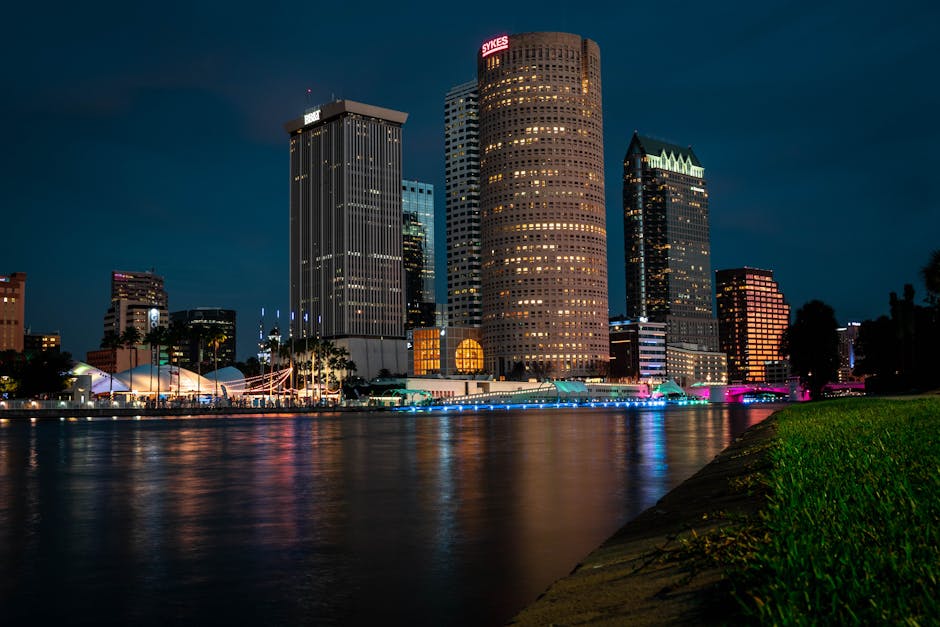
The Evolving Geometry of Tampa Luxury Real Estate
The Tampa luxury landscape is currently experiencing a significant recalibration. While traditional waterfront corridors have long defined the upper echelon of the market, we are seeing a shift toward large-scale estates that prioritize acreage and privacy over immediate bay access. This movement is punctuated by recent headlines, such as the massive estate asking $115 million, which signals a new level of confidence in the region’s ability to sustain nine-figure valuations. For the discerning buyer, this means the definition of a ‘primary’ location is expanding beyond the historical confines of the immediate shoreline.
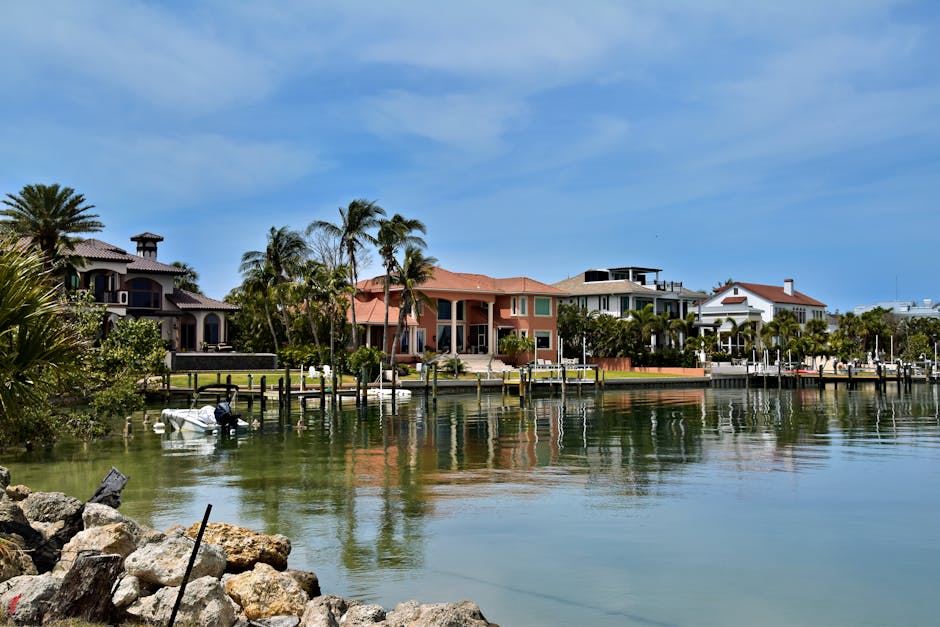
Current market dynamics suggest that the influx of wealth into the region is no longer a seasonal trend but a permanent structural change. As of May 2026, the median list price for high-end properties in the area sits at $2,388,780, reflecting a market that has matured into a stable, high-performance environment. We are observing that buyers are increasingly analytical, focusing on the underlying land value and the long-term viability of specific neighborhoods rather than just the aesthetic appeal of a property. This transition requires a more sophisticated approach to acquisition, where data-backed decisions take precedence over emotional appeal.
Understanding this evolution involves looking at the broader regional context. According to reporting from Florida Trend, the statewide real estate trajectory continues to favor regions with diversified economies and strong infrastructure. Tampa stands out in this regard, offering a balance of commercial growth and residential exclusivity. Buyers are moving away from the speculative fervor of previous years and toward a more calculated assessment of a property’s utility, architectural integrity, and integration into the local community fabric.
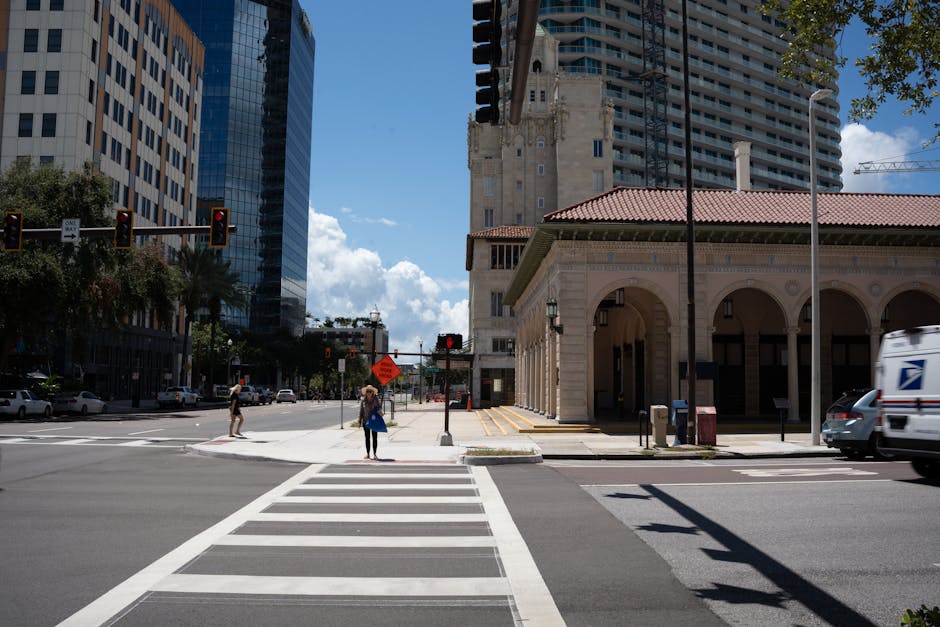
Regional Synergy and the St. Petersburg Pivot
One of the most compelling trends in the current cycle is the increasing synergy between Tampa and St. Petersburg. The regional market is no longer viewed as a collection of isolated pockets but as a cohesive luxury ecosystem. This shift is driven largely by corporate leaders and business owners who are finding that the regional connectivity allows for a seamless professional and private life. A recent column in The Business Journals highlights why executives continue to choose St. Pete, citing the lifestyle benefits and the proximity to the region’s expanding corporate hubs. This cross-bay movement has bolstered demand for luxury assets on both sides of the water.
For investors and primary residents, this means that the appreciation of a property in South Tampa or the Westshore district is often tied to the health of the entire Tampa Bay area. The regional workforce is becoming more mobile, and the demand for high-end housing is following suit. We are seeing a particular interest in areas that offer quick access to the Howard Frankland Bridge and the Gandy Bridge, as these routes serve as the vital arteries for the region’s elite. The ability to commute between a high-rise office in Tampa and a private waterfront estate in a neighboring municipality is a major draw for the modern executive.
Furthermore, the social and cultural offerings of the region are becoming a primary driver of real estate value. Whether it is attending high-profile fundraisers or engaging with the local arts scene, buyers are looking for properties that place them at the center of the action. Events and local highlights, frequently tracked by That’s So Tampa, provide a pulse on the region’s activities, from vintage markets to elite dining experiences. This cultural density adds a layer of intangible value to properties located within a short drive of these hubs, reinforcing the importance of neighborhood-level research.
Strategic Checklist for 2026 Property Acquisitions
Before moving forward with a high-value purchase in the current environment, it is essential to conduct a rigorous due diligence process that goes beyond standard inspections. The following checklist outlines the critical factors we recommend our clients verify to ensure long-term value preservation and operational efficiency:
- Seawall and Elevation Verification: For all waterfront assets, professional engineering reports on seawall integrity and current cap heights are mandatory.
- Technological Infrastructure: Assess the home’s automation backbone, ensuring it supports high-speed fiber connectivity and integrated security systems.
- Zoning and Setback Restrictions: Verify any local neighborhood overlays that may impact future renovations or the construction of ancillary structures.
- Mitigation and Insurance Profiles: Review the property’s historical insurance claims and current wind mitigation status to project future carrying costs.
- Tax Assessment Projections: Calculate the impact of a reset in property tax assessments based on the current purchase price, rather than historical figures.
This systematic approach ensures that the acquisition aligns with your broader portfolio strategy. Many of the most successful buyers in the current market are those who treat their residential purchase with the same level of scrutiny as a commercial investment. By identifying potential friction points early in the process, you can negotiate from a position of strength and avoid unforeseen capital expenditures in the future.
The Maturity of the High-End Condo Market
Tampa is traditionally known for its expansive single-family estates, but the vertical luxury market is entering a new phase of maturity. For several years, the region was considered an early-stage market for luxury condominiums, but that narrative is changing. As noted by Tampa Bay Business & Wealth, the infrastructure for high-rise living has finally caught up with buyer expectations. Today’s condo developments offer amenities that rival five-star resorts, appealing to a demographic that values convenience and security above all else.
This maturity is reflected in the secondary market for these units. We are seeing strong resale values for buildings that offer unique architectural features and comprehensive services. For many affluent buyers, the decision between a house and a condo is no longer about budget, but about lifestyle preference. The ‘lock-and-leave’ capability of a managed residence is particularly attractive to those with multiple homes or frequent travel schedules. The development of the Water Street district has been a primary catalyst for this shift, creating a walkable urban core that simply didn’t exist a decade ago.
However, the condo market requires a different set of evaluation criteria. Governance, reserve funds, and the long-term vision of the homeowners’ association are just as important as the views from the terrace. We advise clients to look closely at the ratio of owner-occupants to investors within a building, as this often dictates the quality of maintenance and the overall community atmosphere. As the inventory of high-end units continues to expand, being selective about the specific developer and the building’s management history will be the key to ensuring price stability.
Waterfront Dynamics as a Primary Market
The distinction between ‘vacation’ waterfront and ‘primary’ waterfront has largely vanished in Tampa. Properties along Bayshore Boulevard, Davis Islands, and the coastal stretches of Old Tampa Bay are increasingly occupied year-round. This transition has led to a fundamental shift in how these homes are designed and marketed. According to The National Law Review, the emergence of waterfront as a primary luxury market has also brought new legal and environmental considerations to the forefront. Buyers must now navigate more complex regulatory environments regarding shoreline stabilization and environmental protections.
In neighborhoods like Beach Park and Culbreath Isles, the demand for updated waterfront inventory remains high. With approximately 120 active luxury listings currently available, the competition for the most desirable lots remains steady. We are seeing many buyers opt for substantial renovations of mid-century structures or even full-scale redevelopments to bring properties up to modern standards. The average list price of over $3.1 million reflects the significant investment being poured into these shoreline assets. This level of activity confirms that the waterfront remains the anchor of the Tampa luxury market.
The buyer profile for these properties has also become more sophisticated. There is a deep understanding of the nuances between different bodies of water—the open bay vs. deep-water canals vs. protected coves. Each offers a different utility for yachting and different levels of privacy. We recommend that buyers spend time on the water before committing to a specific location to understand the prevailing winds, tide patterns, and boat traffic. These practical considerations have a direct impact on the daily enjoyment and long-term value of the property.
Valuation Logic and Market Realities
When analyzing the current inventory, it is helpful to look at specific examples of the range of luxury offerings. From a $1.55 million estate on Grady Avenue to a $2.9 million commercial-residential opportunity on MLK Boulevard, the diversity of the market is one of its greatest strengths. However, this diversity also requires a keen eye for valuation. Price-per-square-foot is only one metric; in a market this nuanced, you must also account for architectural significance, lot positioning, and the quality of finishes. The high-end sales recorded throughout 2025, as detailed by the Tampa Bay Times, provide a roadmap for where values are heading.
One factor that is often overlooked is the importance of timing in the local market. As we move through May, the weather typically brings higher temperatures and the start of the afternoon rain patterns. This seasonal shift often coincides with a slight change in market pace, providing a window for serious buyers to negotiate without the noise of the peak spring rush. Understanding these local rhythms—both in terms of the climate and the social calendar—allows you to approach the market with a calm, analytical mindset. The most successful acquisitions are rarely rushed; they are the result of patient monitoring and precise execution.
As you evaluate the current opportunities, remember that the most valuable asset in a real estate transaction is credible, local insight. The market data tells part of the story, but the behavior of other high-net-worth individuals and the movement of local industry leaders provide the context necessary for a sound decision. Whether you are looking for a historic estate in Hyde Park or a modern masterpiece in the Westshore area, the objective remains the same: identifying an asset that offers both immediate utility and long-term capital preservation. Focus on the fundamentals, verify the details, and move decisively when the right opportunity presents itself.
The complexity of the current market demands more than just a search engine; it requires a dedicated advisor who understands the subtle shifts in neighborhood dynamics and regional valuation. To begin your search with a filtered view of the region’s most significant properties, we invite you to browse our current listings. For a private consultation regarding your acquisition strategy or to discuss the specific nuances of a particular area, please contact an advisor. Our team is prepared to provide the analytical depth and local perspective necessary to navigate the Tampa luxury market with confidence.
Your next move in Tampa luxury
Get current inventory, pricing guidance, and private-tour support from our brokerage team.
Source highlights
- Tampa Bay’s most expensive luxury home sales of 2025 – Tampa Bay Times
- Tampa’s Price Record Is $22.5 Million. This Huge Estate Is Asking $115 Million. – WSJ
- Column: Why executives keep choosing St. Pete – The Business Journals
- Why Tampa remains an early-stage luxury condo market – Tampa Bay Business & Wealth
- Florida Trend Real Estate – Florida Trend
- Tampa Bay’s Waterfront Emerges as a Primary Luxury Real Estate Market – The National Law Review
- Things To Do In Tampa This Weekend: Fun Festivals & Events In Tampa This Weekend – That's So Tampa
- Tampa weekend events: Vintage market, murder mystery dinner and more – Axios
