


The Transition from Seasonal Interest to Primary Residency
The Tampa luxury real estate sector has undergone a fundamental transformation, moving away from its historical status as a secondary or seasonal market. In 2026, we are observing a significant influx of ultra-high-net-worth individuals who are establishing permanent roots in the region. This shift is evidenced by the scale of current inventory and the record-breaking price points appearing on the public record. While the median list price for luxury holdings currently sits at approximately $2,388,780, the ceiling for high-end estates has been shattered by recent listings that suggest a new era of capital allocation in the Gulf Coast region.
For years, the local price record remained at $22.5 million, a figure that served as a psychological barrier for many investors. However, as noted by recent reports in the Wall Street Journal, new inventory is challenging these limits, with expansive estates now entering the market at values that would have been unthinkable five years ago. This escalation is not merely a reflection of inflation but a clear indicator that Tampa is now being weighed against established primary luxury hubs like Miami or Palm Beach.
Sophisticated buyers are no longer looking for simple vacation retreats; they are seeking sophisticated infrastructure, proximity to high-performing private schools, and professional connectivity. This change in buyer profile has direct implications for neighborhood velocity. We are seeing sustained demand in areas that offer long-term stability rather than just proximity to seasonal amenities. For those monitoring the market, the current count of 120 active luxury units represents a competitive environment where quality and provenance dictate the speed of the transaction.
Waterfront Dynamics and the Primary Market Emergence
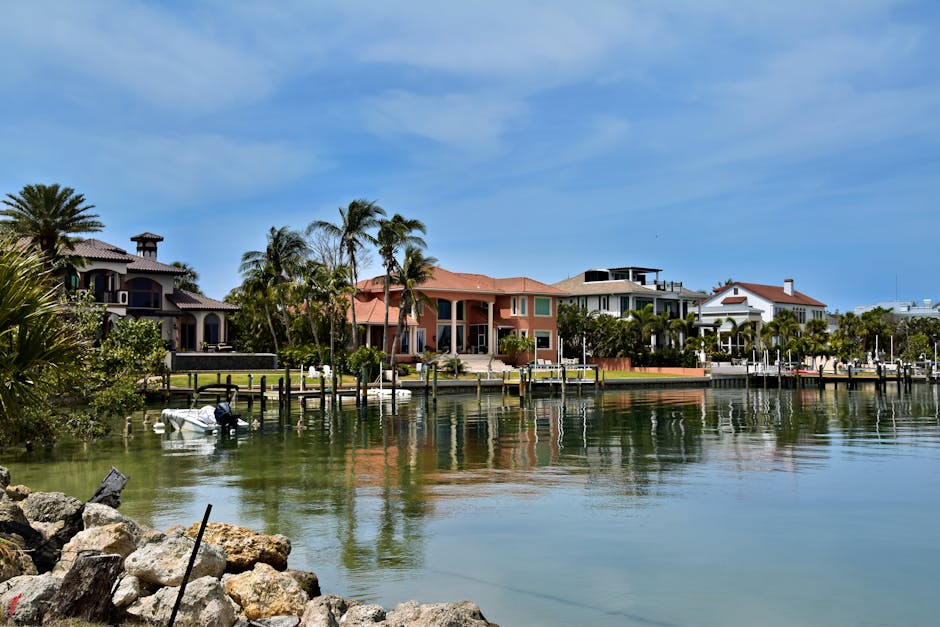
The emergence of the waterfront as a primary luxury real estate market is perhaps the most visible aspect of Tampa’s growth. According to analysis from the National Law Review, these coastal properties are increasingly viewed as foundational assets for international portfolios. Areas such as Davis Islands and Beach Park continue to command a significant premium, but the criteria for selection have sharpened. Buyers are prioritizing newer construction with elevated sea-wall standards and advanced architectural resilience over older, legacy estates.
This demand for modern waterfront assets has led to a scarcity of prime lots, driving values upward for even mid-tier coastal properties. When evaluating the average list price of $3,147,389 across the luxury segment, one must recognize that waterfront assets often sit significantly above this mean. The behavior of the current buyer is analytical; they are calculating the cost of future-proofing against the immediate prestige of the location. This calculated approach to luxury acquisition is a hallmark of the 2026 market, where emotional appeal is secondary to structural and environmental integrity.
As inventory remains relatively tight, the competition for trophy properties has intensified. Buyers are often required to move with non-contingent offers to secure the most desirable coastal positions. This environment rewards those who have pre-vetted their target neighborhoods and understand the specific micro-conditions of different bayfront corridors. Those looking to understand the breadth of available options should review current LISTINGS URL to gauge the variance in architectural styles and site orientations currently available.
The Rise of Vertical Luxury and Urban Integration
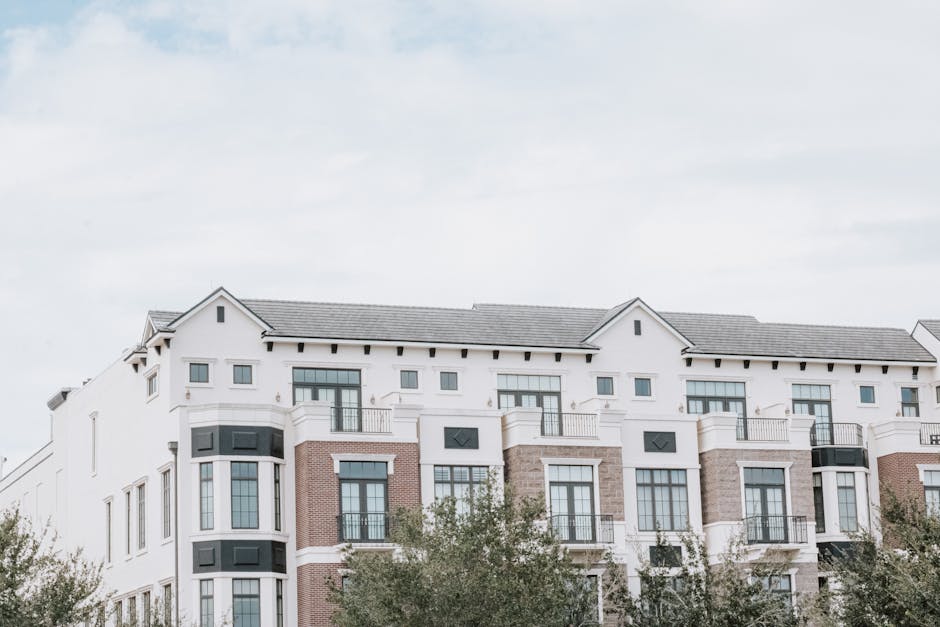
While traditional estates remain the preference for many, Tampa is experiencing a surge in the high-end condominium sector. This “vertical luxury” is concentrated in the downtown core and Water Street districts, offering a turnkey solution for the mobile global elite. These developments are not just residential towers but integrated ecosystems that provide concierge services, private wellness facilities, and high-security protocols. The transition to this lifestyle is reflective of a broader urban densification that appeals to both downsizing local executives and incoming tech leaders.
Despite the national trend of softening luxury markets, the Tampa Bay sector has remained resilient. Reports from Tampa Bay Business & Wealth highlight why the local condo market is still in its early stages compared to other major metros, suggesting a potential for appreciation as the urban core matures. The value proposition here is centered on lifestyle efficiency; the ability to access world-class dining and cultural events within a short walk is a new luxury frontier for the city.
Investor behavior in these vertical spaces is characterized by a focus on floor plan exclusivity and unobstructed views of the Hillsborough Bay. Penthouse units and sub-penthouses are often reserved before they reach the public market, emphasizing the need for a well-connected advisor who can navigate off-market opportunities. As the city continues to host major events and festivals, the allure of a downtown residence that serves as a central hub becomes increasingly evident to the affluent buyer.
Critical Due Diligence for High-Value Acquisitions
Acquiring a luxury asset in the current Tampa climate requires more than a standard inspection. The complexity of high-end builds, coupled with regional environmental considerations, necessitates a rigorous vetting process. A senior advisor should facilitate a multi-layered review of any potential acquisition to ensure that the capital is placed in a secure and appreciating structure.
- Verification of sea-wall integrity and elevation certifications for all waterfront parcels.
- Comprehensive audit of smart-home integration systems and cyber-security infrastructure.
- Assessment of tax implications for primary residency vs. investment holding.
- Evaluation of neighborhood-specific architectural guidelines and future development permits.
- Review of recent comparable sales within the specific neighborhood micro-pocket.
- Detailed inspection of custom mechanical systems, including high-capacity climate control and filtration.
Each of these points represents a potential risk or opportunity for the buyer. In a market where a single-family home on North Florida Avenue can command $2,200,000, the margin for error in due diligence is slim. Sophisticated buyers recognize that the purchase price is only one component of the transaction; the long-term cost of ownership and the liquidity of the asset are equally important factors in the decision-making process.
Neighborhood Micro-climates: South Tampa vs. Westshore
Understanding the nuances between South Tampa and the Westshore corridor is essential for any serious buyer. South Tampa remains the traditional seat of prestige, characterized by its mature canopy and deep-rooted social fabric. Here, the movement of luxury assets is often driven by neighborhood loyalty, with families frequently trading up within a few blocks. Properties like the $1,550,000 listing on North Grady Avenue demonstrate the value placed on location and the potential for revitalization within these established corridors.
Conversely, the Westshore and Westchase areas are attracting buyers who prioritize newer construction and larger lot sizes. These neighborhoods offer a different pace of life, often with more extensive private amenities and easier access to the airport and commercial hubs. The choice between these areas often comes down to the buyer’s professional requirements and their desired proximity to the city’s cultural heart. As Tampa Bay’s most expensive sales continue to hit the news cycle, as documented by the Tampa Bay Times, it is clear that both regions are capable of supporting record-breaking valuations.
The distinction between these micro-climates is often subtle but significant. South Tampa offers a historical continuity that is difficult to replicate, while the newer luxury pockets provide a modern interpretation of the Florida estate. Navigating these options requires an advisor who understands the historical trajectory of each neighborhood and can project where future demand is likely to concentrate.
Buyer Behavior: Capital Allocation and Transaction Trends
Current buyer behavior in the $2M+ segment is characterized by a high degree of financial preparedness. We are seeing a significant percentage of cash transactions or highly leveraged positions that bypass traditional mortgage contingencies. This allows buyers to act with the speed necessary in a market where prime inventory is limited to 120 units. Even properties with unique commercial potential, such as the $2,900,000 listing on Dr. Martin Luther King Jr. Boulevard, attract interest from those looking to diversify their local holdings.
Buyers are also increasingly sensitive to the quality of the “lifestyle stack” associated with a property. This includes everything from the proximity of social clubs to the local event calendar. For example, those considering a weekend in the city might look to Axios for a vintage market or murder mystery dinner, reflecting the sophisticated cultural appetites of the modern Tampa resident. The real estate market does not exist in a vacuum; it is supported by the growing cultural and economic vibrancy of the region.
This trend toward holistic property evaluation is forcing sellers to be more transparent and thorough in their preparations. A luxury home that is not impeccably staged and documented will struggle to compete with newer, professionally curated listings. The role of the advisor has thus evolved into that of a strategic consultant, ensuring that both buyers and sellers are aligned with the realities of a primary-residence luxury market.
The Long-term Outlook for the Tampa Luxury Sector
Looking ahead, the outlook for Tampa’s luxury market remains optimistic, supported by robust regional growth and a steady influx of high-net-worth residents. The city’s investment in infrastructure and its emerging status as a primary hub for finance and technology provide a solid foundation for property values. As Florida’s real estate trends continue to evolve, as tracked by Florida Trend, Tampa is consistently highlighted as a city with significant upward potential.
The shift to a primary residence market is not a temporary spike but a structural change in how the region is perceived. For the sophisticated investor, the current window represents an opportunity to secure a position in a maturing market before it reaches the saturation levels of more established metros. The focus should remain on quality, location, and the long-term utility of the asset.
To navigate this complex landscape effectively, you require a partner who prioritizes data over hype and provides the analytical depth necessary for high-value decision-making. We invite you to explore our current LISTINGS URL to understand the standard of properties we represent. When you are ready to discuss your specific requirements or require a confidential briefing on off-market opportunities, please CONTACT URL an advisor to begin the process.
Your next move in Tampa luxury
Get current inventory, pricing guidance, and private-tour support from our brokerage team.
Source highlights
- Tampa Bay’s most expensive luxury home sales of 2025 – Tampa Bay Times
- Tampa’s Price Record Is $22.5 Million. This Huge Estate Is Asking $115 Million. – WSJ
- Tampa Bay luxury market grows stronger despite national declines – The Business Journals
- Why Tampa remains an early-stage luxury condo market – Tampa Bay Business & Wealth
- Florida Trend Real Estate – Florida Trend
- Tampa Bay’s Waterfront Emerges as a Primary Luxury Real Estate Market – The National Law Review
- Things To Do In Tampa This Weekend: Fun Festivals & Events In Tampa This Weekend – That's So Tampa
- Things To Do In St Pete This Weekend: Best Festivals & Events Going On In St Petersburg – I Love the Burg
