


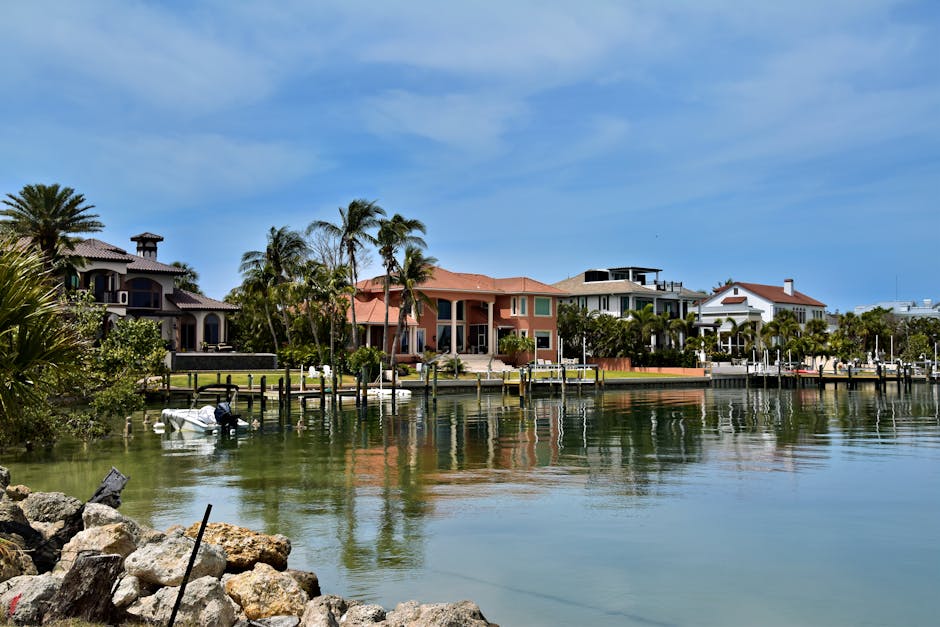
The Structural Shift to a Primary Destination
Tampa’s luxury real estate sector has undergone a fundamental transformation, moving away from its historical status as a secondary or seasonal market. Recent data confirms that the region is now viewed as a primary destination for high-net-worth individuals seeking long-term asset stability. This shift is evidenced by the increasing number of waterfront properties being utilized as permanent residences rather than vacation holdings. The emergence of the waterfront as a primary luxury market has been documented by The National Law Review, highlighting the institutional and legal interest following the region’s infrastructure improvements.
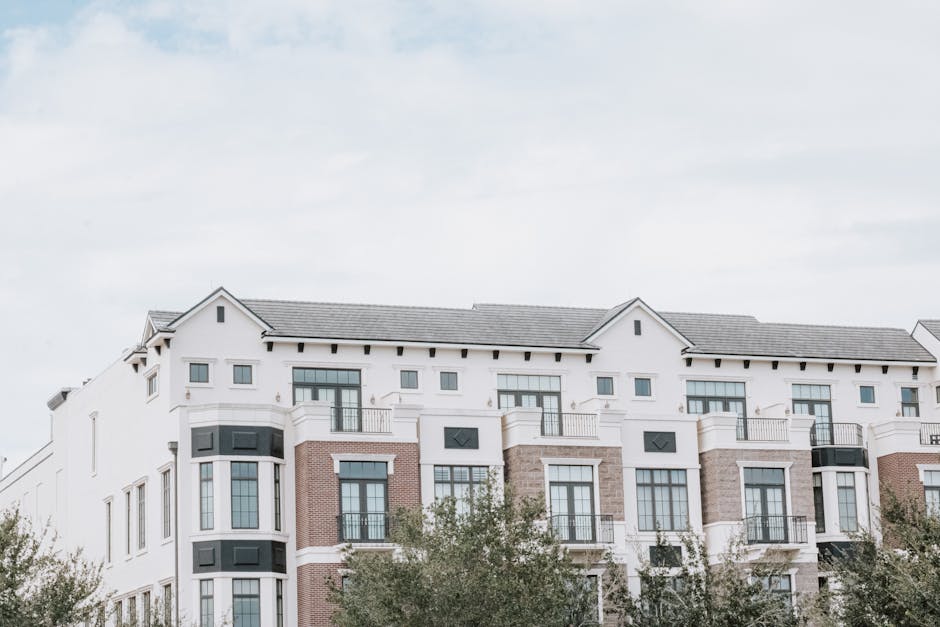
As of May 2026, the inventory profile reflects this maturation. With 120 active luxury listings currently available, the market shows a healthy but competitive balance. The average list price has climbed to $3,147,389, a figure that underscores the elevation in quality and scale of new developments. This pricing movement is not merely a result of inflation but a reflection of a higher standard of architectural design and the integration of sophisticated smart-home technologies that buyers now expect as a baseline requirement. Strategic buyers are no longer looking for temporary stays but are investing in estates that serve as multi-generational anchors.
The ceiling for the market continues to rise, as evidenced by record-breaking asks and sales across the bay. While the current record stands at $22.5 million, the market is currently testing much higher valuations. According to reports from the Wall Street Journal, a massive estate has recently entered the market with an asking price of $115 million, signaling a new era of ultra-luxury that was previously reserved for markets like Palm Beach or Miami. This escalation demonstrates a growing confidence among sellers and developers that the local infrastructure can support international-tier valuations.

For the sophisticated advisor, navigating this landscape requires a move away from generic market reports toward neighborhood-level implications. The bid-ask spread in the current climate is narrow for properties that feature modern resilient construction and updated sea walls. Conversely, older inventory that lacks recent mitigation for rising sea levels is seeing longer days on market. Success in this environment is predicated on identifying properties that offer a blend of architectural significance and structural integrity, ensuring the asset remains viable through various market cycles.
Neighborhood Diversification and Emerging Corridors
While South Tampa and Davis Islands remain the traditional pillars of the luxury market, we are observing a significant diversification of capital into emerging corridors. Areas such as Westshore and the neighborhoods flanking the North Tampa district are seeing a surge in high-end redevelopment. Properties like 6304 N Florida Avenue, listed at $2,200,000, illustrate the growing appetite for luxury builds in areas once considered purely residential or commercial-adjacent. This trend suggests that the definition of a luxury location is expanding to include proximity to the central business district and the burgeoning heights area.
The movement into these non-traditional luxury pockets is driven by a desire for larger lot sizes and custom architectural freedom. As South Tampa becomes increasingly dense, affluent buyers are looking toward North Grady Avenue and surrounding blocks to secure estates that offer more privacy without sacrificing urban accessibility. We are seeing properties like 5010 N Grady Avenue command prices upwards of $1.5 million, reflecting a shift in buyer behavior that prioritizes space and customization over legacy neighborhood names. This diversification provides a hedge against the concentration of value in only a few specific streets.
Infrastructure developments along the Dr. Martin Luther King Jr. Boulevard corridor are also influencing the luxury commercial and residential mix. Large-scale investments, such as the $2.9 million listing at 718-722 W Dr. Martin Luther King Jr. Boulevard, indicate that commercial sale and land value are rising in tandem with residential demand. This symbiotic growth is a hallmark of a healthy urban ecosystem where luxury living is supported by a robust and evolving commercial landscape. Buyers should analyze these patterns to understand where the next wave of appreciation is likely to occur.
Analytical buyers are currently focusing on the intersection of lifestyle and logistics. The proximity to high-end retail, private aviation facilities, and top-tier educational institutions remains a priority. However, the 2026 market is also rewarding those who identify properties with unique historical character or those situated on high-elevation lots. By expanding the search radius beyond the immediate waterfront, advisors can often find superior value in terms of square footage and land quality while remaining within minutes of the city’s core amenities.
Vertical Integration: The Maturation of the Condo Sector
The high-rise market in Tampa is no longer an afterthought but a central component of the luxury ecosystem. Historically, the city was dominated by single-family estates, but a new wave of vertical development is attracting a demographic that prioritizes concierge services and security. This evolution is detailed in reports from Tampa Bay Business & Wealth, which describes the city as an early-stage luxury condo market with significant room for growth. This stage of the cycle is particularly attractive for buyers looking to enter the market before it reaches full saturation.
Current condo developments are focusing on oversized floor plans that mimic the feel of a single-family home. Features like private elevator foyers, 10-foot ceilings, and expansive terraces with outdoor kitchens have become standard in the newest buildings along Bayshore Boulevard and the Downtown waterfront. These properties offer a lock-and-leave lifestyle that is increasingly appealing to the global citizen who maintains multiple residences. The integration of hotel-branded services into residential towers has further elevated the service standards expected by the modern buyer.
Investment in the condo sector also provides a unique lens into the density of luxury demand. High occupancy rates in these new towers suggest a deep pool of buyers who are committed to the urban core. For those analyzing the market, it is essential to look at the pipeline of upcoming projects to gauge future supply levels. While the current inventory remains manageable, the quality of finishes in upcoming buildings is expected to set new benchmarks for the region. This competitive environment is forcing developers to innovate, resulting in better options for the end-user.
Strategic Buyer’s Due Diligence Checklist
- Verify the structural integrity of sea walls and dockage, ensuring compliance with current environmental regulations.
- Assess the elevation of the primary living space and investigate history of water intrusion or drainage efficiency during heavy rain cycles.
- Review the HOA or condo association reserves to ensure long-term stability and to mitigate the risk of unplanned assessments.
- Analyze the proximity to future city infrastructure projects that could impact noise levels, traffic flow, or view corridors.
- Confirm that all recent renovations or additions were performed with appropriate permits to avoid future legal or resale complications.
- Evaluate the performance of building systems, specifically focusing on HVAC efficiency and integrated smart-home compatibility.
Capital Allocation and Inventory Dynamics
With a median list price currently holding at $2,388,780, the market demonstrates a high level of stability. This figure represents a balanced entry point for those looking to secure a foothold in the high-end sector without overextending during a period of interest rate discovery. The consistency of these prices suggests that the local market is resilient to national fluctuations, a point reinforced by The Business Journals, which notes that the local luxury market continues to grow stronger despite broader economic headwinds. This resilience is a key factor for buyers who prioritize capital preservation.
Inventory management is another critical aspect of the current market. The 120 active units represent a diverse range of styles, from mid-century modern restorations to ultra-contemporary glass structures. This variety allows buyers to be more selective, focusing on properties that align with their specific aesthetic and functional needs. However, the most desirable assets—specifically those with wide-water views or significant acreage—continue to move quickly, often receiving multiple offers within the first thirty days of listing. Advisor-led negotiations are essential in these scenarios to ensure terms are favorable.
Buyers should also be aware of the shift in land value versus improvement value. In many prime areas, the land itself accounts for a significant portion of the list price, reflecting the scarcity of available buildable space. This dynamic often leads to the acquisition of older properties specifically for the purpose of custom redevelopment. Analyzing the price per square foot of the land can provide a clearer picture of the true value of an investment, especially in high-demand neighborhoods where inventory is naturally constrained by geography.
The 2026 data indicates a slight increase in the time properties spend on the market compared to the frantic pace of the previous two years. This shift is beneficial for the deliberate buyer, providing more time for comprehensive inspections and financial due diligence. While the sense of urgency has moderated, the underlying demand remains robust. A successful acquisition strategy now involves a more patient approach, waiting for the right property that meets all structural and aesthetic criteria rather than settling for a compromised asset in a rush.
Cultural Inflection Points and Lifestyle Stability
Living in Tampa is increasingly defined by its cultural and social offerings, which have matured alongside the real estate market. The local lifestyle is anchored by a year-round calendar of events that foster a sense of community. For instance, the recent surge in high-end festivals and vintage markets, as reported by Axios Tampa Bay, highlights a city that is rich in social capital. These cultural touchpoints are vital for the long-term desirability of a region, as they attract a diverse and engaged population that goes beyond the transactional nature of real estate.
The stability of the local economy is further bolstered by the growth of the technology and medical sectors, which provide a steady stream of professional talent. This economic base ensures that the luxury market is not solely dependent on retirees or second-home buyers. As the city grows, the demand for high-quality entertainment and dining follows. The proliferation of Michelin-recognized establishments and private clubs has created a social infrastructure that supports a sophisticated lifestyle, making the region a viable alternative to more established global hubs.
Environmental stewardship has also become a priority for the community. The preservation of local parks and the improvement of the Riverwalk have created a more walkable and interconnected city. These public-private partnerships enhance the value of surrounding real estate by providing residents with easy access to outdoor recreation and cultural venues. For the luxury homeowner, these amenities are an extension of their personal space, contributing to the overall quality of life and the enduring appeal of the neighborhood.
When evaluating a property, buyers should consider how the local community fits their personal and professional requirements. The region offers a variety of atmospheres, from the quiet, tree-lined streets of legacy neighborhoods to the energetic, high-density environment of the newly developed districts. Understanding these nuances is crucial for finding a residence that offers both financial security and personal fulfillment. The long-term health of the market is ultimately tied to the vibrancy and engagement of its residents.
Strategic Acquisitions and Long-Term Outlook
As we move through the middle of 2026, the outlook for Tampa’s luxury real estate remains positive, supported by strong fundamentals and a clear trajectory of growth. The transition to a primary market is nearly complete, and the city is now competing on a national stage for talent and investment. According to analysis from Florida Trend, the real estate sector across the state, and particularly in the Tampa Bay area, continues to show structural strength driven by net migration and business-friendly policies. These factors provide a solid foundation for continued appreciation.
The current inventory levels offer a window of opportunity for buyers who are prepared to act on high-quality assets. While the $3.1M average list price may seem elevated compared to historical averages, it reflects the new reality of a world-class city. Strategic acquisitions made now are likely to benefit from the ongoing scarcity of waterfront land and the continued influx of wealth into the region. It is essential to work with an advisor who understands the technical aspects of high-end construction and the specific legalities of Florida real estate.
The 2026 market rewards the analytical and the well-informed. By focusing on structural resilience, neighborhood diversification, and cultural alignment, buyers can navigate the complexities of the current landscape with confidence. The growth we are seeing is not a temporary spike but a long-term repositioning of the region. Those who recognize this shift and align their capital accordingly will be well-positioned to enjoy the benefits of one of the most dynamic real estate markets in the country.
Navigating these complexities requires more than just access to a database; it requires a deep understanding of local market movements and the ability to distinguish between passing trends and lasting value. We invite you to explore our curated selection of listings to see the current inventory firsthand. When you are ready to discuss your specific requirements and develop a strategic acquisition plan, our advisors are available to provide the discrete, high-level guidance necessary for a successful transaction. Please contact our office to schedule a private consultation and begin your search for a primary residence that meets your exacting standards.
Your next move in Tampa luxury
Get current inventory, pricing guidance, and private-tour support from our brokerage team.
Source highlights
- Tampa Bay’s most expensive luxury home sales of 2025 – Tampa Bay Times
- Tampa’s Price Record Is $22.5 Million. This Huge Estate Is Asking $115 Million. – WSJ
- Tampa Bay luxury market grows stronger despite national declines – The Business Journals
- Why Tampa remains an early-stage luxury condo market – Tampa Bay Business & Wealth
- Florida Trend Real Estate – Florida Trend
- Tampa Bay’s Waterfront Emerges as a Primary Luxury Real Estate Market – The National Law Review
- Things To Do In Tampa This Weekend: Fun Festivals & Events In Tampa This Weekend – That's So Tampa
- Tampa weekend events: Vintage market, murder mystery dinner and more – Axios
