


The Current State of Tampa’s Premium Market
The premium residential sector in Tampa is experiencing a period of stabilization, marked by deliberate buyer behavior and constrained inventory. Current active listings in the upper echelon hover around 120 properties, establishing a tight environment where properly positioned assets command immediate attention. The median list price sits at $2,388,780, while the average listing approaches $3,147,389, reflecting a distinct separation between entry-level luxury and legacy estates. This environment demands a calibrated approach from buyers who are accustomed to leveraging market data for strategic advantage.

Rather than rapid, speculative acquisitions, today’s purchasers are conducting exhaustive due diligence, prioritizing long-term value retention over short-term gains. The emphasis has shifted toward properties that offer structural resilience, privacy, and immediate livability. Buyers are increasingly scrutinizing building materials, elevation certificates, and the architectural pedigree of a home before considering an offer. This meticulous approach has slightly elongated the transaction timeline, yet it ensures that completed acquisitions align strictly with the buyer’s foundational criteria.
Recent reporting from The Business Journals notes that the local luxury segment maintains steady momentum despite broader national fluctuations. This local resilience is largely driven by sustained inward migration of affluent professionals and corporate relocations. As executives transition to the region, the demand for turnkey residences in established enclaves remains robust. However, the scarcity of exceptional inventory means that premium properties rarely linger on the market if they are priced appropriately and presented immaculately.
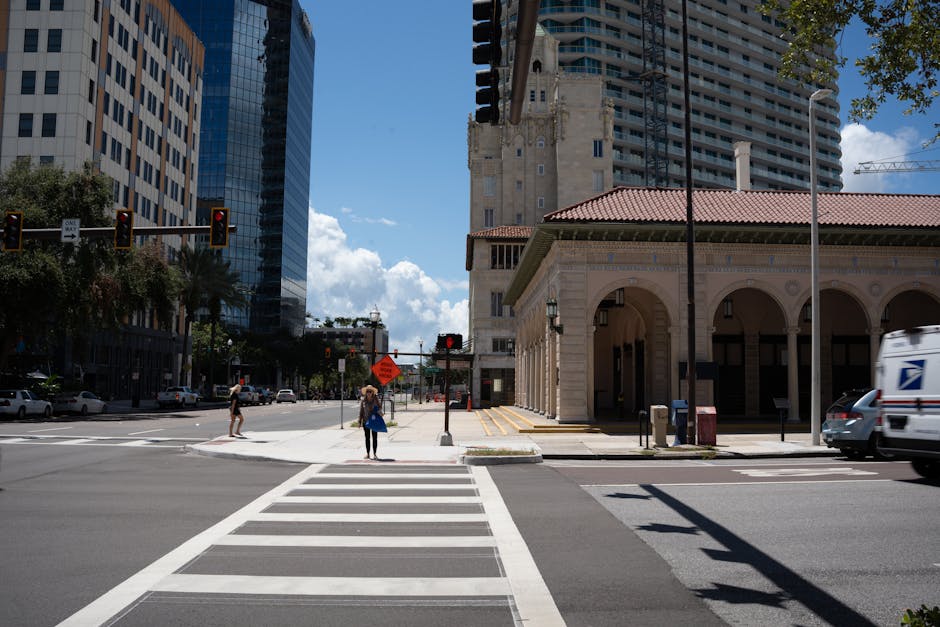
For those monitoring the upper limits of the market, the ceiling continues to rise. High-profile listings consistently redefine local pricing benchmarks, reflecting the area’s growing prominence among ultra-high-net-worth individuals, a trend recently underscored by record-setting figures reported in The Wall Street Journal. Understanding these macro trends is essential, but successful acquisitions require translating this broad data into actionable, neighborhood-specific strategies. Buyers must remain agile, ready to execute definitive offers when an asset matching their exact specifications becomes available.
Decoding the Shift Toward Waterfront Resilience
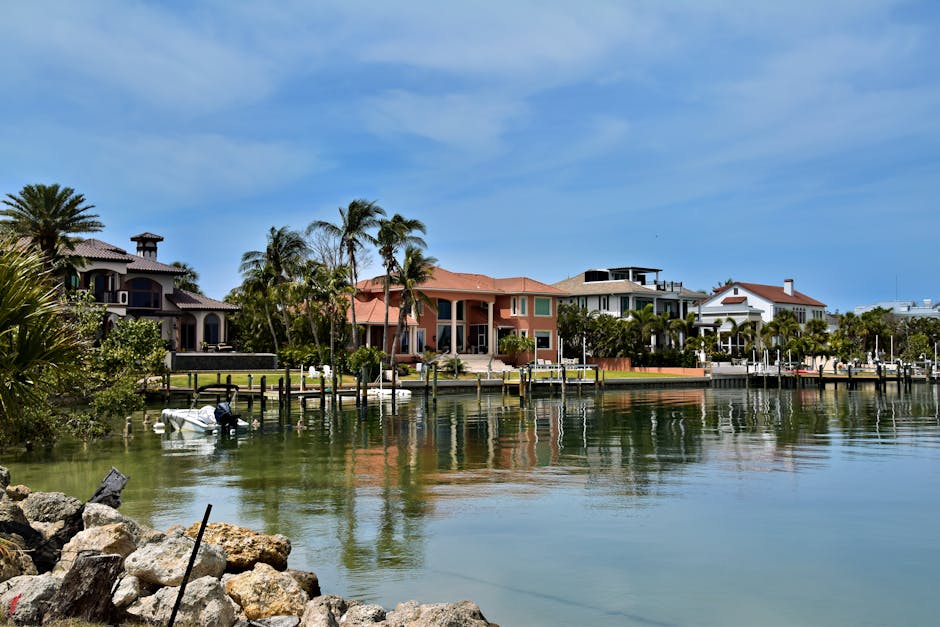
Waterfront property remains the most coveted asset class within the region, yet the criteria for evaluating these homes have matured significantly. Buyers are no longer satisfied solely with unobstructed views of Hillsborough Bay; they demand advanced structural integrity and climate-resilient engineering. Modern acquisitions often hinge on the presence of newer seawalls, elevated living areas, and robust impact-rated glazing. Properties lacking these modern fortifications face extended market times, while fully fortified estates command significant premiums.
The narrative surrounding coastal living has fundamentally shifted from purely aesthetic appreciation to risk mitigation. Affluent buyers routinely deploy specialized inspectors to evaluate the long-term viability of marine infrastructure, including dock pilings, boat lifts, and the broader topographical elevation of the parcel. This rigorous vetting process protects the initial capital outlay and ensures the property can weather environmental anomalies without sustaining catastrophic damage. It is a pragmatic approach to securing legacy assets.
As highlighted by The National Law Review, waterfront parcels are solidifying their position as the primary driver of the premium real estate market. The finite nature of navigable waterfront ensures long-term scarcity, underpinning property values even during broader economic recalibrations. For those seeking deep-water access for large vessels, the inventory is exceptionally limited, often necessitating off-market networking to identify suitable opportunities before they are publicly listed.
Navigating this specialized segment requires an advisor who understands the nuances of riparian rights, coastal construction control lines, and localized zoning ordinances. Buyers must factor in the anticipated costs of insurance and ongoing marine maintenance when evaluating a waterfront acquisition. Ultimately, securing a fortified waterfront estate provides both an exceptional daily living experience and a highly defensible asset within a diversified portfolio.
Neighborhood Dynamics in South Tampa and Beyond
South Tampa continues to serve as the epicenter of premium residential activity, defined by its historic canopy, walkable commercial districts, and proximity to the downtown core. Enclaves such as Hyde Park and Golfview command peak valuations, driven by the scarcity of buildable lots and the architectural significance of existing homes. In these areas, the value of the dirt often rivals the value of the structure, leading to complex negotiations regarding lot coverage ratios and preservation requirements.
Conversely, neighborhoods like Davis Islands offer a distinct proposition, blending suburban privacy with immediate access to deep water and a private aviation facility. The island’s distinct culture and comprehensive amenities create a highly insular market where properties frequently trade privately among local residents. For an incoming buyer, penetrating this network requires deliberate strategy and localized relationships to secure access to the most desirable parcels facing the open bay.
Beyond the established South Tampa corridors, areas traditionally considered secondary are experiencing significant capital injection. Waterfront avenues in the broader Tampa footprint are seeing aggressive revitalization, as buyers seek larger lot dimensions than those available in historic districts. This geographic expansion of the luxury footprint provides sophisticated buyers with alternative avenues for capital deployment, provided they possess the vision to identify emerging premium corridors.
Understanding the subtle distinctions between these micro-markets is critical. A property on Bayshore Boulevard offers a vastly different lifestyle and investment profile compared to a secluded estate in Culbreath Isles. Buyers must strictly align their daily operational requirements—such as proximity to specific private academies, corporate headquarters, or marine facilities—with the distinct characteristics of their targeted neighborhood to ensure a successful long-term hold.
Essential Verifications for the Discerning Buyer
The acquisition of a premium property requires an investigative approach that extends far beyond standard inspections. High-value transactions often involve complex infrastructure, sophisticated smart-home ecosystems, and intricate legal encumbrances. Buyers must establish a comprehensive due diligence framework to identify hidden liabilities that could compromise the asset’s value or the owner’s quiet enjoyment. A superficial review is entirely insufficient in this segment of the market.
To systematically mitigate risk, buyers should enforce strict verification protocols during the inspection period. This process requires assembling a team of specialized professionals, including structural engineers, environmental consultants, and land-use attorneys, to validate every aspect of the property. The goal is to eliminate assumptions and secure empirical data regarding the estate’s condition, boundaries, and regulatory compliance. Before finalizing any significant acquisition, implement the following baseline verifications:
- Review the comprehensive title commitment to identify any obscure easements, deed restrictions, or riparian right limitations that could impede future development.
- Commission a forensic inspection of the building envelope, focusing specifically on moisture intrusion, roofing systems, and the structural integrity of fenestrations.
- Verify the compliance and current rating of all marine infrastructure, including seawalls, docks, and lifts, through a licensed marine contractor.
- Analyze the capacity and lifespan of all integrated smart-home technologies, HVAC arrays, and backup power generation systems.
- Consult with a land-use attorney regarding current zoning ordinances and pending municipal projects that may alter the neighborhood’s traffic patterns or density.
- Request exhaustive documentation regarding past renovations to ensure all modifications were properly permitted and inspected by the municipality.
Failing to execute these verifications exposes the buyer to substantial financial exposure post-closing. The complexity of modern luxury estates means that deferred maintenance or structural deficiencies can require seven-figure remediation budgets. By enforcing this rigorous checklist, buyers negotiate from a position of absolute authority, ensuring the final purchase price accurately reflects the empirical condition of the asset.
Evaluating New Construction Versus Legacy Estates
The persistent debate between acquiring new construction and purchasing a legacy estate remains a central theme for affluent buyers. New construction offers the immediate appeal of modern floor plans, advanced technological integration, and the assurance of current building codes. Buyers gravitate toward these properties to avoid the friction and unpredictability associated with extensive renovations. However, the premium placed on brand-new assets is substantial, and the availability of these homes in prime locations is severely restricted by lot scarcity.
Conversely, legacy estates situated in established neighborhoods provide an architectural pedigree and lot dimensions that are virtually impossible to replicate today. These properties often occupy the most desirable parcels, offering mature landscaping and established setbacks that enhance privacy. The challenge lies in the necessary modernization required to bring these homes up to contemporary standards. Buyers must carefully evaluate whether the underlying structure warrants the significant capital and time required for a comprehensive restoration.
The decision often hinges on the buyer’s timeline and tolerance for project management. Those who choose to renovate must navigate strict municipal permitting processes and secure highly sought-after specialized contractors. The cost of premium materials and bespoke craftsmanship continues to rise, meaning renovation budgets must include significant contingencies. For buyers lacking the bandwidth to oversee a major project, turnkey new construction, despite the acquisition premium, represents the most efficient path to occupancy.
Ultimately, the choice dictates the long-term value trajectory of the asset. A meticulously restored legacy estate can achieve iconic status within a neighborhood, commanding a unique premium upon eventual resale. Alternatively, a newly constructed home built to exacting standards provides immediate utility and reduced carrying costs over the initial decade of ownership. Buyers must align their acquisition strategy with their capacity to manage either the complexities of construction or the premium of convenience.
Strategic Acquisition in a Tight Inventory Landscape
Navigating a market with merely 120 active luxury listings demands precision and decisiveness. In an environment where the median list price significantly outpaces broader market metrics, passive observation is an ineffective strategy. Buyers must maintain constant vigilance, utilizing granular market intelligence to anticipate off-market opportunities and preempt public listings. Establishing clear, non-negotiable criteria prior to engaging the market prevents the emotional drift that often leads to compromised acquisitions.
Successful transactions in this climate are characterized by clean, formidable offers. Contingencies must be minimized to present the most compelling terms to a seller, often requiring substantial liquid capital and pre-arranged financing structures. Additionally, understanding the seller’s motivations—whether they prioritize a rapid closing, privacy, or post-occupancy agreements—can provide the leverage necessary to secure a property in a competitive scenario. Execution must be swift and unequivocal.
As the local landscape continues to evolve, maintaining access to the latest cultural and civic developments can provide valuable context for neighborhood selection. For instance, staying informed on local civic improvements or notable weekend gatherings, such as those curated by That’s So Tampa, offers insights into the shifting focal points of the city’s affluent demographic. This broader understanding of the community fabric is essential when evaluating the long-term viability of a specific residential enclave.
The current dynamics require buyers to partner with advisors who offer analytical rigor rather than standard sales rhetoric. If you are preparing to navigate this complex environment, it is imperative to secure professional guidance to interpret micro-market data and execute your strategy. Begin by reviewing our current luxury listings to gauge market positioning, and then contact our advisory team to initiate a confidential consultation regarding your specific acquisition targets.
Your next move in Tampa luxury
Get current inventory, pricing guidance, and private-tour support from our brokerage team.
Source highlights
- Tampa’s Price Record Is $22.5 Million. This Huge Estate Is Asking $115 Million. – WSJ
- Tampa Bay’s most expensive luxury home sales of 2025 – Tampa Bay Times
- Tampa Bay luxury market grows stronger despite national declines – The Business Journals
- Why Tampa remains an early-stage luxury condo market – Tampa Bay Business & Wealth
- Florida Trend Real Estate – Florida Trend
- Tampa Bay’s Waterfront Emerges as a Primary Luxury Real Estate Market – The National Law Review
- Things To Do In Tampa This Weekend: Best Festivals & Events Going On – That's So Tampa
- 40+ Best Things to Do in Tampa Bay this Month: Events and MORE! – Tampa Bay Date Night Guide
