


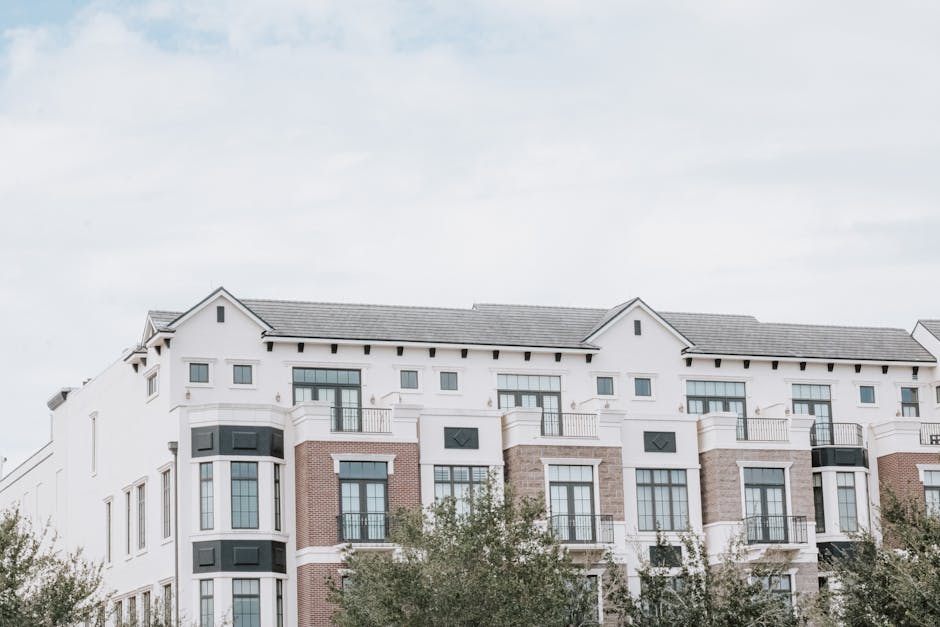
The Transition from Secondary to Primary Luxury Market
Tampa has historically been categorized as a high-value secondary market, often overshadowed by the aggressive price appreciation of South Florida. However, the first half of 2026 has solidified a fundamental shift in this narrative. The region is no longer a peripheral option for domestic and international capital; it has emerged as a primary destination. This evolution is underscored by the record-shattering $115 million asking price for a significant estate in the region, a figure that signals a new ceiling for local valuations. While the median list price for high-end residential assets currently sits at $2,490,000, the entry of nine-figure listings indicates a market maturing beyond its previous constraints, as reported by the Wall Street Journal.
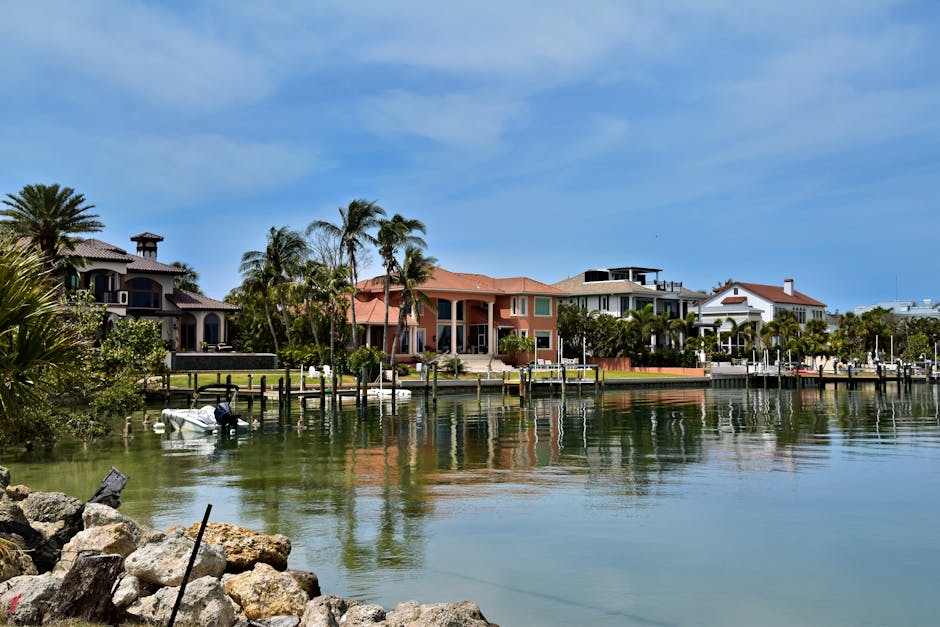
Current inventory levels reflect a disciplined market with 120 active luxury listings, maintaining a balance that prevents the volatility seen in over-saturated coastal corridors. The average list price of $3,159,014 demonstrates a consistent appetite for high-specification properties, particularly those that offer modern architectural integrity over traditional Mediterranean aesthetics. Strategic buyers are increasingly focusing on the fundamental scarcity of land, recognizing that while structures can be replicated, the finite supply of prime lots in established neighborhoods provides a long-term hedge against inflation. This is evident in the pricing of assets like 5010 N Grady Avenue, where land value alone commands a $1.55 million premium, reflecting the competitive nature of horizontal development in the city’s core.
The move toward a primary market status is further supported by the sophistication of the buyer pool. We are seeing a decrease in speculative flipping and an increase in long-term equity positions. Buyers are prioritizing functional luxury—expansive home offices, integrated wellness suites, and advanced smart-grid connectivity—over purely ornamental features. This shift in buyer behavior is a hallmark of a mature market where the focus is on utility and wealth preservation rather than short-term capital gains. As the region continues to attract high-net-worth individuals, the demand for luxury homes for sale in Tampa will likely remain resilient, regardless of broader national economic fluctuations.

Neighborhood Nuance and the Search for Intrinsic Value
Understanding the micro-markets within the region is essential for any informed acquisition. South Tampa remains the epicenter of high-end residential activity, driven by the prestige of areas like Davis Islands and Beach Park. These neighborhoods are defined by their deep-water access and proximity to the urban core, yet they offer distinct investment profiles. Davis Islands, in particular, has seen some of the most expensive luxury home sales recently recorded, as buyers seek the privacy of an island enclave without sacrificing the conveniences of the city. The architectural diversity here is expanding, with mid-century modern renovations competing for attention alongside grand colonial estates.
Conversely, the Heights and the surrounding corridors are experiencing a revitalization that appeals to a different segment of the luxury demographic. Properties such as 6304 N Florida Avenue, listed at $2,200,000, represent a movement toward high-design urban living. These areas offer a lifestyle component that is increasingly attractive to younger executives who prioritize walkability and proximity to the city’s evolving culinary and cultural hubs. The investment thesis here relies on the continued expansion of the downtown periphery and the infrastructure improvements that have followed recent commercial developments. It is a sector of the market where early entry has historically yielded significant appreciation as the neighborhood boundaries of traditional luxury continue to push outward.
The commercial-to-residential synergy is also worth noting in areas like the West MLK Jr Boulevard corridor. The listing of assets such as 718-722 W Dr Martin Luther King Jr Boulevard for $2,900,000 highlights the convergence of luxury residential demand and professional services. Buyers are looking for properties that can accommodate a hybrid lifestyle, blending residential comfort with the accessibility required for professional engagements. This multi-use potential is becoming a key differentiator in property valuations, as the modern executive often requires a footprint that serves both as a private sanctuary and a strategic base of operations.
Executive Migration and the Corporate Relocation Catalyst
One of the most potent drivers of the current market cycle is the consistent influx of corporate leadership. The trend of C-suite executives choosing the Tampa Bay region for their primary residence has accelerated, with many opting for the professional environment of St. Petersburg and the surrounding luxury enclaves. This movement is not merely a search for favorable tax climates but is deeply rooted in the region’s ability to offer a sophisticated quality of life that rivals major metropolitan centers. As noted by The Business Journals, executives are increasingly choosing this region for its robust business ecosystem and the stability of its residential markets.
This executive migration has a multiplier effect on the local economy and the real estate market. When a major corporation relocates its leadership, it often triggers a secondary wave of demand for upper-tier housing from senior management and associated service providers. This sustained demand is what differentiates the current market from previous boom-and-bust cycles. The focus is on permanent residency rather than seasonal vacation homes. This shift is reflected in the demand for properties that offer extensive square footage, advanced security protocols, and high-speed infrastructure to support global business operations from a home environment.
Critical Due Diligence for High-Value Acquisitions
The complexity of acquiring a multi-million dollar asset in a coastal environment requires a rigorous approach to due diligence. Beyond the standard inspections, luxury buyers must evaluate the long-term viability of the property’s physical and legal standing. This is particularly true for waterfront estates where environmental factors play a significant role in future valuation. We recommend a focused investigation into the following areas before finalizing any transaction:
- Seawall Integrity: Assess the age, material, and structural stability of all marine barriers, as replacement costs have risen significantly.
- Elevation and Flood Mitigation: Verify current base flood elevations and evaluate any recent structural improvements made to mitigate insurance premiums.
- Coastal Construction Control Lines: Understand the legal limitations on future renovations or expansions for properties positioned near the shoreline.
- Unresolved Permitting: Conduct a thorough audit of past improvements to ensure all work was completed with the necessary municipal oversight.
- Smart Home Infrastructure: Evaluate the age and scalability of integrated systems to ensure they meet modern security and connectivity standards.
Engaging a specialized advisor is no longer a luxury but a necessity in this environment. The nuances of local zoning, environmental regulations, and private utility agreements can have a profound impact on the long-term utility of a property. For those navigating these complexities, it is advisable to contact an advisor who understands the specific intricacies of the local luxury landscape and can provide an objective analysis of intrinsic value versus market price.
The Maturation of the High-Rise and Condo Sector
While single-family estates often dominate the conversation, the luxury condominium market in the region is undergoing a significant transformation. Historically, Tampa was viewed as an early-stage luxury condo market, but recent developments in the downtown core and the Westshore district have changed that perception. The introduction of high-specification towers with full-service amenities has attracted a demographic that favors the lock-and-leave lifestyle. According to Tampa Bay Business & Wealth, the region is transitioning out of its early-stage phase and into a more mature period characterized by higher price-per-square-foot benchmarks and more sophisticated amenity packages.
This maturation is particularly evident in the Waterfront districts, where high-rise living is being redefined. These developments are no longer just residential buildings; they are vertical communities that offer private club access, Michelin-star dining, and advanced concierge services. The appeal of these properties lies in their ability to provide a seamless lifestyle for the global traveler. For many high-net-worth individuals, the convenience of a high-rise, combined with the security and services provided, outweighs the maintenance requirements of a large waterfront estate. This has led to a diversification of the luxury portfolio, where many owners maintain both a primary single-family residence and a secondary urban condo.
Waterfront Scarcity and the Primary Market Mandate
The defining characteristic of the Tampa luxury market remains its waterfront. The National Law Review has recently highlighted the emergence of the region’s waterfront as a primary luxury real estate market, noting the increasing legal and structural complexities that accompany these high-value assets. The scarcity of available shoreline has created a premium that is often decoupled from standard market trends. Buyers are willing to pay a significant surplus for properties that offer deep-water dockage, expansive views, and the privacy afforded by coastal positioning. This scarcity is a permanent fixture of the market, ensuring that well-positioned waterfront assets will continue to command top-tier pricing.
However, with this premium comes a higher level of responsibility regarding property management and environmental stewardship. Strategic buyers are looking for properties that have already undergone the necessary upgrades to withstand the coastal environment. High-impact glass, reinforced roofing systems, and elevated mechanical systems are now standard requirements for any serious acquisition. The market is increasingly discounting properties that have not been modernized, creating a clear divide between legacy estates and contemporary, resilient luxury assets. In this environment, value is found in the intersection of prime location and modern engineering.
As we move through the second quarter of 2026, the market conditions remain favorable for decisive buyers. With temperatures currently in the high 80s and minimal rain forecasted, the season is ideal for property inspections and site visits. The clarity provided by the current market data suggests that while the pace of appreciation may have normalized, the fundamental drivers of demand remain robust. For those seeking to secure a position in this evolving landscape, the opportunity to acquire high-quality residential assets is significant. We invite you to browse our curated selection of luxury homes for sale and contact an advisor to discuss how we can assist in your next strategic acquisition.
Your next move in Tampa luxury
Get current inventory, pricing guidance, and private-tour support from our brokerage team.
Source highlights
- Tampa’s Price Record Is $22.5 Million. This Huge Estate Is Asking $115 Million. – WSJ
- Tampa Bay’s most expensive luxury home sales of 2025 – Tampa Bay Times
- Column: Why executives keep choosing St. Pete – The Business Journals
- Why Tampa remains an early-stage luxury condo market – Tampa Bay Business & Wealth
- Florida Trend Real Estate – Florida Trend
- Tampa Bay’s Waterfront Emerges as a Primary Luxury Real Estate Market – The National Law Review
- Things To Do In Tampa This Weekend: Best Festivals & Events Going On – That's So Tampa
- Tampa weekend events: Vintage market, murder mystery dinner and more – MSN
