


The Maturation of the Tampa Luxury Sector
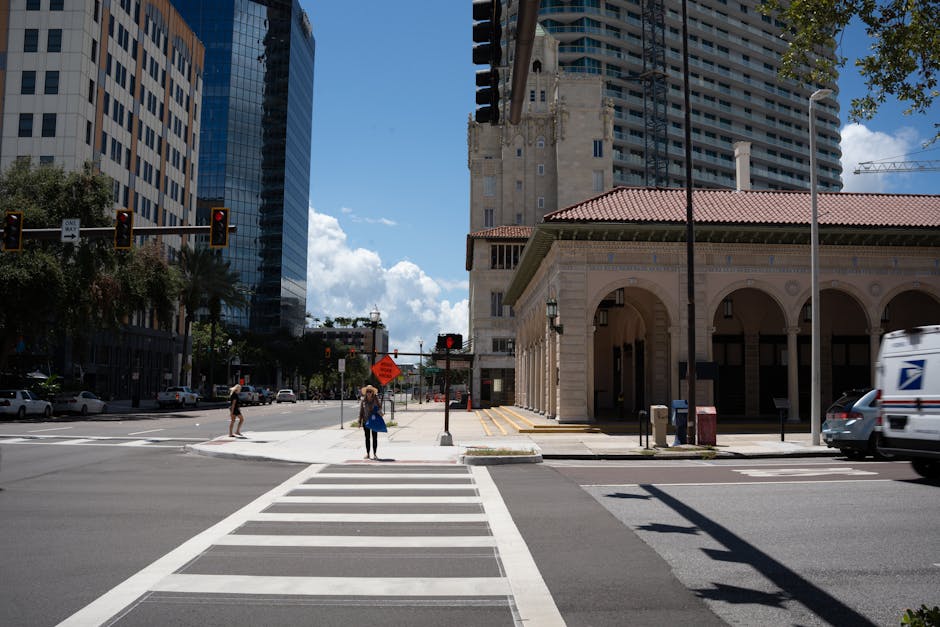
Tampa is undergoing a fundamental recalibration. Once viewed as a secondary market for regional wealth, the city has emerged as a primary destination for national and international capital. This shift is driven by structural improvements in infrastructure and a significant influx of high-net-worth individuals seeking long-term stability rather than speculative gains. The resilience of the local market, even in the face of broader national economic cooling, suggests a decoupling that sophisticated investors should note. According to recent data from The Business Journals, the Tampa Bay luxury market continues to grow stronger despite national declines, reinforcing the city’s position as a safe harbor for real estate assets.
The current inventory reflects this maturation. With 120 active luxury listings and a median list price holding steady at approximately $2,388,780, the market demonstrates a balanced tension between limited supply and high-intent demand. This is not a market characterized by panicked buying; rather, it is one of calculated acquisitions. Buyers are increasingly focused on the underlying quality of the asset—construction standards, lot positioning, and proximity to the evolving urban core of Water Street and the established elegance of Bayshore Boulevard.
As we move into early May, the seasonal transition typically sees a slight shift in buyer profiles. The current weather, with highs reaching into the low 90s, underscores the importance of climate-ready architecture. High-end buyers are prioritizing homes with advanced HVAC systems, impact-resistant windows, and outdoor living spaces that remain functional during the Florida summer. This focus on long-term livability is a hallmark of the new Tampa buyer, who views their purchase through the lens of a primary residence rather than a transient vacation spot.
The Nine-Figure Ceiling and Local Price Floors
The recent listing of a massive estate for $115 million, as reported by the Wall Street Journal, has effectively recalibrated local expectations. While the current record for a home sale in Tampa stands at $22.5 million, the introduction of a nine-figure asking price signals a profound confidence in the area’s top-tier ceiling. This move shifts the perspective on what constitutes value in neighborhoods like Davis Islands or Palma Ceia, effectively raising the price floor for the entire luxury segment. It indicates that the ceiling for Tampa real estate is no longer capped by regional comparisons but is now competing on a global stage.
For the senior advisor, this price movement requires a more nuanced approach to valuation. Comparing a $5 million property to the broader market is no longer sufficient; one must look at the micro-trends within specific streets and waterfront blocks. The average list price of $3,147,389 across current luxury inventory suggests that the “sweet spot” for high-end acquisitions has moved significantly higher over the past 24 months. Buyers should analyze these figures not as a peak, but as a new baseline for entry into the city’s most prestigious enclaves.
The emergence of these ultra-high-end listings also impacts the surrounding land values. In areas where residential lots were once priced as teardowns, we are seeing a shift toward land being valued for its scarcity and assembly potential. For those looking to build, the cost of entry is rising in lockstep with finished home prices, making existing luxury homes for sale an increasingly attractive option for those who wish to avoid the multi-year timelines associated with custom construction in the current labor market.
Strategic Diligence: A Buyer’s Checklist
Acquiring a high-end asset in Tampa requires more than a simple inspection. The complexity of the local environment—ranging from flood zone designations to historical preservation rules—demands a rigorous approach to due diligence. Before committing to a contract, a sophisticated buyer should verify several key factors that directly impact long-term value and insurance costs. This is particularly true for waterfront properties, which are increasingly seen as primary market assets rather than secondary holdings.
- Verify seawall integrity and cap height on all waterfront parcels to mitigate long-term maintenance liabilities.
- Review the elevation certificate against current FEMA maps and anticipate future insurance premium adjustments.
- Assess historical designation status for properties in areas like Hyde Park, which can limit architectural modifications.
- Analyze the surrounding development pipeline to ensure that views and privacy are protected from future vertical construction.
- Evaluate the capacity and age of existing dockage, including permits for expansion or boat lift installation.
- Investigate HOA or neighborhood association covenants for restrictions on short-term leasing or specific aesthetic changes.
The importance of this diligence cannot be overstated. As the National Law Review points out, the Tampa waterfront has emerged as a primary luxury real estate market, attracting buyers who expect institutional-grade due diligence. Failure to account for these variables can lead to unexpected capital expenditures that erode the investment’s performance over time.
Inventory Constraints and the Vertical Shift
While single-family homes remain the preferred asset for many, a significant portion of the luxury market is shifting vertically. Tampa is currently an early-stage luxury condo market, a trend highlighted by Tampa Bay Business & Wealth. The development of high-service, high-security towers in the Downtown and Bayshore corridors is catering to a demographic that prioritizes convenience and lock-and-leave capability. This segment is particularly attractive to those migrating from established markets like New York or Chicago, where vertical living is the standard for luxury.
This shift is not merely about lifestyle; it is about supply. The geographical constraints of South Tampa, bounded by the bay, mean that the supply of new single-family lots is nearly exhausted. Developers are responding by building upward, offering amenities that were previously unavailable in the local market. For buyers, the decision between a historic home in Palma Ceia and a modern penthouse in Water Street often comes down to a choice between legacy charm and contemporary efficiency. Both paths, however, lead to assets that have shown remarkable price resilience.
Looking at the broader Florida Trend real estate reports, the trend toward densification in prime nodes is a statewide phenomenon, but Tampa’s execution has been particularly focused on the ultra-luxury tier. This concentration of high-end vertical inventory is creating new micro-markets that operate independently of the suburban trends seen in outer areas. For the advisor, this requires a deep understanding of building-specific nuances, from floor-to-ceiling glass specs to the reputation of the concierge service.
Waterfront Assets as Primary Liquidity Vehicles
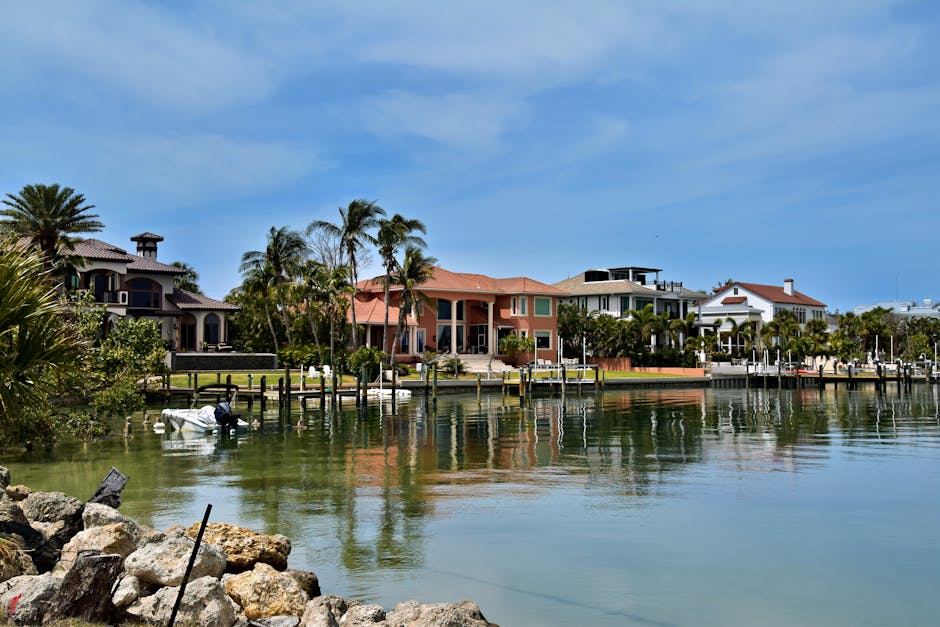
In the Tampa market, waterfront property is more than a lifestyle choice; it is a liquidity strategy. Homes along Bayshore Boulevard, Beach Park, and the canals of Davis Islands represent the most liquid portion of the high-end market. Even during periods of broader economic uncertainty, the demand for premium coastal positioning remains constant. This is reflected in the 2025 sales data from the Tampa Bay Times, which shows that waterfront estates continue to dominate the top 1% of transactions by volume and price per square foot.
Sophisticated buyers are increasingly looking for properties that offer more than just a view. Deep-water access that can accommodate larger vessels is a significant value driver. As more wealth moves into the region, the demand for dockage that can handle 50-foot-plus yachts has surged, yet the number of such spots is finite. This scarcity creates a natural hedge against inflation and market volatility. When evaluating a waterfront acquisition, the ability to moor a significant vessel should be considered a core component of the property’s valuation.
Beyond the functional aspects, the psychological value of the waterfront remains a primary driver for the Tampa market. The ability to access the Gulf of Mexico via Tampa Bay is a unique proposition that differentiates the city from land-locked luxury markets. Buyers are not just purchasing a home; they are purchasing a gateway to the region’s marine infrastructure. This lifestyle integration is what keeps the market robust even when interest rates or national headlines might suggest a cooling period.
The Cultural Infrastructure and Market Retention
A luxury market is only as strong as the community that supports it. Tampa’s investment in cultural and lifestyle infrastructure—ranging from the Riverwalk to world-class dining—is a key factor in buyer retention. The city is no longer a place people move to for a few years; it is a place where they establish roots. This weekend’s calendar, featuring everything from vintage markets to high-end festivals as noted by That’s So Tampa, illustrates the active, year-round engagement of the local community.
This cultural density is particularly important for the luxury buyer who seeks a balance between privacy and connectivity. The ability to attend a major concert at Amalie Arena or a philanthropic gala downtown, and then return to a secluded estate on Davis Islands in under fifteen minutes, is a logistical advantage few cities can match. This proximity to high-value amenities is a primary reason why neighborhoods in the southern peninsula remain the most sought-after in the region. It is about the efficient use of time as much as it is about the quality of the home.
As we look toward the remainder of 2026, the trajectory for Tampa luxury real estate remains clear. The combination of structural market shifts, high-intent capital migration, and a limited supply of premium inventory creates a compelling environment for both buyers and sellers. While the days of rapid, speculative appreciation may be transitioning into a period of more stable, institutional-grade growth, the underlying value of Tampa’s best assets has never been more apparent. Success in this market requires a disciplined approach, a focus on asset quality, and an advisor who understands the subtle movements beneath the surface of the data.
Navigating the complexities of the current luxury landscape requires a partner with deep local roots and an analytical approach to asset valuation. Whether you are looking to secure a waterfront estate or a sophisticated vertical residence, our team provides the objective guidance necessary to execute with confidence. We invite you to explore our curated selection of luxury homes for sale and contact our advisors to discuss your specific requirements and market strategy.
Your next move in Tampa luxury
Get current inventory, pricing guidance, and private-tour support from our brokerage team.
Source highlights
- Tampa’s Price Record Is $22.5 Million. This Huge Estate Is Asking $115 Million. – WSJ
- Tampa Bay’s most expensive luxury home sales of 2025 – Tampa Bay Times
- Tampa Bay luxury market grows stronger despite national declines – The Business Journals
- Why Tampa remains an early-stage luxury condo market – Tampa Bay Business & Wealth
- Florida Trend Real Estate – Florida Trend
- Tampa Bay’s Waterfront Emerges as a Primary Luxury Real Estate Market – The National Law Review
- Things To Do In Tampa This Weekend: Best Festivals & Events Going On – That's So Tampa
- Tampa weekend events: Vintage market, murder mystery dinner and more – MSN
