


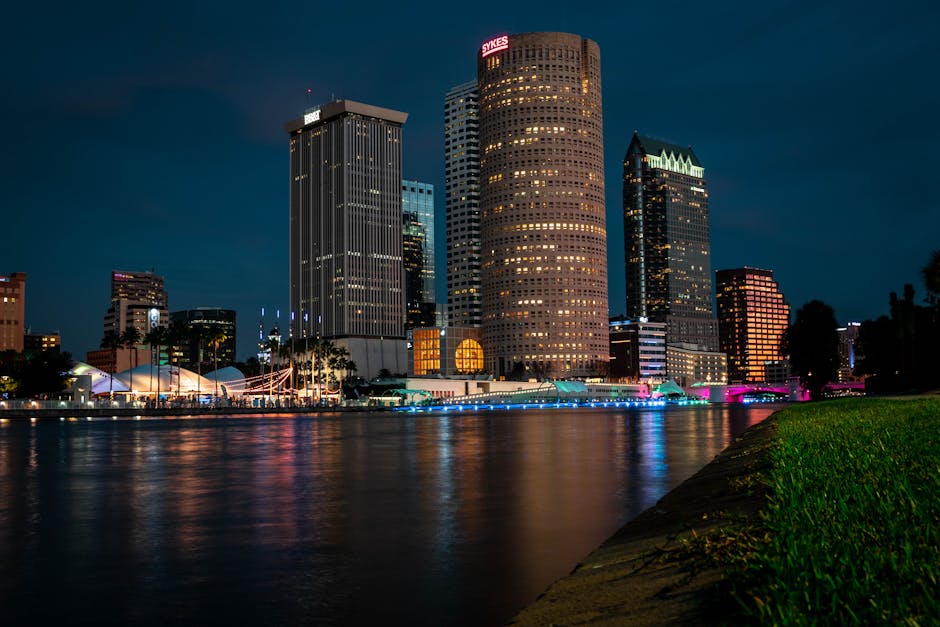
The Maturation of the Tampa High-End Market
The Tampa luxury real estate sector has transitioned from a regional interest to a national focal point for high-net-worth individuals. This shift is characterized by a significant move toward price transparency and architectural significance. While the current record for a local residential sale stands at $22.5 million, the entry of properties with valuations exceeding nine figures marks a new era for the region. As reported by the Wall Street Journal, the presence of a $115 million listing signals a growing confidence among sellers that Tampa can command global capital.
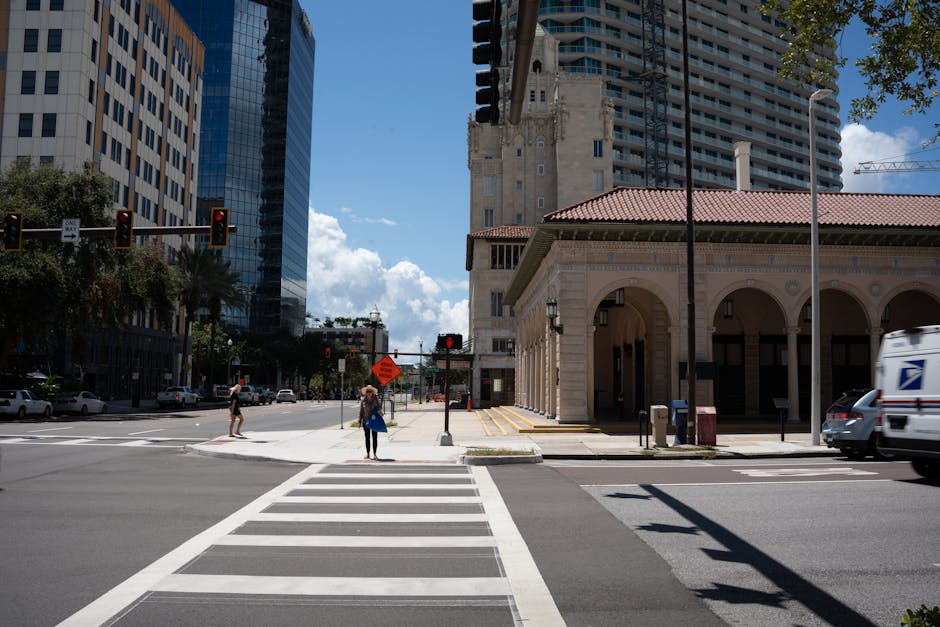
For the sophisticated buyer, this maturation requires a shift in perspective. Acquisitions are no longer merely about square footage; they are about the integration of technology, security, and unique site-specific advantages. We are seeing a divergence between standard high-end builds and true legacy assets. The former follows market trends, while the latter creates them. Understanding this distinction is critical for those looking to preserve capital in an environment where inventory is becoming increasingly specialized. The current median list price of $2,490,000 across our core luxury inventory reflects a floor that has solidified over the past twenty-four months.
Data from the Tampa Bay Times regarding the most expensive sales of 2025 illustrates a consistent appetite for turnkey assets. Buyers are increasingly unwilling to undertake long-term renovations, preferring to pay a premium for immediate occupancy. This behavioral shift has compressed the timeline for market absorption of well-positioned estates. When a property aligns with modern aesthetic demands and functional requirements, it often bypasses traditional marketing cycles.
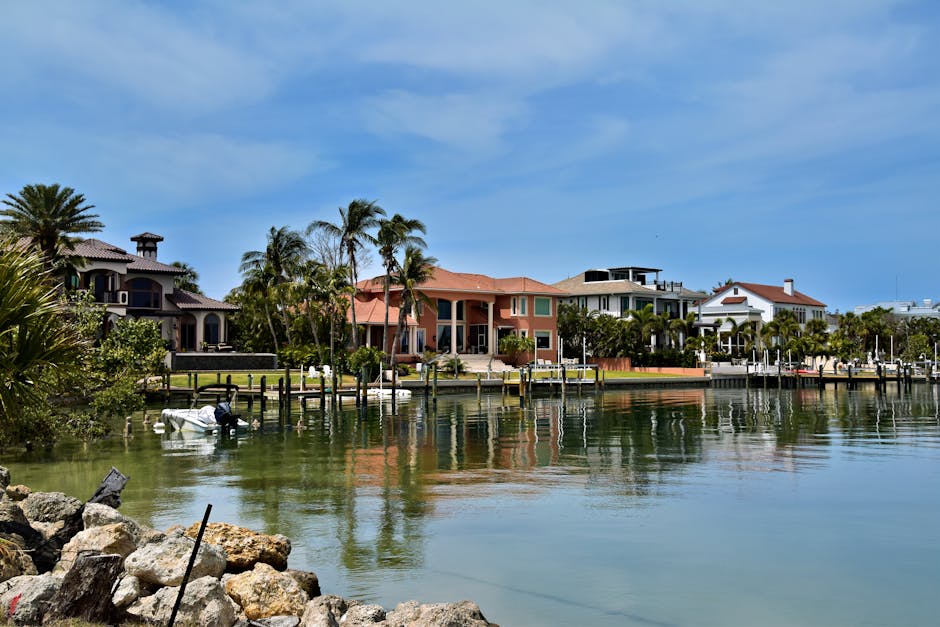
Waterfront Estates as Primary Residences
Historically, Tampa’s waterfront was often viewed through the lens of seasonal occupancy. However, the current trend firmly establishes neighborhoods like Davis Islands and Beach Park as primary residential hubs for those conducting global business. The transition of the Tampa Bay waterfront into a primary luxury market has been driven by infrastructure improvements and the proliferation of high-end amenities that support a year-round presence. This is not just a change in address; it is a change in utility.
The value of waterfront property is now being calculated by the depth of the water and the resilience of the construction. Buyers are prioritizing homes with substantial seawall integrity and elevation that exceeds standard requirements. In areas such as Snell Isle and Davis Islands, the scarcity of large, contiguous lots has created a competitive environment where land value often rivals the value of the structure itself. For an advisor, the guidance centers on the long-term viability of the site rather than the temporary appeal of the interior finishes.
Furthermore, the privacy afforded by waterfront orientation remains the primary driver for high-profile residents. As the city grows and becomes more integrated, the ability to control one’s immediate environment is the ultimate luxury. This is why we see a concentration of activity in gated enclaves and on private peninsulas. The behavioral data suggests that once a buyer enters this tier of the market, they are unlikely to move back inland, creating a “sticky” inventory environment that keeps prices buoyant even during broader economic fluctuations.
The Executive Migration and Regional Synergy
The movement of corporate leadership into the Tampa Bay area is a structural shift, not a temporary migration. Executives are increasingly choosing St. Petersburg and Tampa for their primary bases of operation, citing the region’s ability to support both professional growth and a high quality of life. As noted by The Business Journals, this influx of C-suite talent is reshaping the local economy and, by extension, the real estate market. These individuals bring a data-driven approach to their real estate acquisitions, often focusing on the long-term appreciation potential of the neighborhood.
This migration has created a synergy between the various sub-markets. A buyer may work in the Westshore business district but choose to live in the historic corridors of Hyde Park or the quiet estates of Culbreath Isles. The interconnectivity of the region is improving, making the choice of location more about personal preference than proximity to a physical office. This flexibility has allowed for a broader distribution of luxury demand, supporting values in neighborhoods that were previously overlooked by the highest tier of buyers.
The impact of this migration is also visible in the commercial sector. As businesses relocate, the demand for high-end supporting services—private education, boutique wellness centers, and exclusive dining—follows. This creates a self-reinforcing ecosystem that enhances the desirability of the surrounding residential areas. We are no longer just selling a home; we are selling a place within a sophisticated, growing network. The market is maturing into a cohesive metropolitan experience that rivals older, more established luxury hubs.
High-End Acquisition Due Diligence
Navigating a market with an average list price of over $3.1 million requires a rigorous approach to due diligence. The complexity of these transactions often exceeds that of standard residential deals, involving structural engineering reports, specialized insurance considerations, and environmental assessments. A disciplined buyer must look past the aesthetic staging to understand the core integrity of the asset. This is where professional advisory becomes indispensable.
- Verify the structural elevation and seawall integrity for all waterfront assets.
- Analyze the historical appreciation rates of the specific neighborhood pocket.
- Review the property’s architectural pedigree and the reputation of the builder.
- Assess the smart-home infrastructure for scalability and security integration.
- Confirm the status of local infrastructure projects and their potential impact on privacy.
- Evaluate the tax implications and insurance requirements for the specific site.
The goal of this process is to eliminate variables. In a market where 120 luxury units are active, the ability to filter inventory based on objective criteria is paramount. We advise our clients to treat these acquisitions with the same scrutiny they would apply to a business merger. It is about identifying risk and ensuring that the price paid reflects the true value of the underlying assets and the future potential of the location.
The Early-Stage Luxury Condo Opportunity
While single-family estates remain the cornerstone of the Tampa market, the vertical luxury segment is entering a new phase. According to Tampa Bay Business & Wealth, Tampa remains an early-stage luxury condo market compared to South Florida or Northeast hubs. This represents a significant opportunity for the consideration of “lock-and-leave” lifestyles without compromising on the scale or finish quality found in estate homes.
The new generation of condominiums in the Water Street and Westshore areas are being designed with oversized floor plans, private elevator access, and extensive outdoor terrace space. These are not merely apartments; they are sky residences that cater to those who value proximity to urban culture and professional sporting events. The integration of high-end hotel services into residential towers has set a new standard for convenience and hospitality in the region. This trend is attracting a demographic of buyers who are transitioning from large suburban estates to a more streamlined, urban experience.
For the investor, the early-stage nature of this market suggests a potential for significant long-term growth as the city continues its vertical expansion. The density of high-value services in these urban cores is increasing, making the convenience of condo living more attractive each year. We expect to see continued demand for units that offer 3,000 square feet or more, as this size threshold allows for a seamless transition from a traditional house. Monitoring the Florida real estate trends will be essential as these developments reach completion and secondary trading begins.
Neighborhood Precision: Beyond the Traditional Core
While Davis Islands and Hyde Park often dominate the conversation, the sophisticated buyer should look toward the precision of the surrounding sub-neighborhoods. Areas like Palma Ceia and Sunset Park offer a different character, often providing more extensive lot sizes or a quieter residential atmosphere while maintaining proximity to the region’s top-tier amenities. The decision between these areas often comes down to the buyer’s daily rhythm and lifestyle priorities.
In Beach Park, the architectural diversity is a significant draw, with Mediterranean revivals sitting alongside modern minimalist estates. This variety ensures that the neighborhood character remains dynamic rather than suburban. Meanwhile, the revitalized corridors of Seminole Heights and parts of West Tampa are seeing an influx of custom builds, such as the recent listings on Florida Avenue and Martin Luther King Jr Boulevard. These properties represent a tier of luxury that integrates with the local culture while providing all the modern comforts expected at the $2 million-plus price point.
Selecting the right neighborhood requires an understanding of the local behavior. For instance, the proximity to the Bayshore Boulevard linear park is a permanent value driver, but so is the access to the burgeoning culinary scene in the Heights. As an advisor, my role is to map these lifestyle requirements against the available inventory. The market is no longer a monolith; it is a collection of distinct enclaves, each offering a different version of the Tampa experience. Precision in neighborhood selection is the best hedge against market volatility.
Navigating the 2026 Inventory Landscape
As we navigate the middle of 2026, the strategy for luxury acquisition must be one of patience and precision. With 120 active high-end listings and an average price above $3.1 million, the opportunities are there for those who know how to identify them. The market is favoring the prepared—those who have their financing in order and a clear understanding of their non-negotiable requirements. We are seeing a move away from the frantic pace of previous years toward a more deliberate and professional transaction environment.
The definition of value in Tampa has matured. It is found in the intersection of location, architectural integrity, and the quality of the surrounding community. Whether you are looking for a historic estate in Hyde Park, a modern waterfront masterpiece on Davis Islands, or a high-service residence in Water Street, the data supports a confident long-term outlook. The region is continuing to attract global talent and capital, ensuring that the luxury real estate market remains a robust component of the local economy.
To make an informed decision in this environment, you need an advisor who understands the nuances of the local landscape and the data driving current valuations. We invite you to explore our curated selection of properties and connect with our team to discuss your specific requirements. Browse our current listings or contact an advisor today to begin a strategic conversation about your next acquisition.
Your next move in Tampa luxury
Get current inventory, pricing guidance, and private-tour support from our brokerage team.
Source highlights
- Tampa’s Price Record Is $22.5 Million. This Huge Estate Is Asking $115 Million. – WSJ
- Tampa Bay’s most expensive luxury home sales of 2025 – Tampa Bay Times
- Column: Why executives keep choosing St. Pete – The Business Journals
- Why Tampa remains an early-stage luxury condo market – Tampa Bay Business & Wealth
- Florida Trend Real Estate – Florida Trend
- Tampa Bay’s Waterfront Emerges as a Primary Luxury Real Estate Market – The National Law Review
- Things To Do In Tampa This Weekend: Best Festivals & Events Going On – That's So Tampa
- Things To Do In St Pete This Weekend: Best Festivals & Events Going On In St Petersburg – I Love the Burg
