


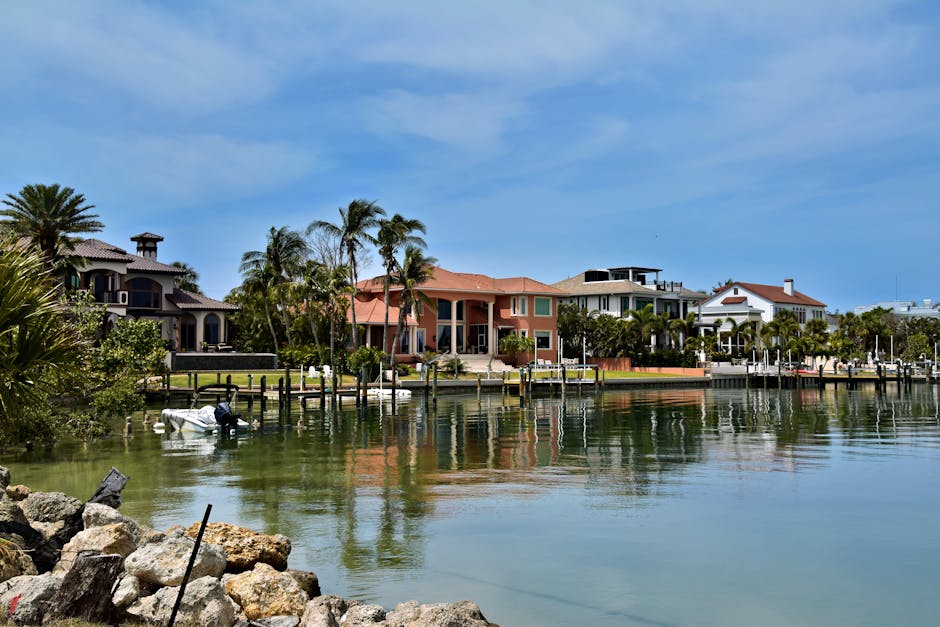
The Evolution of Tampa Waterfront as a Primary Asset Class
The Tampa Bay residential landscape is witnessing a fundamental recalibration of its luxury tier. As we progress through 2026, the data indicates a market that has transitioned from speculative seasonal growth to institutional-grade stability. Waterfront properties, once evaluated primarily on their proximity to the Gulf of Mexico, are now being scrutinized for their technical specifications, architectural integrity, and long-term climate resilience. This evolution is driven by a sophisticated cohort of buyers migrating from high-tax, dense urban centers who view Tampa not as a temporary refuge, but as a permanent base for their professional and personal lives.
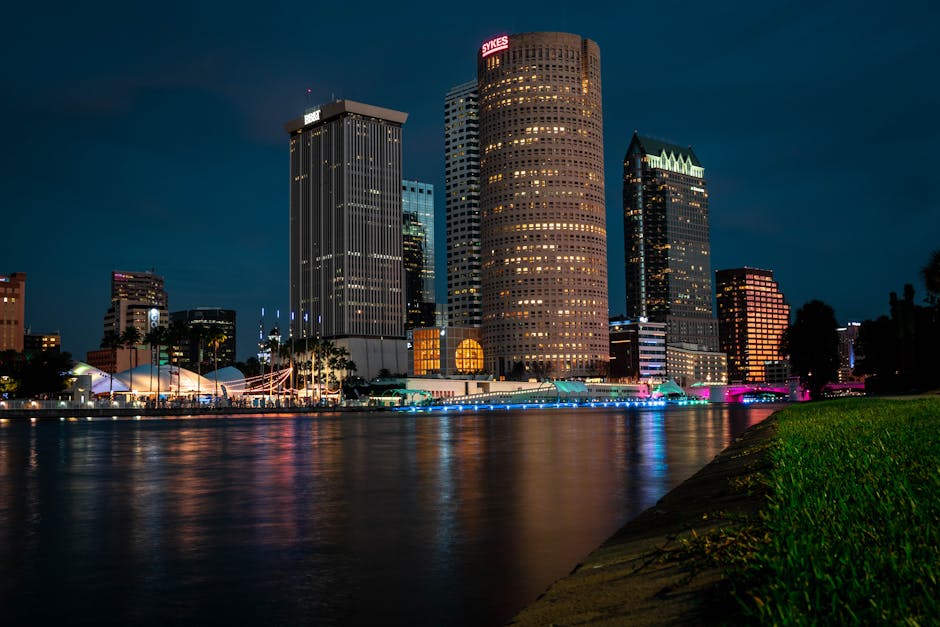
This structural shift is validated by the region’s emergence as a primary luxury market, a trend noted by major legal and economic observers. According to The National Law Review, the waterfront corridor has matured into a global destination for capital, moving beyond its historical regional boundaries. For the high-net-worth individual, this means the criteria for acquisition have become more rigorous. Investors are prioritizing properties that offer a blend of modern construction standards and proximity to the region’s expanding corporate and cultural infrastructure.
As the inventory of available land continues to diminish, the focus has shifted toward the scarcity of the asset. The value of a deep-water lot in a premier neighborhood is no longer just about the structure sitting upon it; it is about the entry point into an exclusive and limited commodity. Buyers are increasingly willing to pay a premium for the certainty of location, particularly in areas that have shown consistent appreciation through various economic cycles. This approach requires a senior advisor’s perspective to distinguish between a property that is merely high-priced and one that represents a true legacy investment.
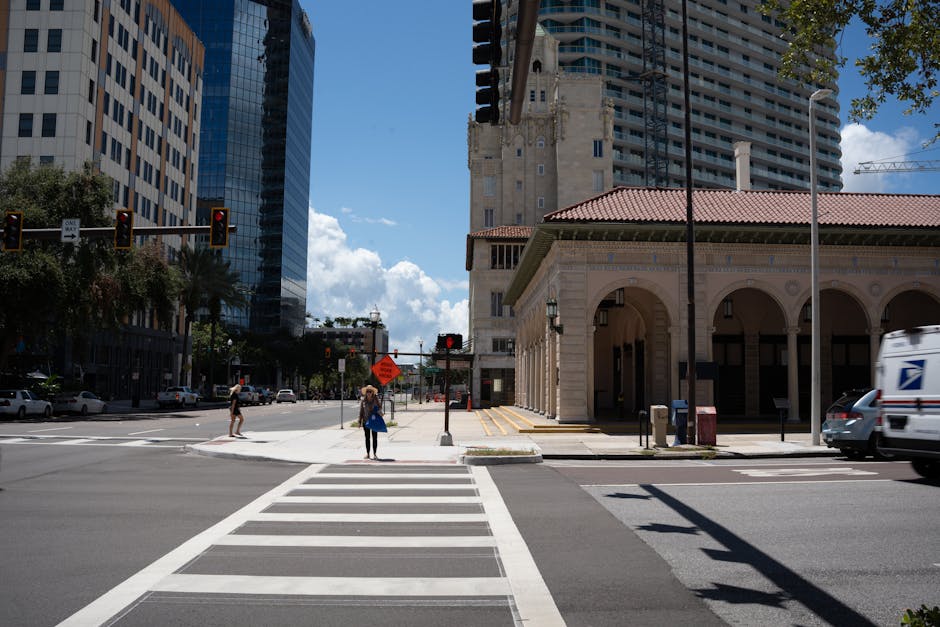
Analyzing Inventory Trends and Market Ceilings
Current inventory levels across the bay reflect a disciplined and curated market rather than a saturated one. With approximately 120 active luxury listings, the selection remains tight, favoring sellers of high-quality, move-in-ready estates. The median list price of $2,490,000 serves as a baseline for entry into the high-end segment, while the average list price exceeding $3.1 million highlights the significant concentration of ultra-high-net-worth assets. This density of wealth has created a new price floor, particularly for modern builds that meet the latest building codes and design preferences.
The upward pressure on the market ceiling is perhaps best illustrated by the entry of record-breaking listings. While the historical price record for the area stands at $22.5 million, the market is currently testing much higher valuations. As reported by the Wall Street Journal, new estates are hitting the market with nine-figure expectations, signaling a massive leap in confidence regarding Tampa’s global standing. These outlier listings often act as a catalyst, pulling the rest of the luxury segment upward as buyers recalibrate their expectations of what a premier waterfront estate is worth.
For buyers, this environment necessitates a focus on absorption rates and neighborhood-specific data. While a property on North Florida Avenue at $2.2 million or a commercial-adjacent site on MLK Boulevard at $2.9 million might represent different utility types, they all exist within a broader ecosystem where land value is the primary driver. Understanding the velocity of sales in these micro-markets is essential for making an informed offer. A property that lingers on the market in this environment often has underlying issues with its elevation, seawall integrity, or architectural utility that a seasoned eye can identify early in the process.
Neighborhood Nuance: South Tampa and Beyond
South Tampa remains the epicenter of high-value residential transactions, particularly within the established enclaves of Davis Islands and the iconic corridor of Bayshore Boulevard. Buyer behavior here is characterized by a preference for “legacy” assets—properties that offer substantial acreage and direct, deep-water access with no bridge restrictions. We are seeing a marked increase in the valuation of land itself, with properties in prime positions commanding prices that would have secured a finished estate just several years ago. The prestige of these locations is reinforced by their historical significance and their proximity to the urban core.
However, the definition of luxury is expanding as buyers look for more space and modern amenities. Neighborhoods like Beach Park and Culbreath Isles are seeing a surge in contemporary redevelopment, where older homes are being replaced by high-performance structures designed for the 2026 climate reality. These areas offer a different value proposition than the vertical luxury found in downtown, providing a level of privacy and autonomy that is increasingly rare in a growing metropolitan area. The competition for these lots is fierce, often involving off-market negotiations and pre-listing commitments among well-connected advisors.
When evaluating these neighborhoods, it is critical to look beyond the aesthetic appeal. Factors such as street drainage, proximity to elite private education, and the quality of local infrastructure play a significant role in long-term value retention. A property may look impressive on a walkthrough, but its true value is often hidden in its technical details. High-net-worth buyers are increasingly employing specialized consultants to verify everything from soil stability to the longevity of the seawall, ensuring that their acquisition is a sound financial decision as well as a lifestyle choice.
The Strategic Checklist for High-Value Acquisitions
- Verification of coastal construction control lines and current elevation certificates to ensure long-term insurability and compliance.
- Detailed assessment of riparian rights and deep-water dockage capabilities for vessels exceeding 50 feet.
- Comparison of neighborhood-specific absorption rates for properties priced above the $5 million threshold to gauge liquidity.
- Technical review of seawall integrity and remaining lifespan, including a professional underwater inspection where applicable.
- Analysis of proximity to the Westshore Business District and commute times during peak event hours in the downtown corridor.
- Evaluation of architectural adaptability for future technological integrations and energy-efficient building systems.
The St. Petersburg Pivot: Why Executives are Crossing the Bridge
A significant trend in the 2026 market is the increasing migration of corporate executives and entrepreneurs to St. Petersburg. While Tampa remains the region’s financial and industrial engine, St. Petersburg has positioned itself as a magnet for those seeking a highly walkable, culturally rich environment. This shift is not merely about lifestyle; it is a strategic move to capture value in a city that is rapidly expanding its commercial and tech footprint. As noted in The Business Journals, executives are choosing this side of the bay for its unique blend of modern residential options and high-quality urban infrastructure.
The luxury market in St. Petersburg offers a distinct alternative to the traditional estates of South Tampa. Areas like Snell Isle and the historic Old Northeast provide a blend of Mediterranean revival architecture and ultra-modern waterfront estates. For the buyer who values a shorter commute to a downtown office or immediate access to the region’s top-tier culinary and arts scene, St. Petersburg represents a compelling investment. The price points in these neighborhoods have begun to mirror those in Tampa, reflecting a unified regional luxury market where the choice of location is driven by professional utility and personal preference.
Furthermore, the development of flagship condominiums along the St. Petersburg waterfront has introduced a level of vertical luxury previously unseen in the region. These units offer concierge services and amenities that rival the best buildings in Miami or New York, providing a high-security, low-maintenance option for global citizens. This diversification of the residential tier ensures that the region can accommodate a wide variety of high-net-worth needs, further stabilizing the local economy and protecting real estate values across the board.
Investment Resilience: Condos vs. Single-Family Estates
The debate between vertical and horizontal luxury is particularly relevant in the current market. Tampa’s condominium segment is currently described as an “early-stage” luxury market, according to Tampa Bay Business & Wealth. This means that while the inventory is growing, the market has not yet reached the saturation levels of other major Florida cities. For the strategic buyer, this represents a unique window to acquire units in flagship developments that are expected to define the skyline for decades. These modern towers offer structural advantages, including advanced storm mitigation and state-of-the-art security, that are difficult to replicate in an older single-family home.
Conversely, the single-family waterfront estate remains the gold standard for privacy and land ownership. The resilience of these assets is backed by the simple reality of limited supply. There is a finite amount of shoreline available for development, and as more of it is utilized, the value of existing estates is naturally buoyed. Data from Florida Trend indicates that while high-rise options offer excellent returns and utility, the traditional estate continues to be the preferred choice for those looking to preserve significant wealth over multiple generations.
Ultimately, the decision between a condo and an estate depends on the buyer’s long-term objectives. A condo may serve as an excellent pied-à-terre for a part-time resident or a convenient primary home for a busy professional. However, for those seeking to maximize their footprint in the region, the acquisition of a waterfront lot or a custom estate in an area like Davis Islands remains the most direct way to capture the upside of Tampa’s growth. Both asset classes are showing strong resilience, but their performance is driven by different market forces that must be carefully analyzed before committing capital.
Acquisition Strategy in a Low-Inventory Environment
In a market with only 120 active luxury listings, the advantage lies with the buyer who is prepared and well-informed. This is not an environment for speculative bidding; it is one that rewards precision and speed. Success requires a deep understanding of off-market opportunities, as many of the most desirable waterfront assets never reach the public MLS. Working with a senior advisor who has their finger on the pulse of local movement—from upcoming estate sales to private developer releases—is the only way to ensure access to the full breadth of the market.
Prospective owners should also be aware of the external factors that can influence a transaction. For example, during high-activity weekends in the downtown area, traffic and logistical challenges can impact property access and inspections. Staying informed on local developments through resources like the City of Tampa traffic advisories or major event calendars is a small but vital part of the due diligence process. A comprehensive strategy accounts for these operational details as much as the financial ones.
As the Tampa Bay region continues its ascent as a global luxury destination, the opportunities for significant capital appreciation remain strong. Whether you are seeking a modern high-rise in the urban core or a sprawling estate on the water, the key to success is a data-backed approach that prioritizes long-term value over short-term trends. We invite you to explore our curated selection of LISTINGS URL to understand the current benchmarks of the market. To discuss your specific acquisition goals and receive a confidential briefing on off-market opportunities, please CONTACT URL one of our senior advisors today.
Your next move in Tampa luxury
Get current inventory, pricing guidance, and private-tour support from our brokerage team.
Source highlights
- Tampa Bay’s most expensive luxury home sales of 2025 – Tampa Bay Times
- Tampa’s Price Record Is $22.5 Million. This Huge Estate Is Asking $115 Million. – WSJ
- Column: Why executives keep choosing St. Pete – The Business Journals
- Why Tampa remains an early-stage luxury condo market – Tampa Bay Business & Wealth
- Florida Trend Real Estate – Florida Trend
- Tampa Bay’s Waterfront Emerges as a Primary Luxury Real Estate Market – The National Law Review
- Things To Do In Tampa This Weekend: Best Festivals & Events Going On – That's So Tampa
- 40+ Best Things to Do in Tampa Bay this Month: Events and MORE! – Tampa Bay Date Night Guide
