


The Maturation of the Tampa Luxury Sector
The Tampa luxury real estate market has reached a definitive inflection point in mid-2026. While the region was historically categorized by its seasonal appeal and secondary-market status, current data suggests a permanent shift toward primary residency. This evolution is driven largely by the influx of high-level executives and business leaders who are choosing the Tampa Bay area not just for its tax advantages, but for a sophisticated urban infrastructure that supports year-round residency. As noted by The Business Journals, the migration of corporate leadership into areas like St. Petersburg and South Tampa is reshaping the demand for properties that offer more than just square footage.
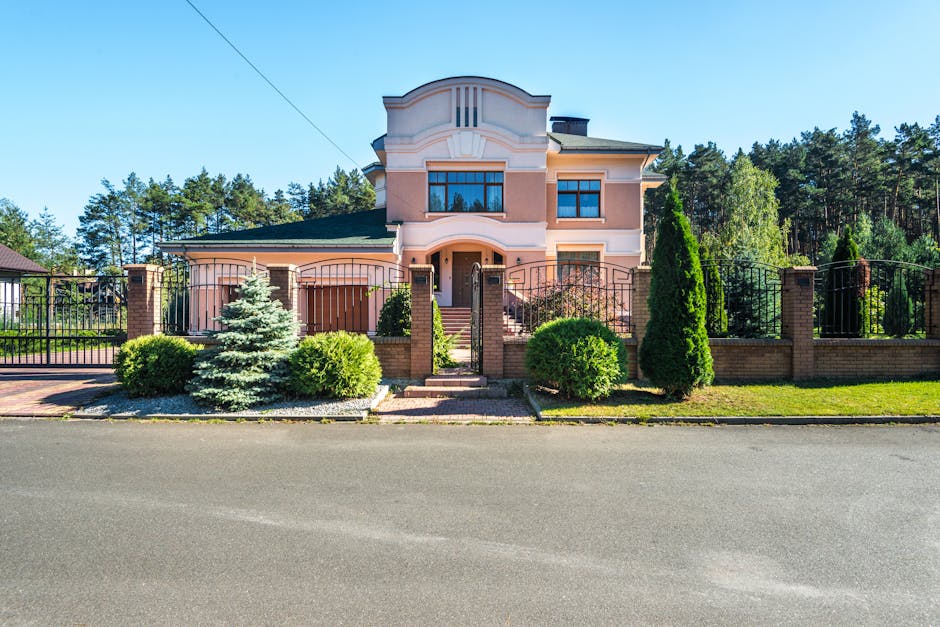
Sophisticated buyers are now prioritizing functionality and long-term utility over speculative aesthetics. We are seeing a move away from the massive, sprawling estates that dominate the periphery toward more concentrated, high-amenity residences within the city’s established cores. This change is reflected in the current inventory, where the focus has pivoted to properties that offer seamless integration between professional life and private retreat. The expectation of a primary home now includes advanced home office suites, integrated smart technology for global connectivity, and proximity to the city’s burgeoning culinary and cultural centers.
Understanding this shift is critical for any advisor-led acquisition strategy. The valuation of a property in this climate is increasingly tied to its “livability” in a non-vacation context. Buyers should look at how a home performs during the height of the summer or how it interfaces with local traffic patterns during major events. For instance, the City of Tampa often issues advisories for heavy traffic during event-packed weekends, a factor that primary residents must account for when choosing between the quiet of Davis Islands or the accessibility of the Westshore district. Decisions made today must reflect a multi-year horizon, moving beyond the transient trends of previous cycles.
Waterfront Value and the Primary Market Emergence
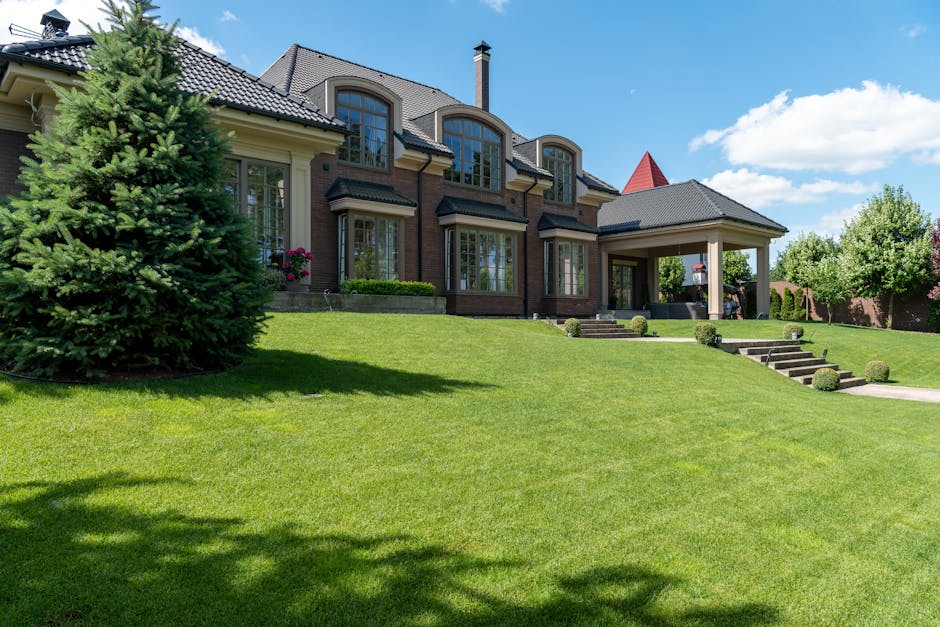
Waterfront properties remain the cornerstone of Tampa’s high-end inventory, yet the nature of these investments has matured. According to analysis from The National Law Review, the local waterfront is no longer viewed merely as a recreational asset but as a primary real estate market with significant structural stability. This is evidenced by the rising floor of entry-level luxury prices and the increasing frequency of record-breaking transactions. When an estate in the region asks upwards of $115 million, as reported by the Wall Street Journal, it signals a level of confidence in the area’s long-term capital appreciation that was previously reserved for established hubs like Miami or Palm Beach.
For the senior advisor, the task is to distinguish between superficial waterfront appeal and long-term coastal resilience. Buyers should focus on elevation, seawall integrity, and the quality of the view corridor. In neighborhoods like Beach Park and Culbreath Isles, the value is often found in the privacy and the depth of the lot rather than just the proximity to the shoreline. The market is becoming more discerning, penalizing properties that lack proper architectural responses to the coastal environment while rewarding those that utilize high-performance materials and sustainable design.
Current inventory showcases a median list price of approximately $2,490,000, but the waterfront segment often operates on its own trajectory. With only 120 active luxury listings currently available, the competition for prime coastal frontage remains high. Advisors are seeing a trend where buyers are willing to wait for the right lot rather than settling for a renovated older home that may not meet modern flood mitigation standards. This patience is a hallmark of the sophisticated primary buyer who values security and structural longevity over immediate gratification.
The Strategic Landscape of Vertical Luxury
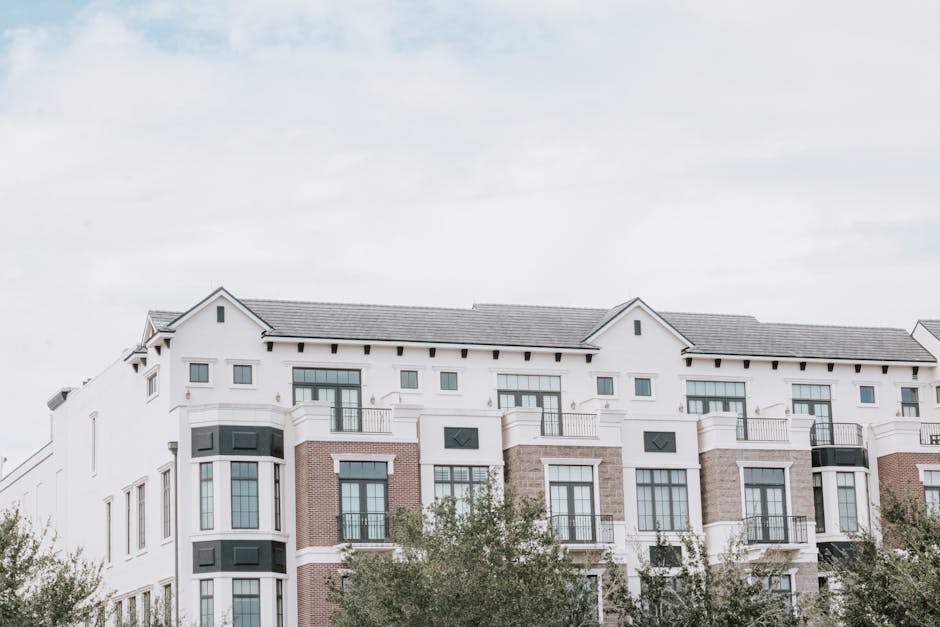
Tampa is currently navigating what many experts call an early-stage luxury condo market. This vertical expansion is most evident in the Water Street and Westshore districts, where high-rise living is being redefined for a demographic that values services over maintenance. As highlighted by Tampa Bay Business & Wealth, this sector is still in its infancy compared to other major metropolitan areas, providing a unique window for early-stage acquisition in premium developments. These residences offer a level of security and convenience that is particularly attractive to the global traveler and the modern executive.
When evaluating these vertical assets, it is essential to look beyond the lobby and the concierge desk. The true value lies in the density of the surrounding block, the long-term viewshed protections, and the quality of the building’s management. A condo in the downtown core offers a different utility than a single-family home in Hyde Park; it provides an immediate connection to the city’s heartbeat. However, buyers should be cautious of over-amenitized buildings where high HOA fees do not correlate with tangible service improvements. The goal is to find a balance between luxury and operational efficiency.
The shift toward vertical living also reflects a broader urban movement. Residents are increasingly seeking walkable environments where high-end dining and retail are within a few blocks. This lifestyle choice is a departure from the traditional suburban luxury model and requires a different set of evaluation criteria. Advisors must help clients understand the trade-offs between the autonomy of a private estate and the communal sophistication of a managed high-rise. In a market where inventory is limited, these vertical options provide a necessary alternative for those who prioritize location and lifestyle ease.
Due Diligence: A Checklist for the Luxury Acquisition
- Verify the structural integrity and recent elevation certifications for all waterfront or coastal-adjacent properties.
- Assess the neighborhood’s long-term development master plan to ensure your view corridors and privacy are protected from future construction.
- Audit the history of historical renovations in areas like Hyde Park to ensure all updates were performed with proper permits and specialized craftsmanship.
- Evaluate the property’s performance during local traffic peaks, particularly in relation to major transit arteries and professional hubs.
- Analyze the comparative price-per-square-foot against recent high-end sales rather than current list prices to determine true market value.
- Review the scalability of the home’s technology infrastructure, ensuring it can support modern high-bandwidth professional requirements.
Inventory Dynamics and Market Movement
The current luxury landscape in Tampa is defined by a relative scarcity of truly turnkey properties. With an average list price of $3,163,805 and only 120 active luxury listings, the market is favoring sellers who have maintained their properties to the highest standards. However, buyers who are willing to look at properties with solid bones and architectural significance can still find value. For example, recent listings like 6304 N Florida Avenue at $2,200,000 or 5010 N Grady Avenue at $1,550,000 demonstrate that there are opportunities within the $1.5M to $2.5M range for those looking to establish a footprint in evolving neighborhoods.
Market movement is also being influenced by the commercial sector. Large-scale sales, such as the $2,900,000 listing at 718-722 W Dr Martin Luther King Jr Boulevard, indicate that institutional and private investors are continuing to bank on the long-term growth of Tampa’s infrastructure. This commercial confidence often precedes further residential appreciation, as new services and employment hubs follow the capital. Buyers should pay close attention to where these commercial investments are landing, as they often serve as a bellwether for the next high-value residential pocket.
For those navigating this environment, it is important to remember that the luxury market does not move in a straight line. There are nuances to every neighborhood, from the canopy-lined streets of the historic districts to the sleek, modern lines of the new developments in the heights. A senior advisor provides the context necessary to understand why two seemingly similar homes can have vastly different valuations based on their specific location and architectural pedigree. Success in this market requires a data-backed approach and a deep understanding of local neighborhood dynamics.
Cultural Integration and Local Context
Acquiring a luxury home in Tampa is as much about integrating into the local culture as it is about the real estate itself. The city’s calendar is filled with festivals and events that define the local lifestyle. From the festivals highlighted by That’s So Tampa to the large-scale concerts and downtown family events, the city offers a rich tapestry of experiences. For the primary resident, these events are part of the seasonal rhythm and contribute to the area’s overall appeal. Knowing which neighborhoods provide the best access to these cultural touchpoints is a key part of the advisory process.
The sophisticated buyer also looks at the regional outlook. Publications like Florida Trend provide a broader view of the state’s economic health and real estate trends, which is essential context for any significant investment. Tampa’s growth is part of a larger Florida narrative of resilience and expansion. By understanding these macro trends, buyers can feel more confident in their decision to anchor their lives and assets in the Tampa Bay region. The city is no longer just a place to visit; it is a place to build a legacy.
Ultimately, the decision to purchase should be driven by a combination of empirical data and personal lifestyle requirements. Whether it is the desire for a deep-water dock or the need for a quiet, tree-lined street for a growing family, the Tampa market has the diversity to accommodate a wide range of needs. However, the limited inventory means that when the right property appears, the ability to act with confidence and clarity is paramount. This is where the value of a seasoned advisor becomes most apparent—providing the insight needed to move from consideration to acquisition.
Securing Your Position in the Tampa Market
As the market continues to evolve, the window for strategic acquisition in Tampa’s most coveted neighborhoods remains open but competitive. The transition to a primary residence market has created a new standard for luxury, one that demands excellence in both form and function. To navigate this landscape successfully, you need more than just a search engine; you need a partner who understands the neighborhood-level implications of every transaction. We encourage you to browse our current curated selection of luxury listings to understand the caliber of properties available today. When you are ready to refine your search and discuss your specific requirements with an advisor who understands the nuances of the Tampa market, please contact our office to schedule a private consultation. We are here to ensure your next move is executed with the precision and sophistication it deserves.
Your next move in Tampa luxury
Get current inventory, pricing guidance, and private-tour support from our brokerage team.
Source highlights
- Tampa’s Price Record Is $22.5 Million. This Huge Estate Is Asking $115 Million. – WSJ
- Tampa Bay’s most expensive luxury home sales of 2025 – Tampa Bay Times
- Column: Why executives keep choosing St. Pete – The Business Journals
- Why Tampa remains an early-stage luxury condo market – Tampa Bay Business & Wealth
- Florida Trend Real Estate – Florida Trend
- Tampa Bay’s Waterfront Emerges as a Primary Luxury Real Estate Market – The National Law Review
- Things To Do In Tampa This Weekend: Best Festivals & Events Going On – That's So Tampa
- Things To Do In St Pete This Weekend: Best Festivals & Events Going On In St Petersburg – I Love the Burg
