


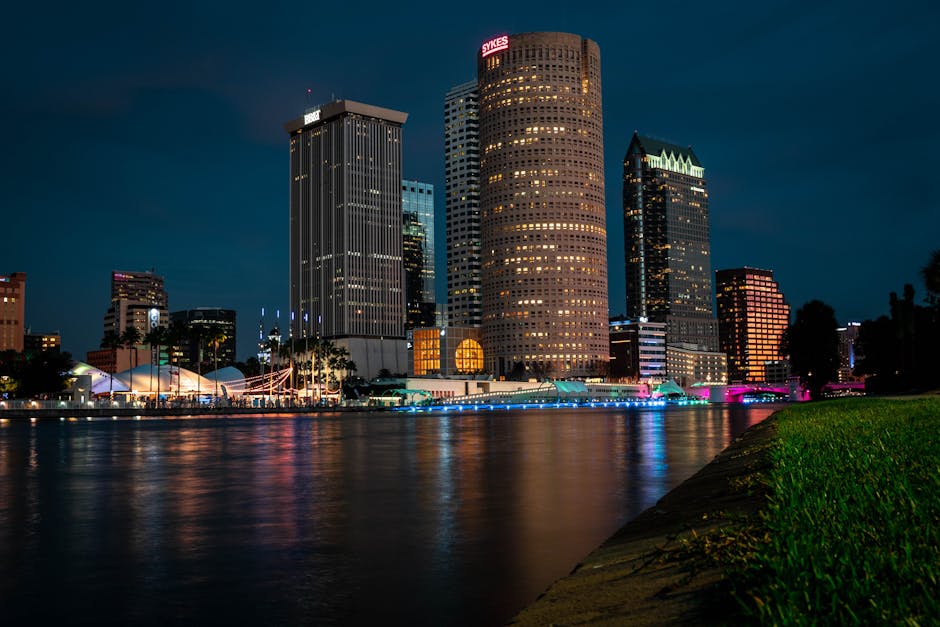
The Transition to a Primary Luxury Destination
Tampa Bay has undergone a fundamental structural shift in its real estate identity. Historically categorized as a secondary or seasonal market for affluent buyers, the region has now solidified its status as a primary luxury destination. This evolution is driven by significant infrastructure investment and a consistent influx of high-net-worth individuals who are establishing permanent residences rather than vacation outposts. As noted by The National Law Review, the waterfront sector in particular is no longer just a collection of holiday homes but the core of a sophisticated, year-round economy.
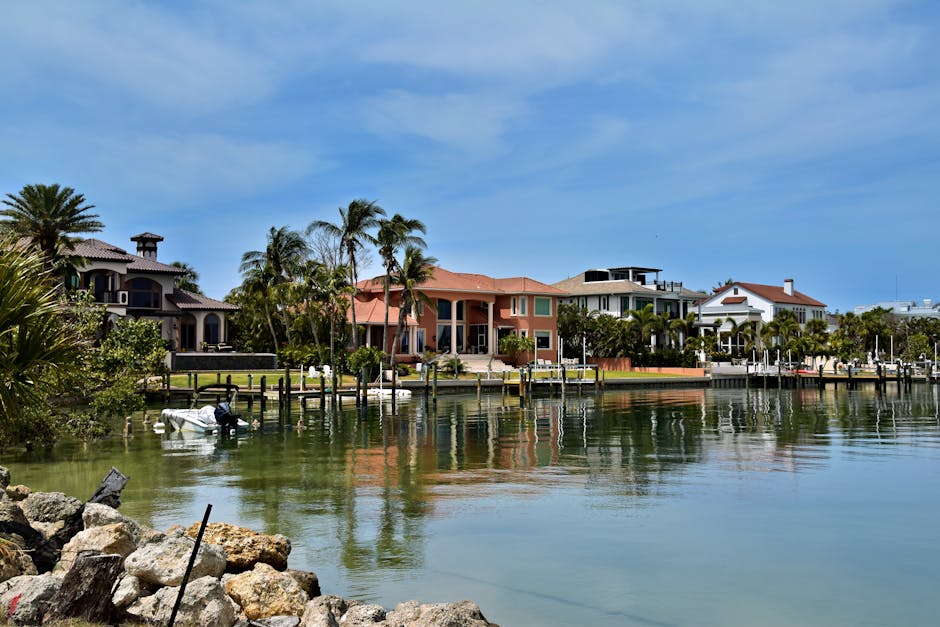
Current market metrics reflect this maturation. With 120 active luxury listings and an average list price exceeding $3.1 million, the inventory is increasingly concentrated on high-specification builds and significant architectural estates. Buyers are no longer prioritizing square footage alone; the emphasis has shifted toward the quality of the build, technological integration, and the permanence of the surrounding neighborhood. This shift requires a different approach to acquisition, focusing on long-term capital preservation rather than short-term speculative gains.
The current median list price of $2.49 million represents a stable baseline for entry into the true luxury tier, particularly in established neighborhoods like Hyde Park and Davis Islands. However, the upper echelon of the market is where the most dramatic movement is occurring. Sophisticated buyers are increasingly looking for properties that offer institutional-grade construction and integrated wellness features, reflecting a global trend toward health-centric residential design. This primary-market mindset means that infrastructure, proximity to high-end medical facilities, and private education are now primary drivers of site selection.
Valuation Realities and High-Water Marks
The recent entry of ultra-high-end estates into the public market has recalibrated expectations for what is possible in Central Florida. While Tampa’s previous price record stood at $22.5 million, the introduction of massive estates with significantly higher asking prices signals a new era for local valuations. According to The Wall Street Journal, a massive estate recently asked $115 million, highlighting the massive gap between traditional luxury and the emerging ultra-prime sector. This disparity suggests that for the right asset, there is no longer a localized ceiling on price.
For the disciplined investor, these high-water marks serve as proof of concept for the region’s desirability but should not distract from the underlying fundamentals of the median luxury inventory. It is essential to distinguish between unique, trophy assets and the broader luxury market where pricing is more closely tied to land value and replacement cost. When evaluating properties like those on North Florida Avenue or Dr. Martin Luther King Jr. Boulevard, which range from $2.2 million to nearly $3 million, the focus should remain on the land-to-structure ratio and the potential for future site optimization.
Analytical buyers are currently prioritizing properties that offer defensible value. This means looking beyond aesthetic finishes to the core components of the property: the integrity of the seawall, the elevation of the first living floor, and the exclusivity of the street. In an environment where the average list price is $3,165,369, identifying properties that have been priced based on comparable sales rather than aspirational sentiment is the key to a successful acquisition. We recommend a rigorous review of local transaction history before moving forward with high-leverage offers.
The St. Petersburg-Tampa Executive Corridor
The synergy between Tampa and St. Petersburg has created a powerful regional economy that is attracting corporate leadership from across the country. St. Petersburg, in particular, has seen a surge in executive relocation, with many high-level decision-makers choosing the city for its walkability and burgeoning downtown core. As highlighted by The Business Journals, this trend is creating a specialized demand for luxury housing that bridges the gap between urban convenience and residential privacy.
This executive migration is not limited to the traditional waterfront enclaves. Neighborhoods such as the Old Northeast in St. Pete and Palma Ceia in Tampa are seeing increased competition for restored historic properties that offer character without sacrificing modern amenities. The result is a highly competitive landscape where off-market opportunities are becoming the primary vehicle for high-end transactions. For those looking to enter this corridor, understanding the nuance of each sub-market is critical, as the price per square foot can vary significantly based on the specific block or even the side of the street.
Furthermore, the development of the Gateway area and the continuous improvement of the Howard Frankland Bridge are making the commute between the two cities more efficient. This connectivity allows buyers to live in Tampa while maintaining business operations in St. Pete, or vice versa, effectively doubling their options for luxury living. When you browse our listings, you will see a diverse range of properties across this corridor that cater to these specific executive needs, from sleek downtown penthouses to sprawling suburban estates.
Strategic Due Diligence Checklist
Acquiring a luxury asset in the current Tampa climate requires more than a standard inspection. The complexity of waterfront regulations, insurance requirements, and building codes necessitates a specialized approach to due diligence. Before finalizing any contract, an advisor-led review should cover the following technical areas to ensure the long-term viability of the investment.
- Seawall and Dock Integrity: For waterfront properties, a structural engineer should verify the remaining lifespan of the seawall and the legality of existing dock permits.
- Flood Mitigation and Elevation: Confirm the property’s elevation certificate and analyze how recent FEMA map changes may impact future insurance premiums or renovation restrictions.
- Land-to-Structure Value Ratio: Ensure the underlying land value supports the investment, especially in areas where older homes are being replaced by modern builds.
- HOA and CDD Scrutiny: Review the financial health and restrictive covenants of any Homeowners Association or Community Development District to avoid unexpected assessments.
- Infrastructure and Utility Redundancy: Evaluate the property for backup power systems and modern drainage solutions to mitigate the impact of seasonal weather events.
Vertical Living vs. Traditional Waterfront Estates
The luxury landscape in Tampa is currently bifurcated between the traditional single-family estate and the rapid rise of high-end vertical living. Tampa remains an early-stage luxury condo market compared to South Florida, which offers a unique window of opportunity for buyers seeking modern amenities without the maintenance overhead of a large estate. According to Tampa Bay Business & Wealth, the pipeline for luxury condominiums is expanding, yet the supply of truly prime units remains limited.
Traditional estates, such as those found on Davis Islands or along Bayshore Boulevard, offer a level of privacy and historical significance that new developments cannot replicate. These properties often feature larger lots and more customization potential. However, the modern condo buyer is often prioritizing the ‘lock-and-leave’ capability and the service-oriented environment provided by brands like the Edition or the Ritz-Carlton. Both segments are seeing strong demand, but they cater to very different buyer profiles and have different appreciation trajectories.
When comparing these two options, it is vital to consider the long-term utility of the space. While a penthouse may offer breathtaking views and proximity to downtown events, a single-family home on a lot like 5010 N Grady Avenue provides more flexibility for expansion or landscaping. The decision often comes down to the buyer’s stage in life and their specific requirements for privacy versus social connectivity. For a detailed analysis of which asset class aligns with your portfolio goals, we encourage you to contact an advisor for a private consultation.
Infrastructure, Resilience, and Long-Term Value
As we move through May, the weather remains dry and warm, providing an excellent window for exterior property evaluations and site visits. However, a senior advisor always looks toward the seasonal changes and how a property will perform year-round. Resilience has become a core component of luxury valuation in Florida. This includes not just hurricane impact windows, but also the integration of smart home systems that monitor environmental factors and manage energy consumption efficiently. High-end buyers are increasingly interested in the “survivability” of a home’s luxury features during power interruptions or extreme weather.
Infrastructure development in Tampa is keeping pace with the residential boom. From the expansion of the Riverwalk to the massive Water Street development, the city is investing in the public realm to support its new primary-market status. This public investment creates a multiplier effect for nearby luxury properties, as improved walkability and commercial density drive up residential demand. Buyers should look for properties that are positioned to benefit from these long-term municipal projects, as they often see the most significant appreciation over a five-to-ten-year horizon.
Understanding the local traffic patterns and event schedules is also a practical consideration for the daily luxury experience. Large-scale festivals and concerts, while beneficial for the city’s cultural profile, can impact accessibility in key neighborhoods. Being aware of the City of Tampa’s event-related traffic advisories is a small but important part of navigating life in a growing metropolis. A sophisticated advisor ensures you are aware of these neighborhood nuances before you commit to a specific location.
Acquisition Strategy for the Current Cycle
The Tampa luxury market in 2026 requires a disciplined, data-driven approach. With inventory holding steady and the region’s profile continuing to rise, the window for acquiring high-quality assets at current valuations remains open but is narrowing. Success in this environment is not found through aggressive bidding on overpriced listings, but through the patient identification of mispriced opportunities and the negotiation of terms that protect the buyer’s long-term interests. We see value in properties that offer a blend of architectural integrity, modern resilience, and prime location.
As you consider your next move in the Tampa market, focus on the fundamental drivers of value: land quality, construction standards, and neighborhood stability. The transition to a primary market is complete, and the focus has now shifted to the refinement of the luxury experience. Whether you are looking for a waterfront estate, a high-rise residence, or a historic renovation project, the key is to have a clear understanding of the local landscape and a strategy that prioritizes decision-useful data over market hype. To begin your search with a focused lens, browse our curated listings and then contact our advisory team to discuss how we can assist in securing a property that meets your specific criteria and long-term financial objectives.
Your next move in Tampa luxury
Get current inventory, pricing guidance, and private-tour support from our brokerage team.
Source highlights
- Tampa’s Price Record Is $22.5 Million. This Huge Estate Is Asking $115 Million. – WSJ
- Tampa Bay’s most expensive luxury home sales of 2025 – Tampa Bay Times
- Column: Why executives keep choosing St. Pete – The Business Journals
- Why Tampa remains an early-stage luxury condo market – Tampa Bay Business & Wealth
- Florida Trend Real Estate – Florida Trend
- Tampa Bay’s Waterfront Emerges as a Primary Luxury Real Estate Market – The National Law Review
- Things To Do In Tampa This Weekend: Best Festivals & Events Going On – That's So Tampa
- Things To Do In St Pete This Weekend: Best Festivals & Events Going On In St Petersburg – I Love the Burg
