


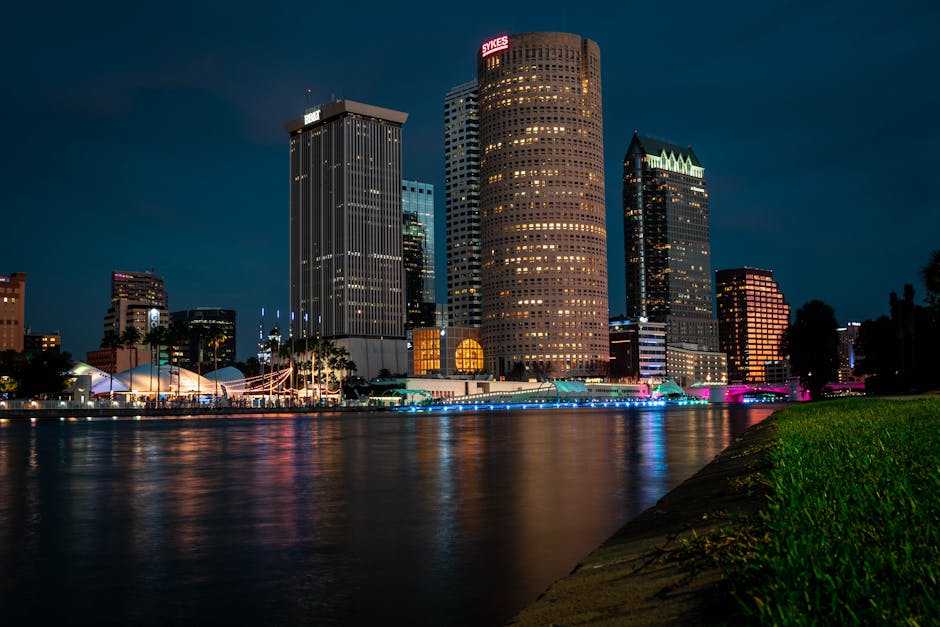
The Evolution of Tampa’s Waterfront Asset Class
The Tampa luxury market has transitioned from a regional interest to a global destination for capital preservation. Recent reports indicate that the ceiling for local valuations has effectively vanished, highlighted by the record-shattering $115 million listing of a massive waterfront estate, as noted in recent Wall Street Journal coverage. This shift suggests that ultra-high-net-worth individuals no longer view Tampa as a secondary retreat but as a primary residence hub capable of supporting nine-figure valuations.
This maturation is further evidenced by the changing profile of the typical buyer. We are seeing a significant influx of residents who prioritize proximity to the financial districts of Water Street and Westshore while maintaining the privacy of traditional neighborhoods like Davis Islands or Snell Isle. The National Law Review recently highlighted how Tampa’s waterfront has emerged as a primary luxury market, a status previously reserved for Miami or Palm Beach. Buyers today are focused on the structural integrity of seawalls and the long-term viability of coastal infrastructure rather than mere aesthetic appeal.
As of May 2026, the inventory remains tightly held. With only 120 active luxury listings across the region, the scarcity of shovel-ready land continues to drive the median list price to $2,490,000. For those evaluating the current landscape, the choice between a sprawling estate in Hyde Park and a high-efficiency penthouse downtown requires a deep understanding of current land-use trends and neighborhood-level price appreciation. Identifying value requires looking beyond the list price and analyzing the price per square foot relative to recent record sales across the bay.
Comparing Vertical Luxury and Traditional Estates
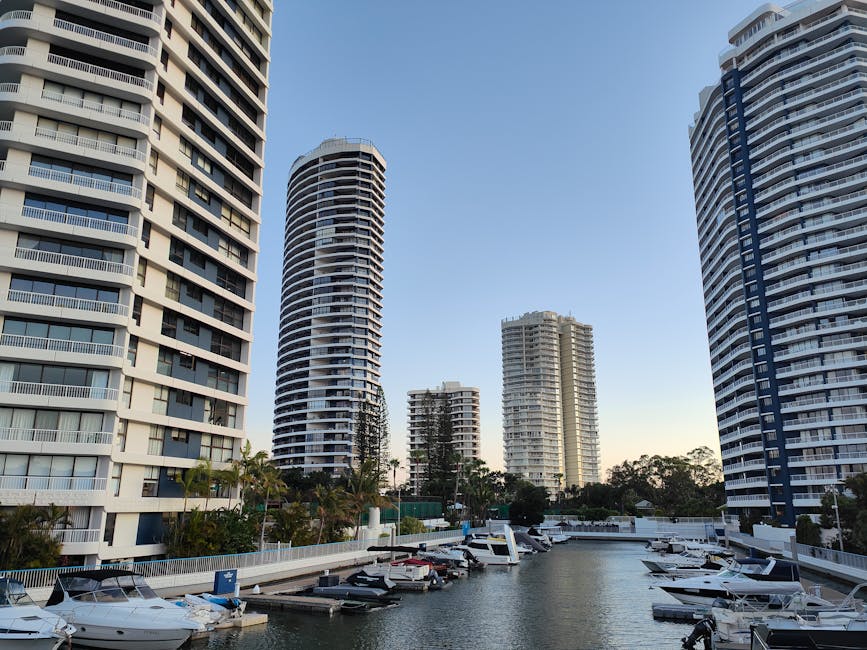
The rise of high-rise living in Tampa represents a fundamental shift in the city’s architectural identity. For decades, the luxury standard was defined exclusively by gated estates and wide lots. However, the current condo market is maturing into its own distinct asset class. According to Tampa Bay Business & Wealth, the region remains an early-stage luxury condo market, implying that early adopters of premium vertical assets may still see significant upside compared to more saturated coastal markets. These units offer turn-key convenience that appeals to the modern executive who divides time between multiple cities.
Traditional estates, conversely, offer a level of permanence and land ownership that high-rises cannot replicate. Properties such as those along Bayshore Boulevard or the quiet streets of Old Northeast in St. Petersburg continue to command premiums due to their historical significance and limited supply. The average list price of $3,165,369 reflects the significant weight these large-scale residential properties hold in the overall market statistics. When evaluating these properties, buyers must account for the ongoing maintenance costs of larger parcels and the potential for future zoning changes that could impact privacy or views.
Analytical buyers are currently weighting the benefits of full-service amenities—such as 24-hour concierge and integrated wellness centers—against the autonomy of a private residence. In the 2026 climate, where time is the ultimate luxury, the convenience of a managed building is often the deciding factor for those in the midst of high-growth career phases. However, the legacy value of a waterfront lot in a premier neighborhood remains the gold standard for long-term wealth preservation. Balancing these priorities is the core of any successful acquisition strategy in the current quarter.
The St. Pete Connection: Executive Migration Patterns
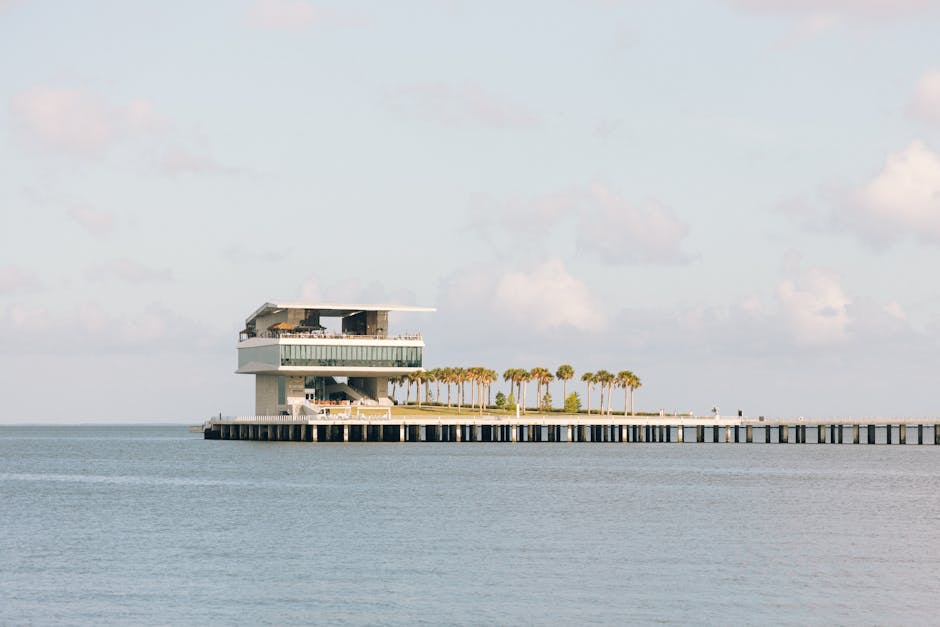
The luxury narrative in Tampa Bay is incomplete without addressing the rapid growth of St. Petersburg as a preferred destination for C-suite professionals. The Business Journals recently explored why executives are increasingly choosing the St. Pete side of the bay, citing a combination of walkable urban luxury and a distinct cultural identity. This cross-bay movement has created a competitive environment where buyers are frequently comparing Beach Drive penthouses with Tampa’s Water Street offerings.
This migration is driving demand for a specific type of property: one that offers immediate access to fine dining and the arts without sacrificing the tranquility of a residential enclave. The connectivity between the two cities via the Gandy and Howard Frankland bridges—the latter of which has seen significant infrastructure improvements—is a critical factor for those who manage businesses on both sides of the water. For an advisor, understanding these commute patterns is essential when recommending a location that aligns with a client’s professional obligations.
Furthermore, the St. Petersburg market often serves as a barometer for broader regional trends. When high-end units in downtown St. Pete reach capacity, the spillover effect often bolsters the valuations of emerging luxury pockets in West Tampa and South Tampa. Keeping a pulse on these regional dynamics allows for more precise market timing, ensuring that acquisitions are made before the next wave of executive relocations drives prices further upward. The synergy between the two cities is no longer a matter of competition but a unified regional growth story.
Strategic Due Diligence for Waterfront Acquisitions
Acquiring a high-value property in Tampa requires a more rigorous approach than in standard markets. The complexity of coastal regulations and the nuances of neighborhood-specific price floors demand a methodical verification process. Buyers should focus on the technical aspects of the property that will impact its future liquidity and insurance profile. In an era of increased climatic scrutiny, the quality of construction and the elevation of the living space are paramount.
To assist in the evaluation phase, use the following checklist to standardize your comparison of potential assets:
- Verify the age and condition of seawalls and dockage infrastructure for deep-water access.
- Assess the property’s elevation and current flood zone designation to project long-term insurance overhead.
- Review recent comparable sales specifically from the Tampa Bay Times 2025 luxury home sales report.
- Evaluate proximity to primary private aviation hubs and executive transportation corridors.
- Analyze the surrounding zoning to ensure neighboring parcels cannot be developed in a way that obstructs views.
- Confirm the presence of modern smart-home integration and independent power backup systems.
This systematic approach mitigates risk and ensures that the final decision is based on objective data rather than emotional impulse. The highest performing assets in a portfolio are those that combine a superior location with impeccable technical specifications. Whether the goal is capital appreciation or lifestyle optimization, the due diligence phase is where the most value is created in a transaction.
Inventory Scarcity and Pricing Tiers in 2026
The current state of the Florida real estate market, as analyzed by Florida Trend, suggests a sustained period of low inventory in the premium segment. In Tampa specifically, the lack of new-build opportunities in established neighborhoods has created a ceiling on the number of available homes. This inventory crunch means that when a high-quality asset enters the market, it is often absorbed quickly by a buyer who has already been vetted and prepared for the transaction.
We categorize the current inventory into three distinct pricing tiers. The entry-level luxury tier, ranging from $1.5 million to $3 million, consists primarily of renovated homes in secondary luxury areas or smaller condo units. The mid-tier, between $3 million and $7 million, includes prime waterfront properties and high-floor penthouses. The ultra-high-net-worth tier, exceeding $10 million, is reserved for significant estates and custom-built architectural masterpieces. Understanding which tier aligns with your investment goals is the first step in narrowing a search.
Market movement in May 2026 has been characterized by a stabilization of interest in mid-tier properties, while the ultra-high tier remains highly competitive due to the lack of trophy assets. For those monitoring the market, it is important to note that the average list price is often skewed by a few massive listings. A more accurate reflection of the market can be found by looking at the median list price of $2,490,000, which represents the true heart of the Tampa luxury experience. Strategic buyers are currently looking for opportunities where they can add value through modernization or by securing land in neighborhoods on the cusp of further appreciation.
Market Velocity and Seasonal Timing
Timing an acquisition in Tampa requires an understanding of both local events and seasonal climate patterns. As we move into May, the weather remains consistently pleasant, with temperatures hovering in the low 30s Celsius and minimal rain, providing ideal conditions for property tours and inspections. However, this is also a time of high activity in the downtown core. For instance, the FOX 13 weekend events report often highlights festivals and concerts that can significantly impact traffic flow around prime residential areas.
Understanding these local rhythms is crucial for evaluating a property’s real-world accessibility. A quiet street on a Tuesday morning may feel very different during a major downtown event. Being aware of the City of Tampa traffic advisories allows buyers to plan their movements effectively and gain a true sense of the logistical realities of living in a high-demand area. This granular level of local knowledge is what separates a successful resident from a frustrated one.
As the summer months approach, we typically see a slight cooling in market velocity as families settle into their school-year routines or travel abroad. This can provide a tactical advantage for buyers who are prepared to move quickly on remaining inventory. Identifying these windows of opportunity requires a proactive approach and a clear understanding of the broader economic factors at play. In the current 2026 environment, the most successful transactions are those that are planned months in advance, allowing for a thorough exploration of the market without the pressure of seasonal peaks.
Navigating the complexities of the Tampa luxury market requires more than just access to data; it requires a senior advisor who can interpret that data within the context of your specific goals. Whether you are looking for a historic estate or a modern high-rise, the right acquisition strategy is built on a foundation of empirical research and local expertise. To see the current inventory of high-value assets, you may browse our exclusive listings. For a private consultation regarding your portfolio or to discuss a specific property in detail, please contact an advisor today.
Your next move in Tampa luxury
Get current inventory, pricing guidance, and private-tour support from our brokerage team.
Source highlights
- Tampa’s Price Record Is $22.5 Million. This Huge Estate Is Asking $115 Million. – WSJ
- Tampa Bay’s most expensive luxury home sales of 2025 – Tampa Bay Times
- Column: Why executives keep choosing St. Pete – The Business Journals
- Why Tampa remains an early-stage luxury condo market – Tampa Bay Business & Wealth
- Florida Trend Real Estate – Florida Trend
- Tampa Bay’s Waterfront Emerges as a Primary Luxury Real Estate Market – The National Law Review
- Things To Do In Tampa This Weekend: Best Festivals & Events Going On – That's So Tampa
- Things To Do In St Pete This Weekend: Best Festivals & Events Going On In St Petersburg – I Love the Burg
