


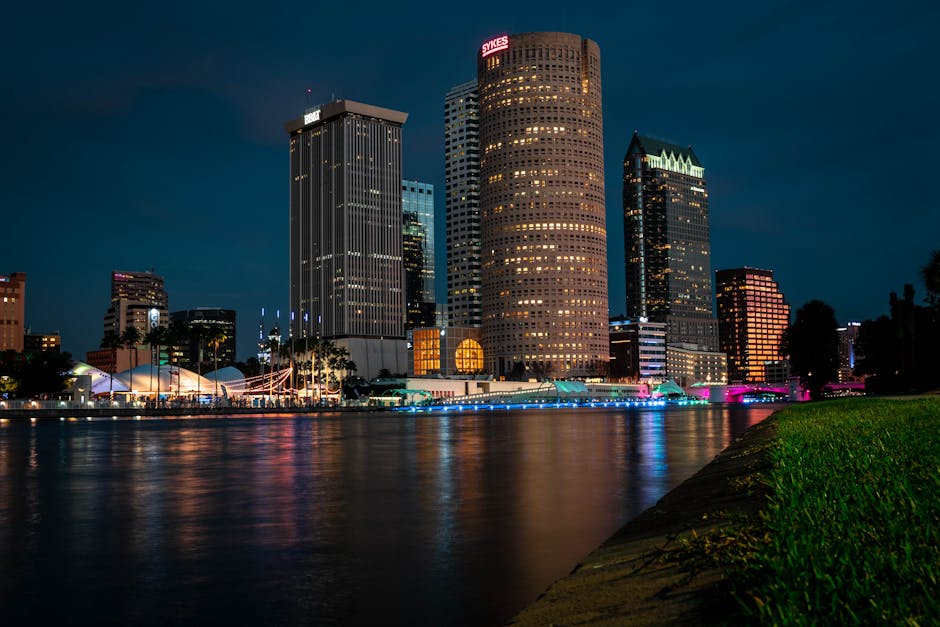
The Institutionalization of Tampa’s Luxury Inventory
Tampa’s residential landscape has moved beyond the designation of an emerging market. Over the last three fiscal cycles, we have observed a structural shift in how capital is deployed within the region’s urban core and waterfront peripheries. Previously considered a secondary destination for seasonal residents, the city is now a primary focus for institutional-grade residential investment. This maturation is reflected in the current inventory, where the median list price for luxury properties sits at approximately $2,490,000, while the average exceeds $3,165,000. This disparity indicates a widening gap between traditional high-end homes and the ultra-luxury segment that is beginning to define the new ceiling of the local market.
The scale of this transition is perhaps best illustrated by recent market outliers that challenge historical price caps. While the existing price record for the region stands at $22.5 million, new entries into the market are pushing boundaries that were once reserved for Miami or Palm Beach. For instance, a significant estate has recently entered the market with an asking price of $115 million, signaling a massive leap in perceived value and long-term appreciation potential. For the sophisticated buyer, these figures represent more than just record-breaking headlines; they signify a fundamental change in the region’s economic gravity and a permanent shift in buyer demographics.
As the inventory of available luxury homes remains relatively tight, with approximately 120 active listings in the premium bracket, the competition for trophy assets has intensified. Buyers are no longer merely looking for square footage; they are seeking architectural significance and verified exclusivity. This environment requires a disciplined approach to valuation, moving away from speculative hype and toward a data-driven assessment of land value, replacement costs, and the scarcity of specific waterfront footprints. Navigating this landscape requires an understanding of how these high-value assets perform during various market phases and how they correlate with broader macroeconomic trends affecting the Florida peninsula.
Waterfront Density and the Primary Market Shift
The evolution of Tampa’s waterfront is central to its new status as a top-tier destination for domestic and international wealth. Traditionally, the region’s high-end market was concentrated in inland enclaves with historical character, but the focus has decisively shifted toward the bay. This trend is not merely a preference for views but a reflection of Tampa’s waterfront emerging as a primary luxury real estate market, where assets are held as long-term wealth preservation vehicles. The scarcity of navigable waterfront property along Bayshore Boulevard, Davis Islands, and Westshore has created a natural floor for pricing that resists broader market volatility.
For buyers evaluating waterfront opportunities, the distinction between ‘navigable’ and ‘scenic’ is a critical component of the valuation process. Deep-water access that can accommodate larger vessels remains the highest tier of the market, often commanding a 30% to 50% premium over non-navigable waterfront lots. Furthermore, the integration of new-construction sea walls, modern drainage systems, and elevated foundations has become the baseline expectation for any asset exceeding the $5 million mark. In areas like Beach Park and Culbreath Isles, the transition from older, Mediterranean-revival styles to modern, resilient architecture is reshaping the aesthetic and functional standards of the shoreline.
This maturation also brings a higher level of scrutiny regarding environmental regulations and insurance considerations. As Florida continues to refine its coastal building codes, properties that exceed current FEMA requirements are proving to be the most resilient in terms of both physical durability and value retention. Savvy investors are increasingly focusing on these technical specifications, recognizing that the long-term cost of ownership and the ease of future liquidity are tied directly to how well a property is positioned against the elements. This analytical approach to waterfront living is what distinguishes the current wave of buyers from those of previous decades.
The Ascent of Vertical Luxury and Urban Connectivity
While single-family estates continue to lead in total transaction volume, the vertical luxury segment is experiencing a period of rapid sophistication. The emergence of the Water Street district and the revitalization of the Channel District have introduced a level of full-service living previously unavailable in the region. Developers are no longer offering just condos; they are providing managed lifestyles that cater to the time-sensitive nature of modern executives. This is why many analysts view Tampa as an early-stage luxury condo market with significant headroom for growth compared to established markets like New York or Chicago.
The appeal of these vertical assets lies in their proximity to the city’s economic and cultural centers. The transition of Tampa’s downtown into a walkable, high-density core has changed the calculation for buyers who previously would have only considered suburban enclaves. The convenience of being steps away from the Riverwalk, top-tier dining, and corporate headquarters is a powerful draw for the influx of C-suite leaders relocating from the Northeast and West Coast. These buyers are looking for the same level of finishes and concierge services they enjoyed in Manhattan or San Francisco, and the new crop of developments is delivering on those expectations with remarkable precision.
Before committing to a vertical asset, it is essential to evaluate the health of the homeowners’ association and the long-term maintenance schedule of the building. In Florida, recent legislative changes regarding structural integrity reserves have made this due diligence even more vital. Buyers should look for buildings that have proactively addressed these requirements, ensuring that their investment is protected from sudden assessments or administrative hurdles. When you browse current luxury listings, pay close attention to the age of the building and the track record of the developer, as these are primary indicators of long-term asset stability.
Strategic Due Diligence for High-Value Acquisitions
Acquiring a high-value asset in the current Tampa market requires a level of diligence that goes beyond traditional inspections. The complexity of the local landscape—ranging from historical preservation districts to flood-prone waterfronts—means that every variable must be accounted for before capital is committed. We advise our clients to treat a residential purchase with the same analytical rigor as a commercial acquisition. This involves a multi-disciplinary review of the property’s legal, structural, and environmental standing to ensure there are no unforeseen liabilities that could impact future resale value or immediate enjoyment.
- Verification of riparian rights and dock permitting for all waterfront properties.
- Review of the most recent Elevation Certificate and FEMA flood zone classification.
- Assessment of current insurance premiums and the availability of private-market coverage.
- Analysis of historical district guidelines and potential restrictions on renovation.
- Review of the Seller’s Property Disclosure for any history of structural or moisture-related issues.
- Evaluation of localized traffic patterns during peak seasonal events or downtown festivals.
This checklist serves as the foundation for a secure transaction. In a market where the average list price is over $3 million, the cost of an oversight can be substantial. For example, understanding the implications of being in a specific neighborhood like Hyde Park versus Davis Islands involves more than just a lifestyle choice; it involves different tax considerations, school district impacts, and development restrictions. Buyers who engage with these details early in the search process are consistently better positioned to negotiate favorable terms and avoid properties with hidden complexities.
Furthermore, the timing of an acquisition can be influenced by local activity and development milestones. Strategic buyers often monitor the progress of major infrastructure projects or large-scale commercial developments, as these often precede a spike in residential demand. By aligning a purchase with the broader trajectory of the neighborhood, investors can capture appreciation that is driven by more than just general market inflation. This level of market foresight is what we provide to our clients, ensuring that every move is backed by concrete data and local expertise.
Economic Connectivity and Executive Relocation Trends
The growth of the Tampa luxury market is intrinsically linked to the broader economic health of the Florida Gulf Coast. The region has become a magnet for businesses looking for a pro-growth environment, which in turn drives the demand for premium housing. The trend of executives choosing the Tampa Bay area is a sustained movement rather than a temporary fluke. This influx of high-earning professionals has created a robust rental market for luxury properties and a highly competitive sales environment for the city’s most prestigious addresses.
When analyzing where to buy, it is important to consider the ‘stickiness’ of the neighborhood. Areas that offer a combination of proximity to private airfields, top-rated schools, and private social clubs tend to hold their value better than those that rely solely on aesthetic appeal. The lifestyle in neighborhoods like Palma Ceia or Sunset Park is designed for the long-term, providing a sense of community that appeals to families and established professionals alike. These areas have seen consistent demand even during broader economic shifts, making them some of the most stable sub-markets in the state of Florida.
The broader regional trends also play a role in local valuation. As outlined in the latest Florida Trend real estate reports, the state’s tax structure and migration patterns continue to favor the luxury residential sector. For many, the decision to move to Tampa is as much a financial one as it is a personal one. The ability to deploy capital into a tangible asset in a growing metropolitan area provides a level of security that is increasingly rare in other parts of the country. This economic backdrop is the silent driver behind the record-breaking sales and the continued investment in high-end developments across the city.
Strategic Positioning for the 2026 Market
As we look toward the remainder of 2026, the strategy for luxury buyers should be one of patience and precision. The market has moved past the frenetic pace of previous years, allowing for a more deliberate evaluation of opportunities. While the inventory remains limited, the quality of the homes coming to market has never been higher. For those looking to secure a legacy property or a high-performance investment, the current window offers a unique chance to acquire assets before the next wave of institutional growth fully takes hold. Identifying the right entry point requires a deep understanding of neighborhood-level dynamics and the ability to act quickly when a rare asset becomes available.
The most successful buyers in this environment are those who have established a clear set of criteria and a reliable team of advisors. This includes not just a real estate specialist, but also legal counsel, tax professionals, and construction experts who can provide a comprehensive view of any potential acquisition. By removing the guesswork from the process, you can focus on the strategic benefits of the property and how it fits into your broader portfolio. Whether you are focused on a modern waterfront estate or a sophisticated urban penthouse, the key is to prioritize long-term value over short-term trends.
Tampa’s trajectory is clear, and the opportunities for sophisticated capital allocation are abundant for those who know where to look. We invite you to explore the current market with an analytical lens and a focus on quality. If you are ready to evaluate the next addition to your portfolio or wish to discuss the specific nuances of a particular neighborhood, we encourage you to contact an advisor today to begin a private consultation. Our team is dedicated to providing the technical insights and local intelligence required to navigate the Tampa luxury market with confidence and discretion.
Your next move in Tampa luxury
Get current inventory, pricing guidance, and private-tour support from our brokerage team.
Source highlights
- Tampa’s Price Record Is $22.5 Million. This Huge Estate Is Asking $115 Million. – WSJ
- Column: Why executives keep choosing St. Pete – The Business Journals
- Tampa Bay’s most expensive luxury home sales of 2025 – Tampa Bay Times
- Why Tampa remains an early-stage luxury condo market – Tampa Bay Business & Wealth
- Florida Trend Real Estate – Florida Trend
- Tampa Bay’s Waterfront Emerges as a Primary Luxury Real Estate Market – The National Law Review
- Things To Do In Tampa This Weekend: Best Festivals & Events Going On – That's So Tampa
- Things To Do In St Pete This Weekend: Best Festivals & Events Going On In St Petersburg – I Love the Burg
