


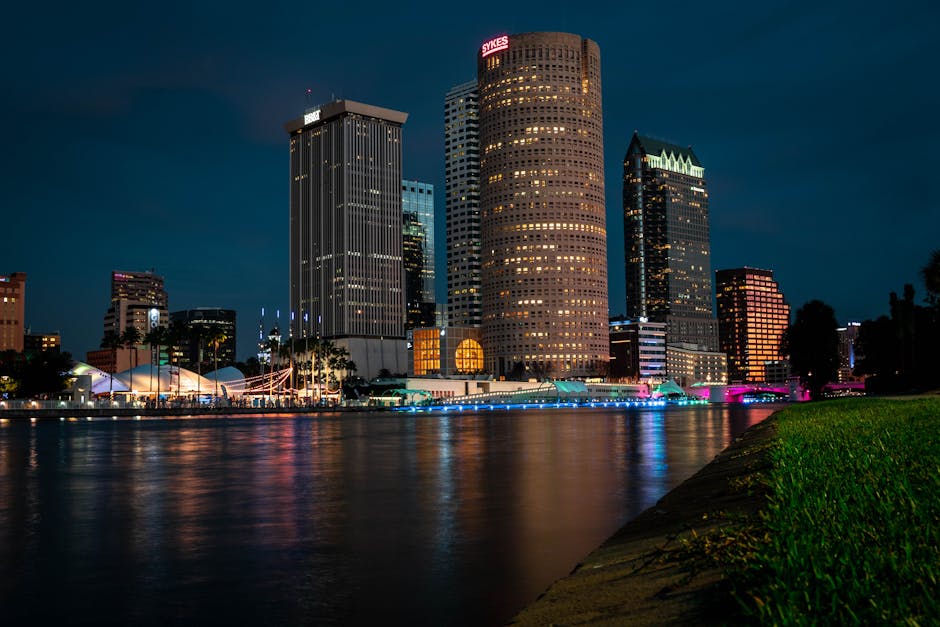
The Structural Evolution of Tampa’s Executive Migration
Tampa has transitioned from a seasonal retreat to a primary destination for high-net-worth individuals and corporate leadership. This shift is driven by a fundamental realignment of where executives choose to establish their permanent footprints. As the regional economy diversifies into technology, fintech, and advanced healthcare, the demand for residential infrastructure that mirrors the sophistication of major global hubs has surged. We are seeing a sustained influx of capital from traditional financial centers, with buyers prioritizing long-term stability and lifestyle integration over speculative gains.
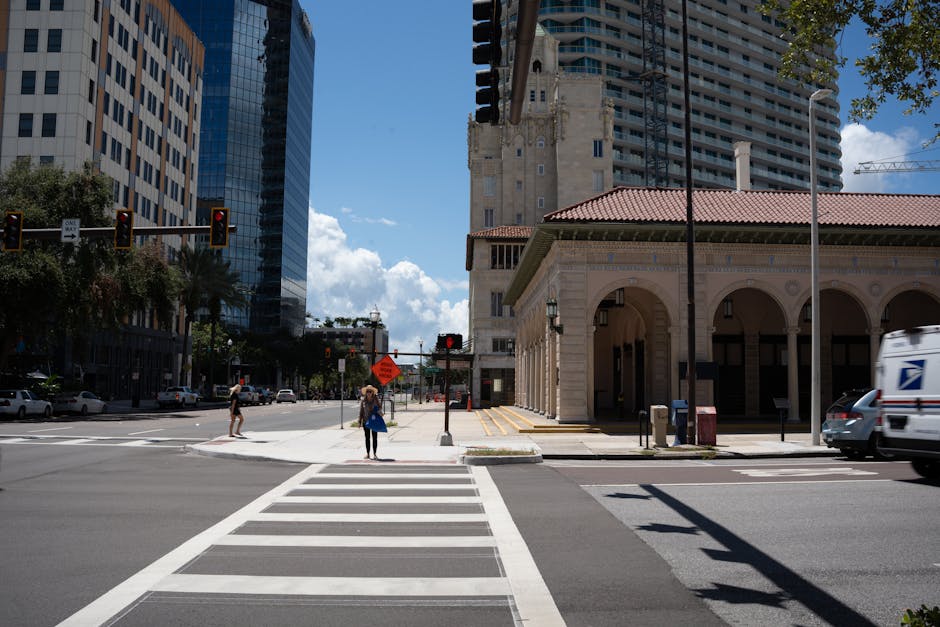
The movement is not merely about relocation; it is about the consolidation of wealth in specific corridors. High-end buyers are increasingly focused on areas that offer proximity to the burgeoning business districts of Water Street and downtown Tampa, while maintaining the privacy afforded by established neighborhoods like Davis Islands and Culbreath Isles. This trend is mirrored in neighboring markets, where executives continue to select St. Petersburg for its unique blend of cultural density and residential exclusivity. For the modern advisor, understanding this migration pattern is essential to predicting where the next wave of appreciation will occur.
Current inventory dynamics reflect this demand, with a median list price in the luxury segment holding steady at approximately $2,490,000. Despite broader national economic fluctuations, the local market remains resilient due to the high percentage of cash transactions and the scarcity of prime waterfront acreage. Buyers are no longer looking for temporary stays; they are investing in legacy assets that serve as both a primary residence and a significant component of their diversified portfolios.
Redefining the Ceiling: Waterfront Dominance and Pricing Records
The definition of luxury in Tampa is being aggressively redefined by record-breaking transactions that place the region on a global stage. While the average luxury list price currently sits at $3,168,660, the upper echelon of the market is reaching heights previously unseen in the Gulf Coast. A notable example is the recent market entry of an estate with a staggering nine-figure asking price, as reported by the Wall Street Journal, which highlights a $115 million listing that dwarfs the previous city record. Such figures signal a new era of confidence among sellers of ultra-prime assets.
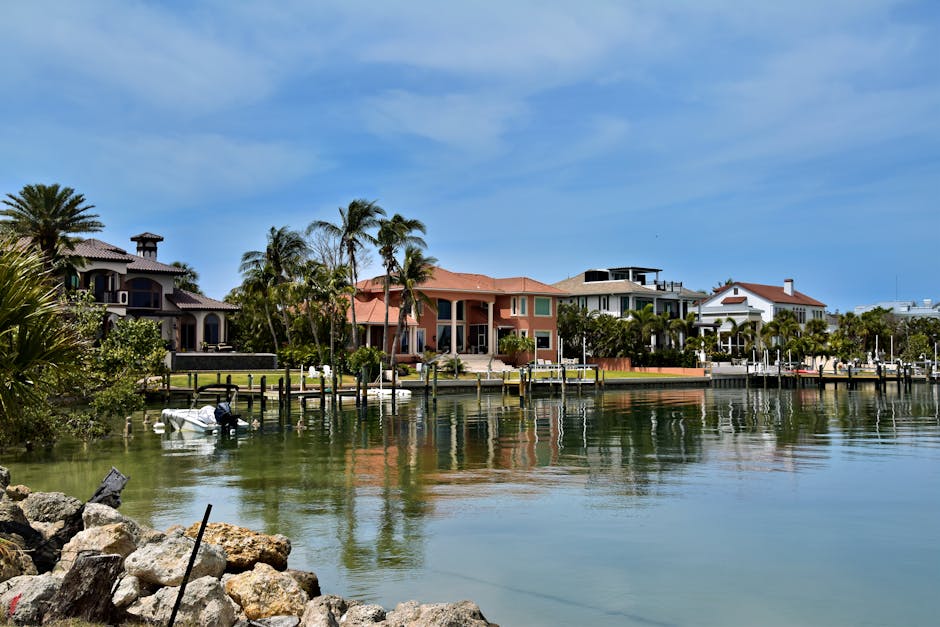
Waterfront inventory remains the primary driver of these valuations. The limited supply of deep-water access in South Tampa and the surrounding keys creates a competitive environment where off-market deals are increasingly common. Buyers are willing to pay a significant premium for properties that offer unobstructed views of Hillsborough Bay or the Gulf of Mexico, recognizing that these parcels are finite. The appetite for high-ticket sales is evidenced by the most expensive luxury home sales of 2025, which showcase a consistent trend toward eight-figure closings in established waterfront enclaves.
For those navigating this space, it is important to distinguish between price and value. While an asking price may be high, the intrinsic value is often tied to the lot size, linear feet of water frontage, and the age of the seawall infrastructure. Sophisticated buyers are looking past the aesthetic finishes to the structural integrity and the long-term viability of the site. Analyzing recent comparable sales requires a granular understanding of neighborhood-specific nuances that generic market reports often overlook.
The Maturation of the Vertical Luxury Market
While sprawling estates have traditionally defined the market, Tampa is currently experiencing a rapid maturation in the high-rise sector. The shift toward vertical living is not merely a response to land scarcity but a preference for the lock-and-leave convenience and high-touch service models associated with branded residences. This segment is still considered an early-stage luxury condo market, offering significant growth potential as new developments set higher standards for amenities and architectural design.
The integration of wellness centers, private dining, and 24-hour concierge services has made condo living an attractive alternative for those who previously only considered single-family homes. Areas like Bayshore Boulevard and the Channel District are at the forefront of this movement, providing residents with immediate access to urban festivities such as Riverfest and other waterfront events. The synergy between high-end residential towers and a walkable urban core is a key component of Tampa’s long-term urban planning strategy.
Investors and primary residents alike should monitor the pipeline of upcoming projects. As the market matures, we expect to see a more pronounced differentiation between boutique mid-rise buildings and large-scale luxury towers. The decision between vertical and horizontal living often comes down to a balance of privacy versus service, and in the current environment, many buyers are choosing the latter to simplify their operational footprint.
Strategic Acquisition: The High-Value Due Diligence Checklist
Purchasing a luxury asset in the current environment requires a rigorous approach to due diligence that goes beyond standard inspections. The complexity of waterfront property, coupled with evolving building codes, necessitates a specialized investigative process. Successful buyers treat these acquisitions as business transactions, requiring transparency and technical verification at every stage of the process.
- Verify the current elevation certificate and assess the property’s position relative to updated flood maps to determine long-term insurance implications.
- Conduct a structural assessment of all marine components, including seawalls, docks, and lifts, as these often carry significant replacement costs.
- Review the history of any renovations or additions to ensure all permits were properly closed and comply with the latest Florida Building Code standards.
- Analyze the Homeowners Association or Condo Association financial health, specifically looking for capital reserve adequacy and pending special assessments.
- Evaluate the property’s exposure to environmental factors, including saltwater mitigation needs for building materials and landscaping.
This checklist serves as a baseline for any serious offer. Neglecting these technical details can lead to significant post-closing liabilities. We recommend engaging specialized engineers and insurance consultants early in the negotiation phase to ensure that the offer price accurately reflects the property’s condition and future carry costs.
Architectural Trends and Modern Amenity Standards
The aesthetic landscape of Tampa’s high-end neighborhoods is shifting away from the heavy Mediterranean styles of the early 2000s toward a more refined, modern coastal and transitional architecture. Buyers are seeking clean lines, expansive floor-to-ceiling glass, and seamless indoor-outdoor transitions. This architectural evolution is driven by a desire for natural light and a more functional use of outdoor space that can be enjoyed year-round, despite the subtropical climate.
Amenities have also moved beyond the basics. We are seeing a high demand for integrated smart home technology, private wellness suites with cold plunges and saunas, and multi-functional outdoor kitchens. The garage has also become a focal point, with collectors seeking climate-controlled space for significant automotive investments. These features are no longer considered upgrades; they are expectations for properties priced above the $2.5 million mark.
The local market continues to draw inspiration from global design trends while remaining rooted in the specific requirements of the Florida environment. This is evident in the work of leading local firms who are pushing the boundaries of what is possible on constrained urban lots. For a broader perspective on how these trends are impacting the state, the Florida Trend Real Estate section provides ongoing analysis of architectural and development shifts across the region.
Market Liquidity and Negotiation Leverage
With 120 active luxury units currently on the market, the environment is one of selective opportunity. While the headline figures suggest a seller’s market, the reality for properties priced above $5 million is more nuanced. Liquidity for ultra-high-end assets can be slower, providing prepared buyers with significant negotiation leverage. The key to a successful acquisition in this climate is the ability to move quickly when a property meets specific criteria, as high-quality inventory still moves with relative speed.
Data-backed decision-making is critical. We analyze the days-on-market trends and the ratio of list price to sale price across different neighborhoods to identify where value may be overlooked. For instance, certain areas in South Tampa may see high demand for new construction, while well-maintained mid-century estates in neighboring districts offer a more attractive price-per-square-foot entry point. Understanding these micro-market variations allows buyers to allocate capital more effectively.
Negotiation strategy should also account for the current interest rate environment and its impact on the broader market. While many luxury buyers are not dependent on financing, the psychological impact of rates can influence seller motivation. Identifying motivated sellers who have already committed to their next move is a core component of our advisory services, ensuring our clients enter into contracts from a position of strength.
Long-Term Appreciation and Portfolio Strategy
The long-term outlook for Tampa’s luxury residential sector remains positive, supported by the continued influx of wealth and the city’s commitment to infrastructure development. As the waterfront continues to emerge as a primary luxury real estate market, the barrier to entry will likely continue to rise. Diversifying a real estate portfolio to include a mix of established waterfront estates and high-growth urban condos provides a balanced approach to capital preservation and appreciation.
Success in this market is found by those who view real estate through a multi-decade lens. The fundamental drivers—limited land, increasing executive migration, and a rising global profile—are structural rather than cyclical. By focusing on quality, location, and technical integrity, buyers can secure assets that will remain desirable regardless of short-term market fluctuations.
Navigating the complexities of the Tampa luxury market requires more than just access to the MLS; it requires a strategic partner with a deep understanding of the local landscape and the technical expertise to evaluate high-value assets. To explore the current inventory of premium properties and identify your next acquisition, we invite you to browse our curated LISTINGS URL. When you are ready to discuss your specific requirements and gain access to off-market opportunities, CONTACT URL an advisor today to schedule a private consultation.
Your next move in Tampa luxury
Get current inventory, pricing guidance, and private-tour support from our brokerage team.
Source highlights
- Column: Why executives keep choosing St. Pete – The Business Journals
- Tampa’s Price Record Is $22.5 Million. This Huge Estate Is Asking $115 Million. – WSJ
- Tampa Bay’s most expensive luxury home sales of 2025 – Tampa Bay Times
- Why Tampa remains an early-stage luxury condo market – Tampa Bay Business & Wealth
- Florida Trend Real Estate – Florida Trend
- Tampa Bay’s Waterfront Emerges as a Primary Luxury Real Estate Market – The National Law Review
- Things to do with kids this weekend in Tampa, FL – That's So Tampa
- Tampa weekend events: Concerts, festivals and downtown family fun — What to know before you go – FOX 13 Tampa Bay
