


The New Baseline in Tampa Real Estate
The landscape of high-end property across the region has fundamentally restructured itself over the past three years. Currently, the active inventory of premium estates hovers around 120 properties, establishing a highly constrained environment for prospective buyers. With a median list price currently sitting at $2.49 million and average list prices exceeding $3.15 million, the barrier to entry has elevated significantly. This shift reflects a broader recalibration of value, driven by sustained domestic migration and a surge in executive relocations. Buyers entering this environment must discard outdated perceptions of the region’s pricing dynamics and approach negotiations with a clear understanding of current asset valuations.

The era of finding overlooked waterfront bargains has closed, replaced by a sophisticated, highly competitive arena where premium properties command corresponding premiums. We are observing a distinct stratification in the market, where turnkey, masterfully designed estates are trading rapidly, while properties requiring extensive renovation linger. This divergence underscores the premium modern buyers place on immediate utility and design excellence. The recent entry of staggering, record-setting listings—such as the highly publicized estate asking $115 million—signals that ultra-high-net-worth individuals are recognizing the region as a primary destination for generational wealth preservation.
Consequently, navigating this terrain requires a pivot from passive browsing to aggressive, highly informed targeting. Buyers must be fully prepared to execute complex transactions swiftly. Relying on historical pricing data from even twenty-four months ago will lead to miscalculated offers and lost opportunities. The current baseline demands a rigorous analytical approach, focusing on replacement cost, land scarcity, and the precise caliber of finishes when evaluating an asking price.

Waterfront Scarcity and Strategic Acquisitions
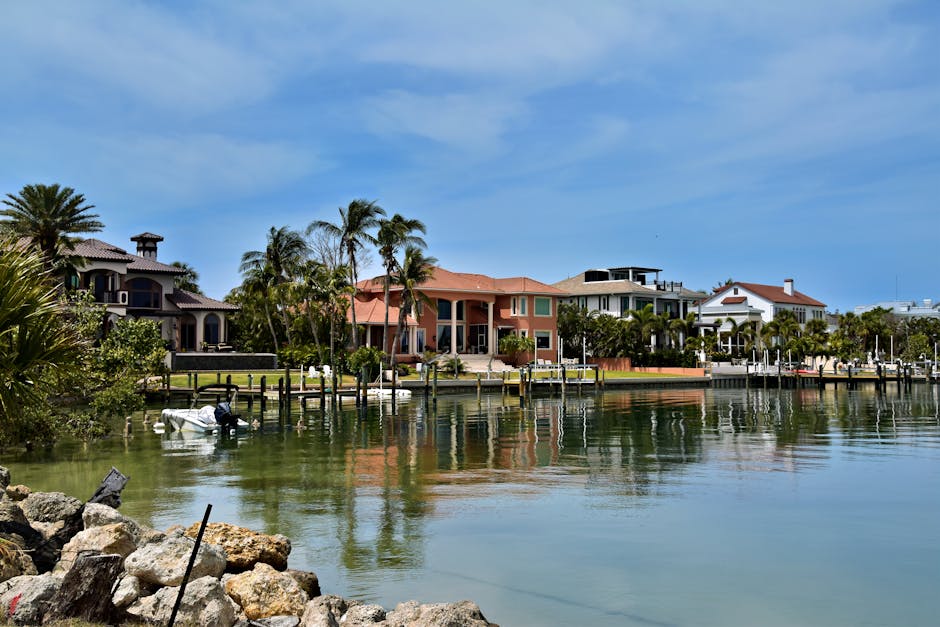
For the affluent buyer, the true focal point of the region’s real estate portfolio remains its deep-water and open-bay assets. Neighborhoods like Davis Islands, Culbreath Isles, and Beach Park offer distinct advantages, but the available frontage is a finite resource. As noted in recent legal and real estate analyses, the area’s waterfront has definitively emerged as a primary luxury market, competing directly with established enclaves in South Florida. The metrics for evaluating these properties extend far beyond the square footage of the primary residence; the value is inextricably linked to the seawall, the setback, and the navigability of the adjacent waterways.
When assessing these parcels, sophisticated purchasers must prioritize maritime infrastructure. Deep-water draft capability for larger vessels, the structural integrity of existing docks, and the specific zoning regulations governing over-water extensions are critical variables. A structurally pristine modern home situated on a deteriorating seawall requires an immediate, substantial capital allocation that must be factored into the acquisition model. Furthermore, understanding the precise nuances of flood zone designations and elevation requirements is paramount for mitigating long-term risk and ensuring favorable insurability.
The architectural response to these waterfront parcels is also evolving. We are seeing a departure from heavy, Mediterranean-revival fortresses toward lighter, coastal-contemporary designs that maximize fenestration and integrate indoor and outdoor living spaces seamlessly. Buyers evaluating older estates must calculate the cost and feasibility of adapting legacy architecture to these modern sensibilities. Often, the highest and best use of a prime waterfront lot involves a complete raze and rebuild, a process that demands a thorough understanding of local permitting timelines and coastal construction constraints.
Ultimately, acquiring a premier waterfront estate here is a strategic defense of capital. The inherent scarcity of navigable water frontage ensures long-term asset stability, provided the initial acquisition is underwritten correctly. It is imperative to engage marine contractors and structural engineers during the due diligence period to quantify any deferred maintenance on the maritime infrastructure.
Evaluating Architectural Provenance and Modernization
Beyond the waterfront, the historic and tree-canopied avenues of Hyde Park and Palma Ceia present a different set of acquisition challenges and opportunities. Here, value is heavily weighted toward architectural provenance, historical designations, and proximity to walkable commercial districts. The housing stock in these sectors often includes properties dating back to the 1920s, requiring a discerning eye to differentiate between a meticulously restored historic estate and one that merely possesses cosmetic updates over failing legacy systems.
Purchasing within these historic districts necessitates a deep understanding of the local architectural review boards and their strict guidelines regarding exterior modifications. Buyers looking to expand a historic footprint or modernize a facade will face significant regulatory oversight. Therefore, properties that have already navigated this rigorous approval process and successfully integrated modern floor plans—such as open-concept chef’s kitchens and expanded primary suites—command a substantial premium. The premium paid for a completed, historically compliant renovation often offsets the immense time and friction associated with undertaking the process post-acquisition.
Furthermore, the evaluation of these inland estates must include a rigorous inspection of foundational integrity, electrical capacity, and plumbing infrastructure. High-end buyers expect modern amenities—commercial-grade appliances, robust smart-home networking, and advanced climate control systems. Retrofitting these technologies into a century-old structure requires specialized contractors and significant capital. An accurate assessment of a property’s technological readiness is just as critical as evaluating its architectural charm.
The Trajectory of the Luxury Condominium Sector
A significant evolution in the local property landscape is the rapid maturation of the high-rise sector. Historically dominated by single-family estates, the region is witnessing a surge in demand for ultra-luxury vertical living, particularly within the Downtown and Water Street districts. This sector is currently categorized as an early-stage luxury condo market, presenting a unique window for early positioning. Affluent buyers, particularly those seeking secondary or tertiary residences, are drawn to the lock-and-leave convenience, comprehensive security, and curated amenities these developments offer.
Evaluating pre-construction or newly delivered high-rises requires a distinct analytical framework compared to single-family homes. The focus shifts toward the developer’s track record, the capitalization of the condominium association, and the exact specifications of the building’s infrastructure. Buyers must carefully review the prospectus to understand the allocation of common charges, the provisions for reserve funding, and the specific rules governing rentals and structural modifications. The quality of the property management firm retained by the developer is also a critical indicator of long-term asset preservation.
Furthermore, floor-level premiums and view corridors are paramount. A unit’s valuation can vary drastically based on its specific orientation and elevation. Prospective buyers must analyze adjacent parcels and future development plans to ensure that their premium water or skyline views will not be obstructed by subsequent construction. Acquiring a unit in this sector is as much about buying into the building’s ecosystem and future sightlines as it is about the finishes within the unit itself.
Essential Diligence for High-End Transactions
Executing a high-end acquisition requires a level of diligence that far exceeds standard residential real estate practices. The complexities inherent in multi-million dollar properties—ranging from intricate environmental regulations to advanced structural engineering—demand a comprehensive and highly specialized team. Relying solely on a standard home inspector is a critical error when evaluating estates of this caliber. The diligence period must be utilized to conduct a forensic examination of the asset, leaving no variable unchecked.
To ensure a secure acquisition, sophisticated buyers should mandate the following assessments prior to the expiration of their inspection contingencies:
- Commission a specialized marine structural engineer to evaluate seawalls, docks, and pilings for hidden degradation.
- Conduct an exhaustive audit of all integrated smart-home systems, ensuring proprietary software licenses are transferable.
- Verify the status and specific parameters of all riparian rights associated with waterfront parcels.
- Engage a luxury-focused insurance broker early to confirm coverage viability and premium estimates for coastal assets.
- Review all historical permitting records to confirm that past renovations and additions were legally executed and finalized.
- Analyze the financial health, reserve studies, and pending assessments of any associated homeowners’ or condominium associations.
Failing to execute any of these critical checks can expose the buyer to substantial post-closing liabilities. The objective of this phase is not merely to identify defects, but to accurately quantify the capital required to bring the property to the buyer’s exacting standards. This quantified data then serves as the foundation for final negotiations or the decision to terminate the contract.
Navigating Local Civic Dynamics and Lifestyle Integration
The intrinsic value of premium real estate is heavily influenced by the civic and cultural vitality of the surrounding environment. The region is actively transforming, with massive capital deployments enhancing public infrastructure, dining districts, and cultural venues. Buyers must evaluate properties not just as isolated assets, but in the context of their integration into this evolving urban fabric. Proximity to expanding commercial nodes like Midtown or the established culinary scene in South Tampa heavily dictates appreciation curves.
Understanding the rhythm of the city is also crucial for buyers relocating from other major metropolitan areas. The local calendar is dense with community activations and high-profile gatherings that impact neighborhood accessibility and desirability. For example, events like the annual Riverfest celebrations activate the downtown waterfront, temporarily altering traffic patterns and noise levels for adjacent high-rise residents. While these events contribute to the city’s dynamic atmosphere, buyers must consider how such civic programming aligns with their personal lifestyle preferences.
Furthermore, ongoing municipal discussions regarding transit expansion, zoning modifications, and infrastructure resiliency will shape the future landscape. Engaging with an advisor who possesses a deep understanding of these civic crosscurrents is essential. Anticipating where the city is directing its developmental focus allows buyers to position themselves in neighborhoods poised for long-term strategic growth, rather than those facing potential stagnation.
Securing Your Position in a Constrained Market
The current climate demands decisiveness backed by rigorous analysis. With a limited inventory of truly exceptional estates, the most desirable properties frequently trade off-market or within days of their public debut. To compete effectively, buyers must have their capital structured, their advisory team assembled, and their acquisition criteria sharply defined before initiating the search. Hesitation or reliance on outdated market assumptions will inevitably result in missed opportunities in this highly competitive tier.
Navigating this complex environment requires an advisor who operates strictly as a fiduciary, prioritizing your strategic goals over the transaction itself. To begin aligning your acquisition strategy with the realities of the current landscape, thoroughly review our curated collection of premium listings. When you are prepared to execute a highly targeted search or require an unvarnished analysis of a specific asset, contact our advisory team to schedule a private consultation.
Your next move in Tampa luxury
Get current inventory, pricing guidance, and private-tour support from our brokerage team.
Source highlights
- Column: Why executives keep choosing St. Pete – The Business Journals
- Tampa’s Price Record Is $22.5 Million. This Huge Estate Is Asking $115 Million. – WSJ
- Tampa Bay’s most expensive luxury home sales of 2025 – Tampa Bay Times
- Why Tampa remains an early-stage luxury condo market – Tampa Bay Business & Wealth
- Florida Trend Real Estate – Florida Trend
- Tampa Bay’s Waterfront Emerges as a Primary Luxury Real Estate Market – The National Law Review
- Things to do with kids this weekend in Tampa, FL – That's So Tampa
- Tampa weekend events: Concerts, festivals and downtown family fun — What to know before you go – FOX 13 Tampa Bay



